

Monomorium arnoldi
- Scientific Name
- Monomorium arnoldi
- Tribe
- Solenopsidini
- Subfamily
- Myrmicinae
- Author
- Forel, 1913
- Distribution
- Found in 3 countries
Monomorium arnoldi Overview
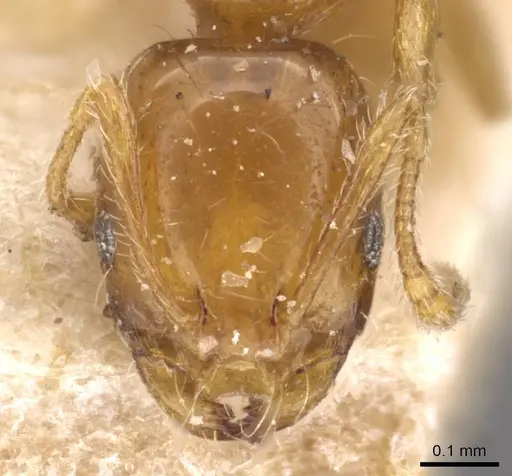
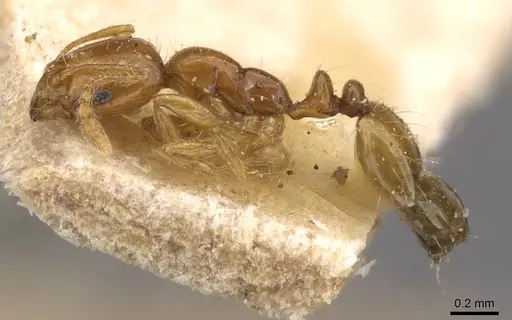
Monomorium arnoldi is an ant species of the genus Monomorium. It is primarily documented in 3 countries , including Malawi, Mozambique, Zimbabwe. Detailed taxonomic data and occurrence records can be further explored via authoritative databases such as AntWeb or the Global Biodiversity Information Facility (GBIF).
Monomorium arnoldi
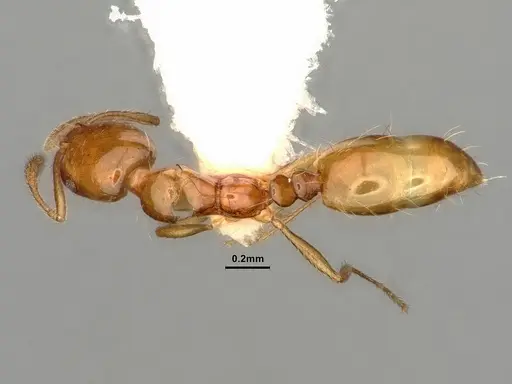
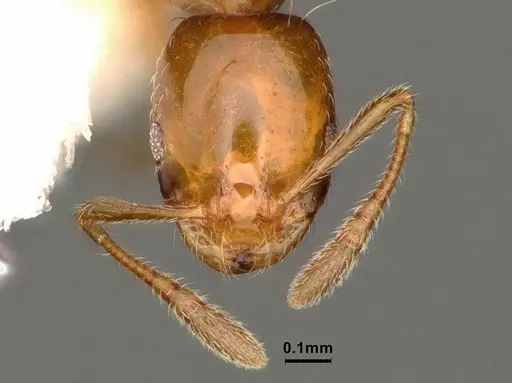
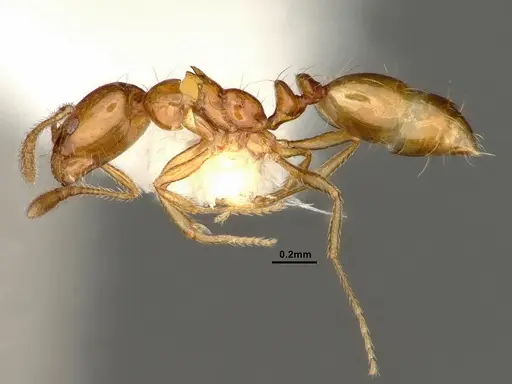
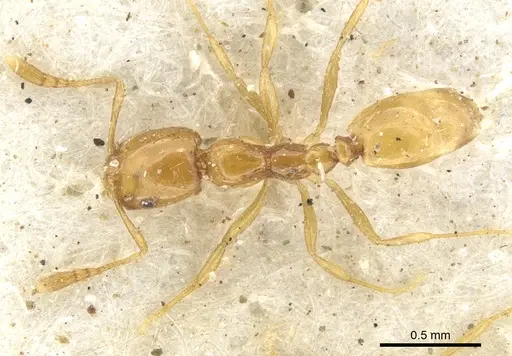
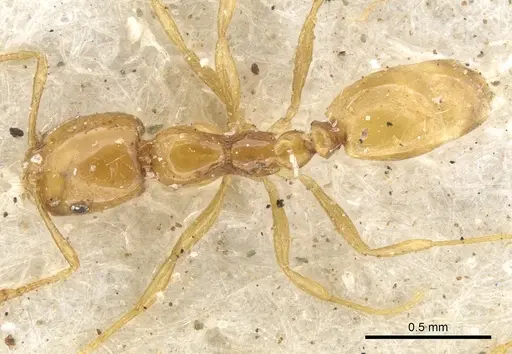
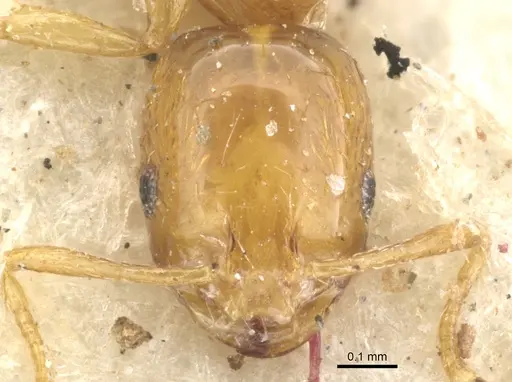
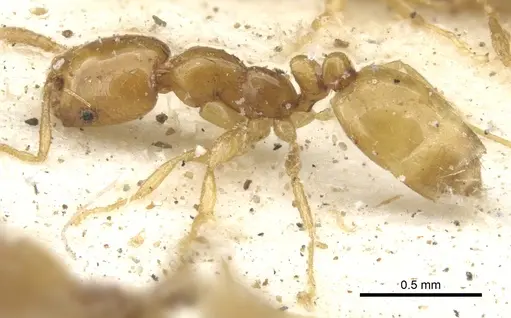
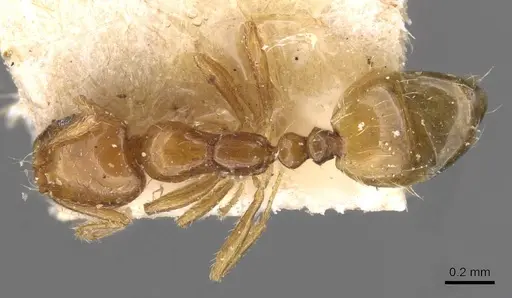
Monomorium arnoldi is a small ant species native to southern Africa. Workers are tiny, typically measuring 2-4mm, with a generally dark brown to reddish-brown coloration. The genus Monomorium contains many small ants often found nesting in soil, under stones, or in decaying wood in warm climates. This species was formerly classified as Syllophopsis jonesi following taxonomic revisions that resurrected the genus Syllophopsis for certain African Monomorium species [1]. Little specific research exists on this species' detailed biology, but it follows typical patterns for small southern African ants in the Monomorium group.
Quick Summary
- Difficulty: Unknown, limited species-specific data available
- Origin & Habitat: Southern Africa, specific habitat preferences are not well documented in available research
- Colony Type: Likely monogyne (single queen) based on typical genus patterns, but colony structure is unconfirmed for this specific species
- Size & Growth:
- Queen: Estimated 5-7mm based on genus typical range
- Worker: Estimated 2-4mm based on genus typical range
- Colony: Unknown, likely several hundred workers based on related species
- Growth: Unknown, likely moderate based on genus patterns
- Development: Estimated 6-10 weeks at warm temperatures based on related Monomorium species (Development timeline is estimated from genus-level data, not species-specific measurements)
- Antkeeping:
- Temperature: Start around 22-26°C and observe colony activity, southern African species typically prefer warm conditions
- Humidity: Moderate humidity preferred, keep nest substrate slightly moist but not waterlogged
- Diapause: Unknown, southern African origin suggests they may not require strong diapause, but winter rest at cooler temperatures may be beneficial
- Nesting: Likely prefers soil-based or rotting wood nesting sites. Test tubes work well for founding colonies, naturalistic setups with moist substrate are suitable for established colonies
- Behavior: Behavior is not specifically documented for this species. Based on genus typical patterns, workers are likely active foragers that search for sugar sources and small prey. Their small size means escape prevention is critical, use fine mesh barriers. Aggression levels are unknown but likely moderate like most small Myrmicinae ants.
- Common Issues: limited species-specific care information makes accurate recommendations difficult, escape prevention is critical due to small worker size, slow colony growth may frustrate beginners expecting rapid development, winter care requirements are unclear due to unknown diapause needs, wild-caught colonies may harbor parasites or diseases
Taxonomy and Classification
Monomorium arnoldi has undergone taxonomic revision. The species was moved to the genus Syllophopsis following phylogenetic research that resurrected Syllophopsis to contain the Monomorium hildebrandti-group species [1]. However, many antkeepers continue to use the name Monomorium arnoldi in keeping communities. This taxonomic change reflects the complex evolutionary relationships within the Myrmicinae subfamily and highlights that species boundaries within this group have been revised as new genetic data becomes available.
Nesting Preferences
Specific nesting preferences for Monomorium arnoldi are not documented in available research. Based on typical Monomorium genus behavior, this species likely nests in soil, under stones, or in rotting wood in its native southern African habitat. For captive care, test tube setups work well for queen founding. Once established, naturalistic setups with moist soil or a Y-tong/plaster nest with narrow chambers scaled to their small size would be appropriate. Ensure the nest maintains slight moisture without becoming waterlogged.
Feeding and Diet
Dietary requirements for this specific species are not documented. Based on typical Monomorium behavior, they likely accept both sugar sources (honey water, sugar water) and protein sources (small insects, mealworms). Feed a varied diet and observe what the colony accepts best. Offer sugar water constantly and protein prey 2-3 times per week. Remove uneaten prey after 24-48 hours to prevent mold.
Temperature and Seasonal Care
Temperature requirements are not specifically studied for this species. As a southern African species, they likely prefer warmer conditions in the range of 22-28°C. Start around 24-26°C and observe colony behavior, if workers become sluggish or cluster away from heat, adjust accordingly. Winter care is unclear, a slight temperature reduction during winter months may be appropriate but strong diapause is unlikely needed for this tropical/subtropical species.
Behavior and Colony Dynamics
Specific behavioral observations for Monomorium arnoldi are not available in the research literature. Workers are likely small active foragers that search both above ground and within the nest structure. The colony structure (single queen vs. multiple queens) is unconfirmed but likely follows the typical monogyne pattern seen in most Monomorium species. Their small size means they can easily escape through tiny gaps, use excellent escape prevention with fine mesh barriers and tight-fitting lids.
Frequently Asked Questions
How long does it take for Monomorium arnoldi to produce first workers?
The exact timeline is unknown for this species. Based on related Monomorium species, expect approximately 6-10 weeks from egg to first worker at warm temperatures (around 24-26°C).
What do Monomorium arnoldi ants eat?
Specific dietary preferences are unconfirmed for this species. Based on genus typical behavior, they likely accept sugar water or honey and small protein sources like fruit flies, pinhead crickets, or mealworms. Offer a varied diet and observe preferences.
What temperature should I keep Monomorium arnoldi at?
Temperature requirements are not specifically documented. Start around 24-26°C and adjust based on colony activity. Southern African origin suggests they prefer warm conditions.
How big do Monomorium arnoldi colonies get?
Colony size is not documented for this species. Based on related species, colonies likely reach several hundred workers.
Is Monomorium arnoldi a good species for beginners?
Difficulty level cannot be accurately assessed due to limited species-specific data. The lack of documented care information makes this a challenging species to recommend for beginners who benefit from well-documented species with clear care guidelines.
Do Monomorium arnoldi need hibernation?
Diapause requirements are unknown. As a southern African species, they likely do not require a true hibernation period, but a slight temperature reduction in winter may be appropriate.
What size nest do Monomorium arnoldi need?
Specific nest requirements are unconfirmed. Use test tubes for founding colonies. For established colonies, naturalistic setups or Y-tong nests with small chambers scaled to their tiny worker size work well.
Can I keep multiple Monomorium arnoldi queens together?
Colony structure is unconfirmed for this species. Combining unrelated queens is not recommended without documented evidence that they can found colonies pleometrotically.
Why is my Monomorium arnoldi colony not growing?
Without species-specific data, troubleshooting is difficult. Ensure proper temperature (around 24-26°C), adequate humidity without flooding, and appropriate food. Slow growth may also simply reflect this species' natural development rate.
References

This caresheet is licensed under CC BY-SA 4.0 .
Literature
Loading...Loading products...