

Monomorium arenarium
- Scientific Name
- Monomorium arenarium
- Tribe
- Solenopsidini
- Subfamily
- Myrmicinae
- Author
- Heterick, 2001
- Distribution
- Found in 1 countries
Monomorium arenarium Overview
Monomorium arenarium is an ant species of the genus Monomorium. It is primarily documented in 1 countries , including Australia. Detailed taxonomic data and occurrence records can be further explored via authoritative databases such as AntWeb or the Global Biodiversity Information Facility (GBIF).
Monomorium arenarium
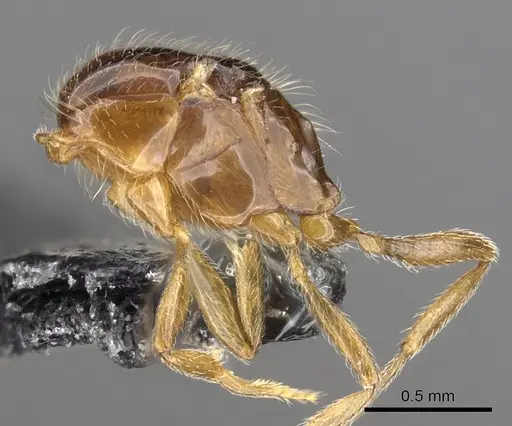
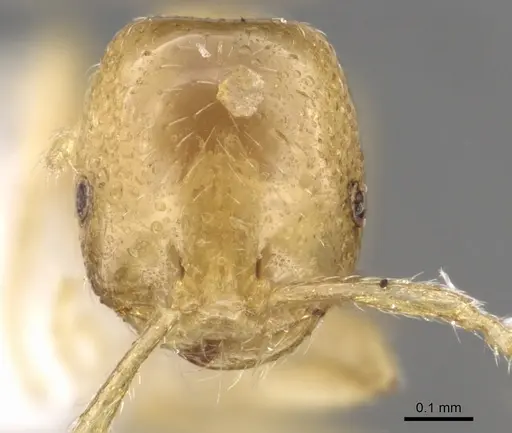
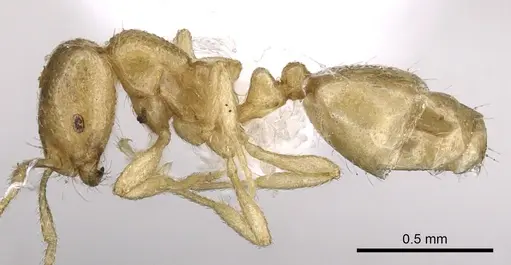
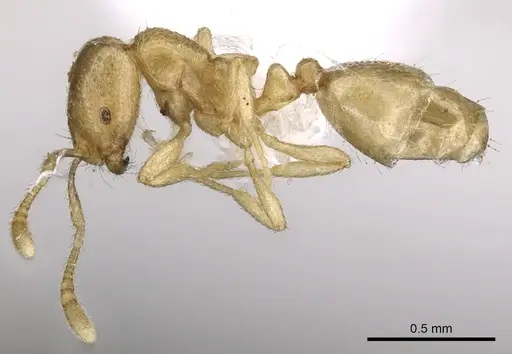
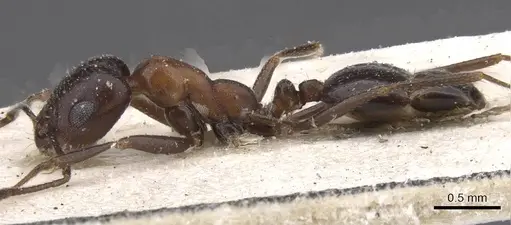
Monomorium arenarium is a tiny orange to tawny yellow ant native to Australia, where it gets its name from the Latin word for sand, 'arenarium', reflecting its preference for sandy habitats [1]. Workers measure just 1.25-1.49mm, making them one of the smaller ant species you'll encounter. Queens are larger at 1.98-2.37mm and have a distinctive amber coloration that is often darker on the dorsal surfaces [1]. This species is distinguished by its sloping/oblique propodeum (the section behind the waist), which sets it apart from other small yellow Australian Monomorium species [1]. Found across Western Australia, South Australia, and Tasmania, these ants favor sandy coastal areas and dry sclerophyll woodland, though they've also been collected away from coastal regions [1].
Quick Summary
- Difficulty: Easy
- Origin & Habitat: Australia (Western Australia, South Australia, Tasmania). Found in sandy coastal soil, dry sclerophyll woodland, and wet sclerophyll areas. Nests in sand, hard soil, and under rocks [1].
- Colony Type: Colony structure is unconfirmed. Based on typical Monomorium patterns, likely single-queen colonies (monogyne), though some Australian Monomorium species can form multi-queen colonies.
- Size & Growth:
- Queen: 1.98-2.37mm [1]
- Worker: 1.25-1.49mm [1]
- Colony: Unknown for this specific species. Based on similar small Monomorium, likely reaches several hundred workers.
- Growth: Moderate, based on small worker size and typical Monomorium development patterns
- Development: Estimated 6-8 weeks at optimal temperature based on genus-level data for small Myrmicinae (Development time is estimated from related Monomorium species. Small colony size suggests moderate growth rate.)
- Antkeeping:
- Temperature: Keep at room temperature (20-26°C). Australian species from temperate regions can tolerate a range from 18-28°C. Provide a gentle gradient if possible.
- Humidity: Prefers drier conditions, these ants are found in sandy, well-drained soils. Keep nest substrate moderately moist but allow it to dry slightly between waterings. Avoid overly damp conditions.
- Diapause: Likely not required or minimal. Australian temperate species may slow down during cooler months but don't require formal hibernation like European species.
- Nesting: Best in dry, sandy substrates. Y-tong (AAC) nests work well, or test tubes with sand fill. Provide a moisture gradient so ants can choose their preferred humidity level.
- Behavior: Generally peaceful and non-aggressive. Workers are small and active, foraging for small prey and honeydew. Due to their tiny size (under 2mm), escape prevention is critical, they can squeeze through standard mesh. Use fine mesh barriers and ensure all connections are sealed. Not known to sting humans.
- Common Issues: escape prevention is critical due to tiny size, use fine mesh and seal all gaps, small colony size means slow population growth, don't expect rapid expansion, may be outcompeted by larger ant species if housed in shared spaces, wild-caught colonies may carry parasites that can devastate captive populations, overwatering can kill these ants, they prefer drier conditions than many tropical species
Housing and Nest Setup
Monomorium arenarium is a small ant that does well in compact setups. Test tubes with a sand fill work excellently, the sandy substrate mimics their natural nesting conditions in coastal sand heath and dry sclerophyll areas [1]. You can also use Y-tong (AAC) nests with a sand or soil chamber, which gives you better visibility while maintaining appropriate humidity. Because they're found in sandy, well-drained areas, ensure the nest substrate dries out partially between waterings, these ants prefer conditions drier than typical tropical species. Provide an outworld with small prey items and sugar water. The key is excellent escape prevention: at only 1.25-1.49mm for workers, they can slip through standard mesh barriers. Use fine mesh (at least 0.5mm holes or smaller) and check all connections regularly.
Feeding and Diet
Like other Monomorium species, these ants are omnivorous but lean toward protein-based diets. Offer small live prey such as fruit flies, pinhead crickets, or small mealworms. They will also accept sugar water, honey, or diluted nectar as an energy source. In the wild, they've been observed forming long trails between craters in coastal sand heath areas [1], suggesting they forage actively for carbohydrate sources like honeydew from aphids or scale insects. Feed protein prey 2-3 times per week, and keep a sugar source available at all times. Remove uneaten prey after 24 hours to prevent mold.
Temperature and Seasonal Care
Monomorium arenarium comes from temperate Australia, so room temperature suits them well. Aim for 20-26°C, with a slight gradient allowing workers to choose their preferred temperature. They don't require formal hibernation like European species, but you may notice reduced activity during winter months if your home cools down. During this slower period, reduce feeding frequency. The key is stability, avoid sudden temperature swings. A heating cable on one side of the nest can help maintain warmth if your room temperature drops below 18°C, but always provide unheated areas so ants can regulate their own temperature. [1]
Colony Establishment and Growth
When you acquire a founding queen, place her in a test tube setup with moist cotton and a small sand chamber. Like most Monomorium, she will likely seal herself in and raise the first brood alone (claustral founding). The first workers, called nanitics, will be smaller than normal workers, this is normal. Once workers emerge, you can begin offering small prey and sugar water. Growth is moderate, don't expect rapid expansion. A mature colony may reach several hundred workers over 1-2 years. Be patient during the founding phase, disturbing the queen or moving the nest too early can cause colony failure. Wait until you have at least 10-20 workers before considering a transfer.
Behavior and Temperament
These are peaceful, non-aggressive ants that won't bother you. Workers are active foragers, and in the wild they've been observed forming long trails between craters in coastal areas [1]. They are not known to sting, and their small size means even if they did attempt to bite, it would be imperceptible to humans. The main behavioral concern is escape risk, their tiny size means they are excellent escape artists. Always use fine mesh barriers and check for any gaps in your setup. They are compatible with standard ant keeping practices and don't require any special handling beyond escape prevention.
Frequently Asked Questions
How long does it take for Monomorium arenarium to produce first workers?
Expect 6-8 weeks from egg to first worker at optimal temperature (around 24°C). This is an estimate based on related Monomorium species, as specific development data for M. arenarium is not available.
Can I keep Monomorium arenarium in a test tube?
Yes, test tubes work well for this species. Use a sand-filled chamber to mimic their natural sandy habitat, and ensure the cotton is kept moist but not flooded. Test tubes are ideal for the founding stage and small colonies.
Do Monomorium arenarium ants need hibernation?
No, formal hibernation is not required. As an Australian temperate species, they may slow down during cooler months but don't need the extended cold period that European species require.
What do Monomorium arenarium eat?
They are omnivorous. Offer small live prey like fruit flies, pinhead crickets, or small mealworms for protein. Also provide sugar water, honey, or diluted nectar as an energy source. Remove uneaten prey after 24 hours.
How big do Monomorium arenarium colonies get?
Colony size is not well documented for this species, but based on similar small Monomorium, expect several hundred workers at maturity. Growth is moderate rather than rapid.
Why are my Monomorium arenarium escaping?
Their tiny size makes them excellent escape artists. Use fine mesh (0.5mm or smaller) on all openings and check connections regularly. Standard mesh that works for larger ants will not contain these tiny workers.
Can I keep multiple queens together?
Combining unrelated queens is not recommended as they will likely fight. Based on typical Monomorium patterns, this species is likely single-queen (monogyne). Keep one queen per colony.
What temperature is best for Monomorium arenarium?
Room temperature (20-26°C) is ideal. They can tolerate 18-28°C but prefer stable conditions. A gentle gradient allows workers to choose their preferred temperature zone.
Are Monomorium arenarium good for beginners?
Yes, they are considered easy to keep. They are peaceful, don't require hibernation, and tolerate a range of conditions. The main challenge is escape prevention due to their tiny size.
When should I move my colony to a formicarium?
Wait until you have at least 20-30 workers and the test tube is becoming crowded. For this small species, a compact Y-tong or acrylic nest with sand chambers works well. Ensure the formicarium has appropriate humidity control.
References

This caresheet is licensed under CC BY-SA 4.0 .
ANTWEB1008674
View on AntWeb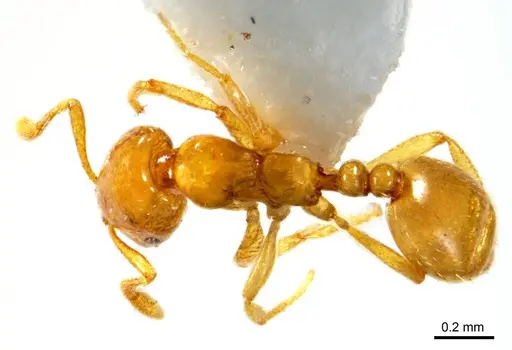
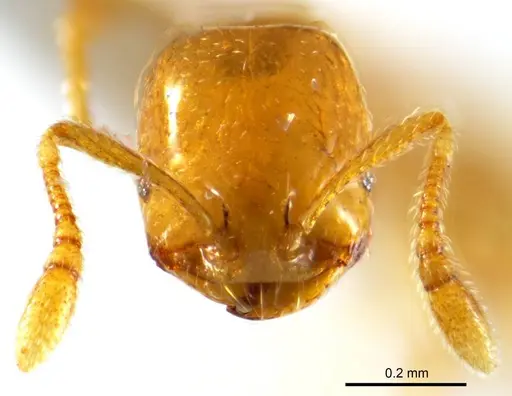
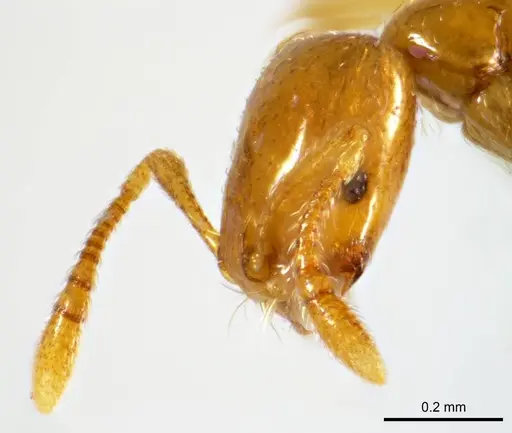
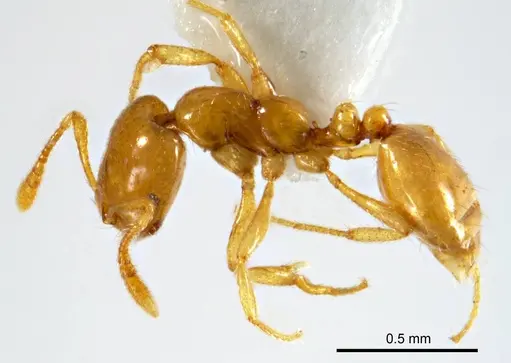
CASENT0902290
View on AntWeb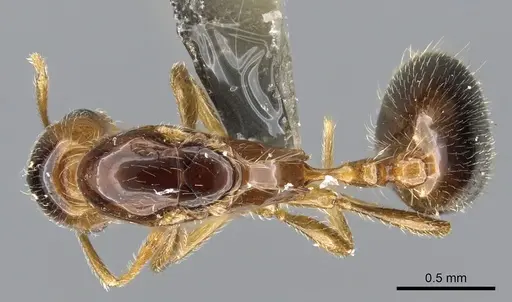
CASENT0902291
View on AntWeb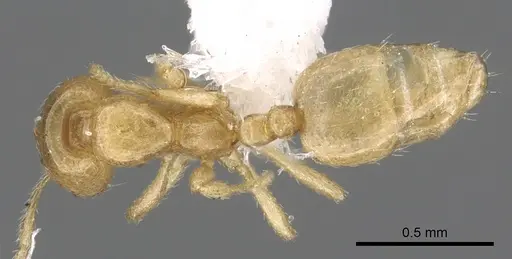
CASENT0913834
View on AntWeb
Literature
Loading...Loading products...