

Monomorium andrei
- Scientific Name
- Monomorium andrei
- Tribe
- Solenopsidini
- Subfamily
- Myrmicinae
- Author
- Saunders, 1890
- Distribution
- Found in 2 countries
Monomorium andrei Overview
Monomorium andrei is an ant species of the genus Monomorium. It is primarily documented in 2 countries , including Algeria, Spain. Detailed taxonomic data and occurrence records can be further explored via authoritative databases such as AntWeb or the Global Biodiversity Information Facility (GBIF).
Monomorium andrei
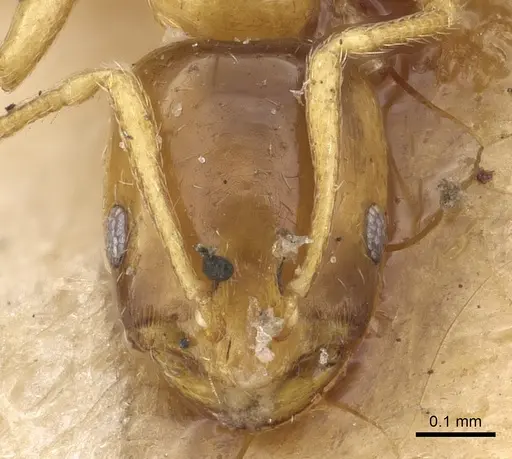
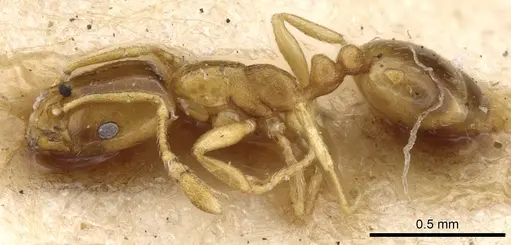
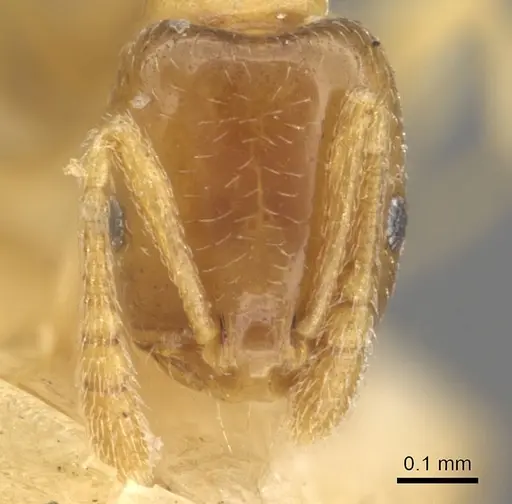
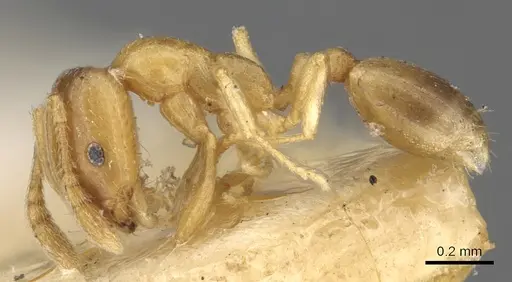
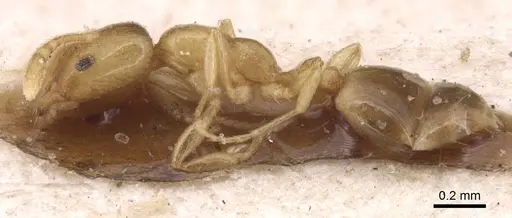
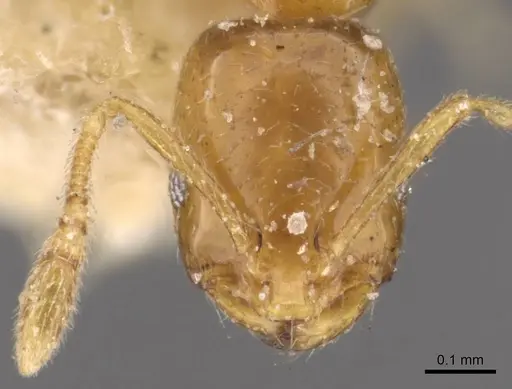
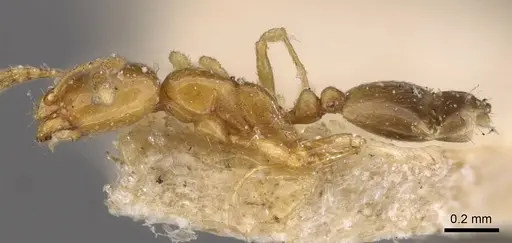
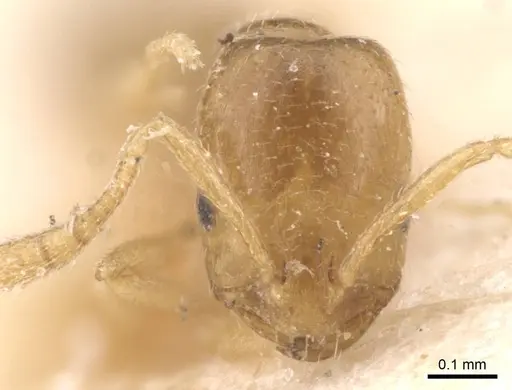
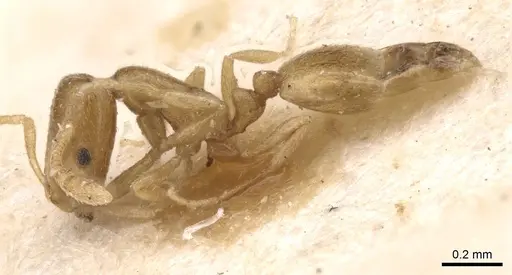
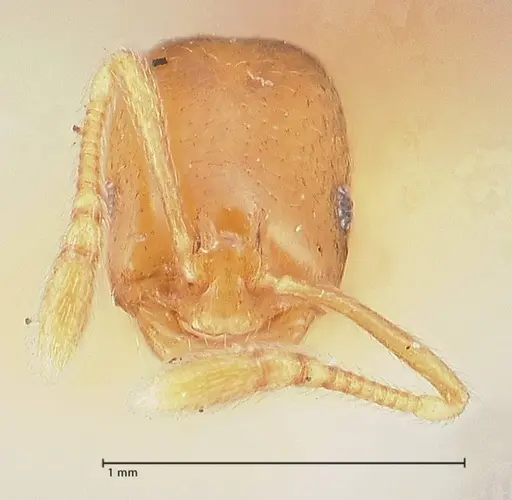
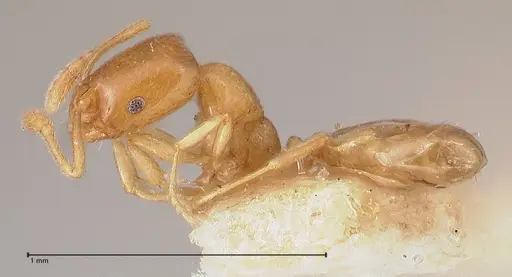
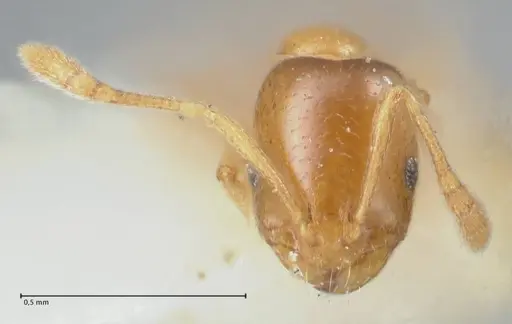
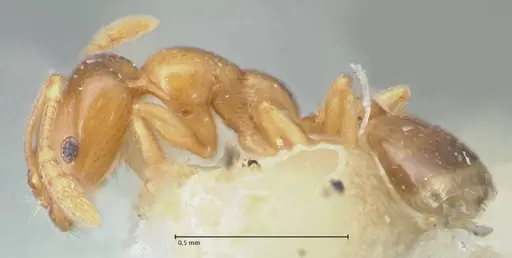
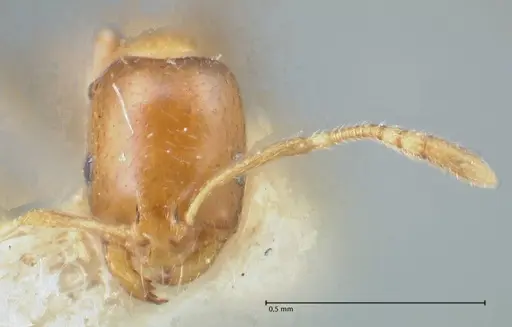
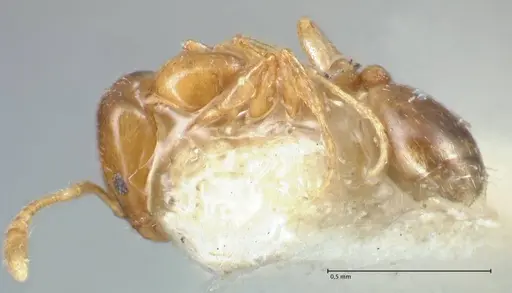
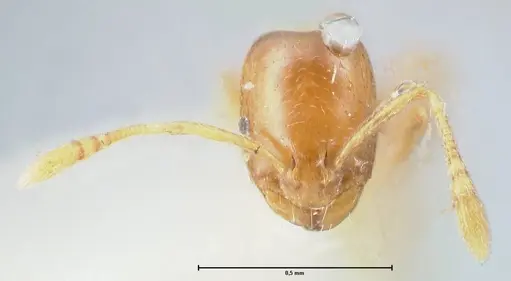
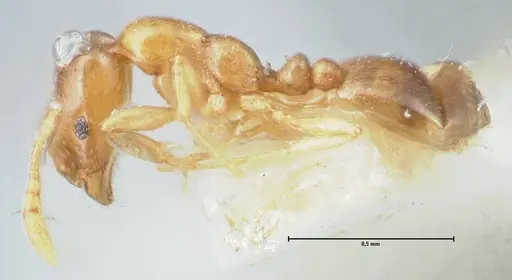
Monomorium andrei is a tiny ant species native to the western Mediterranean region, found in Gibraltar, Spain, the Balearic Islands, Algeria, and Lebanon [1]. Workers measure just 1.6-1.9mm with a brownish coloration and distinctive yellow legs and antennae [2]. Queens are larger at 3.2mm with a darker brown-black thorax [2]. This species is notable for having queen dimorphism, producing both winged (alate) queens and wingless (ergatoid) queens that can serve as replacement reproductives if the primary queen dies [3]. The species was once classified as a parasitic ant (Monomorium andrei) but is now confirmed as a true Monomorium [4]. It prefers human-disturbed areas and has recently been found in new locations like Morocco's oases, suggesting possible range expansion.
Quick Summary
- Difficulty: Medium
- Origin & Habitat: Western Mediterranean region including Gibraltar, Spain, Balearic Islands, Algeria, and Lebanon. Found from sea level to 1200m elevation in Lebanon. Prefers human-disturbed areas and is considered potentially introduced in some regions [1][5][6].
- Colony Type: Single-queen colonies with documented ergatoid (wingless) replacement queens. The species shows queen dimorphism with both winged and wingless reproductive forms [3].
- Colony: Monogyne
- Founding: Claustral
- Size & Growth:
- Queen: 3.2mm [2]
- Worker: 1.6-1.9mm [2]
- Colony: Likely small to moderate, estimated under 500 workers based on similar Monomorium species
- Growth: Moderate, estimated based on genus patterns
- Development: 6-8 weeks estimated based on related Monomorium species (Development timeline is not directly studied for this species. Estimates based on genus-level data for small Myrmicinae ants.)
- Antkeeping:
- Temperature: Keep at 20-26°C. This Mediterranean species prefers warm conditions but can tolerate cooler temperatures. A gentle gradient allows workers to self-regulate.
- Humidity: Moderate humidity around 50-70%. Provide a moist cotton ball in the outworld and keep the nest substrate slightly damp but not waterlogged. These ants are found in varied elevations from coastal to mountain areas.
- Diapause: Unknown, no specific research on hibernation requirements. Mediterranean species may have reduced activity in winter months. Monitor colony behavior and consider a cool period (15-18°C) during winter if the colony shows decreased activity.
- Nesting: Use small, tight-fitting nests appropriate for their tiny size. Test tubes with cotton barriers work well for founding colonies. For established colonies, Y-tong nests or small acrylic formicariums with narrow chambers suit their small size. They naturally nest under stones and in small soil cavities.
- Behavior: These are small, cryptic ants that move deliberately and are not aggressive. Workers are slow-moving and tend to stay near their nest. They are considered rare in their native range and may be overlooked due to their tiny size and cryptic behavior [7]. Escape prevention is critical, their small size means they can squeeze through standard barriers. They are not known to sting and pose no danger to keepers.
- Common Issues: escape prevention is critical due to their very small 1.6-1.9mm size, use fine mesh barriers and tight-fitting lids, colonies are slow to establish, patience is required during the founding stage, wild-caught colonies may be rare or declining, consider purchasing from reputable breeders instead of collecting, their small size makes them easy to overlook when checking on colonies, inspect carefully during feeding and nest checks, overfeeding can lead to mold in small test tube setups, remove uneaten prey promptly
Housing and Nest Setup
Monomorium andrei requires careful housing due to its tiny worker size of 1.6-1.9mm. For founding colonies, a standard test tube setup works well, use a small water reservoir with cotton barrier and keep it in a dark, quiet location. The tube should be small diameter to match their size. For established colonies, Y-tong nests or small acrylic formicariums with narrow chambers and passages work best. Avoid large, open spaces that can cause stress. The nest material should retain some moisture but drain well, small amounts of substrate or plaster work fine. Outworld space should be modest with a small foraging area. Escape prevention is critical, these tiny ants can squeeze through gaps that larger species cannot. Use fluon on container rims and fine mesh (at least 0.5mm) on any ventilation. [2][7]
Feeding and Diet
Like most Monomorium species, M. andrei is omnivorous. They likely feed on small insects, honeydew from aphids, and nectar in the wild. In captivity, offer small protein sources like fruit flies, pinhead crickets, and small mealworms. They can accept sugar water or honey as an energy source. Feed small amounts twice weekly for established colonies, removing any uneaten food within 24 hours to prevent mold. During founding, the claustral queen does not need food, she survives on stored fat reserves until her first workers emerge. Once workers are present, begin offering tiny amounts of protein and sugar. Their small size means even very small prey items are appropriate.
Temperature and Seasonal Care
This Mediterranean species prefers temperatures in the 20-26°C range. A heating cable on one side of the nest creates a temperature gradient, allowing ants to self-regulate. Place the heating element on top of the nest to avoid evaporating moisture too quickly. Room temperature (around 20-22°C) is often suitable for this species. In their native range, they experience hot summers and mild winters, so they can likely tolerate a range of conditions. Winter care is not well-documented, consider reducing temperature slightly (to around 15-18°C) during winter months if the colony shows decreased activity, but do not force hibernation if they remain active. Monitor your colony's behavior to guide seasonal adjustments. [6][1]
Colony Structure and Reproduction
Monomorium andrei has documented queen dimorphism, the species produces both winged (alate) queens and wingless ergatoid queens [3]. Ergatoid queens serve as replacement reproductives if the primary queen dies, which is an important adaptation for colony survival. The species is monogyne, meaning colonies typically have a single queen. However, the presence of ergatoid replacements means the colony can maintain reproduction even if the founding queen is lost. Queens measure 3.2mm while workers are much smaller at 1.6-1.9mm [2]. This size difference is significant, the queen is roughly twice the length of workers. Colony growth is likely moderate, with founding colonies taking several months to produce their first workers and potentially years to reach moderate size.
Behavior and Temperament
These are small, slow-moving ants with cryptic habits. They are not aggressive and do not pose any threat to keepers. In their native habitat, they are considered rare and are often overlooked due to their tiny size and secretive behavior [7]. Workers tend to stay close to the nest and do not forage over long distances. They are categorized as native-rare in Spain and are of conservation concern due to their limited distribution [8]. In captivity, they are peaceful colony residents that are fascinating to observe due to their delicate movements and small size. They are not known to sting and are completely safe to handle. Their small size also means they are excellent escape artists, always verify that enclosures are secure.
Field Status and Collection
Monomorium andrei has a limited distribution in the western Mediterranean and is considered rare in many parts of its range [8]. It has been found in human-disturbed areas and may be expanding its range. Recent records from Morocco suggest the species is either spreading or was previously overlooked. In Spain, it is found from sea level to around 192m elevation in the Segura River Basin [6]. In Lebanon, it occurs at higher elevations up to 1200m at Laqlouq [5]. Due to its rarity and limited distribution, wild collection is not recommended. If you wish to keep this species, seek captive-bred colonies from reputable ant keepers rather than collecting from the wild. This helps protect wild populations and ensures you have a healthy, established colony.
Frequently Asked Questions
How long does it take for Monomorium andrei to produce first workers?
The exact timeline is not documented, but based on similar Monomorium species, expect 6-8 weeks from egg to first worker at optimal temperature (around 24°C). Founding queens seal themselves in and raise the first brood alone, so be patient and avoid disturbing the colony during this time.
Can I keep multiple Monomorium andrei queens together?
This species is monogyne, colonies have a single queen. While ergatoid (wingless) replacement queens exist within established colonies, combining unrelated foundress queens is not recommended and has not been documented as successful.
What do Monomorium andrei ants eat?
They are omnivorous like most Monomorium species. Offer small protein sources like fruit flies, tiny crickets, or small mealworms. They will also accept sugar water or honey. Feed small amounts twice weekly and remove uneaten food promptly.
Are Monomorium andrei ants dangerous?
No, they are completely harmless. These tiny ants do not sting and pose no danger to keepers. They are peaceful colony inhabitants that are safe to handle.
What size colony do Monomorium andrei reach?
Colony size is not well-documented, but based on similar species, they likely reach several hundred workers at most. They are considered a small colony species.
Do Monomorium andrei need hibernation?
Diapause requirements are not specifically documented for this species. As a Mediterranean species, they may experience reduced activity in winter. Monitor your colony, if activity decreases in winter, a cool period around 15-18°C may be appropriate.
Why are my Monomorium andrei escaping?
Their tiny 1.6-1.9mm size makes them excellent escape artists. Use fine mesh (0.5mm or smaller) on all ventilation, apply fluon to container rims, and ensure all connections are tight. Check all seams and gaps regularly.
Is Monomorium andrei a good species for beginners?
This is a moderate-difficulty species. While their care requirements are straightforward, their tiny size and escape risk make them better suited for keepers who already have some experience with small ant species. Their slow growth also requires patience.
Where is Monomorium andrei native to?
They are native to the western Mediterranean: Gibraltar, Spain (including the Balearic Islands), Algeria, and Lebanon [1]. They prefer human-disturbed areas and have recently been found in Morocco.
When will my Monomorium andrei colony produce alate queens or males?
This species has documented queen dimorphism with both winged (alate) and wingless (ergatoid) queens [3]. Alates typically appear in mature colonies, but specific timing is not documented. Well-fed, established colonies over several years are most likely to produce reproductives.
References

This caresheet is licensed under CC BY-SA 4.0 .
CASENT0902278
View on AntWeb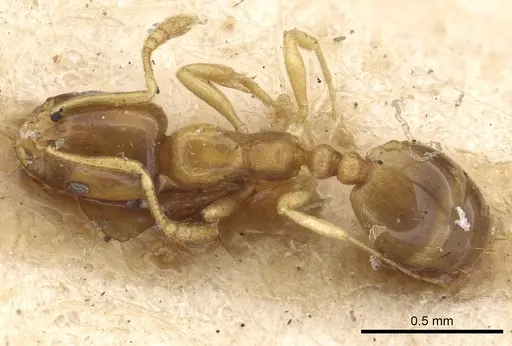
CASENT0902280
View on AntWeb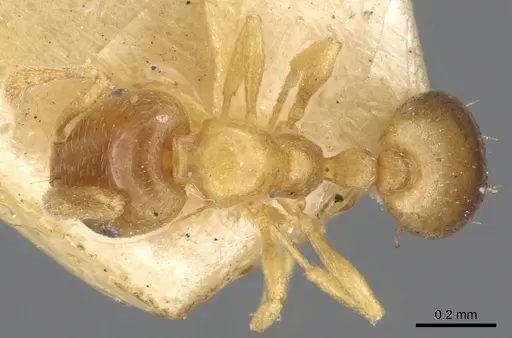
CASENT0904592
View on AntWeb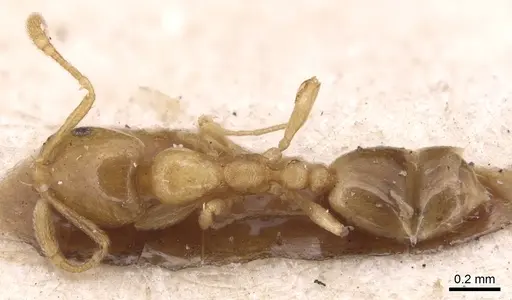
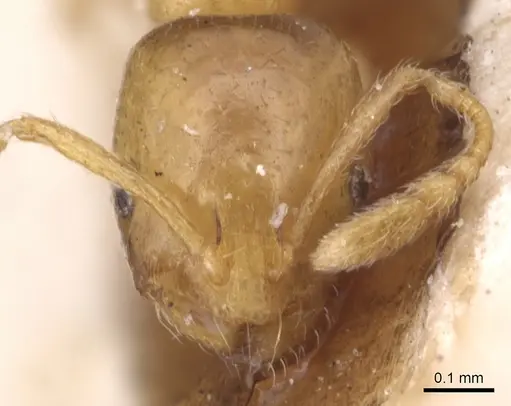
CASENT0908687
View on AntWeb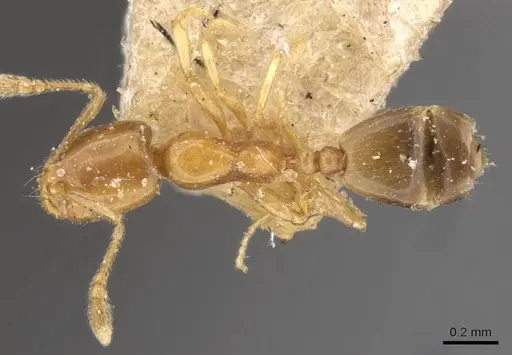
CASENT0913630
View on AntWeb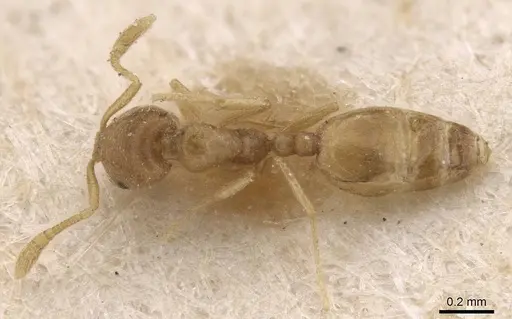
CASENT0917814
View on AntWeb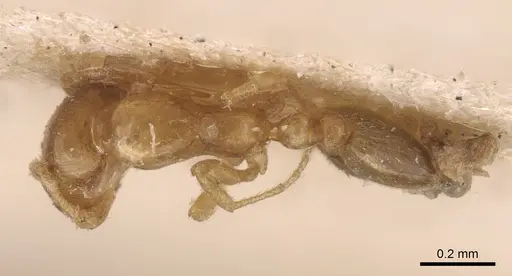
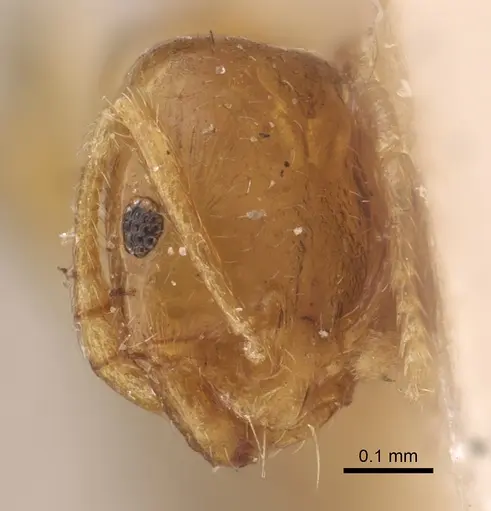
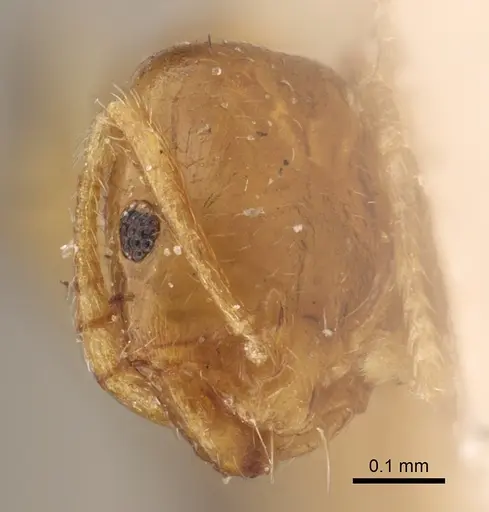
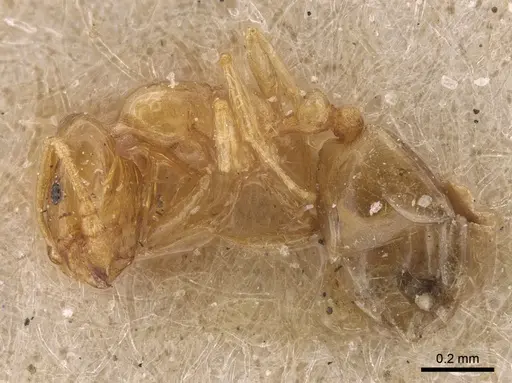
FOCOL0301
View on AntWeb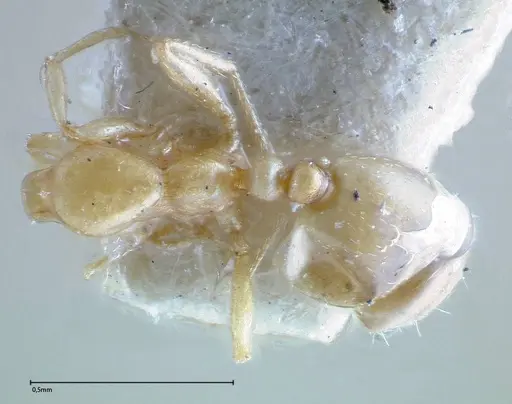
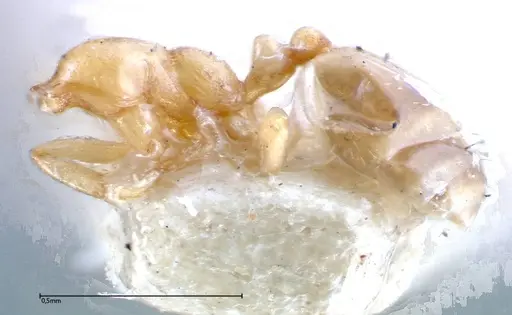
FOCOL0771-1
View on AntWeb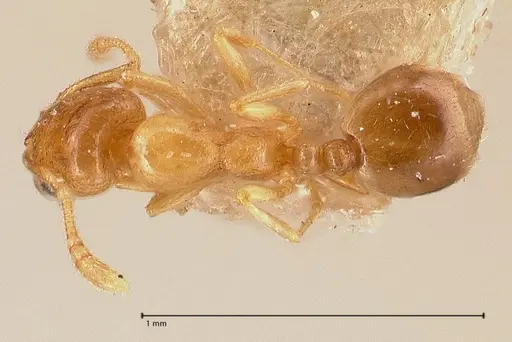
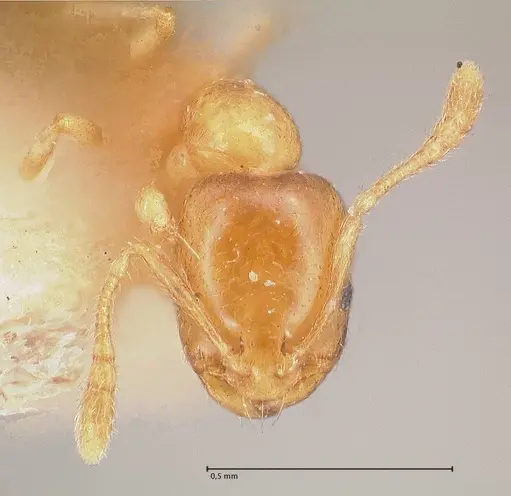
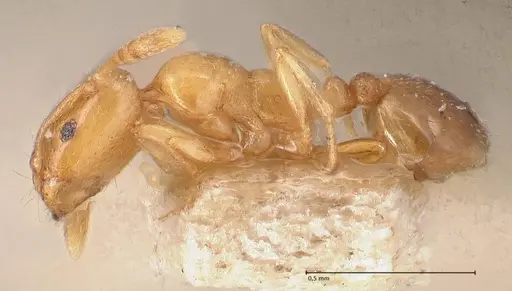
FOCOL0771-2
View on AntWeb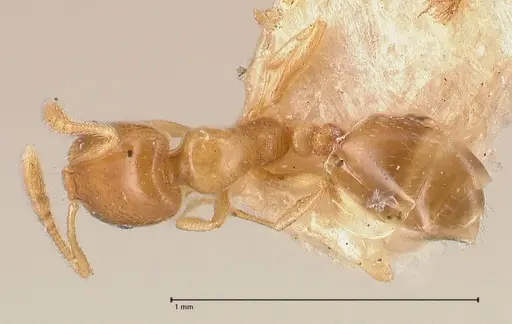
FOCOL1684
View on AntWeb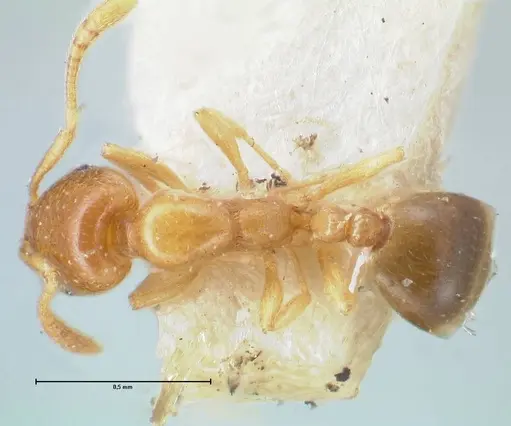
FOCOL1685
View on AntWeb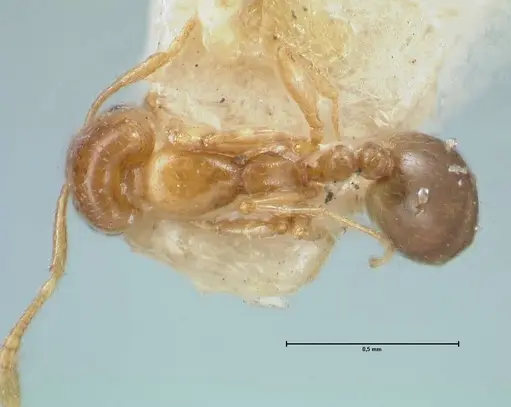
FOCOL1686
View on AntWeb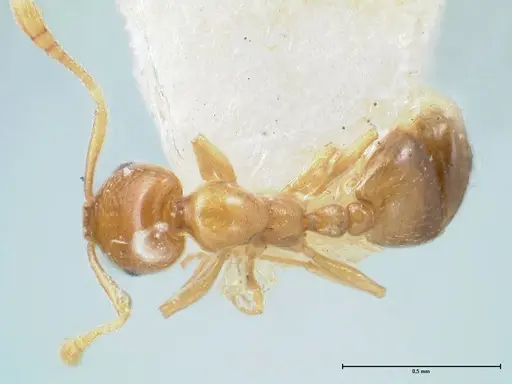
Literature
Loading...Loading products...