

Monomorium alamarum
- Scientific Name
- Monomorium alamarum
- Tribe
- Solenopsidini
- Subfamily
- Myrmicinae
- Author
- Bolton, 1987
- Distribution
- Found in 2 countries
Monomorium alamarum Overview
Monomorium alamarum is an ant species of the genus Monomorium. It is primarily documented in 2 countries , including Namibia, South Africa. Detailed taxonomic data and occurrence records can be further explored via authoritative databases such as AntWeb or the Global Biodiversity Information Facility (GBIF).
Monomorium alamarum
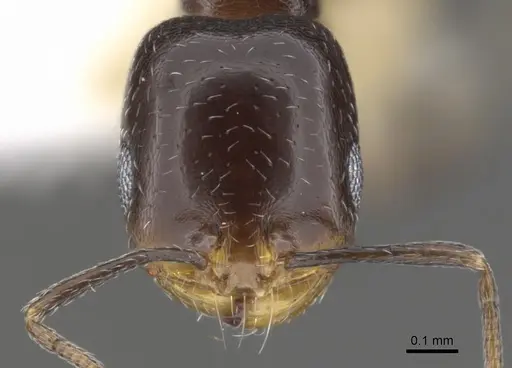
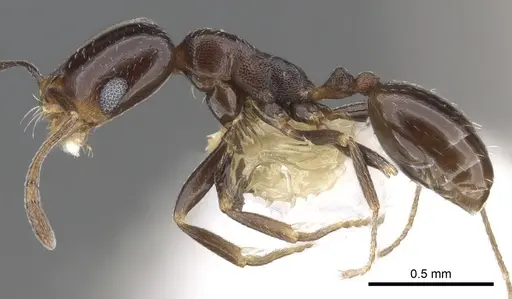
Monomorium alamarum is a tiny desert ant native to the Namib Desert in Namibia. Workers measure just 2.0-2.4mm, making them one of the smaller ant species you'll encounter . They are uniformly dark brown with notably large, conspicuous eyes positioned low on the head sides, these eyes give them a distinctive appearance compared to other Monomorium species. The name 'alamarum' comes from their type locality near Ganab in the Namib Desert .
This species belongs to the Monomorium setuliferum species group, characterized by their lack of standing hairs on the head and body, and fine reticular patterning on the head . They are ground-nesting ants found in desert habitats, particularly saltpan areas where they forage on the ground surface [1]. Their large eyes are thought to help them spot prey and navigate the bright desert environment.
Quick Summary
- Difficulty: Medium
- Origin & Habitat: Namib Desert, Namibia, extreme desert environment with high temperatures and very low humidity [1]
- Colony Type: Colony structure is unconfirmed. Based on typical Monomorium patterns, likely single-queen colonies but this has not been documented for this specific species.
- Size & Growth:
- Queen: Undocumented, workers are 2.0-2.4mm
- Worker: 2.0-2.4mm
- Colony: Unknown, likely small colonies typical of desert Monomorium species
- Growth: Unknown, likely moderate given small worker size
- Development: Estimated 6-8 weeks based on related Monomorium species at optimal temperature (Direct development data not available for this species. Estimates based on genus-level patterns for small Myrmicinae.)
- Antkeeping:
- Temperature: Desert species, keep warm, roughly 24-30°C. They tolerate high temperatures as evidenced by their native habitat [2]. Provide a temperature gradient so ants can self-regulate.
- Humidity: Low, desert species. Keep nest area relatively dry with minimal moisture. Provide a small water tube for drinking but avoid damp substrate.
- Diapause: Unknown, desert species may become less active during extreme heat periods rather than cold. Monitor for seasonal slowdowns.
- Nesting: Naturalistic setup with dry to slightly moist sand/soil works well. Y-tong or acrylic nests with narrow chambers scaled to their tiny 2mm size. Avoid large open spaces.
- Behavior: Foragers are active on the ground surface. Found in saltpan habitats where they monopolize food baits they discover [1]. This suggests aggressive resource defense, expect them to quickly claim and guard food items. Their tiny size means excellent escape prevention is critical, they can squeeze through remarkably small gaps. Not known to sting humans.
- Common Issues: tiny size makes escape likely without fine mesh barriers, desert species may die from excessive humidity, colony size remains small, don't expect massive colonies, limited information means some care aspects are estimates, foraging aggression may cause stress in small setups
Housing and Nest Setup
Because these ants are tiny at only 2.0-2.4mm, you need to scale their housing accordingly. A Y-tong (AAC) nest with very narrow chambers works well, or a small acrylic nest with tight passages. Test tube setups can work but ensure the cotton is packed tightly, these small ants can squeeze through surprisingly small gaps. For a naturalistic setup, use a shallow container with dry sand or a sand-soil mix. The Namib Desert is extremely hot and dry, so err on the side of dry rather than damp. Provide a small water tube or damp cotton ball as a water source, but the nest substrate should be relatively dry. [1]
Feeding and Diet
Monomorium species are typically generalist feeders, eating small insects, seeds, and honeydew. For this tiny desert ant, offer small prey items like fruit flies, pinhead crickets, or other small insects. They may also accept sugar water or honey. Given their desert origin, they likely have efficient water conservation, provide a dedicated water source but don't overdo humidity. Feed small amounts and remove uneaten prey to prevent mold. Their aggressive resource defense means they'll quickly claim any food you add. [1]
Temperature Requirements
As a Namib Desert species, Monomorium alamarum prefers warm conditions. Keep the nest area around 24-30°C, with a slight gradient if possible so workers can choose their preferred temperature. Their native habitat experiences extreme heat, so they can tolerate higher temperatures than most ants, but provide a cooler area to prevent stress. A heating cable on one side of the nest can create this gradient. Avoid cold temperatures below 18°C for extended periods. [2]
Escape Prevention
With workers measuring only 2.0-2.4mm, escape prevention is critical. These ants can squeeze through gaps that seem impossible for their size. Use fine mesh on any ventilation holes, ensure all lids fit tightly, and consider applying a barrier like Fluon around the edges of the outworld. Check for any tiny gaps regularly, these ants are excellent escape artists despite their small foraging range in the wild.
Colony Development
Little is known about the specific development timeline for M. alamarum. Based on related Monomorium species, expect 6-8 weeks from egg to first worker at optimal temperature. The first workers (nanitics) will be smaller than mature workers. Colony growth will likely be slow and steady, don't expect rapid expansion. Maximum colony size is unknown but likely remains modest, perhaps a few hundred workers, which is typical for small desert ants.
Frequently Asked Questions
How long does it take for Monomorium alamarum to produce first workers?
Direct data is not available, but based on related Monomorium species, expect approximately 6-8 weeks from egg to first worker at optimal temperature (around 26-28°C).
Can I keep Monomorium alamarum in a test tube?
Yes, a test tube setup works well for this species. Use a small test tube with a tight cotton plug, their tiny 2mm size means you need to pack the cotton very firmly to prevent escapes.
What do Monomorium alamarum ants eat?
They are generalist feeders. Offer small insects like fruit flies or pinhead crickets, and provide sugar water or honey as an energy source. Remove uneaten food promptly.
Are Monomorium alamarum good for beginners?
They are rated Medium difficulty. Their tiny size and escape risk make them challenging for complete beginners, but their tolerance of varied conditions makes them manageable once you understand escape prevention.
What temperature do Monomorium alamarum need?
Keep them warm at 24-30°C. As desert ants from the Namib Desert, they tolerate heat well but need a temperature gradient to self-regulate.
How big do Monomorium alamarum colonies get?
Maximum colony size is unknown but likely remains modest, probably a few hundred workers at most, which is typical for small desert Monomorium species.
Do Monomorium alamarum need hibernation?
Diapause requirements are unconfirmed. As a desert species, they may reduce activity during extreme heat rather than cold. Monitor your colony for seasonal slowdowns and adjust temperature accordingly.
Why are my Monomorium alamarum escaping?
Their tiny 2mm size allows them to squeeze through remarkably small gaps. Use fine mesh, ensure all lids fit tightly, and apply barrier products like Fluon to prevent escapes.
Can I keep multiple queens together?
Colony structure is unconfirmed for this species. Combining unrelated queens is not recommended since it hasn't been documented and could result in aggression.
References

This caresheet is licensed under CC BY-SA 4.0 .
CASENT0814128
View on AntWeb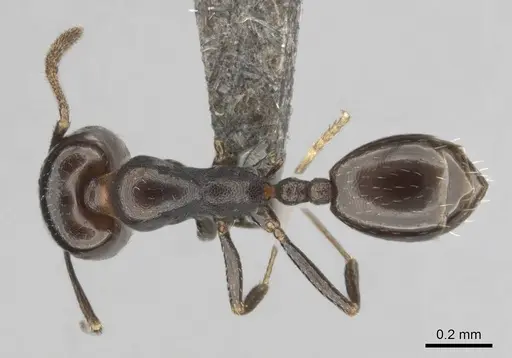
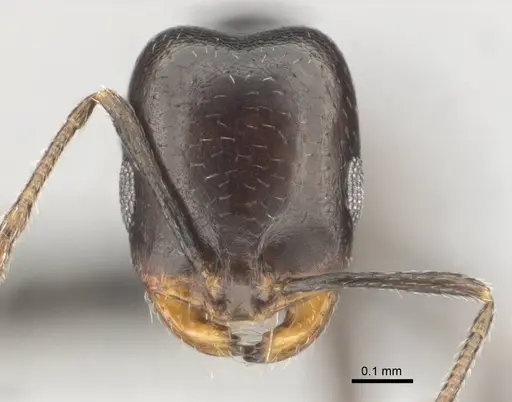
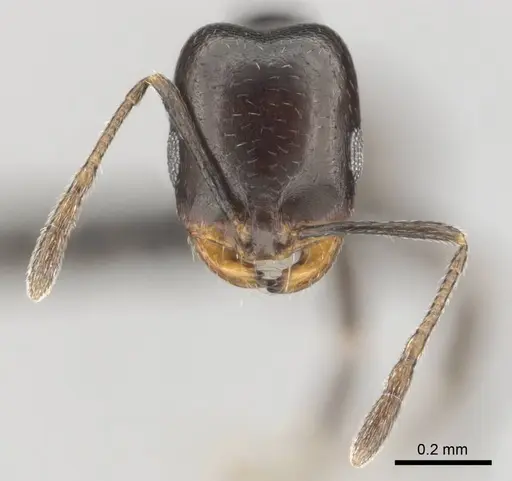
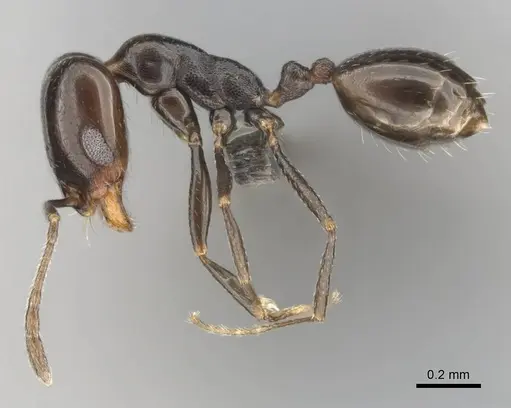
CASENT0902183
View on AntWeb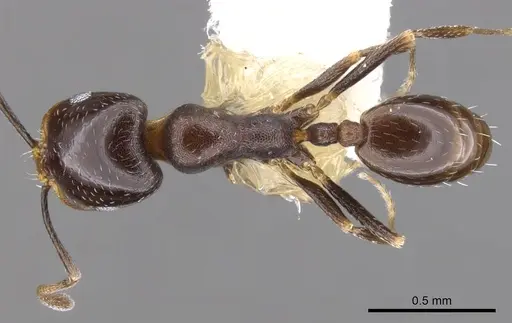
Literature
Loading...Loading products...