

Monomorium afrum
- Scientific Name
- Monomorium afrum
- Tribe
- Solenopsidini
- Subfamily
- Myrmicinae
- Author
- André, 1884
- Distribution
- Found in 18 countries
Monomorium afrum Overview
Monomorium afrum is an ant species of the genus Monomorium. It is primarily documented in 18 countries , including Congo, Democratic Republic of the, Central African Republic. Detailed taxonomic data and occurrence records can be further explored via authoritative databases such as AntWeb or the Global Biodiversity Information Facility (GBIF).
Monomorium afrum - "African Monomorium Ant"
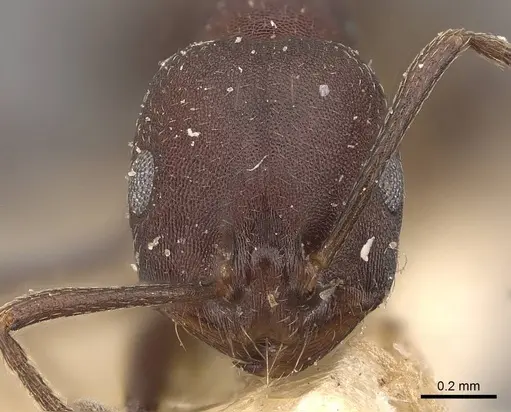
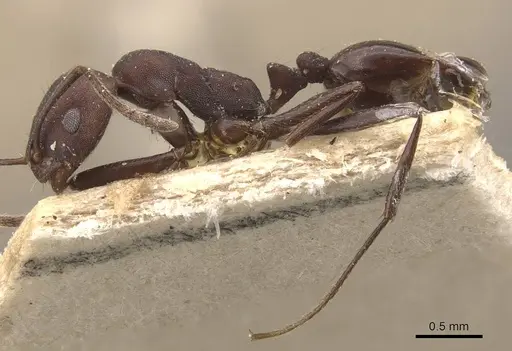
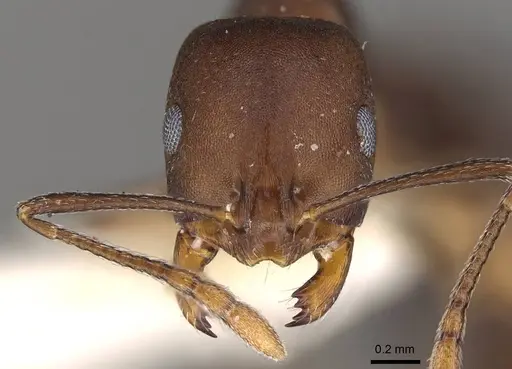
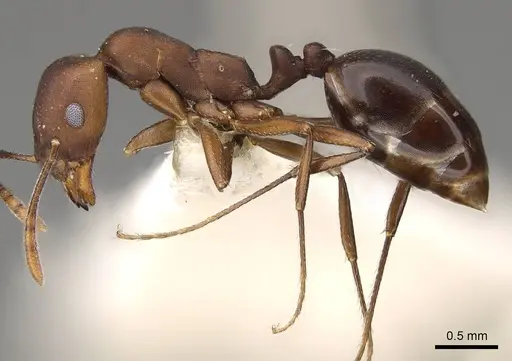
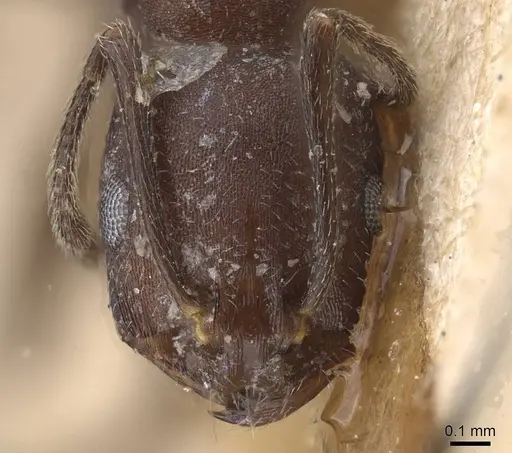
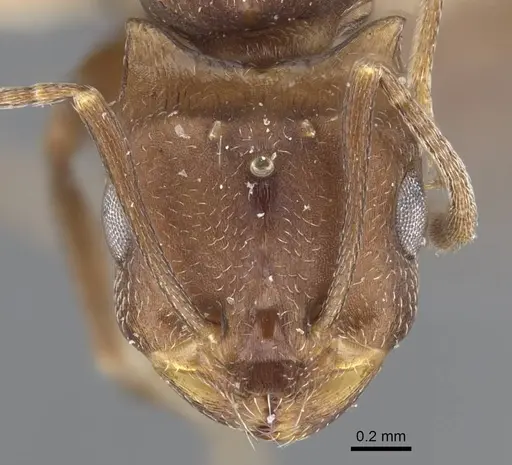
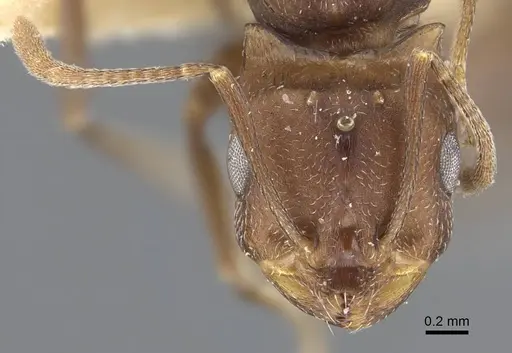
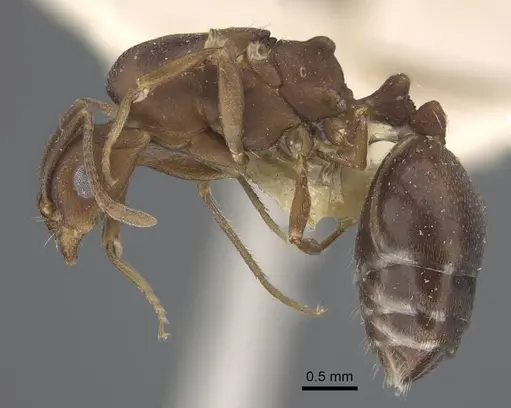
Monomorium afrum is a widely distributed and visually distinct ant species, commonly found across the Sahel region and extending southwards into East Africa. Workers are notably larger for a Monomorium species, typically ranging from 3.6 to 4.3 mm in total length, and are a uniform medium to dark brown color, sometimes with a darker gaster. A key identification feature for this species is the unique shape of its posteroventral occipital angles on the head and a lack of standing hairs on the alitrunk. These ants are primarily ground-nesting, often building populous colonies in exposed, sunny soil, and are known to be opportunistic scavengers, gathering in large numbers around food sources like carrion.
- Difficulty: Medium
- Origin & Habitat: Africa (Sahel and East Africa, including Sudan, Benin, Ethiopia, Kenya, Nigeria, etc.) in Ground nesting in soil, particularly in exposed or sunny situations. Found in diverse habitats such as mango orchards, near rivers, in dry plains (savannah), and among specific trees like Acacia gourmaensis and Terminalia laxiflora. Nests can extend significantly deep into the soil..
- Colony Type: Polygynous (multiple queens), temporary parasitic (queen invades another species' nest) founding.
- Size & Growth:
- Queen: 4.5-5.5mm
- Worker: 3.6-4.3mm
- Colony: Large (tens of thousands) to Supercolony (hundreds of thousands). Fast, forming populous nests with prolific reproduction. growth.
- Antkeeping:
- Temperature: Ideally maintain a temperature range between 24-28°C. They can tolerate slightly lower temperatures down to 20°C and higher temperatures up to 30°C, but consistent warmth is key for optimal growth..
- Humidity: The nest area should have a humidity gradient, with the primary nest chambers maintaining around 50-70% humidity. The outworld can be kept drier to prevent mold and encourage foraging..
- Diapause: Not required. Not specified at Not specified.
- Nesting: In the wild, they construct extensive nests in soil, often in sunny and open areas. For captive antkeeping, formicariums that mimic these conditions are best. They thrive in naturalistic soil setups, Ytong nests, or acrylic nests with deep chambers that allow for a proper humidity gradient. Ensure any chosen nest type offers excellent escape prevention due to their relatively small size and high numbers..
- Behavior: Medium (towards handler), High (towards food/other ants) aggressiveness.
- Common Issues: Escape risk, Mold in nest (if humidity is too high or food is left), Humidity fluctuations (if not managed), Colony stalling (especially during founding or early stages if conditions are not met), Mites.
One fascinating aspect of Monomorium afrum is their founding strategy. The queens are known to exhibit characteristics of socially parasitic species and may initiate new colonies by temporarily invading the nests of other ant species. This temporary social parasitism can make founding a new colony a bit more intricate for antkeepers, as it might require providing a host colony or specific conditions to mimic this natural behavior during the initial establishment phase. Understanding this unique founding process is crucial for successful queen acclimation.
Colony growth with Monomorium afrum can be incredibly rapid once established, leading to genuinely populous nests that can quickly number in the tens of thousands, potentially even reaching supercolony status. This rapid expansion means you'll need to be prepared with ample space and a robust feeding schedule. These colonies are always on the lookout for food, exhibiting strong foraging responses, which makes them quite active and engaging to observe in a well-designed outworld.
Due to their highly prolific nature and relatively small worker size, Monomorium afrum presents a significant escape risk. Antkeepers must implement rigorous containment strategies, such as fluon or talc barriers, and consistently reapply them. If these ants manage to escape, they are adept at establishing satellite nests in household environments, which can quickly become a challenge to manage. Regular checks of your formicarium's escape prevention methods are not just recommended, but essential.
In terms of diet, Monomorium afrum are opportunistic omnivores with a strong scavenging tendency in their natural habitat, often swarming carrion. In captivity, they eagerly accept a varied diet of insect protein (such as pre-killed crickets, mealworms, or roaches to prevent casualties), and various sugar sources like honey-water or sugar water. Offering a diverse nutritional intake will support their rapid colony growth and overall health. They tend to 'swarm' food when the colony is large, making feeding a dynamic spectacle.
Frequently Asked Questions
What kind of formicarium is best for Monomorium afrum?
These ants do well in setups that provide a good humidity gradient, like Ytong nests, acrylic nests with multiple chambers, or naturalistic soil setups where they can dig. The key is ensuring excellent escape prevention, such as fluon barriers on the outworld walls, given their small size and propensity to explore. Consider a nest with deep chambers to simulate their natural underground nests.
How large do Monomorium afrum colonies get?
Once established, Monomorium afrum colonies can grow quite large, easily reaching tens of thousands of workers. With optimal conditions, they have the potential to become supercolonies, housing hundreds of thousands of individuals. Be prepared for rapid growth and a significant increase in population size.
What should I feed my Monomorium afrum colony?
Being omnivorous scavengers, Monomorium afrum thrive on a varied diet. Offer insect protein (like pre-killed crickets, mealworms, or roaches) several times a week, alongside sugar sources such as honey-water or sugar water. They are known to swarm food, so ensure the liquid is soaked into cotton or a feeding dish to prevent drowning.
Do Monomorium afrum sting?
Yes, like many Monomorium species, Monomorium afrum workers possess a functional sting. While their sting is generally not considered medically significant to humans, it can be irritating. Always exercise caution when handling the colony.
Is Monomorium afrum an easy species for beginners?
Monomorium afrum is rated as 'Medium' difficulty. While hardy in terms of environmental tolerance, their temporary socially parasitic founding method and significant escape risk due to their small size make them less ideal for absolute beginners. Keepers with some prior experience in antkeeping, especially with small species, will likely have more success managing them.
Do these ants require diapause?
No, Monomorium afrum originates from tropical and subtropical regions of Africa, where a cold diapause period is not a natural requirement for their life cycle. Maintain consistent warm temperatures year-round for optimal activity and growth.
How fast do Monomorium afrum grow from egg to worker?
The full development from an egg to an adult worker for Monomorium afrum typically takes approximately 5 to 7 weeks, depending on temperature and feeding conditions within the colony. Their relatively quick brood cycle contributes to their fast colony growth rate.
Can Monomorium afrum queens found a colony alone?
The queens of Monomorium afrum are described as temporary social parasites. This means they may not be able to found a colony completely alone; instead, they often rely on invading an existing nest of another ant species to establish their own colony. This can present a unique challenge for antkeepers attempting to found a new colony from a single queen.
What temperatures are best for Monomorium afrum?
For optimal health and development, aim for a temperature range of 24-28°C (75-82°F) in their nesting area. As they come from warm climates, consistency within this range will encourage steady brood development and colony activity.
Are Monomorium afrum prone to escaping?
Yes, Monomorium species, including M. afrum, are notorious escape artists due to their small size and exploratory nature. Implementing and regularly maintaining robust escape prevention methods, such as fluon or barrier oils on the outworld walls, is absolutely critical to keep them contained within your setup.
Do these ants have different worker castes?
Information suggests Monomorium afrum primarily has a monomorphic worker caste, meaning workers are generally similar in size and appearance, without distinct major or soldier castes. All workers contribute to foraging, brood care, and nest maintenance.
What are the common issues faced when keeping Monomorium afrum?
The most common challenges include preventing escapes, managing humidity to avoid mold growth (especially in their populous nests), and ensuring a consistent food supply for their fast-growing colonies. New queen founding can also be tricky due to their temporary social parasitic nature.

This caresheet is licensed under CC BY-SA 4.0 .
CASENT0810817
View on AntWeb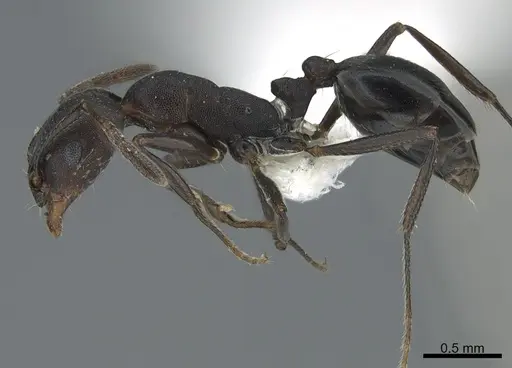
CASENT0902191
View on AntWeb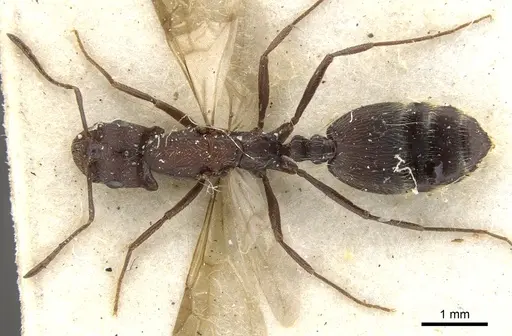
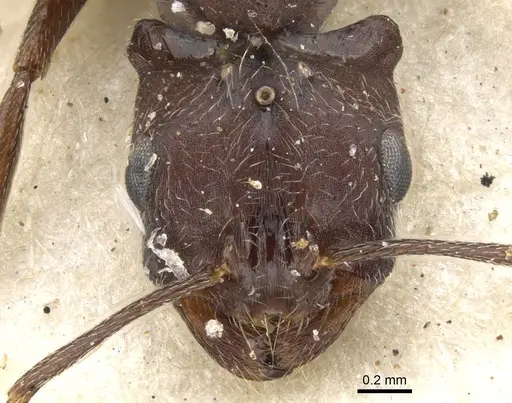
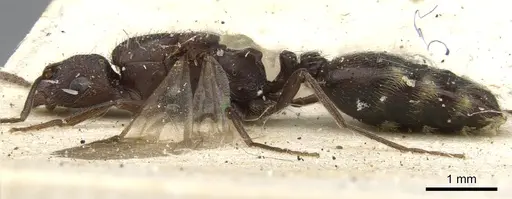
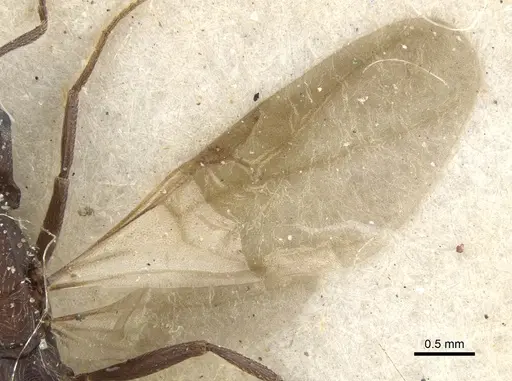
CASENT0908723
View on AntWeb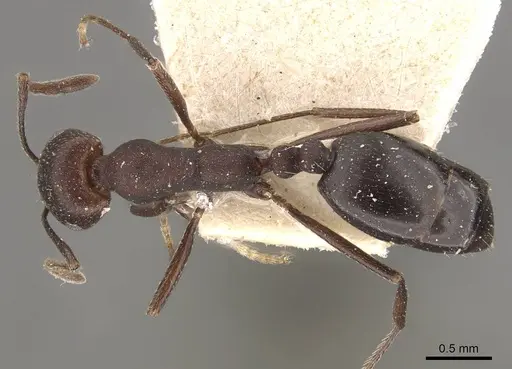
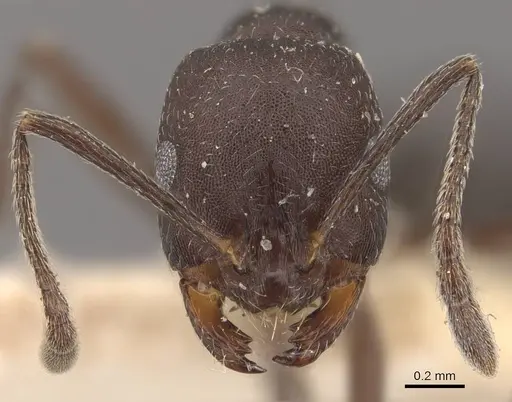
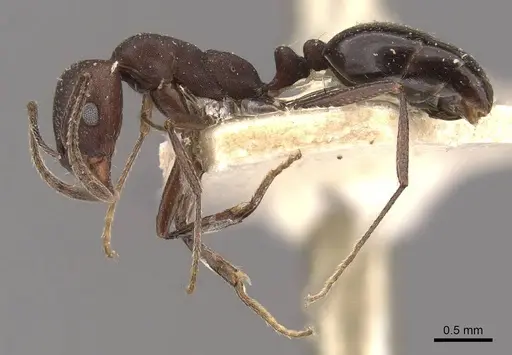
CASENT0908724
View on AntWeb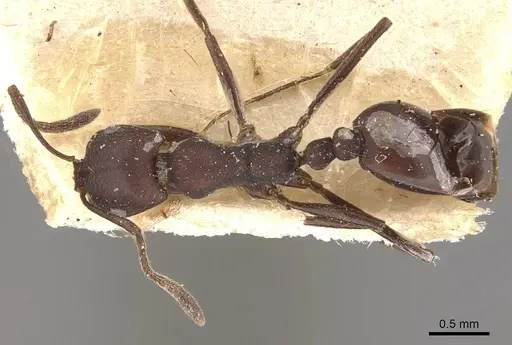
CASENT0914160
View on AntWeb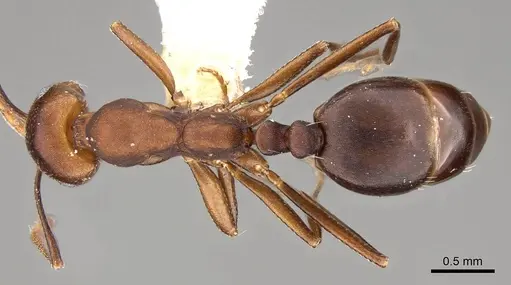
CASENT0915412
View on AntWeb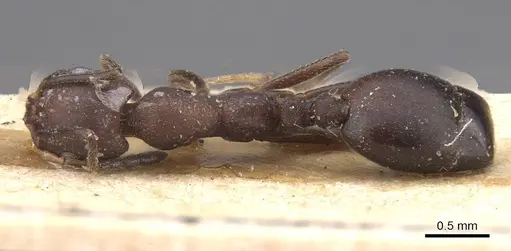
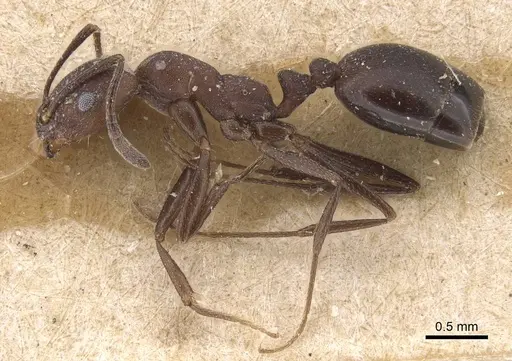
CASENT0916998
View on AntWeb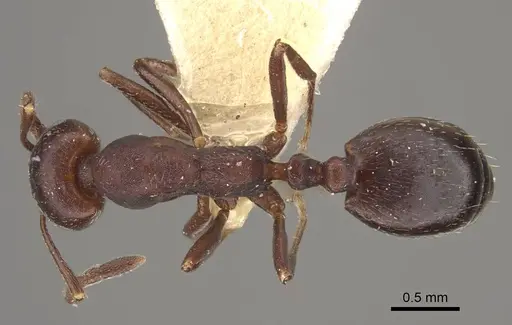
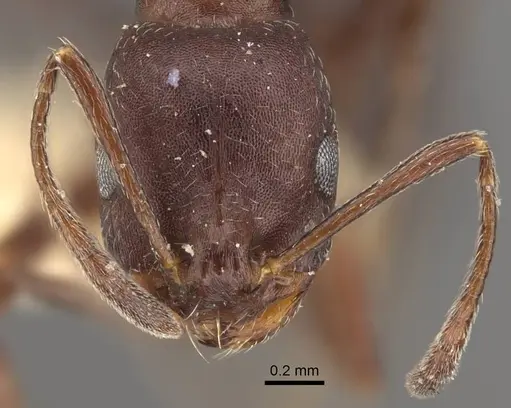
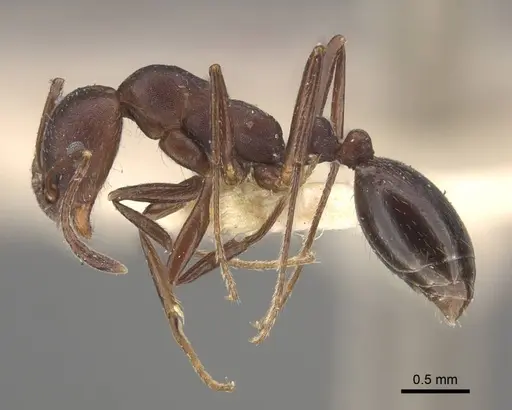
CASENT0916999
View on AntWeb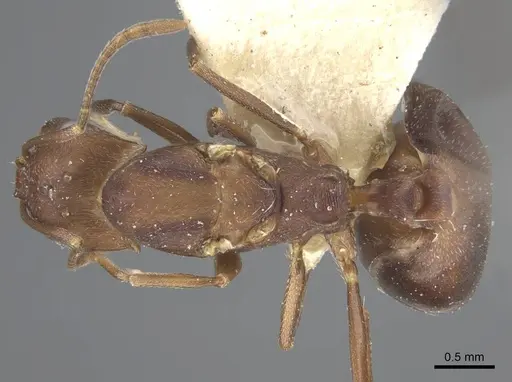
Literature
Loading...Loading products...