

Monomorium affabile
- Scientific Name
- Monomorium affabile
- Tribe
- Solenopsidini
- Subfamily
- Myrmicinae
- Author
- Santschi, 1926
- Distribution
- Found in 1 countries
Monomorium affabile Overview
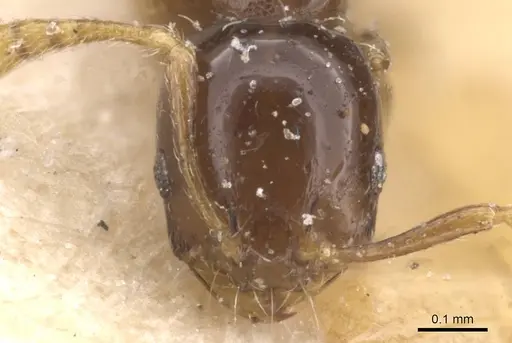
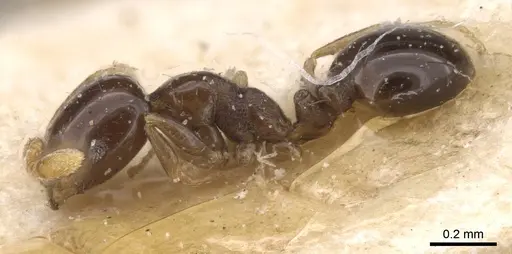
Monomorium affabile is an ant species of the genus Monomorium. It is primarily documented in 1 countries , including Tanzania, United Republic of. Detailed taxonomic data and occurrence records can be further explored via authoritative databases such as AntWeb or the Global Biodiversity Information Facility (GBIF).
Monomorium affabile
Monomorium affabile is a small ant species endemic to the Democratic Republic of Congo, specifically recorded in the Nord-Ubangi region [1]. Workers are tiny, typically measuring 2-4mm, with the genus characterized by a single waist segment (petiole) and generally pale to dark brown coloration. As a tropical African species, they inhabit forested regions in central Africa where they likely nest in soil, under stones, or in decaying wood. The genus Monomorium contains many species known for their small size and flexible colony structures, though specific details for M. affabile remain poorly documented.
Quick Summary
- Difficulty: Unknown
- Origin & Habitat: Democratic Republic of Congo, Nord-Ubangi region. Endemic to this area of central Africa [1]. Likely inhabits tropical forest environments with moderate to high humidity.
- Colony Type: Unconfirmed, colony structure has not been documented for this species. Many Monomorium species are monogyne (single queen), but polygyne colonies occur in some species within the genus.
- Size & Growth:
- Queen: Estimated 5-7mm based on genus patterns [1]
- Worker: Estimated 2-4mm based on genus patterns [1]
- Colony: Unknown, no colony size data available for this species
- Growth: Unknown
- Development: Estimated 4-8 weeks based on typical Monomorium development at tropical temperatures (Development timeline is inferred from genus patterns, direct observations for this species are lacking)
- Antkeeping:
- Temperature: Estimated 22-28°C based on tropical African distribution. Start in the mid-20s and observe colony activity.
- Humidity: Likely requires moderate to high humidity (60-80%) typical of tropical forest species. Keep substrate consistently moist but not waterlogged.
- Diapause: Unlikely, as a tropical species from central Africa, they probably do not require a diapause period. However, some seasonal slowing may occur during cooler periods.
- Nesting: Natural nesting habits unconfirmed. Likely prefers moist substrate in test tubes or plaster nests. Given their small size, narrow chambers and tight-fitting connections are essential.
- Behavior: Behavior is unstudied for this species. Based on genus patterns, they are likely generalist feeders accepting both sugar sources and small protein items. Their small size makes them capable of escaping through standard barriers, fine mesh and tight seals are essential. Temperament is likely non-aggressive, typical of most Monomorium species.
- Common Issues: escape prevention is critical due to their tiny size, they can squeeze through the smallest gaps, lack of species-specific care data means keepers must rely on genus-level estimates, humidity control may be challenging as tropical species are sensitive to drying, slow growth or colony failure may occur if conditions don't match their natural habitat, wild-caught colonies may carry parasites or pathogens unfamiliar to captive care
Species Background and Distribution
Monomorium affabile is an endemic ant species from the Democratic Republic of Congo, specifically recorded in the Nord-Ubangi region in the northern part of the country [1]. This species was originally described by Santschi and has been referenced in taxonomic works by Bolton [1]. The Democratic Republic of Congo features a tropical climate with dense forest coverage, suggesting this species likely inhabits similar ecological zones. Very little scientific research exists on this specific species, making it one of the many poorly documented African ants. Keepers interested in this species should be prepared for a learning curve, as most care information must be inferred from related species within the genus.
Housing and Nest Setup
Due to their small size (estimated 2-4mm for workers), Monomorium affabile requires housing scaled to their tiny dimensions. Test tube setups work well for founding colonies, use a small diameter tube with a tight-fitting water reservoir. The nest material should remain consistently moist but never waterlogged. For established colonies, a plaster or acrylic nest with narrow chambers (3-5mm passage width) works best. Escape prevention is critical, these tiny ants can squeeze through gaps that seem impossible. Apply Fluon or similar barriers to all edges and use fine mesh (at least 0.5mm) on any ventilation openings. A small outworld area allows for feeding while containing the colony.
Temperature and Humidity
As a tropical species from central Africa, Monomorium affabile likely prefers temperatures in the 22-28°C range. Room temperature (around 24°C) is probably suitable for most of the year. If colony activity seems low, a gentle heat gradient using a heating cable on one side of the nest can help. For humidity, aim for 60-80% relative humidity within the nest, this matches the damp conditions of tropical forest floors where many Monomorium species nest. Monitor substrate moisture regularly and rehydrate when the surface begins drying. Avoid placing the nest near air conditioning or heating vents that could cause rapid drying.
Feeding and Diet
Based on typical Monomorium feeding patterns, this species likely accepts a varied diet including sugar sources (honey water, sugar water) and protein (small insects, mealworms, fruit flies). Feed sugar water constantly using a cotton ball or small container, and offer protein prey 2-3 times per week. Remove uneaten prey within 24-48 hours to prevent mold. Given their small size, prey items should be appropriately sized, fruit flies, pinhead crickets, or small mealworm pieces work well. Some Monomorium species also eat seeds, but this is not confirmed for M. affabile.
Colony Development and Growth
No specific development data exists for Monomorium affabile. Based on genus patterns for similar small Myrmicinae ants in tropical conditions, expect egg-to-worker development to take approximately 4-8 weeks at optimal temperatures. The first workers (nanitics) will likely be smaller than mature workers. Growth rate is unknown but likely moderate for a tropical species. Colonies may remain small (under 100 workers) given the limited data on maximum colony sizes for this species. Patience is essential, small colonies grow slowly and may take months to reach significant numbers.
Frequently Asked Questions
How long does it take for Monomorium affabile to produce first workers?
The egg-to-worker timeline is not directly documented for this species. Based on typical Monomorium development patterns in tropical conditions, expect approximately 4-8 weeks from egg to first worker. This is an estimate, actual timing depends on temperature and colony health.
What do Monomorium affabile ants eat?
While not specifically studied, Monomorium species are generalist feeders. Offer sugar water or honey regularly, and supplement with small protein sources like fruit flies, small mealworms, or other tiny insects. Remove uneaten food promptly to prevent mold.
Do Monomorium affabile ants need hibernation?
Probably not. As a tropical species from the Democratic Republic of Congo, they likely do not require a winter dormancy period. They may show reduced activity during cooler periods, but a full hibernation is not recommended.
Can I keep multiple queens together in a Monomorium affabile colony?
This has not been studied for this specific species. Many Monomorium species are monogyne (single queen), but some can be polygyne. Without documented evidence, combining unrelated queens is not recommended.
How big do Monomorium affabile colonies get?
Colony size data is not available for this species. Based on similar small Monomorium species, colonies likely reach several dozen to a few hundred workers. They are not among the large colony-forming ants.
What temperature should I keep Monomorium affabile at?
Based on their tropical African distribution, aim for temperatures in the 22-28°C range. Room temperature (around 24°C) is typically suitable. Observe colony behavior, if they cluster near heat sources, increase temperature slightly.
Are Monomorium affabile ants aggressive?
Aggression levels have not been documented for this species. Most Monomorium species are relatively docile and non-aggressive. However, they may defend their nest if threatened.
How do I prevent Monomorium affabile from escaping?
Escape prevention is critical due to their very small size. Use fine mesh (0.5mm or smaller), apply Fluon or similar barriers to all edges and openings, and ensure all lids and connections are tight-fitting. Check enclosures daily for any gaps.
Is Monomorium affabile suitable for beginners?
Difficulty level cannot be determined due to lack of species-specific care data. Keepers should have experience with small tropical ants before attempting this species, as much of the care must be inferred from genus patterns rather than documented observations.
References

This caresheet is licensed under CC BY-SA 4.0 .
CASENT0235532
View on AntWeb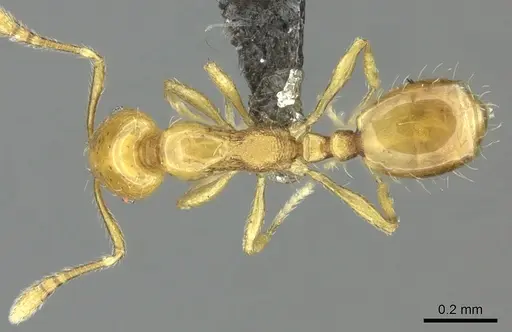
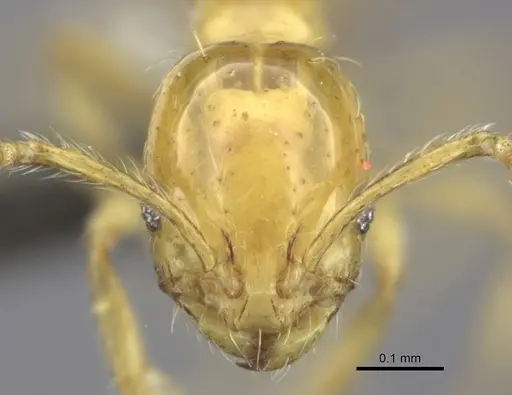
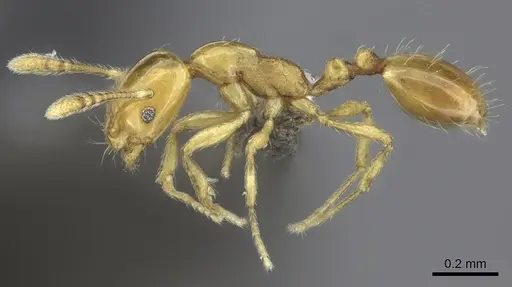
CASENT0913548
View on AntWeb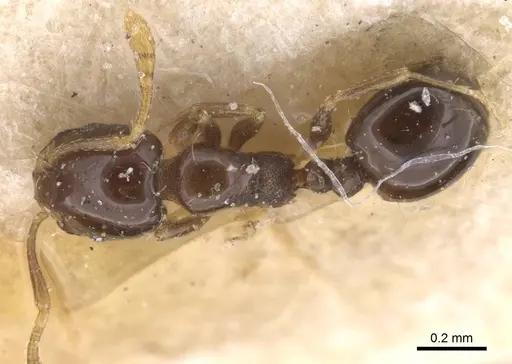
Literature
Loading...Loading products...