

Metapone manni
- Scientific Name
- Metapone manni
- Tribe
- Crematogastrini
- Subfamily
- Myrmicinae
- Author
- Taylor & Alpert, 2016
- Distribution
- Found in 1 countries
Metapone manni Overview
Metapone manni is an ant species of the genus Metapone. It is primarily documented in 1 countries , including Fiji. Detailed taxonomic data and occurrence records can be further explored via authoritative databases such as AntWeb or the Global Biodiversity Information Facility (GBIF).
Metapone manni
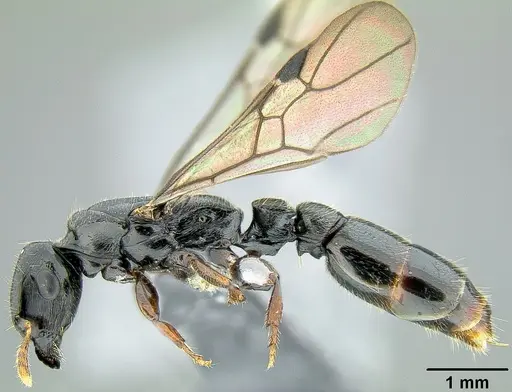
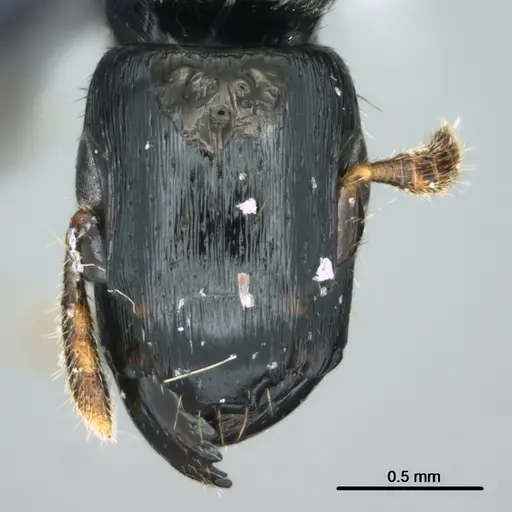
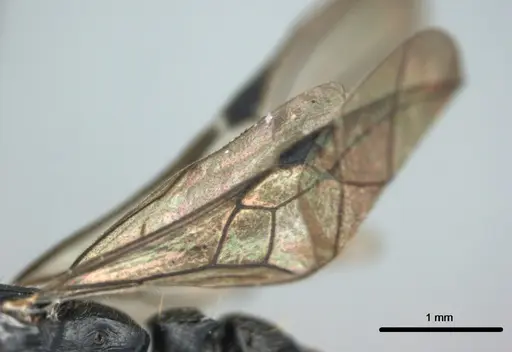
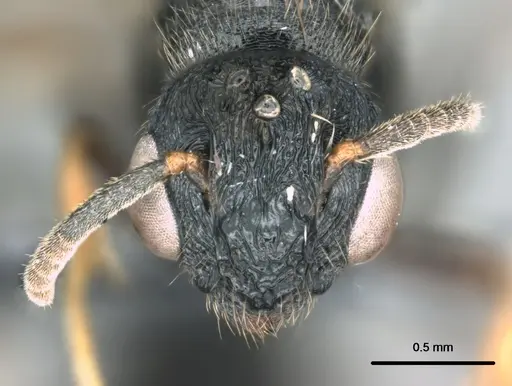
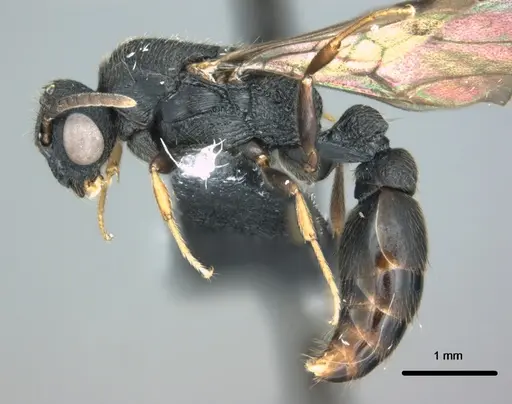
Metapone manni is an extremely rare myrmicine ant known only from a single queen collected in the highlands of Viti Levu, Fiji. Queens measure approximately 7.1-7.4mm in total length, making them a medium-sized ant [1]. The genus Metapone is characterized by unusual mouthpart structures and a distinctive clypeal shape, the anteromedian section extends forward slightly beyond its lateral margins with a narrow, tab-like appearance [1]. This species was formally described in 2016 and named in honor of William M. Mann, a pioneering researcher of Fijian ants [1]. The single known specimen was collected at 850m elevation in March 1963,representing one of the rarest ant species in the world with virtually no biological data available.
Quick Summary
- Difficulty: Expert
- Origin & Habitat: Fiji Islands (Viti Levu), specifically from Nadarivatu at 850m elevation. The highland forest habitat at this elevation suggests cooler, more humid conditions than the tropical lowlands [1].
- Colony Type: Unknown, only a single queen has ever been collected. No workers, colonies, or biological observations exist in scientific literature. The colony structure cannot be determined from available data.
- Size & Growth:
- Queen: 7.1-7.4mm total length [1]
- Worker: Unknown, workers have never been described
- Colony: Unknown
- Growth: Unknown
- Development: Unknown, no development data exists for this species (No observations of founding, brood development, or colony growth have been documented)
- Antkeeping:
- Temperature: Estimated 20-25°C based on highland Fiji location. No direct data exists, start in the mid-range and observe colony behavior.
- Humidity: Likely requires higher humidity (60-80%) given the cloud forest elevation. Keep substrate consistently moist but not waterlogged.
- Diapause: Unknown, no seasonal data available. The March collection date suggests possible nuptial flights around late summer.
- Nesting: Unknown, no natural nesting observations exist. Related Metapone species typically nest in soil or rotting wood. A naturalistic setup with moist substrate and narrow chambers would be a reasonable starting point.
- Behavior: Behavior is completely unstudied. No observations of aggression, foraging, or escape tendencies exist. Given the lack of data, assume standard Myrmicinae behavior until proven otherwise.
- Common Issues: no biological data exists, this is one of the least known ant species in the world, only a single specimen has ever been collected, making any care recommendations speculative, workers have never been described, so colony establishment from wild queens is impossible, no information on founding behavior, diet, or temperature tolerance, attempting to keep this species would be purely experimental with no established protocols
Why Metapone manni Is Extremely Difficult to Keep
Metapone manni represents one of the most poorly known ant species on Earth. The entire scientific knowledge consists of a single queen collected in 1963, no workers, no colonies, no biological observations, nothing. This is not a species you can realistically keep. There are no established care protocols, no known food preferences, no documented temperature tolerance, and no way to obtain workers since they've never been described. Even if you somehow acquired a founding queen, there would be no guidance on how to successfully raise her brood. This species exists primarily as a taxonomic curiosity rather than a viable antkeeping project. [1]
What We Know About the Genus Metapone
The genus Metapone contains approximately 20 described species distributed primarily in the Australasian region, with concentrations in New Guinea and the Pacific islands. These are rarely encountered ants that appear to prefer highland or forested habitats. The genus is characterized by unusual mandible structures and a distinctive clypeal shape that distinguishes it from other Myrmicinae. However, biological observations across the entire genus are sparse. Most species are known only from occasional queen collections, with workers rarely encountered. This suggests Metapone colonies are small, cryptic, or found in microhabitats that are difficult to sample. [1]
The Challenge of Rare Ant Species
This species highlights a broader challenge in antkeeping: many ant species are scientifically described but practically unknown in captivity. Metapone manni is not alone, hundreds of ant species exist only in museum collections, their biology never studied. For most antkeepers, these species represent interesting reading rather than realistic keeping projects. The antkeeping hobby typically relies on species that have been studied in captivity or at least observed in the wild. For Metapone manni, even basic questions like what they eat, how many workers a mature colony has, or whether they sting cannot be answered. This isn't a gap in research, it's a fundamental absence of any data. [1]
Alternatives for Interested Antkeepers
If the challenge of Metapone manni appeals to you, consider working with other rare or poorly studied species that at least have some available care information. Related genera like Crematogaster (which share the same tribe Crematogastrini) have established care protocols and are regularly available. Alternatively, look into other Pacific-region species that share similar highland habitats, these may offer the challenge of working with less common species while still having some baseline knowledge to work from. The antkeeping community values documentation, so even species with limited existing data can contribute to collective knowledge if you maintain careful notes on behavior, feeding, and development.
Frequently Asked Questions
Can I keep Metapone manni in captivity?
No, this species cannot be kept. Only a single queen has ever been collected, workers have never been described, and no biological data exists. There is no way to obtain or establish a colony of this species.
Where does Metapone manni live?
This species is known only from Nadarivatu on Viti Levu, Fiji, collected at 850m elevation in 1963. The highland location suggests cloud forest habitat with cooler temperatures and higher humidity than the tropical lowlands.
What do Metapone manni ants eat?
Unknown, no feeding observations exist for this species or virtually any Metapone species. Related Myrmicinae ants typically eat a mix of sugars and protein (insects), but specific preferences are unstudied.
How big do Metapone manni colonies get?
Unknown, workers have never been described or observed. Colony size data does not exist for this or most Metapone species.
Do Metapone manni ants sting?
Unknown, no defensive behavior has been documented. Most Myrmicinae have stingers, but whether this species uses them is unstudied.
What temperature should I keep Metapone manni at?
No specific data exists. The highland Fiji location suggests cooler conditions, possibly 20-25°C as a starting estimate. However, without any colony to observe, this is purely speculative.
Is Metapone manni a good species for beginners?
No, this species cannot be kept at all. It is known only from a single museum specimen with no biological data. Even experienced antkeepers would have no framework for establishing a colony.
How do I start a Metapone manni colony?
You cannot. Workers of this species have never been described, and no colony has ever been found or documented. There is no established method to start a colony of this species.
Does Metapone manni need hibernation?
Unknown, no seasonal behavior has been documented. The March collection date from 850m elevation suggests possible seasonal activity patterns, but this is purely speculative.
Are Metapone manni queens claustral?
Unknown, founding behavior has never been observed for this species. The typical pattern for Myrmicinae is claustral founding (queen seals herself in and lives off stored fat), but this cannot be confirmed for M. manni.
References

This caresheet is licensed under CC BY-SA 4.0 .
CASENT0181681
View on AntWeb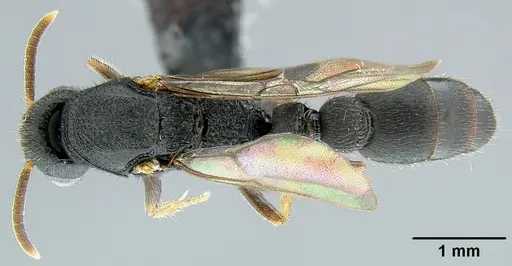
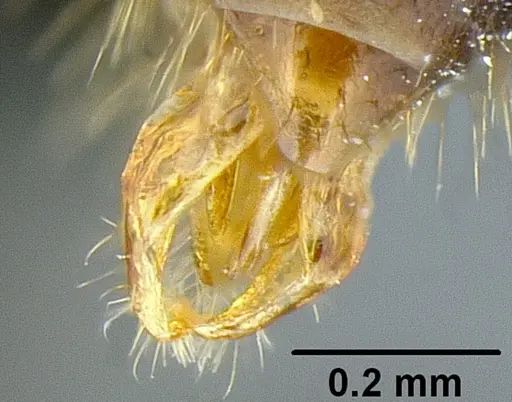
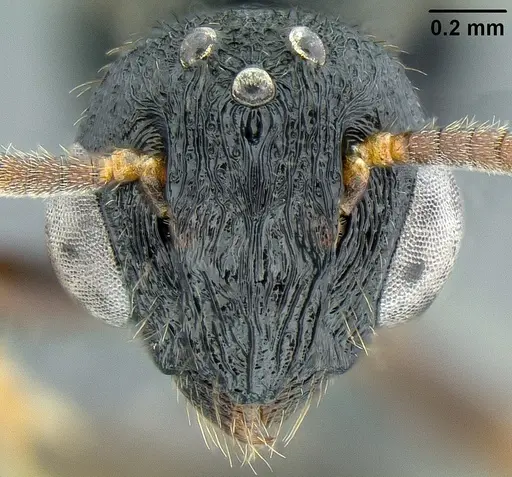
CASENT0181798
View on AntWeb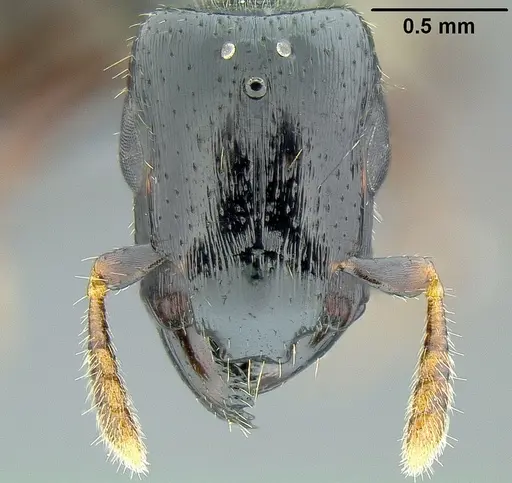
CASENT0181802
View on AntWeb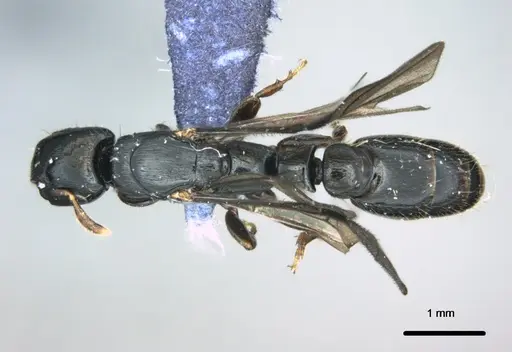
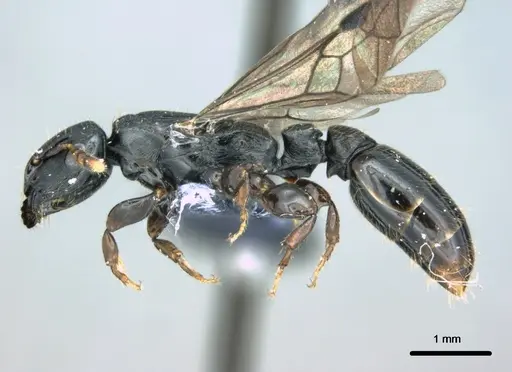
CASENT0181832
View on AntWeb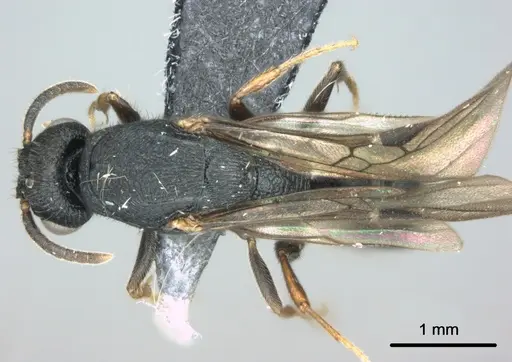
Literature
Loading...Loading products...