

Metapone emersoni
- Scientific Name
- Metapone emersoni
- Tribe
- Crematogastrini
- Subfamily
- Myrmicinae
- Author
- Gregg, 1958
- Distribution
- Found in 1 countries
Metapone emersoni Overview
Metapone emersoni is an ant species of the genus Metapone. It is primarily documented in 1 countries , including Madagascar. Detailed taxonomic data and occurrence records can be further explored via authoritative databases such as AntWeb or the Global Biodiversity Information Facility (GBIF).
Metapone emersoni
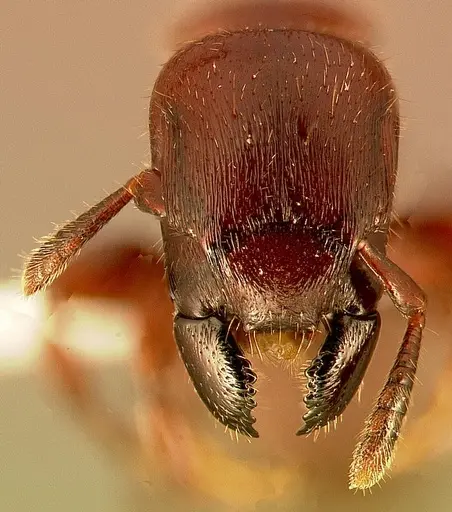
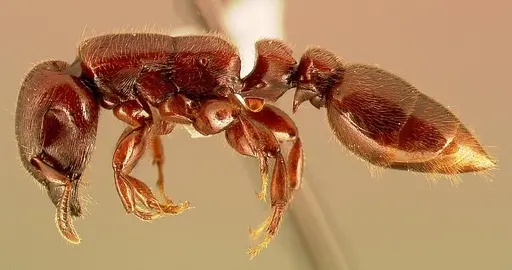
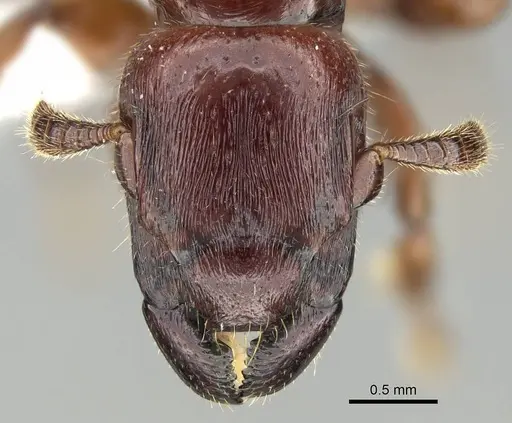
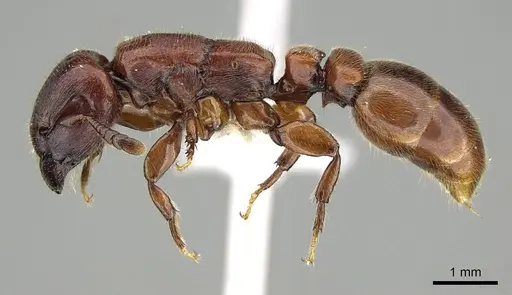
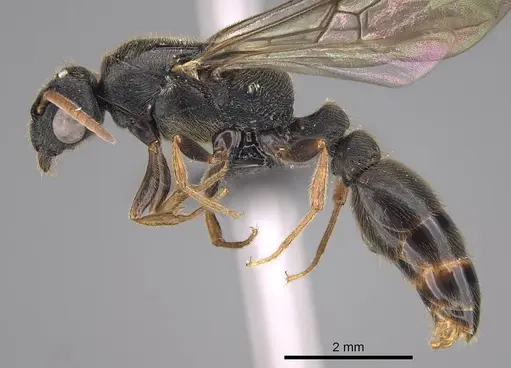
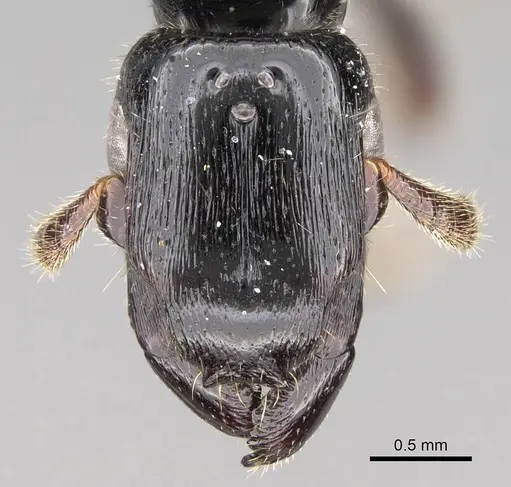
Metapone emersoni is an extremely rare myrmicine ant from Madagascar, known only from a handful of specimens collected over several decades. Workers are tiny at just 1.2mm total length, with distinctive morphological features including a very wide petiolar node and an extended postpetiolar sternite that appears spinous in side view [1]. The species is characterized by the entire anterior clypeal border without median denticles and anteriorly converging lateral clypeal margins [1]. This ant remains one of the most poorly known Malagasy ants, with no confirmed colony observations and only a single unverified queen specimen ever collected [2].
These ants inhabit Madagascar's wet rainforest environments, having been collected from Perinet at 895m elevation and Mantadia National Park. They nest in decaying wood, specifically rotten logs and elevated dead branches, demonstrating a preference for arboreal microhabitats within the forest ecosystem [2].
Quick Summary
- Difficulty: Expert
- Origin & Habitat: Madagascar, wet rainforest habitats at Perinet and Mantadia National Park,895m elevation [1][2]
- Colony Type: Colony structure unconfirmed, only two workers and one unverified queen ever collected [2]
- Size & Growth:
- Queen: Unknown, single queen collected but not confirmed associated with workers [2]
- Worker: 1.2mm total length (MSL 1.20,HW 0.75) [1]
- Colony: Unknown, no colonies have ever been observed [2]
- Growth: Unknown, no development data available
- Development: Unknown, no development data available (No colony observations exist for this species)
- Antkeeping:
- Temperature: Likely 22-26°C based on Madagascar rainforest habitat, start in this range and observe colony activity
- Humidity: High humidity required, rainforest species collected from moist rotting wood [2]
- Diapause: Unknown, tropical species may not require hibernation
- Nesting: Likely prefers moist, naturalistic setups with rotting wood or similar materials. Test tube setups may work but monitor for drying.
- Behavior: Behavior is completely unstudied in captivity. Based on collection data showing association with termites, they may be predatory or termitophagous. Their tiny size and morphology suggest they may be specialized predators. Escape prevention is critical given their very small size.
- Common Issues: no captive colonies exist, this species has never been kept in captivity, extremely limited distribution and specimen availability, colony structure and founding behavior completely unknown, diet requirements are entirely unknown, no development or growth data available
Why Metapone emersoni is an Advanced Species
This ant is NOT recommended for any keeper regardless of experience level. Metapone emersoni represents one of the most poorly documented ant species in the world, only two workers have ever been observed in the scientific literature, collected in 1935 and 1998 [2]. No colony has ever been found, no queen has been confirmed in association with workers, and absolutely no captive husbandry information exists. There is no data on what they eat, how they reproduce, what temperature they need, or any basic biology. Keeping this species would essentially be experimental conservation work with zero guidance. Additionally, their extremely limited known range in Madagascar raises serious concerns about export legality and collection impact on wild populations.
Distribution and Habitat
Metapone emersoni is known only from two locations in eastern Madagascar. The type locality is 12 miles from Perinet (18°55'S,48°25'E), and a single worker was later collected from Mantadia National Park (18°47′30″S,48°25′36″E) at 895m elevation in rainforest [2]. Both collection sites are in wet, humid rainforest environments at moderate elevation. Specimens have been collected from rotting logs and from a dead branch above ground, indicating they nest in moist decaying wood in forest interiors [2]. The species appears to be extremely rare or locally distributed, with no specimens collected in recent extensive ant surveys of Madagascar.
Identification and Morphology
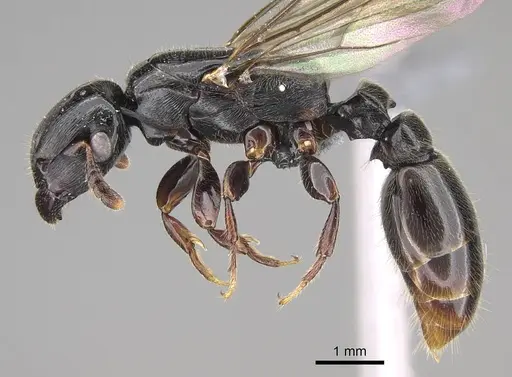
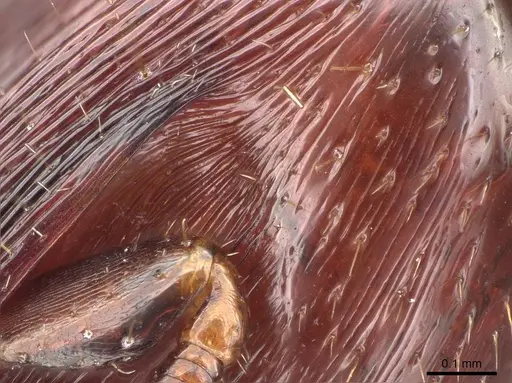
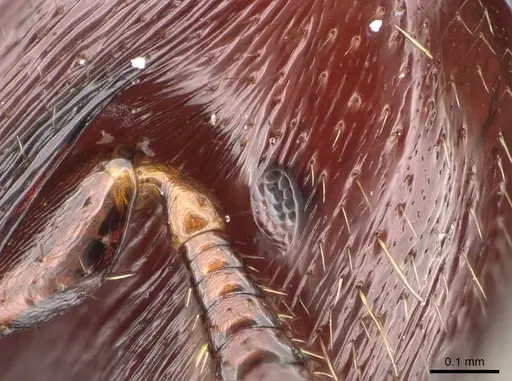
Workers are tiny at only 1.2mm total length (mesosoma length 1.20mm, head width 0.75mm) [1]. The most distinctive features are the very wide petiolar node (approximately twice as wide as long from above) and the extended postpetiolar sternite which appears as a stout, ventrally directed spine in profile view [2]. The clypeus has an entire anterior border without median denticles, and the lateral margins converge anteriorly [1]. Eyes are relatively large compared to the related M. madagascarica. The subpetiolar process has a lamellate extension that is approximately semi-circular [1]. These morphological features are used to distinguish M. emersoni from other Metapone species in Madagascar.
What We Don't Know
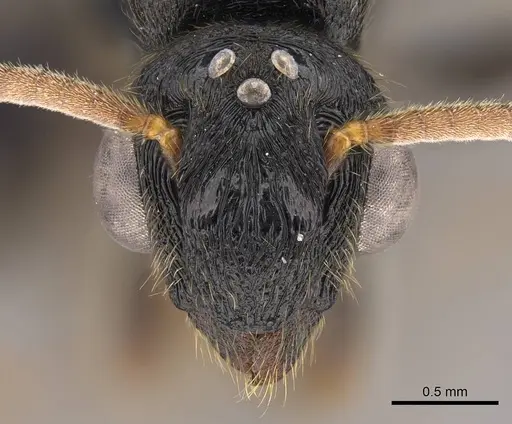
The gaps in our knowledge about this species are almost complete. We have no information on colony structure (monogyne vs polygyne), founding behavior (claustral vs semi-claustral), colony size, development timeline, diet preferences, temperature requirements, humidity needs, or any aspect of their biology. A single queen was collected in 1993 from southern Madagascar but was not found in association with workers, so its identification as M. emersoni remains unconfirmed [2]. The original type specimens were found within a series of termites, suggesting possible predatory or termitophagous habits, but this remains speculative. No nuptial flight data, no behavioral observations, no captive attempts, nothing.
Frequently Asked Questions
Can I keep Metapone emersoni as a pet ant?
No. This species is not recommended for antkeeping. No captive colonies exist, no husbandry information is available, and the species is known from only a handful of specimens in nearly 90 years of collection. Keeping this ant would require pioneering research with no guidance, and wild populations are too fragile to sustain collection pressure.
What does Metapone emersoni look like?
Workers are tiny at just 1.2mm total length with a distinctive wide petiolar node and an extended spinous postpetiolar sternite. The clypeus has converging lateral margins and an entire anterior border without teeth [1].
Where does Metapone emersoni live?
This species is known only from eastern Madagascar, specifically the Perinet area and Mantadia National Park, in wet rainforest habitats at around 895m elevation [2].
What do Metapone emersoni ants eat?
Unknown. The original specimens were found among termites, suggesting possible predatory behavior, but this has never been confirmed. No feeding observations exist.
How big do Metapone emersoni colonies get?
Unknown. No colony has ever been observed or documented. We do not even know basic colony structure.
Do Metapone emersoni ants sting?
Likely yes, they belong to the Myrmicinae subfamily which typically possesses stingers. However, their tiny size (1.2mm) means any sting would be negligible to humans.
What temperature do Metapone emersoni ants need?
Likely 22-26°C based on their Madagascar rainforest habitat, but this is entirely inferred with no direct data. No captive observations exist to confirm this.
Is Metapone emersoni endangered?
We do not know. The species is known from only two specimens in nearly 90 years, suggesting either extreme rarity, very localized distribution, or cryptic behavior. Its conservation status has not been assessed.
Can I find Metapone emersoni for sale?
Extremely unlikely. This is one of the rarest ant species in the world with no captive colonies. No commercial trade exists, and collection from the wild would be both difficult and potentially harmful to extremely limited populations.
Why is Metapone emersoni so rare?
We do not know why this species is so rarely collected. It may be genuinely rare in the wild, have very localized distributions, be cryptically colored, or occupy microhabitats that are difficult to sample. Nearly 90 years of ant research in Madagascar has yielded only a handful of specimens.
References

This caresheet is licensed under CC BY-SA 4.0 .
CASENT0003116
View on AntWeb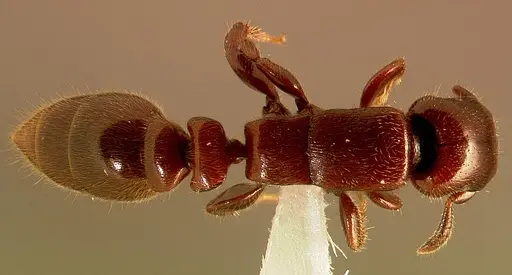
CASENT0003117
View on AntWeb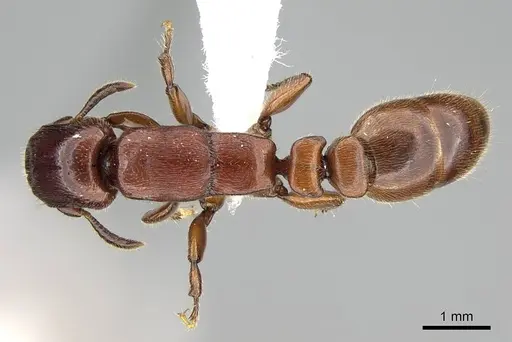
CASENT0113799
View on AntWeb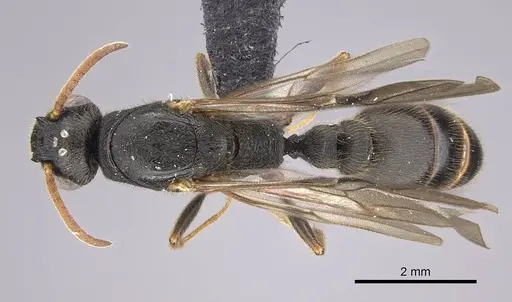
CASENT0242913
View on AntWeb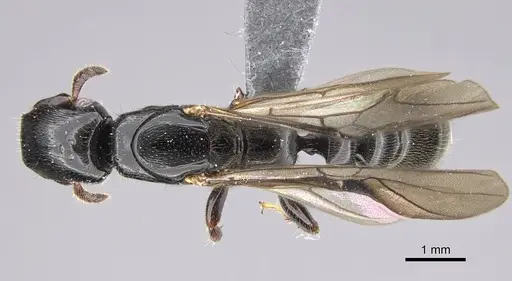
CASENT0279280
View on AntWeb
CASENT0746928
View on AntWeb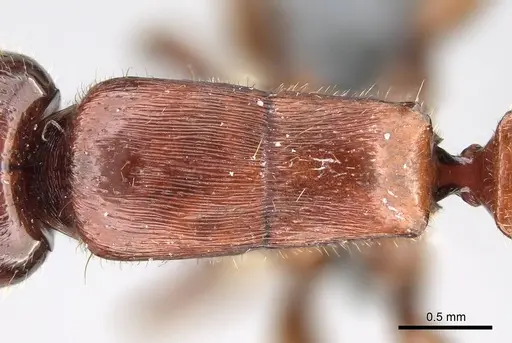
CASENT0763000
View on AntWeb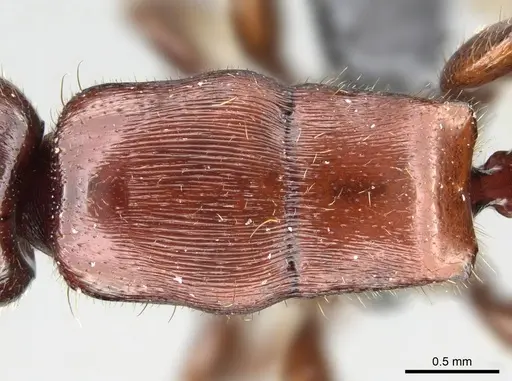
Literature
Loading...Loading products...