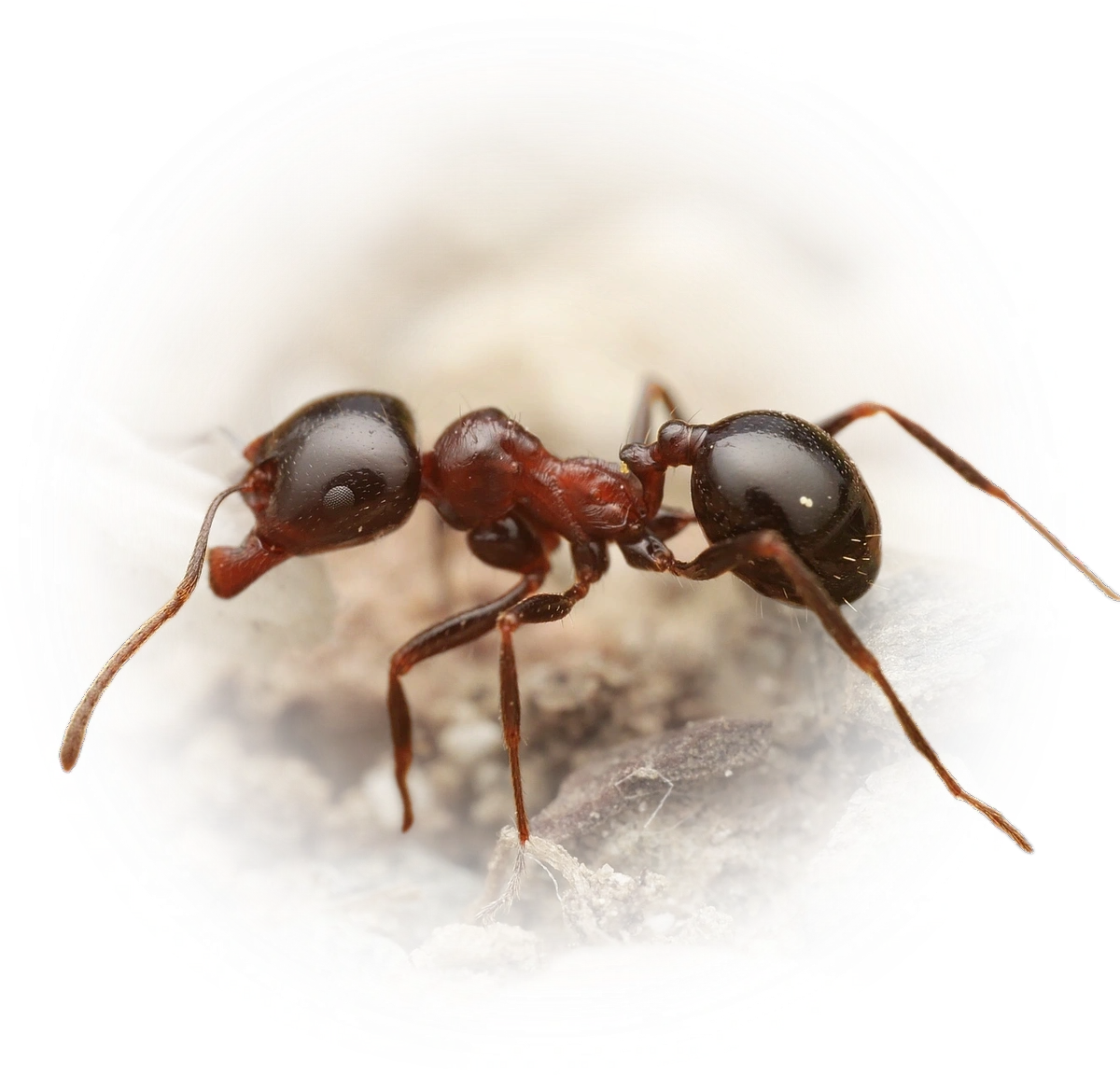

Messor wasmanni
- Scientific Name
- Messor wasmanni
- Tribe
- Stenammini
- Subfamily
- Myrmicinae
- Author
- Krausse, 1910
- Common Name
- Wasmann's Harvester Ant
- Distribution
- Found in 8 countries
Messor wasmanni Overview
Messor wasmanni (commonly known as the Wasmann's Harvester Ant) is an ant species of the genus Messor. It is primarily documented in 8 countries , including Albania, Bulgaria, France. Detailed taxonomic data and occurrence records can be further explored via authoritative databases such as AntWeb or the Global Biodiversity Information Facility (GBIF).
Messor wasmanni - "Wasmann's Harvester Ant"
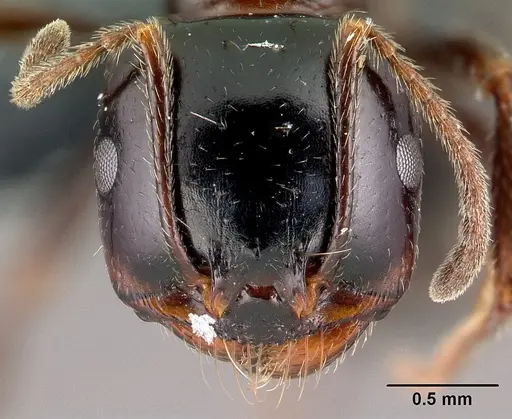
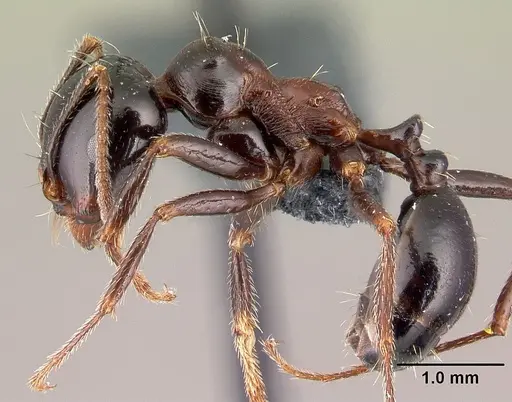
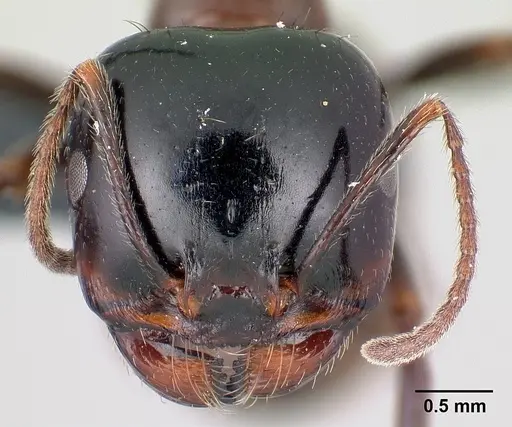
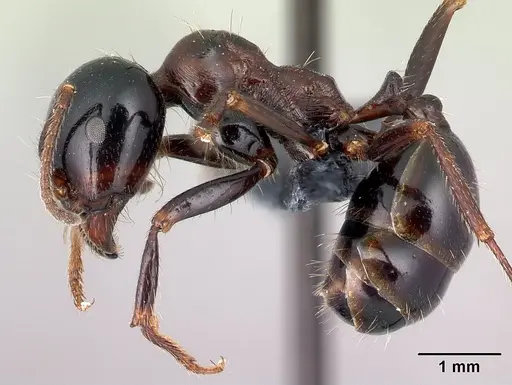
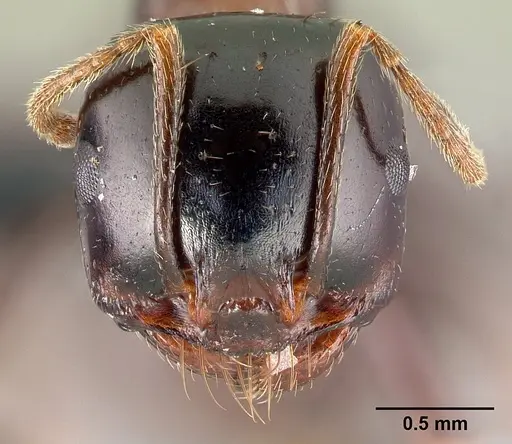
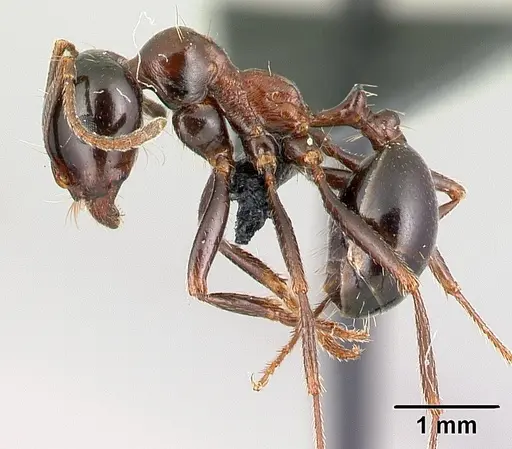
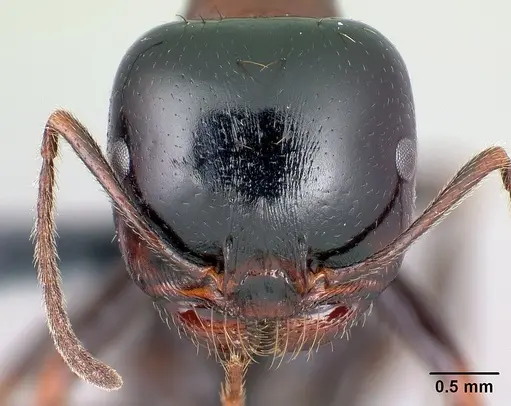
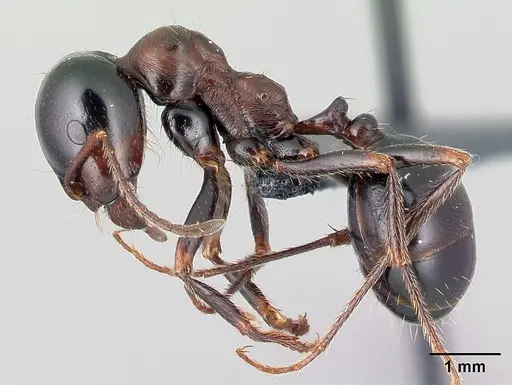
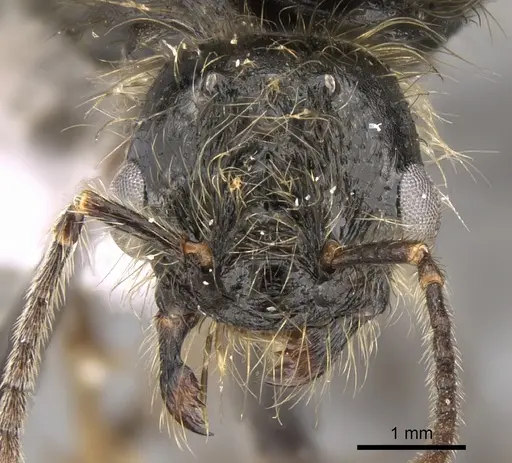
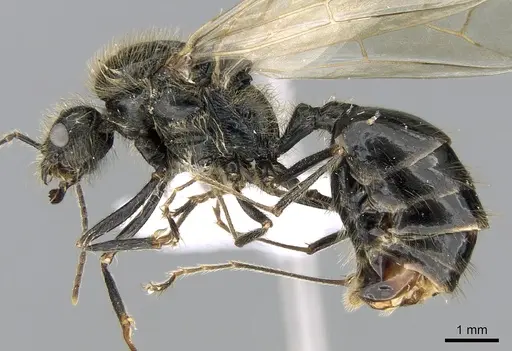
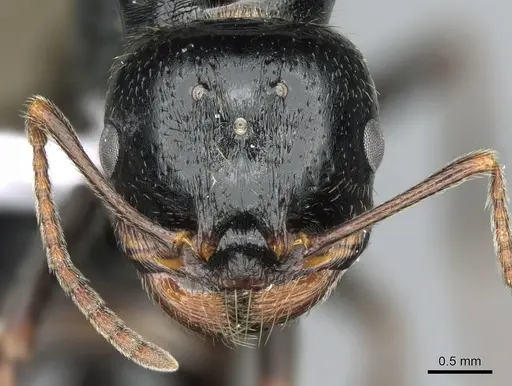
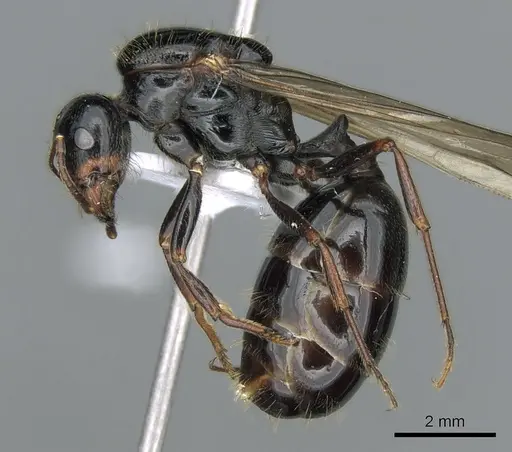
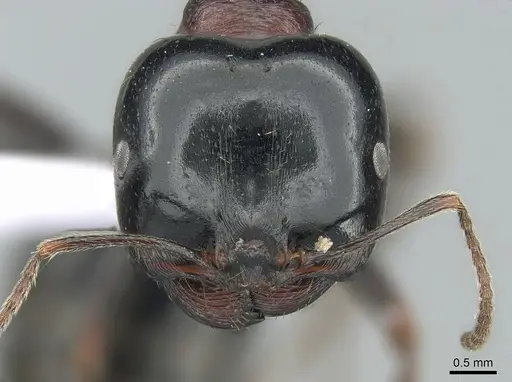
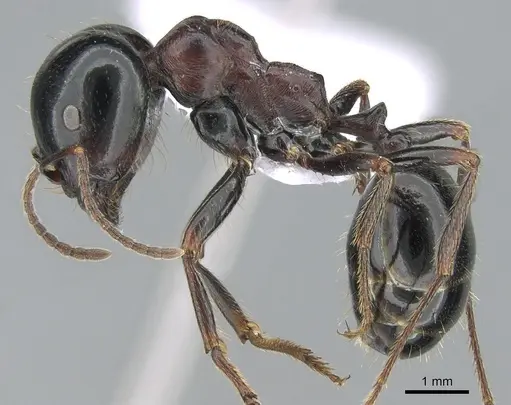
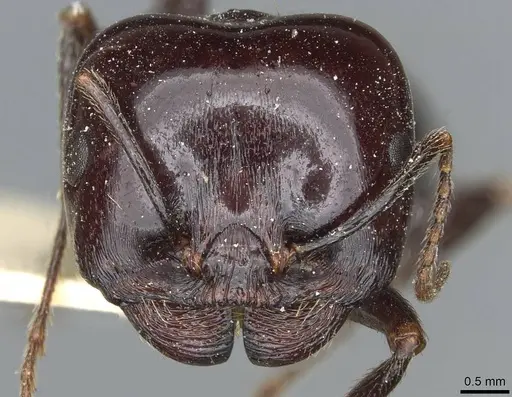
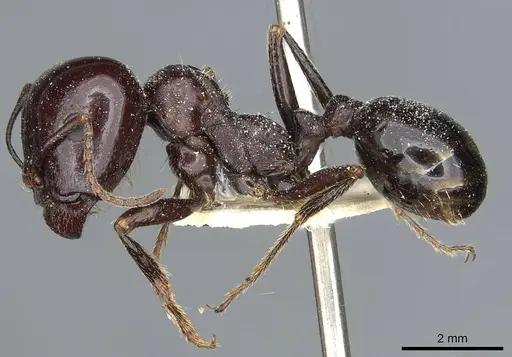
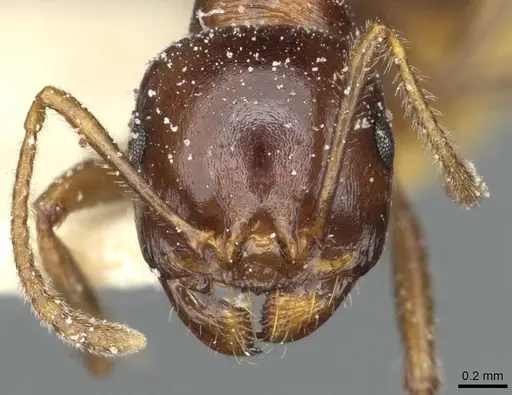
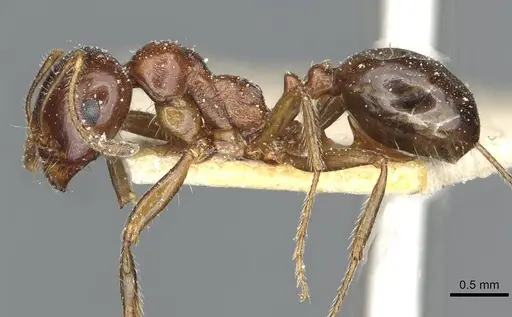
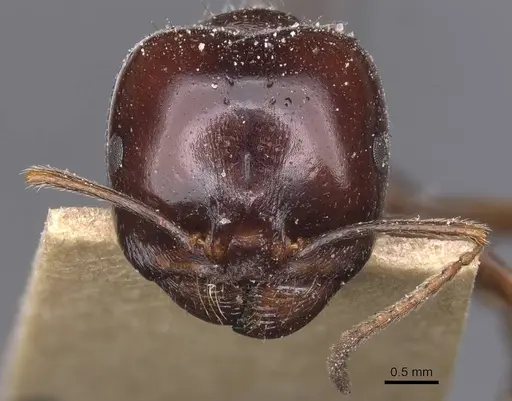
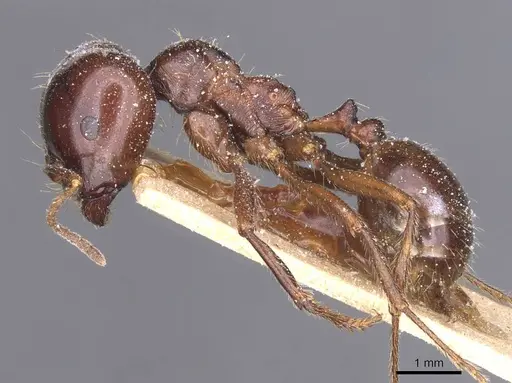
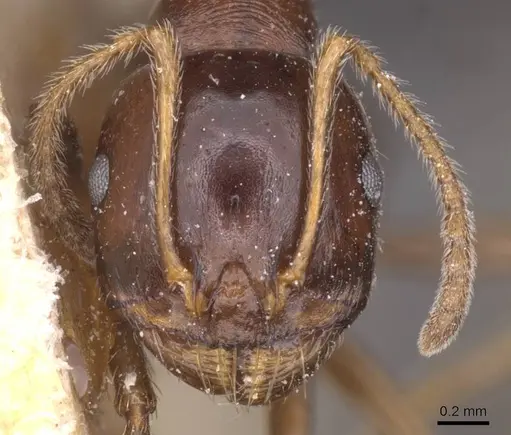
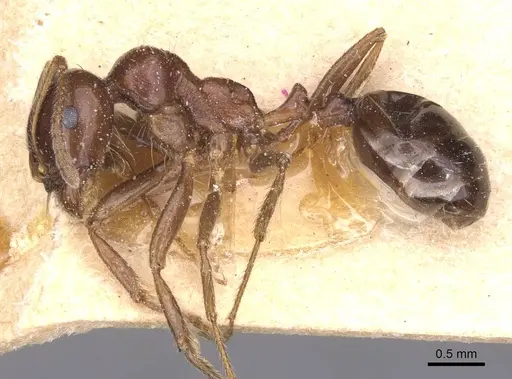
Messor wasmanni is a medium-sized to large harvester ant found across the Mediterranean region and into Central Asia. Workers measure 3-9.5mm and show strong polymorphism, with major workers having significantly larger heads for seed processing [1]. They have a distinctive appearance with a dark head and gaster, while the thorax is often reddish-brown with black markings [2]. This species is one of the commonest Greek ants, recorded from all provinces including Crete, the Cyclades, the Dodecanese, and the Peloponnese [3][4]. They nest in soil, typically under stones, and form polygynous colonies with multiple queens [5].
Quick Summary
- Difficulty: Easy
- Origin & Habitat: Mediterranean and Central-Asiatic region. Found across southern Europe including Italy (Sardinia, Sicily), the Balkans (Croatia, Greece, Montenegro, Albania, Bulgaria, North Macedonia, Slovenia), the Middle East (Lebanon, Syria, Israel, Iran), and as far east as Oman and Turkey [6][7]. Prefers open habitats of low to mid altitude, pastures, roadside areas with Mediterranean bushes, and luminous young mixed forests [8].
- Colony Type: Polygynous, colonies contain multiple queens working together [5]. The species shows slight polydomy, with occasional subsidiary nests connected to the main colony by trails [1][9].
- Size & Growth:
- Queen:{.size-link} size data unavailable, queen measurements not documented in available research
- Worker:{.size-link} 3-9.5mm with strong polymorphism [1]
- Colony: Large colonies with thousands of workers. Foraging expeditions involve approximately 5,000 individual ants per day across 20-30,000 expeditions [9]
- Growth: Moderate
- Development: development timeline unconfirmed for this species (Based on related temperate Messor species, expect several months from egg to first worker at optimal temperature.)
- Antkeeping:
- Temperature: Keep at 22-26°C. Critical: foraging stops when ground temperature reaches 40-43°C, and ants move very slowly below 18°C [9]. Provide a temperature gradient so ants can choose their preferred warmth.
- Humidity: Prefers dry to moderately damp conditions. Ellenberg soil moisture indicator value is 3.41 (moderately dry) [1]. Keep nest substrate relatively dry with some moisture available. Avoid overly humid conditions.
- Diapause: Yes, as a Mediterranean/temperate species, they need a winter rest period. Provide 2-3 months at 10-15°C during winter.
- Nesting: Soil-nesting species that prefers dry to moderately moist substrate. Natural nests are under stones in open, sunny areas. In captivity, a naturalistic setup with a soil chamber or Y-tong nest works well. Provide a digging medium they can excavate.
- Behavior: Generally peaceful but can be defensive when their nest is disturbed. They are not aggressive toward humans but may bite if handled roughly. Workers forage in organized columns along trunk trails, spreading out in a fan pattern at trail ends to search for seeds [1][9]. They mark foraging areas with chemical labels from their anal spots to avoid already-searched zones [1]. Major workers process seeds by chewing them into fragments for the colony to consume. Escape risk is moderate, their medium-to-large size makes them less likely to escape than tiny ants, but standard barriers are still recommended.
- Common Issues: temperature management is critical, avoid temperatures above 40°C and below 18°C during foraging activity, overwintering failure is common, ensure proper hibernation conditions at 10-15°C for 2-3 months, humidity sensitivity, too damp conditions can cause colony stress and fungal issues, large colony size requires significant space for foraging trails, ensure adequate outworld area, polygynous colonies may be harder to establish than single-queen species, multiple queens can sometimes cause tension
Nest Preferences and Housing
Messor wasmanni is a soil-nesting species that naturally excavates chambers under stones in open, sunny locations. In captivity, they do well in naturalistic setups with a soil-filled chamber where they can dig, or in Y-tong nests with a digging medium. The key is providing a relatively dry to moderately moist substrate, these ants come from Mediterranean climates and prefer conditions that are not too humid [1]. A temperature gradient is important since they forage most actively when the substrate is warm but not hot. Place the nest in a warm area (around 24-26°C) but ensure they can move to cooler areas if needed. The outworld should be spacious enough to accommodate their foraging trails, these ants form organized columns, not scattered foragers.
Feeding and Diet
As true harvester ants, Messor wasmanni primarily collects and processes seeds. In the wild, they gather seeds from grasses and wildflowers in their foraging area, which can reach 4-13 m² depending on season [1]. In captivity, offer a variety of seeds, grass seeds, millet, sunflower seeds (cracked open), and commercial ant seed mixes work well. Major workers have specialized head morphology for seed processing, chewing seeds into manageable pieces [10]. They also accept protein sources like small insects, but seeds should form the bulk of their diet. Provide a shallow water dish and occasional sugar water or honey for extra energy, though they primarily get carbohydrates from seeds.
Temperature and Seasonal Care
Temperature management is crucial for this species. In the wild, foragers start at dawn and continue until ground surface temperature reaches 40-43°C, they essentially stop foraging when it gets too hot [9]. Below 18°C, ants move very slowly. In captivity, maintain the nest area at 22-26°C with a gradient allowing the ants to choose their preferred temperature. During winter, provide a diapause period of 2-3 months at 10-15°C to simulate their natural seasonal cycle. This is essential for colony health and reproduction. The Mediterranean origin means they handle warm conditions well but need that winter rest period.
Foraging Behavior and Colony Organization
Messor wasmanni exhibits fascinating foraging behavior. Workers form trunk trails from the nest entrance, with individuals dispersing in a fan pattern at the trail ends to search for seeds [1]. Each colony typically uses one main trail per day, though they can produce multiple foraging columns [1]. They mark their foraging areas with chemical signals from their anal spots, allowing them to avoid already-searched zones [1]. The colony makes 20,000-30,000 foraging expeditions daily involving around 5,000 individual ants [9]. Workers show strong polymorphism, larger majors process seeds while smaller minors handle other tasks. This division of labor is flexible, with workers potentially changing tasks throughout their lifetime.
Colony Structure and Reproduction
This is a polygynous species, meaning colonies naturally contain multiple reproductive queens [5]. This is unusual among Messor species and affects how you might establish a colony. Multiple queens work together in the same nest, which can lead to faster colony growth initially. The species also shows slight polydomy, occasional subsidiary nests connected to the main colony by trails have been observed in Greece populations [1][9]. Nests are long-lasting, observations in Greece showed colonies persisting in the same locations for up to 8 years [9]. Founding behavior for this species has not been directly documented.
Frequently Asked Questions
How long does it take for Messor wasmanni to produce first workers?
Specific development timeline is unconfirmed for this species. Based on related temperate Messor species, expect several months from egg to first worker at optimal temperature (around 24-26°C).
Do Messor wasmanni ants need hibernation?
Yes. As a Mediterranean/temperate species, they require a winter rest period. Provide 2-3 months at 10-15°C during winter for proper colony health and reproduction.
What do Messor wasmanni ants eat?
They are seed harvesters. Offer a variety of seeds (grass, millet, cracked sunflower seeds) as their primary food. They also accept small insects for protein. Seeds should make up the bulk of their diet.
Can I keep multiple Messor wasmanni queens together?
Yes, this is a polygynous species, meaning colonies naturally have multiple queens. However, if you are introducing an unrelated queen to an established colony, do so cautiously and monitor for aggression.
What temperature range is best for Messor wasmanni?
Keep them at 22-26°C with a temperature gradient. They stop foraging above 40°C and move very slowly below 18°C. A warm spot around 24-26°C with cooler areas available is ideal.
Are Messor wasmanni ants aggressive?
They are not particularly aggressive toward humans but will defend their nest if disturbed. They may bite if handled roughly. Their main defense is chemical, they can release alarm pheromones.
How big do Messor wasmanni colonies get?
Large colonies with thousands of workers. A single colony can make 20,000-30,000 foraging expeditions per day involving around 5,000 individual ants [9].
What type of nest should I use for Messor wasmanni?
A naturalistic setup with soil or a Y-tong nest with a digging medium works well. They prefer relatively dry conditions and need space for their foraging trails. A soil chamber allows them to excavate naturally.
Do Messor wasmanni ants sting?
They can bite but are not considered dangerous to humans. Their bite is mild compared to some other ant species. They rely more on chemical defenses than stinging.
Why is my Messor wasmanni colony not foraging?
Check the temperature, they stop foraging when it is too hot (above 40°C substrate temperature) or too cold (below 18°C). Also ensure they have proper lighting cycles and are not in constant bright light. Temperature management is the most common issue.
Report an Issue
The current care sheet is based fully on literature. See inconsistencies, or something that's incorrect? Please , it will be resolved after review from an admin. Contributing to the blogs tab also helps providing information, to make us be able to further improve the caresheets. Thank you for your support!
References

This caresheet is licensed under CC BY-SA 4.0 .
CASENT0106293
View on AntWeb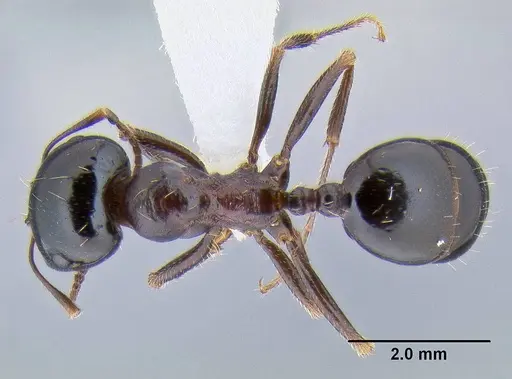
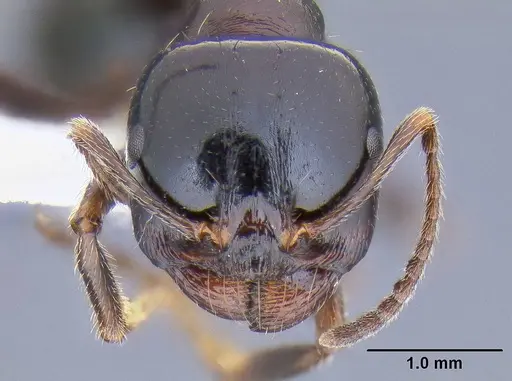
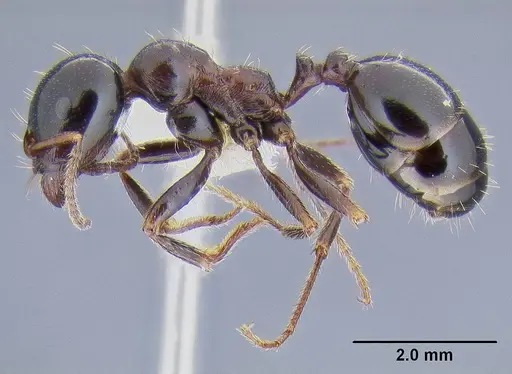
CASENT0179604
View on AntWeb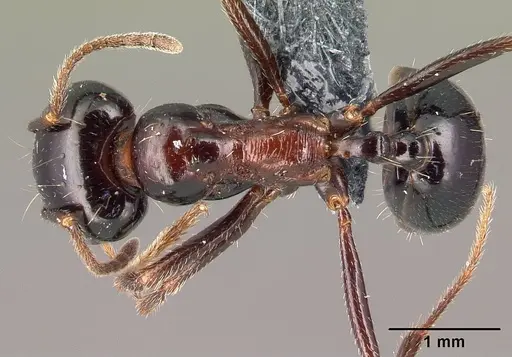
CASENT0179605
View on AntWeb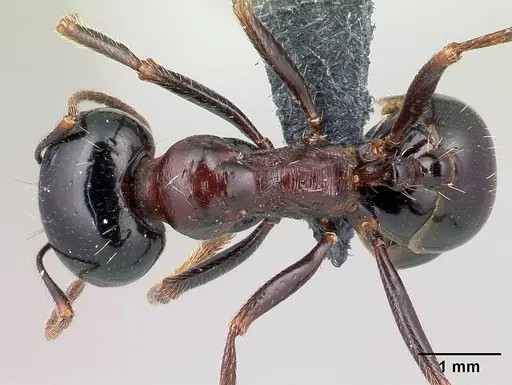
CASENT0179892
View on AntWeb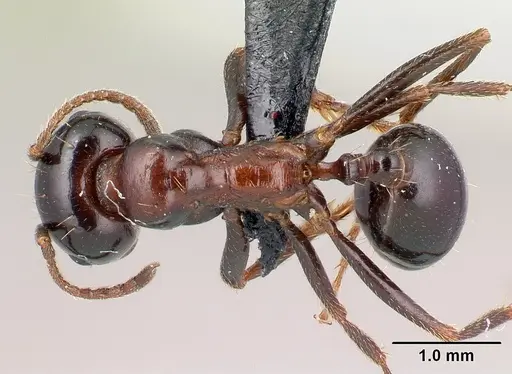
CASENT0179893
View on AntWeb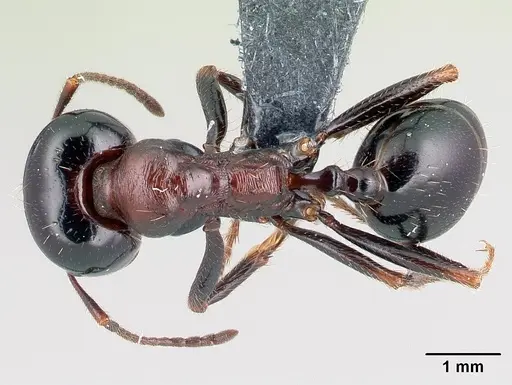
CASENT0281209
View on AntWeb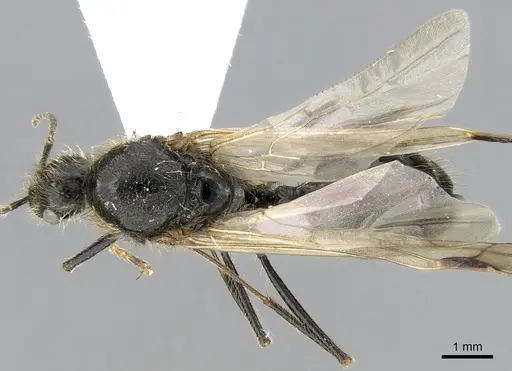
CASENT0281210
View on AntWeb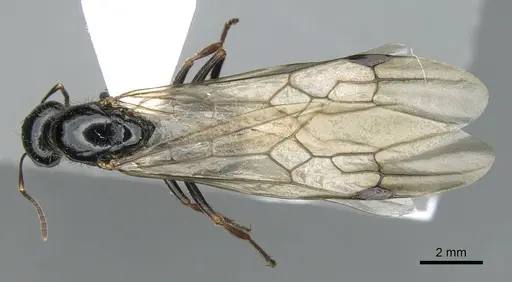
CASENT0281211
View on AntWeb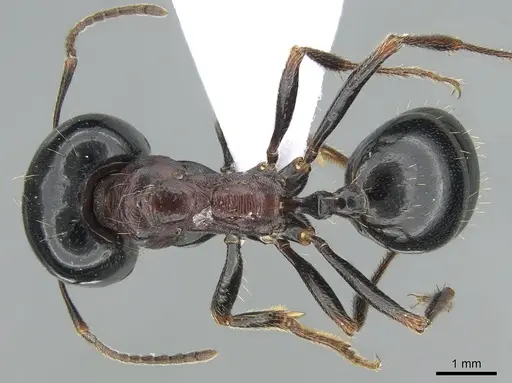
CASENT0913173
View on AntWeb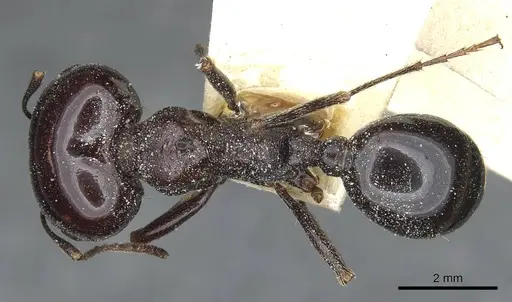
CASENT0913174
View on AntWeb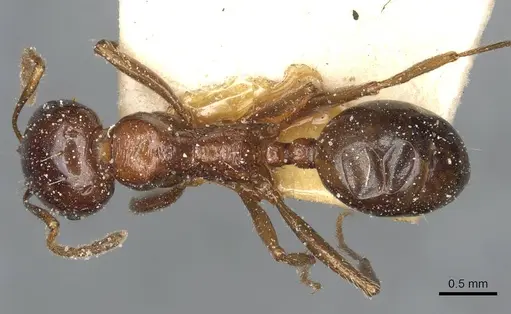
CASENT0913219
View on AntWeb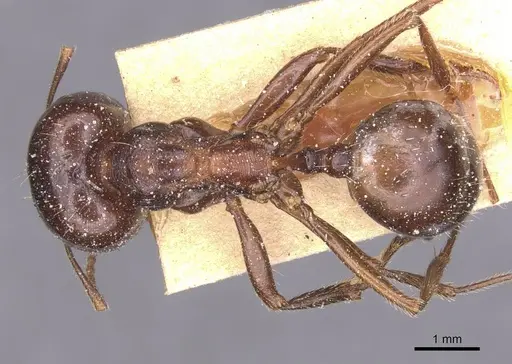
CASENT0913220
View on AntWeb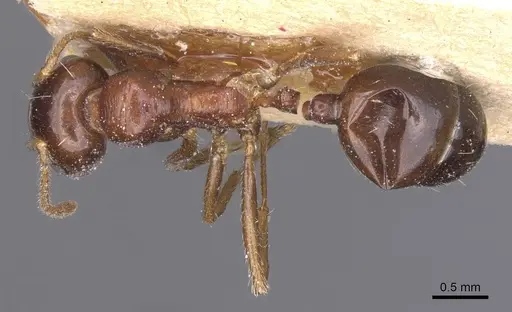
Literature
Loading...Loading products...