

Messor vaucheri
- Scientific Name
- Messor vaucheri
- Tribe
- Stenammini
- Subfamily
- Myrmicinae
- Author
- Emery, 1908
- Distribution
- Found in 1 countries
Messor vaucheri Overview
Messor vaucheri is an ant species of the genus Messor. It is primarily documented in 1 countries , including Morocco. Detailed taxonomic data and occurrence records can be further explored via authoritative databases such as AntWeb or the Global Biodiversity Information Facility (GBIF).
Messor vaucheri
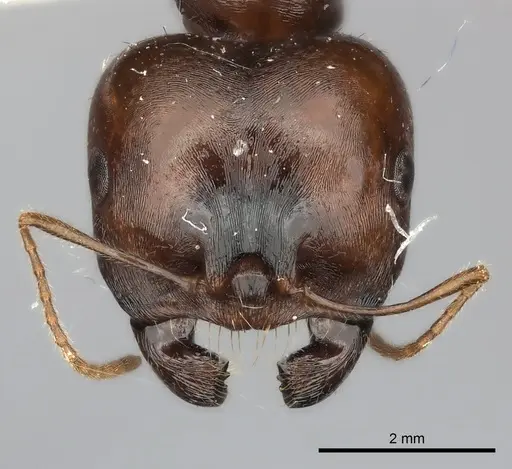
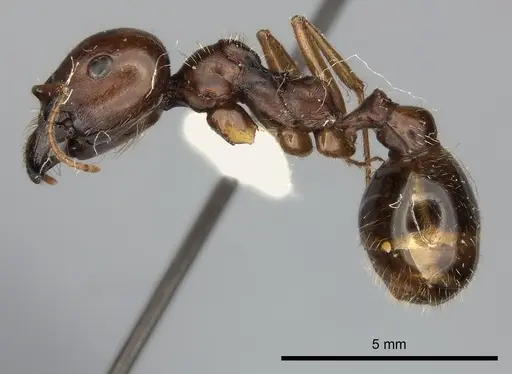
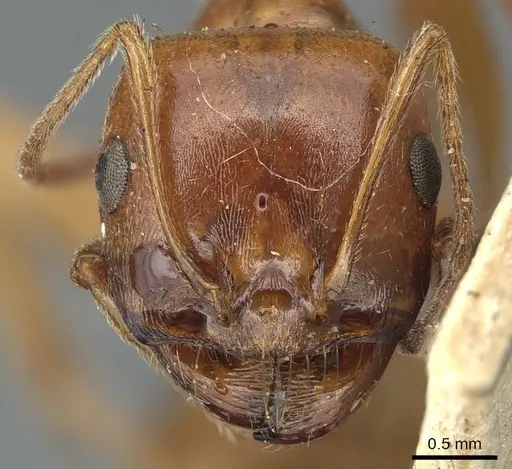
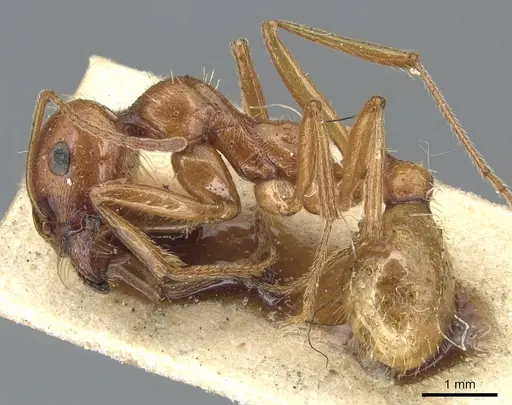
Messor vaucheri is a medium-sized harvester ant endemic to Morocco. Workers range from 4.6-11.5mm in length, with major workers (the larger soldiers) displaying yellowish-brown to reddish-brown coloring, while minor workers tend to be more yellow [1]. This species is found only along Morocco's Atlantic coast, from Agadir's coastal dunes down to Laayoune, making it one of the more geographically restricted Messor species [2]. Like all Messor ants, they are harvesters that collect and store seeds as their primary food source.
Quick Summary
- Difficulty: Medium
- Origin & Habitat: Morocco, endemic species found in coastal dunes and sandy areas from Agadir to Laayoune [2][1]. They inhabit the sandy coastal regions along Morocco's Atlantic coast.
- Colony Type: Likely monogyne (single queen) based on typical Messor genus patterns. Colony size is unknown but likely reaches several hundred workers based on related species.
- Colony: Monogyne
- Founding: Claustral
- Size & Growth:
- Queen: Unknown, not directly measured in literature
- Worker: 4.6-11.5mm (majors are larger at the upper range, minors smaller) [1]
- Colony: Unknown, estimated several hundred workers based on similar Messor species
- Growth: Moderate, typical for seed-harvesting ants
- Development: Estimated 8-12 weeks based on related Messor species (Development time is inferred from genus patterns since no species-specific data exists)
- Antkeeping:
- Temperature: Keep around 22-26°C. Provide a gentle temperature gradient so ants can choose their preferred zone. They come from warm coastal Morocco so they prefer temperatures on the warmer side.
- Humidity: Low to moderate, these are desert/dune ants that prefer drier conditions. Keep the nest relatively dry with just a small water reservoir. Avoid high humidity.
- Diapause: Likely, most Messor species from temperate/subtropical regions require a winter rest period. Provide 2-3 months at 10-15°C during winter.
- Nesting: Prefers dry, sandy substrate. In captivity, a naturalistic setup with sand or a Y-tong/plaster nest works well. They need compact chambers and passages scaled to their size.
- Behavior: These are typical harvester ants, they actively forage for seeds and store them in the nest. Workers are moderately aggressive and will defend the colony vigorously. Major workers (larger soldiers) help crack open seeds for the colony. Escape risk is moderate, use standard barrier methods but they're not particularly escape-prone like tiny species.
- Common Issues: colonies often fail if kept too humid, these are dry-climate ants, slow growth can lead to overfeeding, resist the urge to overfeed, winter diapause is often skipped by keepers, leading to colony decline over time, wild-caught colonies may have parasites specific to this endemic species, seed storage can mold if humidity is too high, proper ventilation is essential
Nest Preferences and Housing
Messor vaucheri naturally nests in sandy coastal dunes and forest areas in Morocco. In captivity, they do well in naturalistic setups with a sandy substrate that allows them to create tunnels and chambers. A Y-tong (acrylic) nest with sand-filled chambers also works well. The key is providing dry conditions, these are not rainforest ants. Use a substrate that drains quickly and avoid compacted clay or overly moist soil. A thin layer of sand (2-3cm deep) over a water reservoir works nicely for maintaining the right moisture balance. The nest should have chambers scaled to the colony size, start small and expand as the colony grows. [2][1]
Feeding and Diet
As harvester ants, Messor vaucheri primarily collects and consumes seeds. In captivity, offer a variety of seeds, grass seeds, millet, sunflower seeds (cracked), and commercial ant seed mixes work well. Major workers have specialized mandibles for cracking open larger seeds. They also accept protein sources like small insects (dead or injured mealworms, crickets) and will scavenge. Sugar water or honey is occasionally accepted but seeds should form the bulk of their diet. Provide a shallow feeding dish to prevent seeds being dragged into the substrate. Fresh water should always be available.
Temperature and Seasonal Care
These ants come from warm coastal Morocco and prefer temperatures in the 22-26°C range. A temperature gradient is ideal, let the ants choose between warmer and cooler areas of the nest. During summer, room temperature is usually sufficient. In winter, most Messor species benefit from a diapause period. Reduce temperatures to 10-15°C for 2-3 months (roughly November through February in the Northern Hemisphere). During this time, reduce feeding but keep water available. This rest period helps maintain colony health long-term. Do not skip hibernation permanently, it will eventually weaken the colony.
Behavior and Colony Dynamics
Messor vaucheri is a typical harvester ant species with organized foraging patterns. Workers leave the nest to collect seeds and bring them back to storage chambers. Major workers (the larger soldiers) assist with cracking open hard seeds and defend the colony. They are not overly aggressive toward keepers but will bite if threatened. The colony will grow over time from a founding queen to several hundred workers. Growth is moderate, expect several months before the first workers (nanitics) appear, then gradual expansion over 1-2 years to a mature colony. Queens are claustral founders, they seal themselves in a chamber and raise the first brood alone without foraging.
Frequently Asked Questions
How long does it take for Messor vaucheri to produce first workers?
Expect 8-12 weeks from egg to first worker at optimal temperature (around 24°C). This is typical for Messor species. The queen will seal herself in and not forage during this time, do not disturb the founding chamber.
What do Messor vaucheri ants eat?
They are seed-harvesters. Offer a variety of seeds (grass, millet, cracked sunflower) as their primary food. They also accept small insects and occasionally sugar water. Seeds should make up the bulk of their diet.
Do Messor vaucheri ants need hibernation?
Yes, most likely. Provide a winter rest period of 2-3 months at 10-15°C. Reduce feeding during this time but keep water available. This helps maintain long-term colony health.
How big do Messor vaucheri colonies get?
Colony size is not documented specifically, but based on related Messor species, expect several hundred workers at maturity. Growth is moderate, it takes 1-2 years to reach a substantial colony.
Can I keep Messor vaucheri in a test tube?
Test tubes work for founding colonies. However, once the colony reaches 20-30 workers, transfer to a more spacious nest with room for seed storage. A naturalistic setup with sand or a formicarium works better for established colonies.
What humidity level do Messor vaucheri ants need?
Keep them relatively dry, these are desert/dune ants from coastal Morocco. Low to moderate humidity is ideal. The nest substrate should dry out between waterings. Avoid damp, humid conditions that can cause mold.
Are Messor vaucheri ants good for beginners?
They are moderate difficulty. The main challenges are providing proper dry conditions, managing seed storage to prevent mold, and providing the correct winter diapause. They are not as forgiving as some tropical species but not difficult once you understand their needs.
Do Messor vaucheri ants sting?
They can bite and may spray formic acid as a defense. The bite is not dangerous to humans but can be irritating. Major workers have stronger bites for cracking seeds.
When should I move my Messor vaucheri to a formicarium?
Move them when the test tube becomes cramped or seed storage takes up too much space. This is typically when the colony reaches 30-50 workers. A naturalistic setup with digging opportunities works best.
Is Messor vaucheri aggressive?
They are moderately defensive. Workers will emerge aggressively when the nest is disturbed and may bite. They are not dangerously aggressive but will protect their seed stores. Handle with care during transfers.
References

This caresheet is licensed under CC BY-SA 4.0 .
CASENT0217882
View on AntWeb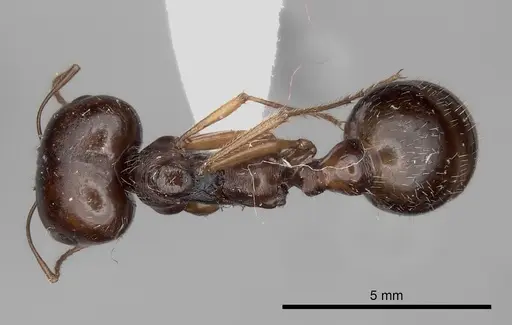
CASENT0904143
View on AntWeb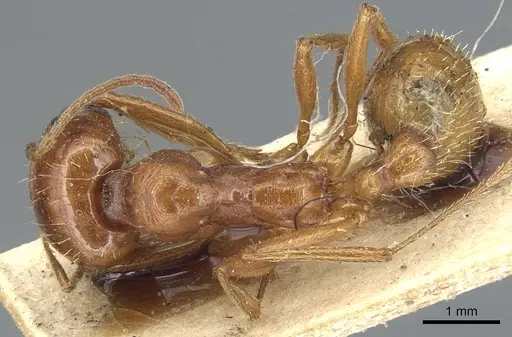
Literature
Loading...Loading products...