

Messor striativentris
- Scientific Name
- Messor striativentris
- Tribe
- Stenammini
- Subfamily
- Myrmicinae
- Author
- Emery, 1908
- Distribution
- Found in 2 countries
Messor striativentris Overview
Messor striativentris is an ant species of the genus Messor. It is primarily documented in 2 countries , including Algeria, Morocco. Detailed taxonomic data and occurrence records can be further explored via authoritative databases such as AntWeb or the Global Biodiversity Information Facility (GBIF).
Messor striativentris
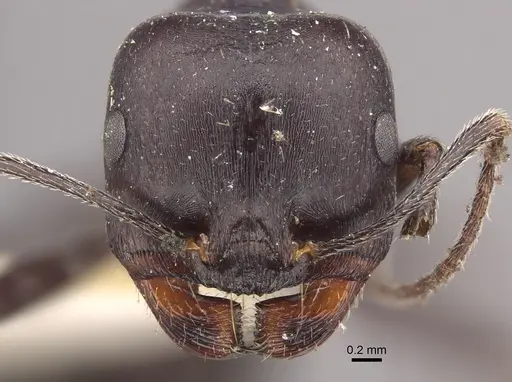
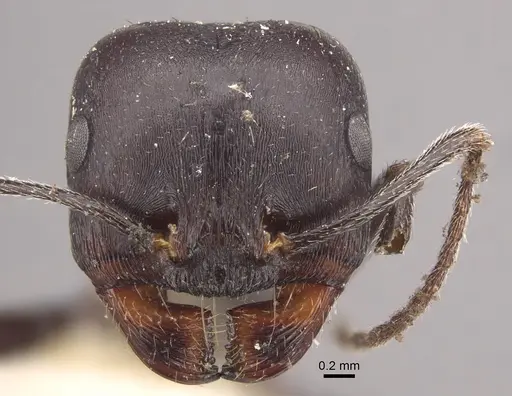
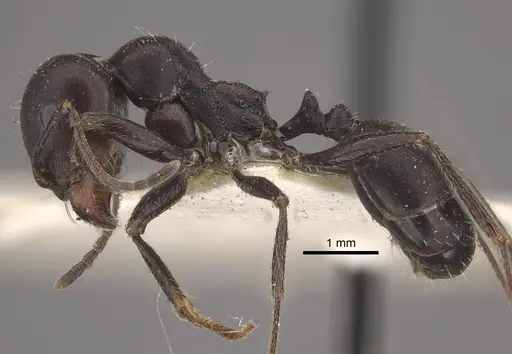
Messor striativentris is a harvester ant species native to North Africa, found throughout Algeria and Morocco in the Palaearctic region [1]. Workers measure 3-7mm in total length, with a distinctive appearance featuring a blackish body and dark red thorax [2]. The gaster has a dull, moiré-like appearance especially in major workers, and the head shows fine longitudinal wrinkling without smooth patches [2]. This species belongs to the Stenammini tribe and is part of the Messor genus, known for their seed-harvesting behavior and large major workers with powerful mandibles.
Quick Summary
- Difficulty: Medium
- Origin & Habitat: Native to North Africa (Algeria and Morocco) in the Palaearctic region. Found in semi-arid to arid habitats across the Atlas Mountains and surrounding areas, from coastal regions to the Saharan Atlas [1][2].
- Colony Type: Monogyne, single queen colonies. Messor species typically establish single-queen colonies with claustral founding where the queen seals herself in and raises the first brood alone.
- Colony: Monogyne
- Founding: Claustral
- Size & Growth:
- Queen: Estimated 7-9mm based on genus patterns for major workers reaching 7mm [2]
- Worker: 3-7mm total length, with distinct minor and major castes [2]
- Colony: Likely several hundred workers based on typical Messor colony sizes
- Growth: Moderate, seed-harvesting ants typically grow more steadily than purely predatory species
- Development: Estimated 6-10 weeks based on related Messor species development at optimal temperature (Development time is inferred from genus patterns, direct measurements for this specific species are unavailable)
- Antkeeping:
- Temperature: Keep at 24-28°C for optimal development. North African origin suggests they tolerate warm, dry conditions well. Provide a temperature gradient allowing workers to self-regulate.
- Humidity: Low to moderate, prefer drier nest conditions. Keep substrate moderately dry, avoiding constant moisture. Provide a water tube but avoid damp nesting materials.
- Diapause: Yes, species from temperate North Africa likely require a winter rest period. Reduce temperature to 10-15°C for 2-3 months during winter.
- Nesting: Dry, well-drained nesting materials work best. Y-tong (AAC), plaster, or test tube setups with dry substrate suit this species. Avoid overly humid environments.
- Behavior: Generally peaceful but can be defensive when nest is disturbed. Major workers have powerful mandibles and can deliver a sharp bite. Workers are active foragers that collect seeds and will also hunt small insects. They create distinct granary chambers to store seeds. Escape risk is moderate, standard barrier precautions are sufficient for ants of this size.
- Common Issues: colonies may fail if kept too humid, ensure nest remains dry, slow initial growth during claustral founding can lead to overchecking by impatient keepers, major workers are large but colonies start small, resist the urge to expand too quickly, winter dormancy is required, skipping diapause weakens colonies over time, seed storage requires space, ensure the nest has adequate storage areas
Nest Preferences
Messor striativentris prefers dry, well-drained nesting environments typical of North African harvester ants. In captivity, Y-tong (AAC) nests or plaster nests work well, provided they are kept relatively dry. Test tube setups are suitable for founding colonies, use a water tube for humidity but keep the nesting area itself dry. The species does not tolerate constant moisture well, so avoid naturalistic setups with damp soil. Provide some vertical space for seed storage chambers, as this species, like other Messor ants, collects and stores seeds in dedicated granary areas within the nest. [2]
Feeding and Diet
As a harvester ant, Messor striativentris primarily collects and stores seeds. Offer a variety of seeds, grass seeds, millet, and small grains are readily accepted. They also supplement their diet with small insects for protein. Feed protein sources (small crickets, mealworms, fruit flies) once or twice weekly. Keep a constant supply of seeds available in the outworld. Sugar water or honey can be offered occasionally but is not a primary food source. Remove uneaten prey after 24-48 hours to prevent mold.
Temperature and Seasonal Care
Maintain nest temperatures between 24-28°C for optimal brood development. This species originates from warm North African regions and tolerates higher temperatures well. Provide a temperature gradient by placing a heating cable on one side of the nest so workers can regulate their own exposure. During winter, simulate natural seasonal cycles by reducing temperatures to 10-15°C for 2-3 months. This winter dormancy period is important for colony health and longevity. Resume normal temperatures gradually in spring.
Behavior and Colony Dynamics
Messor striativentris exhibits typical harvester ant behavior with distinct minor and major worker castes. Major workers develop larger heads and powerful mandibles for seed processing. Workers are active foragers that venture out to collect seeds and prey. The colony will establish dedicated storage chambers for seeds, which is fascinating to observe. Majors can deliver a noticeable bite if threatened, though the species is not particularly aggressive. Colonies grow moderately, expect several months before seeing significant numbers. The queen remains hidden after founding and is rarely seen once the colony is established. [2]
Frequently Asked Questions
How long does it take for Messor striativentris to produce first workers?
First workers (nanitics) typically appear within 6-10 weeks after the queen lays eggs, assuming optimal temperatures around 25°C. This is an estimate based on related Messor species, direct development data for this specific species is not available.
What do Messor striativentris ants eat?
They are seed-harvesters, offer various seeds like grass, millet, and small grains as their primary food. They also need protein from small insects like fruit flies, pinhead crickets, or mealworms. Feed protein 1-2 times per week and keep seeds constantly available.
Can I keep multiple Messor striativentris queens together?
No, this species is monogyne, meaning colonies have a single queen. Combining unrelated queens will result in fighting. Only one queen per colony is recommended.
Do Messor striativentris ants need hibernation?
Yes, they require a winter dormancy period. Reduce temperatures to 10-15°C for 2-3 months during winter. This mimics their natural seasonal cycle in North Africa and helps maintain colony health.
What is the best nest type for Messor striativentris?
Dry nests work best, Y-tong (AAC), plaster nests, or test tube setups with dry substrate. Avoid humid naturalistic setups. Keep the nesting area dry while providing a water tube for drinking water.
Are Messor striativentris ants good for beginners?
They are medium difficulty, not the easiest but manageable for those with some antkeeping experience. The main challenges are providing proper dry conditions and maintaining seasonal temperature cycles. Their seed-harvesting behavior is fascinating to watch.
How big do Messor striativentris colonies get?
Based on typical Messor species, colonies likely reach several hundred workers at maturity. Growth is moderate, expect several months before seeing significant colony expansion.
Do Messor striativentris ants sting?
They have a stinger but it is small and rarely penetrates human skin. Major workers can deliver a sharp bite with their powerful mandibles if threatened. They are not considered dangerous to humans.
When should I move my colony to a formicarium?
Wait until the colony has 20-30 workers before moving. Messor ants prefer dry conditions, so ensure the formicarium provides adequate ventilation and dry nesting areas. Test tube setups work well for founding colonies.
Why are my Messor striativentris workers dying?
Common causes include excessive humidity (keep the nest dry), poor nutrition (ensure protein and seeds are offered), or temperature stress (maintain 24-28°C). Also check for mold in the outworld. Colonies in early stages are vulnerable, avoid disturbing the queen during founding.
References

This caresheet is licensed under CC BY-SA 4.0 .
CASENT0280944
View on AntWeb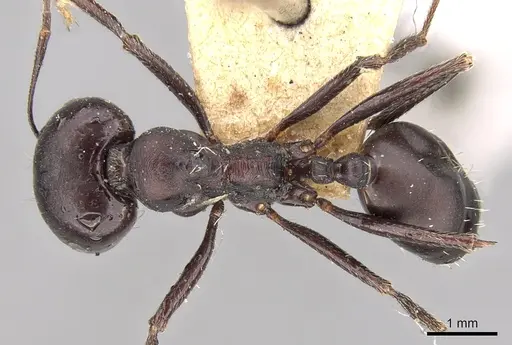
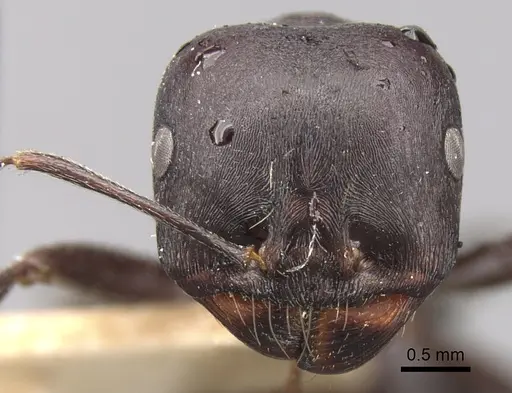
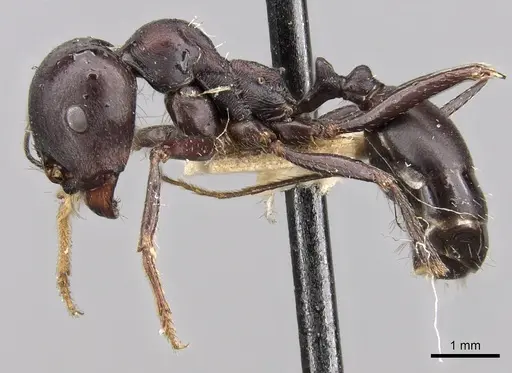
CASENT0907741
View on AntWeb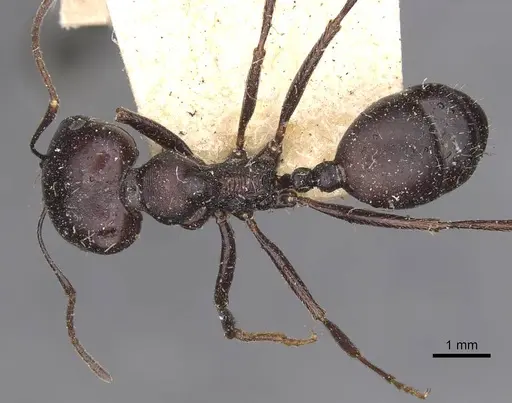
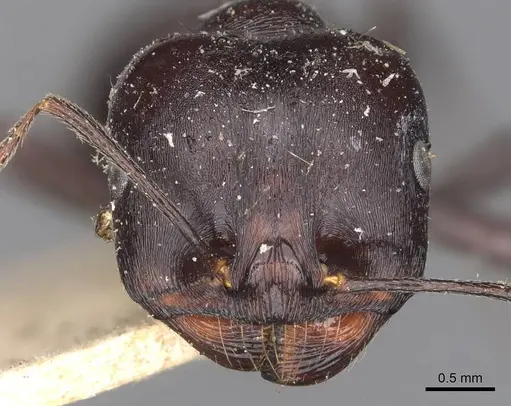
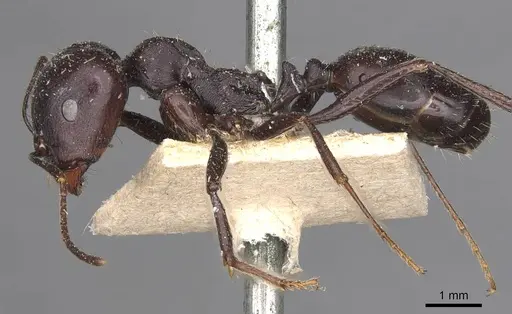
CASENT0913225
View on AntWeb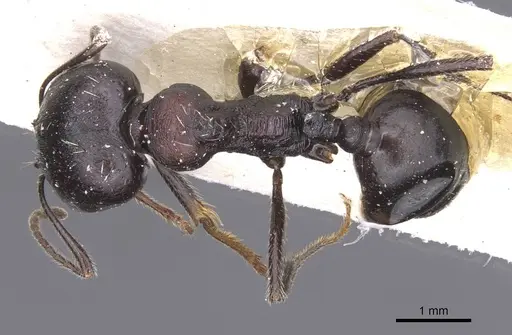
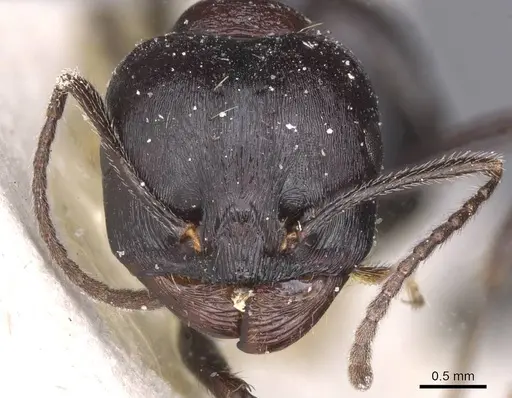
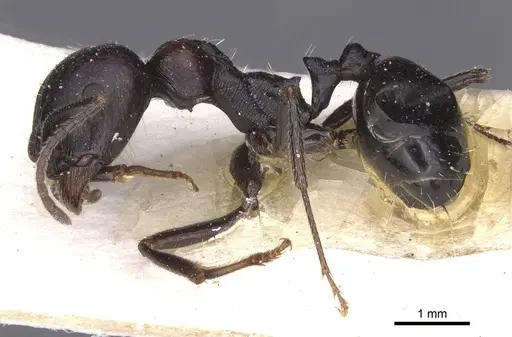
CASENT0913226
View on AntWeb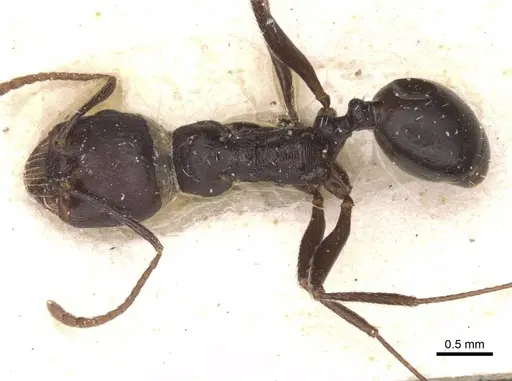
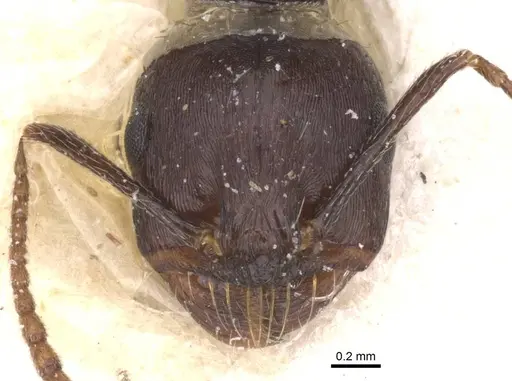
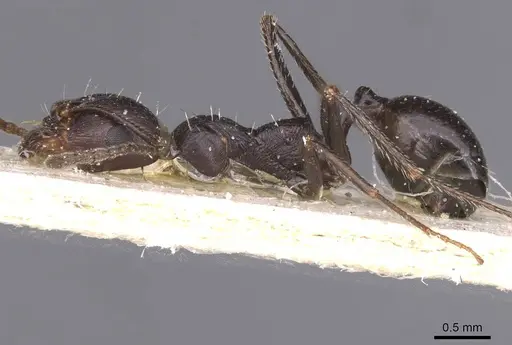
CASENT0917754
View on AntWeb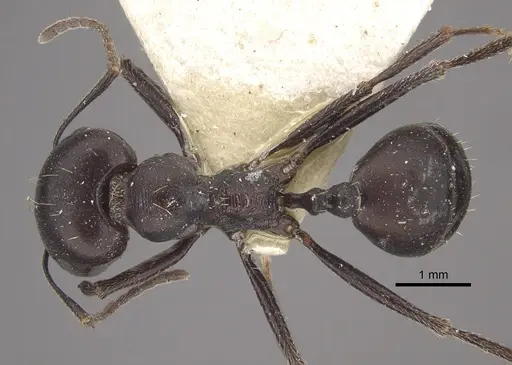
Literature
Loading...Loading products...