

Messor striaticeps
- Scientific Name
- Messor striaticeps
- Tribe
- Stenammini
- Subfamily
- Myrmicinae
- Author
- André, 1883
- Distribution
- Found in 1 countries
Messor striaticeps Overview
Messor striaticeps is an ant species of the genus Messor. It is primarily documented in 1 countries , including Algeria. Detailed taxonomic data and occurrence records can be further explored via authoritative databases such as AntWeb or the Global Biodiversity Information Facility (GBIF).
Messor striaticeps
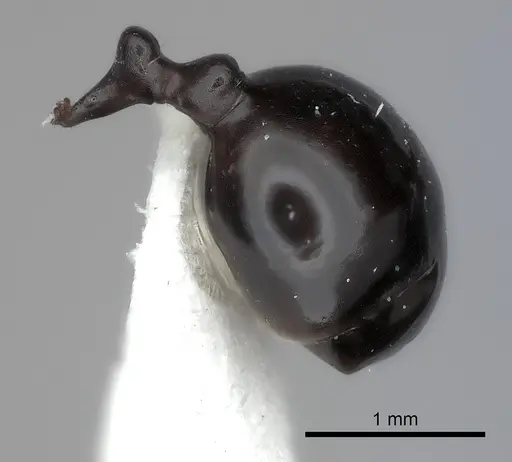
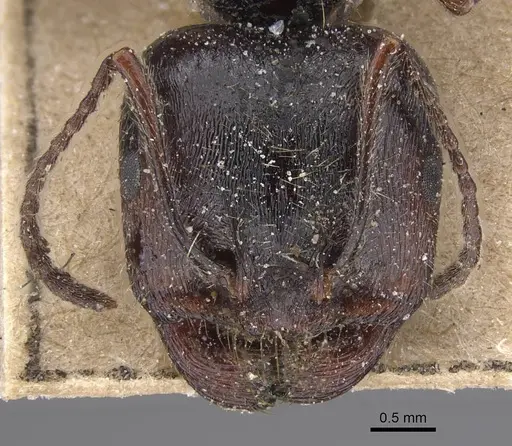
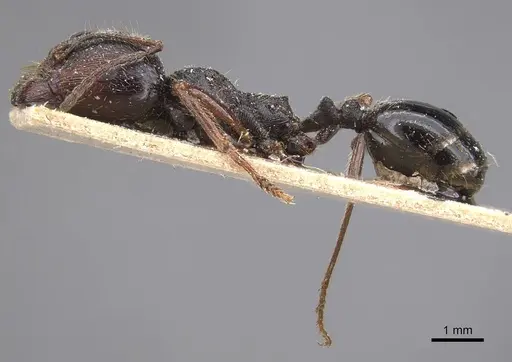
Messor striaticeps is a medium-sized harvester ant native to North Africa, the Middle East, and parts of the Palearctic region. Workers are entirely black with a distinctly striated (grooved) head and well-developed propodeal spines. They have a weakly developed psammophore, a brush of hairs on the underside of the head used for carrying loose soil particles. Major workers are noticeably larger than minors, a common trait in Messor species. This species is found across Algeria, Tunisia, Saudi Arabia, Iraq, Kuwait, and the Caucasus region [1][2].
As a harvester ant, Messor striaticeps collects and stores seeds as their primary food source. They are ground-nesting species that thrive in warm, dry habitats. Colonies are moderate in size compared to other Messor species, and they play an important ecological role in seed dispersal in their native arid ecosystems.
Quick Summary
- Difficulty: Medium
- Origin & Habitat: Native to North Africa (Algeria, Tunisia), Saudi Arabia, Iraq, Kuwait, and the Caucasus region. Found in warm, dry arid and semi-arid habitats across the Palearctic [1][2].
- Colony Type: Single-queen (monogyne) colonies. Like other Messor species, colonies typically have one reproductive queen.
- Colony: Monogyne
- Founding: Claustral
- Size & Growth:
- Queen: Estimated 8-10mm based on genus patterns for Messor species [3]
- Worker: Major workers 5-7mm, minor workers 3-5mm, typical for Messor genus [3]
- Colony: Estimated 1,000-3,000 workers at maturity based on related Messor species [3]
- Growth: Moderate
- Development: 6-10 weeks at optimal temperature, estimated based on typical Messor development [3] (Development time varies with temperature, warmer conditions within safe range accelerate development)
- Antkeeping:
- Temperature: Keep nest area at 24-28°C. This species tolerates warm conditions consistent with its native North African and Middle Eastern range. A heating cable on one side of the nest creates a gradient allowing ants to self-regulate [3].
- Humidity: Low to moderate. These are arid-adapted ants that prefer dry conditions. Keep substrate moderately dry with occasional moist patches. Avoid constant dampness, good ventilation is essential to prevent mold [3].
- Diapause: Yes, these ants are from temperate/warm regions and benefit from a winter rest period. Reduce temperature to 15-18°C for 2-3 months during winter. Reduce feeding but ensure water is available [3].
- Nesting: Y-tong (AAC) nests work well, or a naturalistic setup with dry sandy substrate. They prefer compact chambers rather than expansive spaces. A formicarium with a foraging area allows them to carry seeds around, they enjoy seed-harvesting behavior [3].
- Behavior: Generally peaceful and not aggressive toward keepers. Workers are active foragers that collect seeds and store them in the nest. They may show minor defensive behavior if the nest is disturbed but rarely bite or sting. Escape risk is moderate, use standard barrier methods. Major workers can be quite large and impressive. They are diurnal, actively foraging during daylight hours [3].
- Common Issues: mold growth from overwatering, these dry-adapted ants suffer in damp conditions, colonies may fail if kept too cold, maintain warm temperatures year-round except during hibernation, seed storage can lead to mold if humidity is too high in the nest chamber, slow founding phase, claustral queens seal themselves in and may take months before first workers appear, wild-caught colonies may have parasites that affect captive survival
Nest Preferences and Housing
Messor striaticeps does well in Y-tong (AAC) nests which provide the dark, compact chambers they prefer. A naturalistic setup with a sandy substrate also works well and allows you to observe their natural seed-harvesting behavior. The nest should have a small water reservoir to maintain slight humidity without over-wetting. Foraging areas should be spacious enough for workers to carry seeds and debris. These ants are not aggressive but can be defensive if their nest is threatened, use standard escape prevention. The psammophore (hair brush under the head) helps them carry soil particles, so providing fine substrate in the foraging area allows them to engage in natural digging behavior [3].
Feeding and Diet
As harvester ants, Messor striaticeps primarily collects and stores seeds. In captivity, offer a variety of seeds, grass seeds, millet, sunflower seeds (crushed), and commercial ant seeds work well. They will also accept protein sources like small insects (fruit flies, small crickets, mealworms) especially when raising brood. Sugar water or honey can be offered occasionally but seeds should be the staple diet. Workers will store seeds in the nest, so provide a dedicated storage area in the foraging setup. Remove uneaten seeds periodically to prevent mold. Fresh water should always be available [3].
Temperature and Seasonal Care
Keep the nest area at 24-28°C during the active season. These ants are adapted to warm conditions from North Africa and the Middle East. A heating cable placed on top of the nest (never underneath where it could dry out the water reservoir) creates a gentle warmth gradient. During winter, provide a diapause period by reducing temperature to 15-18°C for 2-3 months. Reduce feeding during this time but maintain water availability. Do not cool below 10°C as this can be harmful. Return to normal temperatures gradually in spring to trigger renewed activity and brood development [3].
Colony Founding and Growth
Queens are claustral, they seal themselves in a chamber and raise the first brood alone without foraging. The queen uses stored fat reserves to survive and feed the larvae until the first workers (nanitics) emerge. This founding phase can take 4-8 weeks or longer depending on temperature. Once the first workers arrive, the colony becomes active and forages for seeds. Growth is moderate, expect several months before you see significant colony growth. Major workers (larger workers with bigger heads) appear as the colony matures. A mature colony may contain 1,000-3,000 workers. Be patient during the founding phase as disturbing the queen can cause colony failure [3].
Behavior and Temperament
Messor striaticeps is a relatively peaceful species that is well-suited for antkeeping. Workers are active foragers during the day, collecting seeds and bringing them back to the nest. They show interesting behavior of seed processing and storage. The species is not particularly aggressive and rarely bites. Their moderate size and black coloration make them visually striking. Workers communicate through chemical trails when food sources are found. The presence of major workers with enlarged heads is fascinating to observe, these workers help process larger seeds and defend the colony. They are not escape artists but standard barrier methods should still be used [3].
Frequently Asked Questions
How long does it take for Messor striaticeps to produce first workers?
Expect 6-10 weeks from egg to first worker at optimal temperature (24-28°C). The claustral queen seals herself in and raises the first brood alone, so be patient, some colonies take longer depending on conditions.
What do Messor striaticeps ants eat?
They are seed-harvester ants. Offer a variety of seeds (grass, millet, crushed sunflower) as their primary food. They also accept small insects for protein. Remove uneaten seeds to prevent mold.
Do Messor striaticeps ants need hibernation?
Yes, they benefit from a winter rest period. Reduce temperature to 15-18°C for 2-3 months during winter. Reduce feeding but maintain water availability.
Are Messor striaticeps good for beginners?
They are moderate difficulty, more challenging than simple species but not as demanding as tropical ants. Their seed-based diet and temperature requirements are straightforward once you understand harvester ant care.
How big do Messor striaticeps colonies get?
Mature colonies reach approximately 1,000-3,000 workers. Growth is moderate, taking several months to a year to reach significant numbers.
What temperature do Messor striaticeps need?
Keep nest area at 24-28°C. They are adapted to warm conditions from their North African and Middle Eastern range. A heating cable on top of the nest can provide warmth.
Can I keep multiple Messor striaticeps queens together?
No, this is a monogyne (single-queen) species. Only keep one queen per colony. Multiple unrelated queens will fight.
Do Messor striaticeps ants sting?
They have a stinger but rarely use it. They are not aggressive and are considered peaceful antkeepers. Standard handling precautions are sufficient.
When should I move Messor striaticeps to a formicarium?
You can keep them in a test tube setup for the founding phase. Once the colony reaches 50+ workers and you have active foragers, a formicarium with a foraging area allows them to display natural seed-harvesting behavior.
Why is my Messor striaticeps colony declining?
Common causes include: too cold temperatures, overwatering leading to mold, insufficient seed storage, or parasites from wild-caught colonies. Check temperature, reduce humidity, and ensure proper feeding.
References

This caresheet is licensed under CC BY-SA 4.0 .
CASENT0217880
View on AntWeb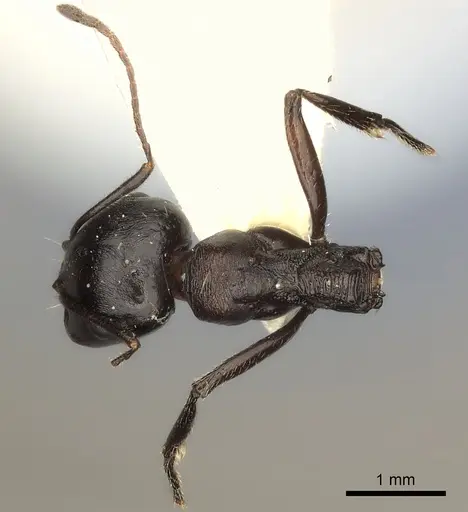
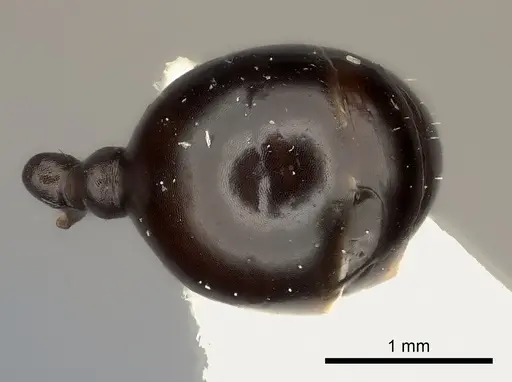
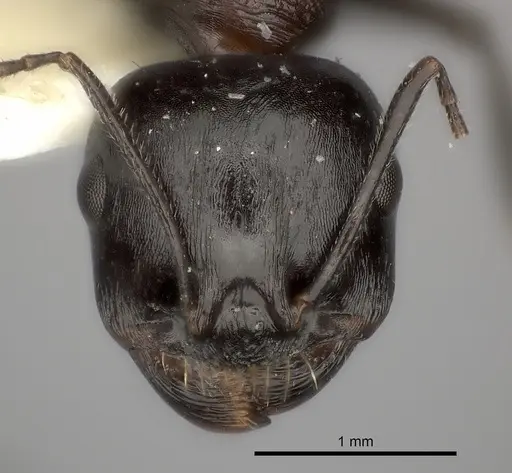
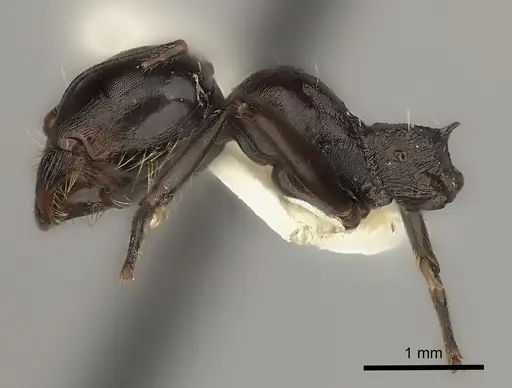
CASENT0915455
View on AntWeb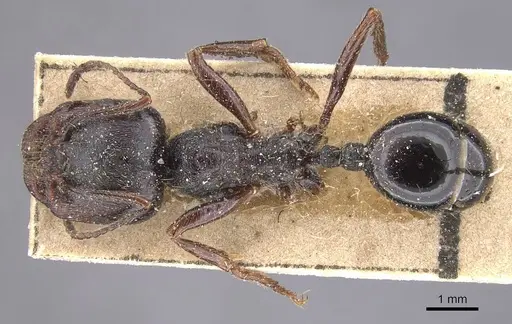
Literature
Loading...Loading products...