

Messor sanctus
- Scientific Name
- Messor sanctus
- Tribe
- Stenammini
- Subfamily
- Myrmicinae
- Author
- Emery, 1921
- Distribution
- Found in 3 countries
Messor sanctus Overview
Messor sanctus is an ant species of the genus Messor. It is primarily documented in 3 countries , including Algeria, Morocco, Tunisia. Detailed taxonomic data and occurrence records can be further explored via authoritative databases such as AntWeb or the Global Biodiversity Information Facility (GBIF).
Messor sanctus
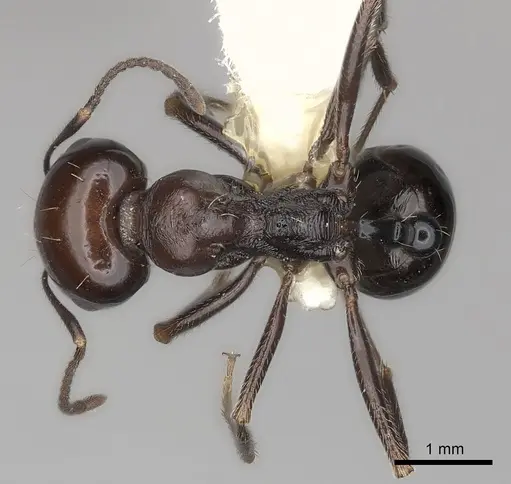
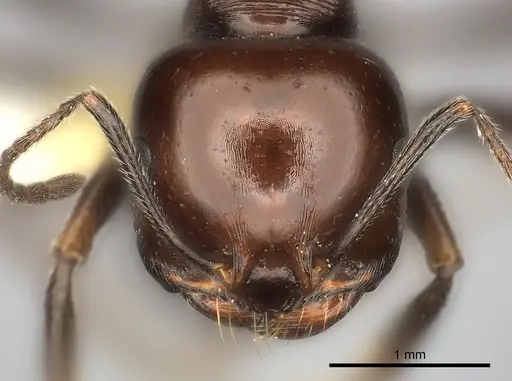
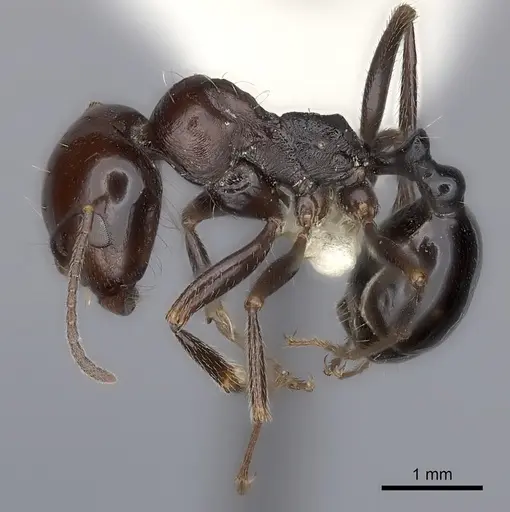
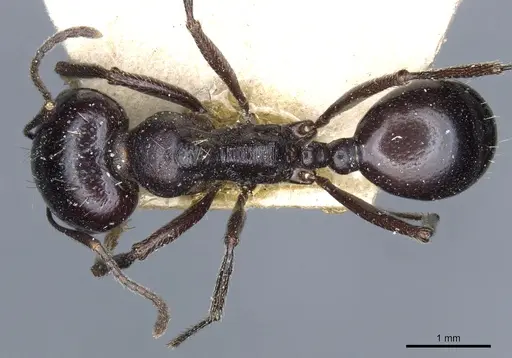
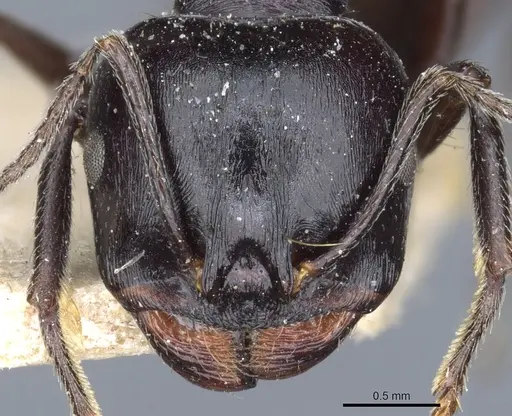
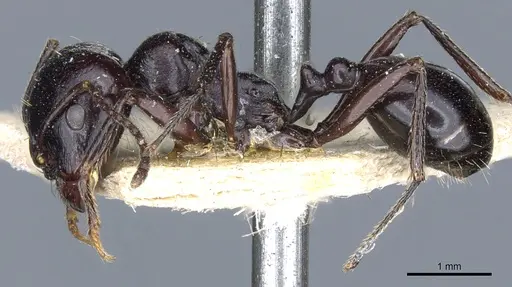
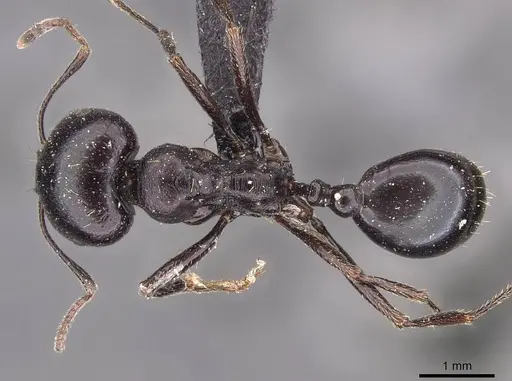
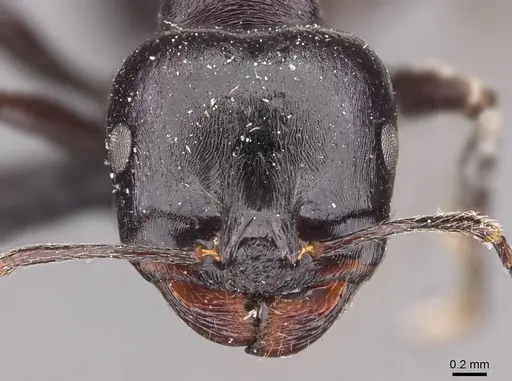
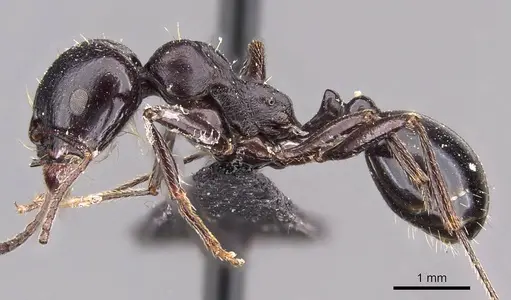
Messor sanctus is a small harvester ant native to the Mediterranean region of North Africa. Workers measure 4-7mm and have a distinctive black matte body with a pubescent gaster (abdomen) but no erect hairs. The pronotum shows transverse wrinkling, and the petiole is elevated. This species belongs to the aegyptiacus group and is found across Algeria, Tunisia, Morocco, Libya, and Sicily. Like other Messor species, they are seed-harvesting ants that form foraging columns to collect seeds from the surrounding area. They build extensive gallery networks in sandy substrates, creating meshed structures that balance efficiency and robustness for colony navigation. This species is fairly rare in parts of its range and may be introduced in some areas of Morocco.
Quick Summary
- Difficulty: Easy
- Origin & Habitat: Mediterranean North Africa (Algeria, Tunisia, Morocco, Libya, Sicily). Found in warm, dry to semi-arid habitats with sandy or grazed areas [1][2].
- Colony Type: Single-queen (monogyne) colonies, typical for Messor genus. Queens are claustral, sealing themselves in to raise the first workers alone.
- Colony: Monogyne
- Founding: Claustral
- Size & Growth:
- Queen: Estimated 7-9mm based on genus patterns (queens larger than workers)
- Worker: 4-7mm [3][4]
- Colony: Estimated several hundred workers based on related Messor species
- Growth: Moderate, seed-eating ants typically grow at moderate pace
- Development: Estimated 6-10 weeks based on related Messor species at optimal temperature (Development time inferred from genus patterns, actual timeline may vary with temperature)
- Antkeeping:
- Temperature: Keep at 22-26°C (room temperature to warm). Mediterranean species tolerates a range but grows best in warmth [5].
- Humidity: Low to moderate. These are dry-adapted ants from arid Mediterranean regions, keep substrate relatively dry, not waterlogged.
- Diapause: Yes, provide a cool period (10-15°C) during winter months similar to their native Mediterranean climate
- Nesting: Y-tong (AAC), plaster, or test tube setups work well. They prefer dry to moderately humid nests and will build galleries in sandy substrates. A layer of sand or fine grit allows natural digging behavior [6].
- Behavior: Peaceful harvester ants that focus on seed collection. They form foraging columns and efficiently harvest seeds from designated areas. Workers are not aggressive but will defend the colony if threatened. They have a functional sting though it's rarely felt by humans due to their small size. Escape risk is moderate, use standard barriers but they are not particularly good climbers.
- Common Issues: colonies may decline if seeds are not provided in appropriate sizes for their worker size, dry conditions can cause founding queens to fail, provide slight moisture during founding, wild-caught colonies may carry parasites that affect captive survival, slow growth compared to protein-feeding ants may cause beginners to overfeed, foraging columns require space, ensure adequate outworld area for seed harvesting
Nest Preferences and Housing
Messor sanctus does well in Y-tong (AAC) nests, plaster nests, or test tube setups. They prefer relatively dry conditions with some moisture variation. In the wild, they build gallery networks in sandy substrates, so providing a thin layer of sand or fine grit allows them to exhibit natural digging behavior. They are not aggressive nest-defenders, so observation is easy. A small water tube should be provided for drinking, but do not over-wet the nesting area, these are dry-adapted ants. [6]
Feeding and Diet
As granivorous (seed-eating) ants, Messor sanctus primarily collects and stores seeds. Provide a variety of small seeds appropriate to their worker size, grass seeds, millet, poppy seeds, and similar small seeds work well. They can carry seeds back to the nest for storage. While seeds form the bulk of their diet, they also benefit from occasional protein sources like small insects (fruit flies, small mealworms). Sugar water or honey can be offered occasionally but is not required. They form foraging columns and will systematically harvest seeds from one pile before moving to the next [5].
Temperature and Seasonal Care
Keep these ants warm at 22-26°C for optimal growth and activity. They are Mediterranean species and tolerate room temperature well. During winter, provide a cool period at 10-15°C to simulate their natural seasonal cycle, this helps maintain colony health and may trigger spring breeding behavior. Avoid temperatures below 10°C for extended periods. Heating is not strictly required if your room stays in the 20s°C range, but a heating cable on one side of the nest can create a gradient they will use to regulate their temperature. [5]
Foraging Behavior
Messor sanctus demonstrates sophisticated foraging strategies. They form organized foraging columns that travel between the nest and food sources. Research shows they efficiently harvest seeds, with mean foraging rates around 7 seeds per minute when working from a single pile [5]. They exploit resources fully before moving to additional food sources, which helps them compete with other seed-eating ants. They can be trained to navigate mazes using seeds as rewards, making them interesting for observation [7]. Provide an outworld space where they can establish foraging trails.
Growth and Development
Colony growth is moderate compared to many ant species. Founding queens seal themselves in a chamber and raise the first workers (nanitics) alone using stored fat reserves. The first workers are typically smaller than mature workers. Growth rate depends on food availability, seed stores allow for steady but not rapid expansion. A healthy colony may reach several hundred workers over 1-2 years under good conditions. Unlike protein-heavy diets of predatory ants, their seed-based diet supports steady rather than explosive growth.
Frequently Asked Questions
How long does it take for Messor sanctus to raise first workers?
Expect first workers (nanitics) in 6-10 weeks after the queen lays eggs, assuming optimal temperature around 24°C. This is typical for Messor species, though exact timing varies with temperature and feeding.
Can I keep Messor sanctus in a test tube?
Yes, test tubes work well for founding colonies and small groups. Ensure the water reservoir is not too large to avoid flooding the chamber, and provide seeds in the outworld area.
What do Messor sanctus eat?
They primarily eat seeds, provide small grass seeds, millet, poppy seeds, or commercial ant seeds. Occasional small insects and occasional sugar water or honey are good supplements.
Do Messor sanctus ants sting?
They have a sting but rarely use it against humans. Their small size means the sting typically cannot penetrate human skin. They are not aggressive and focus on seed collection.
Are Messor sanctus good for beginners?
Yes, they are considered easy to keep. They are forgiving of minor temperature fluctuations, do not require high humidity, and their seed-based diet is easy to provide. The main challenge is patience, seed-eating ants grow more slowly than protein-fed species.
Do Messor sanctus need hibernation?
Yes, provide a cool period (10-15°C) during winter months. This mimics their Mediterranean climate and helps maintain colony health. Reduce feeding during this period and allow the colony to slow down.
When should I move Messor sanctus to a formicarium?
Move them when the colony reaches around 50-100 workers and the test tube space becomes cramped. They will benefit from additional space for seed storage and gallery building.
How big do Messor sanctus colonies get?
Colonies typically reach several hundred workers. Maximum size is not well-documented but related Messor species commonly reach 500+ workers.
Why are my Messor sanctus not foraging?
Check that seeds are appropriately sized (they can only carry what fits), ensure the outworld is accessible, and verify temperature is warm enough (below 20°C reduces activity). They may also simply be storing seeds, check if seed caches exist in the nest.
Can I keep multiple Messor sanctus queens together?
No, Messor species are typically single-queen colonies. Combining unrelated queens will likely result in fighting. Only keep one queen per colony.
References

This caresheet is licensed under CC BY-SA 4.0 .
Literature
Loading...Loading products...