

Messor rufus
- Scientific Name
- Messor rufus
- Tribe
- Stenammini
- Subfamily
- Myrmicinae
- Author
- Emery, 1922
- Distribution
- Found in 1 countries
Messor rufus Overview
Messor rufus is an ant species of the genus Messor. It is primarily documented in 1 countries , including Syrian Arab Republic. Detailed taxonomic data and occurrence records can be further explored via authoritative databases such as AntWeb or the Global Biodiversity Information Facility (GBIF).
Messor rufus
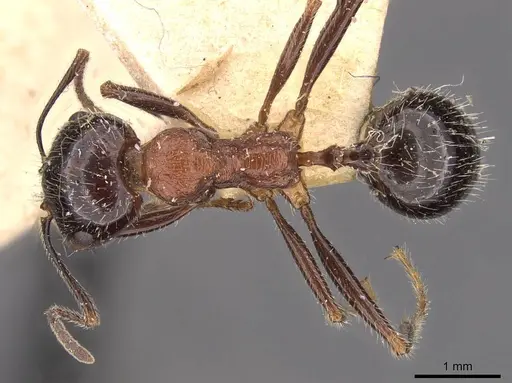
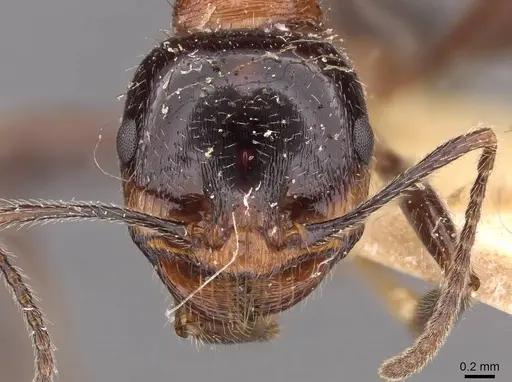
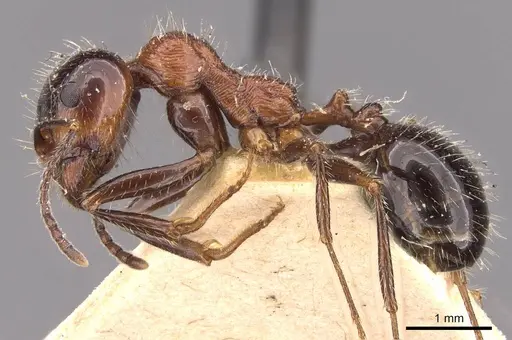
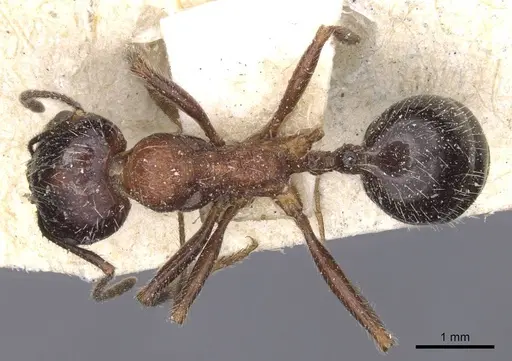
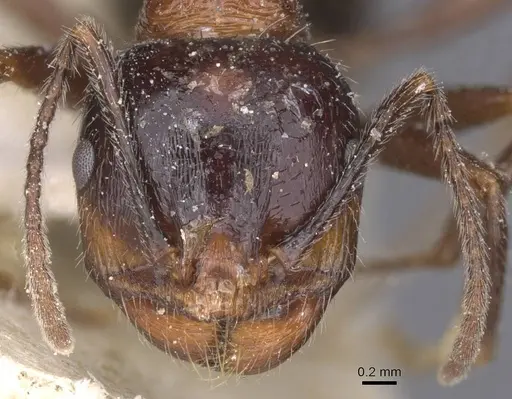
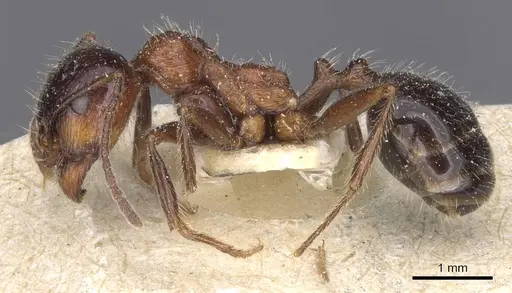
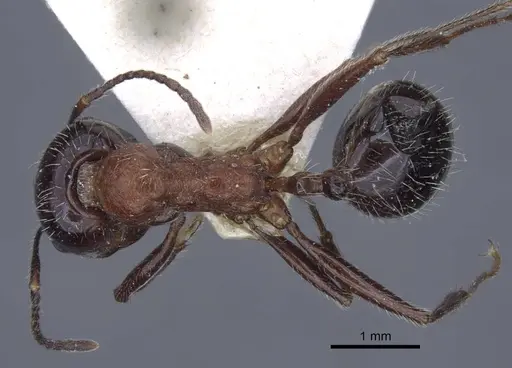
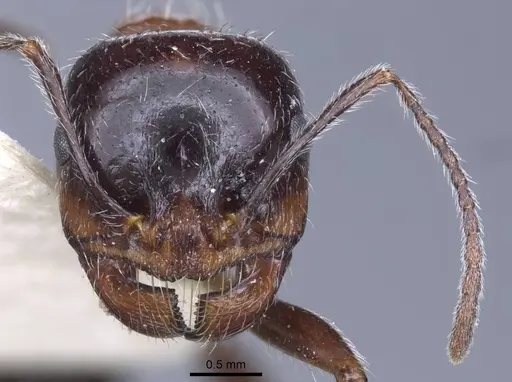
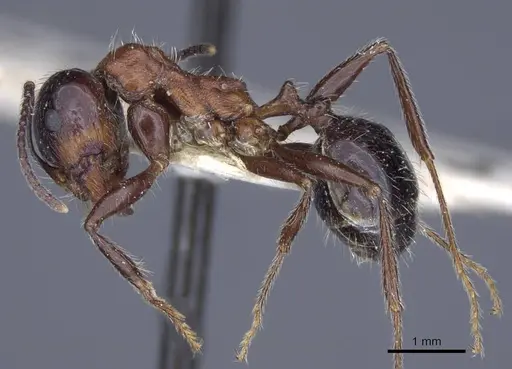
Messor rufus is a medium-sized harvester ant species native to the steppe and mountainous regions of Central Asia, including Kazakhstan, Kyrgyzstan, Uzbekistan, and parts of the Middle East [1][2]. Workers are typically reddish-brown to dark brown in color, with the characteristic heart-shaped heads that Messor ants are known for, adapted for carrying and crushing seeds. Queens are significantly larger than workers and have robust, well-developed bodies suited for claustral founding. This species inhabits elevations ranging from around 1670m in Kyrgyzstan to 2000m in Lebanon, indicating a preference for cooler, semi-arid to arid habitats [3][2]. As a harvester ant, Messor rufus plays an important ecological role in seed dispersal and soil disturbance in its native grassland and steppe ecosystems.
Quick Summary
- Difficulty: Easy
- Origin & Habitat: Native to the Palaearctic region, specifically found in Kazakhstan, Kyrgyzstan, Uzbekistan, and Syria [1]. Inhabits steppe and semi-arid grassland environments at elevations between 1670-2000m [3][2]. The species prefers open, dry habitats with sparse vegetation where it can forage for seeds.
- Colony Type: Single-queen colonies (monogyne), typical for the genus Messor. Queens establish colonies independently through claustral founding.
- Colony: Monogyne
- Founding: Claustral
- Size & Growth:
- Queen: 10-12mm estimated based on genus patterns
- Worker: 4-8mm, major workers are larger than minors
- Colony: Up to several thousand workers, typical for Messor species
- Growth: Moderate, seed-harvesting ants typically grow more steadily than predatory species
- Development: Approximately 8-12 weeks at optimal temperature, based on typical Messor development patterns (Development is temperature-dependent, cooler temperatures slow growth significantly)
- Antkeeping:
- Temperature: Keep at 20-26°C with a slight gradient. This species tolerates cooler conditions better than tropical ants due to its Central Asian origins [4]. Room temperature (around 20-22°C) is often suitable, with a warm spot around 24-26°C for brood development.
- Humidity: Low to moderate humidity (30-50%). These are dry-adapted ants from steppe environments, keep the nest relatively dry with only small water tubes for drinking. Avoid damp conditions that can cause mold.
- Diapause: Yes, this species requires a winter dormancy period. Reduce temperature to 10-15°C for 3-4 months during winter, mimicking the cold winters of its native Central Asian habitat.
- Nesting: Y-tong (AAC), plaster, or naturalistic setups work well. Provide a dry nest chamber with some substrate for seed storage. These ants do well in formicariums with chambers scaled to their size.
- Behavior: Generally calm and non-aggressive foragers. Workers search for seeds and other plant matter, storing them in the nest. They are not particularly defensive and rarely sting. Escape risk is moderate, they are medium-sized ants but can climb smooth surfaces. Standard escape prevention measures are sufficient. Workers are active throughout the day, foraging in the warmer hours.
- Common Issues: mold from excessive moisture, keep nesting area dry, colonies failing to establish if queens are overstressed during founding, winter mortality if diapause conditions are not provided or temperature drops too low, seed storage can attract mold if not managed, remove uneaten seeds periodically, slow growth compared to tropical species may cause keepers to overfeed
Nest Preferences and Housing
Messor rufus does well in a variety of captive setups. Y-tong (acrylic) nests work excellently because they allow you to observe the colony and maintain proper humidity levels. Plaster nests are also suitable, especially if you want a more naturalistic setup. The key is providing a dry, stable environment, these ants come from steppe regions where conditions are arid for much of the year. The nest should have chambers sized appropriately for the colony, too large and the ants may feel exposed, too small and they'll outgrow it quickly. Include an outworld area where foragers can move seeds and debris. A water test tube should always be available, but don't overdo the moisture, these are not rainforest ants. [1][2][3]
Feeding and Diet
As harvester ants, Messor rufus primarily eats seeds, this is their namesake behavior. Provide a variety of seeds including grass seeds, millet, sunflower seeds (crushed or small), and commercial ant seed mixes. They will also accept protein sources like small insects (dead or alive), but seeds should make up the bulk of their diet. Unlike many ants, Messor species store seeds in their nest, creating food reserves similar to how farmers store grain. Offer protein 1-2 times per week and keep seeds constantly available. Remove any moldy seeds promptly to prevent health issues. Some colonies will also accept sugar water or honey occasionally, though this is not a required part of their diet.
Temperature and Seasonal Care
Messor rufus does best at moderate temperatures around 20-26°C. A temperature gradient is ideal, let the ants choose their comfort zone by placing a heat source on one side of the outworld or nest. Since this species originates from Central Asia where winters are cold, they require an annual diapause (winter rest). In autumn, gradually reduce the temperature to around 10-15°C and keep them there for 3-4 months. This mimics the seasonal cycle they would experience in the wild and helps maintain healthy colony rhythms. Do not feed during diapause, the colony will be largely dormant. In spring, slowly warm them back up and resume feeding. This species handles cooler temperatures better than most tropical ants, making it forgiving for keepers in cooler climates. [4][1]
Behavior and Colony Dynamics
Messor rufus is a calm, industrious species that makes an excellent beginner ant. Workers are active foragers that search for seeds and other plant materials during the warmer parts of the day. The colony will establish underground granaries where they store seeds for later consumption, this is fascinating behavior to observe. Unlike some ants, they are not particularly aggressive and rarely sting, making them safe to handle. The colony grows moderately, not as fast as tropical species but steadily once established. Major workers (larger ants) develop over time and help with seed processing. Queens can live for many years, with colonies potentially reaching several thousand workers in optimal conditions.
Frequently Asked Questions
How long does it take for Messor rufus to produce first workers?
Expect first workers (nanitics) approximately 8-12 weeks after the queen lays eggs, assuming temperatures around 24-26°C. Cooler temperatures will significantly slow development. The queen will remain sealed in her founding chamber until the first workers emerge.
Do Messor rufus ants need hibernation?
Yes, this species requires an annual winter dormancy. Reduce temperatures to 10-15°C for 3-4 months during winter. This is essential for maintaining healthy colony cycles and mimics their natural habitat in Central Asia.
What do Messor rufus eat?
They are seed-eaters (granivorous). Offer a variety of seeds like grass seeds, millet, and crushed sunflower seeds. They also accept small insects for protein. Seeds should be constantly available, with protein offered 1-2 times weekly.
Can I keep multiple Messor rufus queens together?
No. Messor rufus is a single-queen species (monogyne). Combining unrelated queens will result in fighting. Only keep one queen per colony.
Are Messor rufus ants good for beginners?
Yes, they are considered easy to keep. They are forgiving of temperature variations, don't require high humidity, and are calm in temperament. Their seed-based diet is also easy to maintain compared to species requiring live prey.
How big do Messor rufus colonies get?
Mature colonies can reach several thousand workers. Growth is moderate, expect a few hundred workers in the first year under good conditions, with growth continuing over several years.
Do Messor rufus ants sting?
They have the ability to sting but rarely do so. They are not aggressive toward keepers and are considered safe to handle gently. Their main defense is fleeing rather than attacking.
What temperature range is best for Messor rufus?
Keep them at 20-26°C with a slight gradient. Room temperature (around 20-22°C) is often suitable, with a warm spot around 24-26°C for faster brood development. They tolerate cooler temperatures better than tropical ants.
When should I move my Messor rufus to a formicarium?
Keep them in a founding setup (test tube or small container) until the colony reaches at least 50-100 workers. Moving too early can stress the colony. Once they need more space, transfer to a Y-tong or plaster nest.
Why are my Messor rufus dying during winter?
This often happens if the colony is too young or if temperatures drop too suddenly. Ensure the cooling is gradual (over 1-2 weeks) and that the colony is well-established (at least 50 workers) before dormancy. Also verify they have access to water during winter.
References

This caresheet is licensed under CC BY-SA 4.0 .
Literature
Loading...Loading products...