

Messor postpetiolatus
- Scientific Name
- Messor postpetiolatus
- Tribe
- Stenammini
- Subfamily
- Myrmicinae
- Author
- Santschi, 1917
- Distribution
- Found in 1 countries
Messor postpetiolatus Overview
Messor postpetiolatus is an ant species of the genus Messor. It is primarily documented in 1 countries , including Tunisia. Detailed taxonomic data and occurrence records can be further explored via authoritative databases such as AntWeb or the Global Biodiversity Information Facility (GBIF).
Messor postpetiolatus
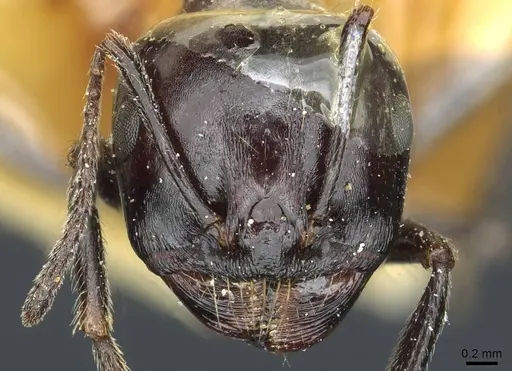
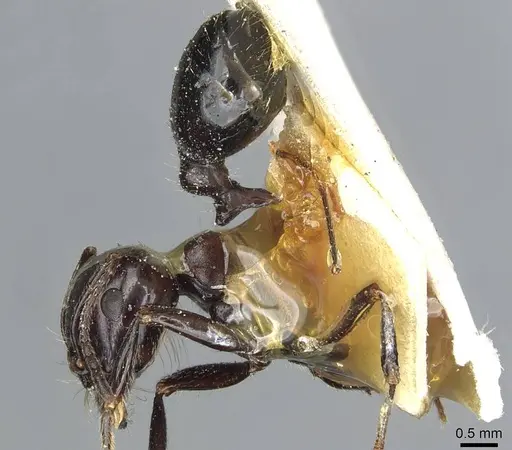
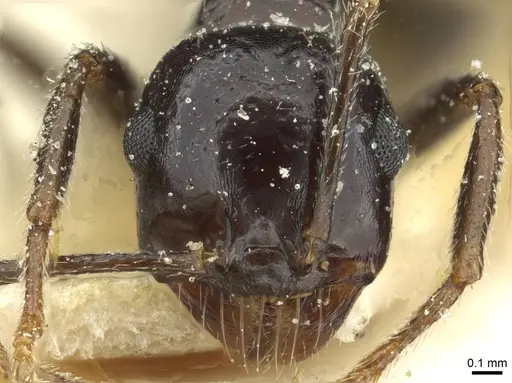
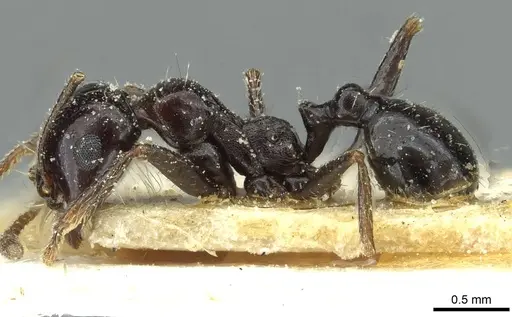
Messor postpetiolatus is a small to medium-sized harvester ant native to Tunisia in North Africa. Workers measure 3.8-8.4mm with a distinctive color pattern: the head and gaster are black-brownish while the thorax is dark red [1][2]. The propodeum (the section behind the thorax) is rounded or has a small tooth in larger workers over 7mm, and the petiole has a characteristic sugar-loaf shape [1][2]. This species was originally described from Kairouan in central Tunisia and has not been rediscovered since its initial description, making it one of the rarer Messor species in the hobby [2].
As a harvester ant, Messor postpetiolatus collects and stores seeds as their primary food source, making them fascinating to watch as they manage their food stores. The genus Messor is known for their organized seed-processing behaviors, where workers crack open seeds to access the nutritious contents inside.
Quick Summary
- Difficulty: Medium
- Origin & Habitat: Tunisia in North Africa (Palaearctic Region). Found in the Kairouan region of central Tunisia [2]. Based on typical Messor habitat preferences, they likely inhabit dry to semi-arid Mediterranean areas with sparse vegetation.
- Colony Type: Single-queen (monogyne) colonies based on typical Messor genus patterns. Colony size reaches up to several thousand workers in related species.
- Colony: Monogyne
- Founding: Claustral
- Size & Growth:
- Queen: Estimated 10-12mm based on genus patterns (not directly measured for this species)
- Worker: 3.8-8.4mm [1][2]
- Colony: Several thousand workers (estimated based on related Messor species)
- Growth: Moderate
- Development: 8-12 weeks estimated based on related Mediterranean Messor species (Development time is estimated from related species, specific data for M. postpetiolatus is not available)
- Antkeeping:
- Temperature: Keep at 22-26°C. Mediterranean species prefer warm conditions with a slight temperature gradient in the nest [3]
- Humidity: Low to moderate humidity (40-60%). Allow the nest to dry out between waterings, these are dry-adapted ants [3]
- Diapause: Yes, provide a winter rest period of 8-12 weeks at 10-15°C. This mimics their natural Mediterranean seasonal cycle.
- Nesting: Dry nests work best. Y-tong (AAC), plaster, or formicarium setups with dry to slightly moist substrate. Avoid overly humid conditions.
- Behavior: Generally peaceful but can become defensive when their nest is disturbed. Workers are active foragers that search for seeds and will defend food sources. They are not aggressive toward humans but may bite if handled roughly. Escape risk is moderate, use standard barrier methods.
- Common Issues: colonies may fail if humidity is too high, keep nesting area dry, winter diapause is essential for colony health, skipping hibernation can weaken the colony over time, seed storage can attract mold if the nest is too wet, monitor moisture levels, small colony sizes in founding phase require careful monitoring, queens can die if stressed, limited availability since the species has not been rediscovered in the wild
Nest Preferences
Messor postpetiolatus prefers dry nesting conditions similar to other Mediterranean harvester ants. In captivity, they do well in Y-tong (AAC) nests, plaster nests, or formicarium setups. The nesting area should be kept relatively dry with only occasional moisture in a water reservoir section. Avoid setups that maintain high humidity throughout, these ants are adapted to arid conditions. A small water chamber for drinking water is sufficient, the nesting chambers should remain dry. Flat stones or naturalistic setups with dry substrate also work well for this species. [1][3]
Feeding and Diet
As a harvester ant, Messor postpetiolatus primarily collects and stores seeds. In captivity, offer a variety of seeds such as grass seeds, millet, poppy seeds, and other small seeds. They will crack open seeds to eat the starchy interior, which is their main energy source. Occasionally supplement their diet with small insects like fruit flies or small crickets for protein, especially important for the queen during egg production. Fresh water should always be available. Unlike some ants, they do not strongly rely on sugar water, though they may occasionally accept it. [3]
Temperature and Care
Maintain nest temperatures between 22-26°C. These ants come from Tunisia's Mediterranean climate and prefer warm, stable conditions. A heating cable on one side of the nest can create a temperature gradient, allowing the ants to regulate their own temperature by moving between warmer and cooler areas. Room temperature within this range is usually sufficient. During the active season (spring through fall), keep them warm, in winter, they require a diapause period. [3]
Seasonal Care and Diapause
Messor postpetiolatus requires a winter diapause period to stay healthy. From late autumn through winter (approximately November to March in the Northern Hemisphere), reduce the temperature to 10-15°C. This simulates their natural seasonal cycle in Tunisia. During diapause, reduce feeding to once every 2-3 weeks and keep the nest slightly cooler. Do not feed them heavily during this period as their metabolism slows down. Return them to normal temperatures in spring to trigger renewed activity and egg-laying. [3]
Behavior and Temperament
This species is generally calm and not particularly aggressive. Workers are active foragers that spend time collecting and processing seeds. When disturbed, they may display defensive behavior by raising their abdomen or biting, but they are not considered dangerous to humans. Colonies establish well once the queen raises her first workers (nanitics), and the colony grows steadily over several years. They are moderate escape artists, standard barrier methods like fluon on the rim of the outworld are sufficient to contain them. [3]
Frequently Asked Questions
How long does it take for Messor postpetiolatus to have first workers?
Expect first workers (nanitics) to emerge 8-12 weeks after the queen lays eggs, depending on temperature. This is estimated from related Mediterranean Messor species since specific development data for M. postpetiolatus is not available.
Can I keep Messor postpetiolatus in a test tube?
Yes, test tubes work well for founding colonies. Use a standard test tube setup with a water reservoir at one end. Keep the cotton dry once the colony is established, these ants prefer dry conditions.
What do Messor postpetiolatus eat?
Their primary food is seeds, offer grass seeds, millet, poppy seeds, and similar small seeds. They also occasionally accept small insects for protein. Fresh water should always be available.
Do Messor postpetiolatus ants sting?
They can bite if handled roughly, but they are not considered dangerous. Their bite is mild and not medically significant.
Do Messor postpetiolatus need hibernation?
Yes, they require a winter diapause period. Keep them at 10-15°C for 8-12 weeks during winter. This is essential for their long-term health and triggers spring breeding activity.
Are Messor postpetiolatus good for beginners?
They are intermediate-level ants. Their seed-based diet is straightforward, but they require proper temperature management and winter diapause. They are harder to find than common species since they have not been rediscovered in the wild.
How big do Messor postpetiolatus colonies get?
Based on related species, colonies likely reach several thousand workers over several years of growth.
When should I move my Messor postpetiolatus to a formicarium?
Move them when the test tube becomes crowded, typically when the colony reaches 50-100 workers. Make sure the formicarium has appropriate dry conditions and escape prevention.
Why are my Messor postpetiolatus dying?
Common causes include: too high humidity (keep nesting area dry), skipping winter diapause, poor seed quality, or stress during founding. Check that the nest environment matches their dry Mediterranean preferences.
Can I keep multiple queens together?
No. Messor postpetiolatus is monogyne, single-queen colonies. Multiple queens will fight. Only keep one queen per colony.
References

This caresheet is licensed under CC BY-SA 4.0 .
CASENT0913210
View on AntWeb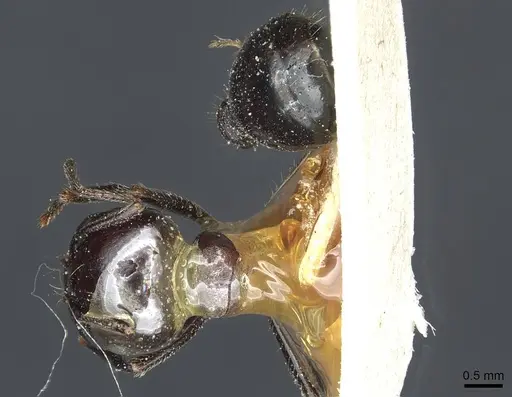
CASENT0913211
View on AntWeb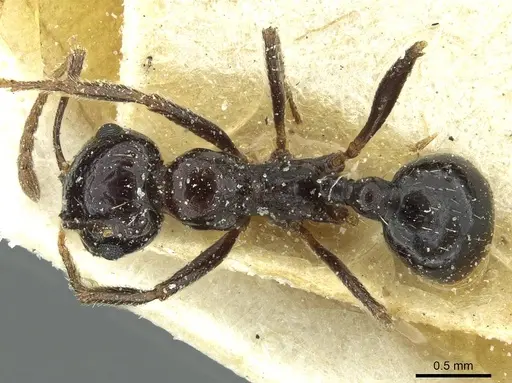
Literature
Loading...Loading products...