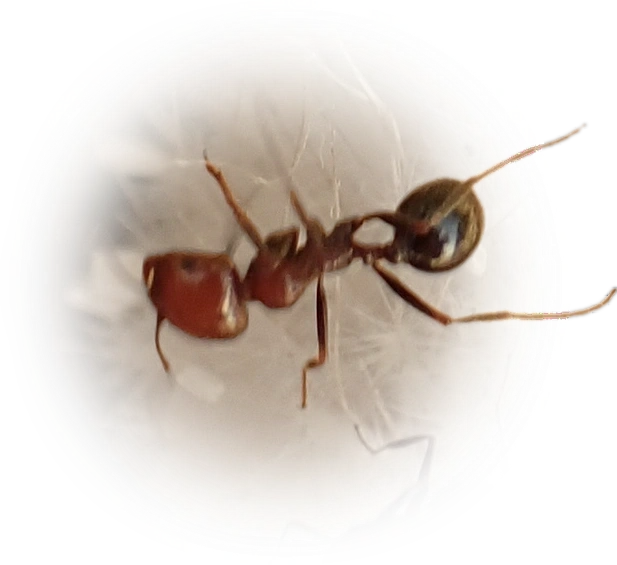

Messor minor
- Scientific Name
- Messor minor
- Tribe
- Stenammini
- Subfamily
- Myrmicinae
- Author
- André, 1883
- Common Name
- Canary Islands Harvester Ant
- Distribution
- Found in 5 countries
Messor minor Overview
Messor minor (commonly known as the Canary Islands Harvester Ant) is an ant species of the genus Messor. It is primarily documented in 5 countries , including Spain, France, Italy. Detailed taxonomic data and occurrence records can be further explored via authoritative databases such as AntWeb or the Global Biodiversity Information Facility (GBIF).
Messor minor - "Canary Islands Harvester Ant"
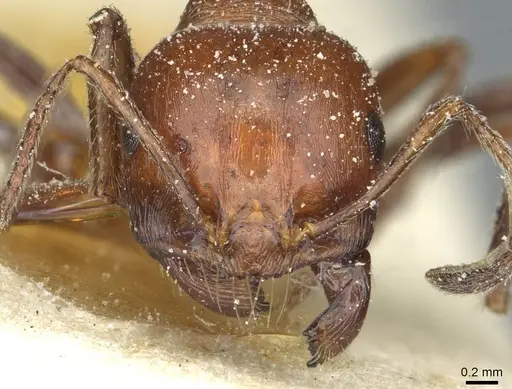
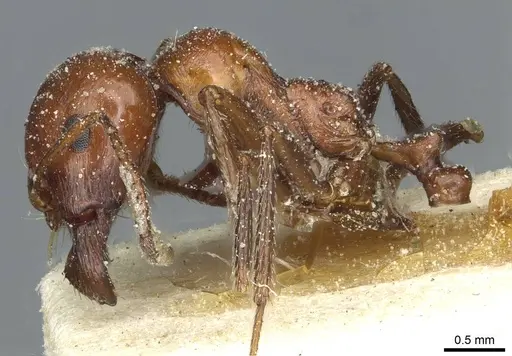
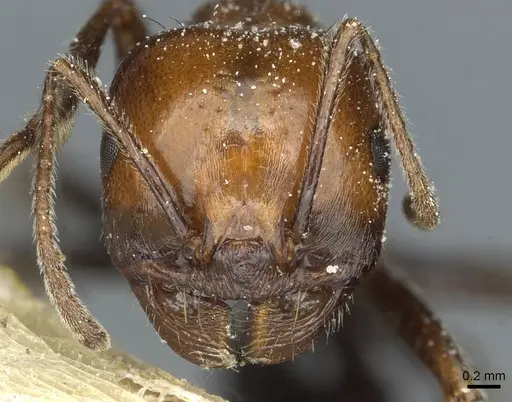
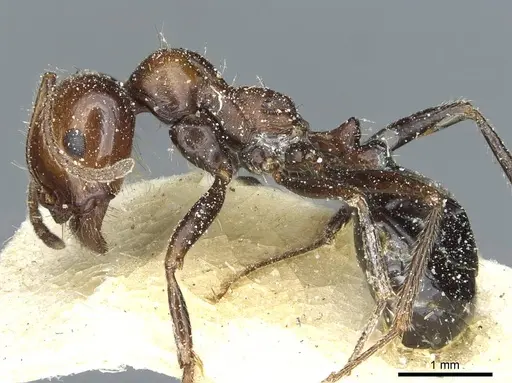
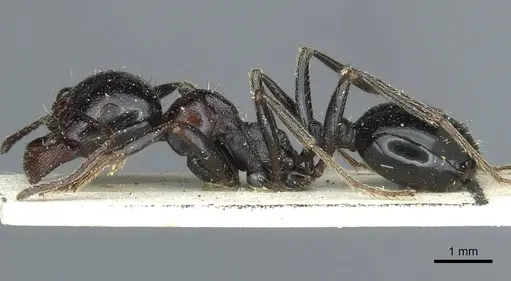
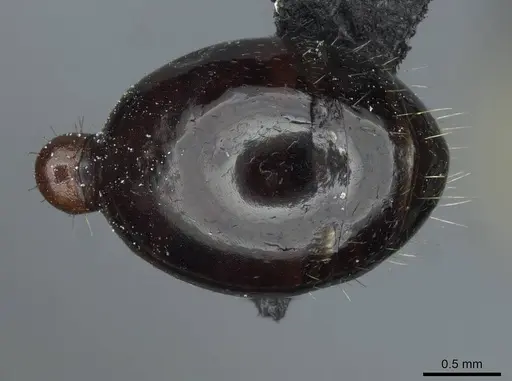
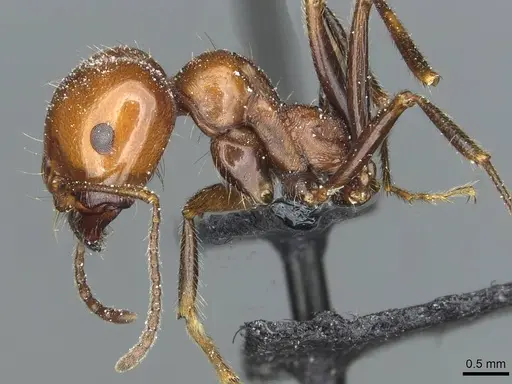
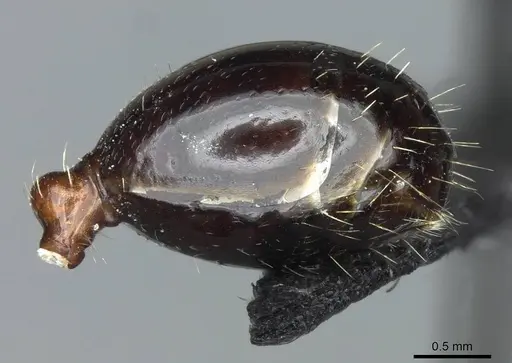
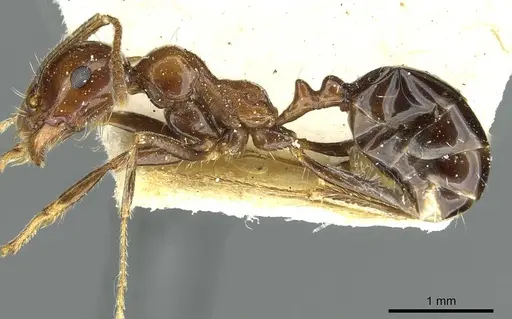
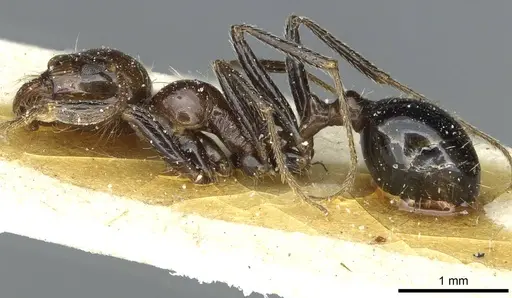
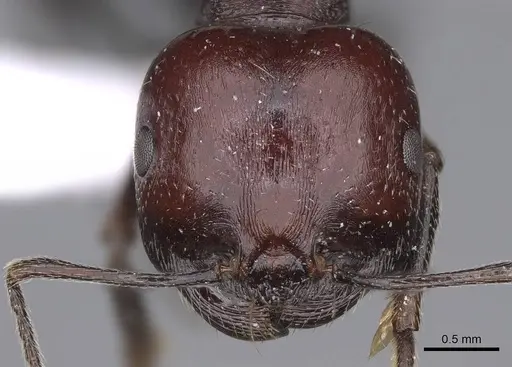
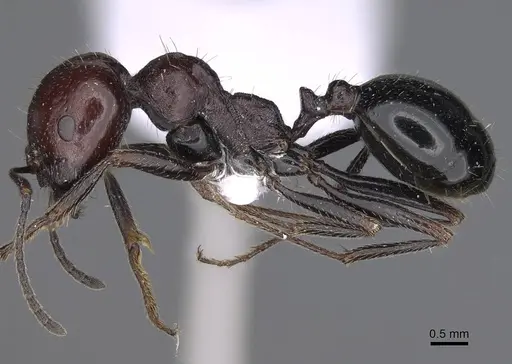
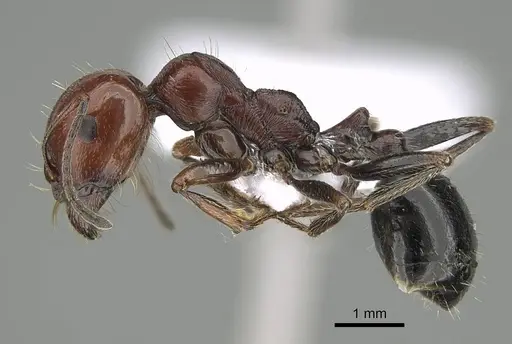
Messor minor is a medium-sized harvester ant native to the Mediterranean region, ranging from North Africa and southern Europe through the Middle East to Iran. Workers measure 4-8mm and display a striking bicolored pattern with a bright red head and mesosoma (middle body section), contrasting with a black gaster (back section). This red-headed appearance makes them distinctive and popular among antkeepers. They are seed-harvesting ants that also actively collect dead insects, making them more predatory than some related species. Colonies typically contain several hundred to a few thousand workers and establish nests in sandy soils in warm, Mediterranean habitats.
Quick Summary
- Difficulty: Easy
- Origin & Habitat: Mediterranean Basin, native to Italy (especially along the Tyrrhenian Sea), Corsica, Sardinia, Sicily, North Africa (Morocco, Tunisia, Algeria), and extends east to Iran, Iraq, Israel, and Saudi Arabia. Found in warm, dry to semi-dry habitats with sandy soils [1][2].
- Colony Type: Monogyne (single queen) colonies, queens mate only once (monandrous). Documented worker replacement reproductives when queen dies, with workers capable of laying eggs that can develop into males [3][4].
- Colony: Monogyne
- Founding: Claustral
- Size & Growth:
- Queen: Estimated 8-10mm based on genus patterns
- Worker: 4-8mm (most workers 4.3-6mm) [1][5][6]
- Colony: Several hundred to a few thousand workers [4][7]
- Growth: Moderate
- Development: 6-10 weeks (estimated based on related Messor species and laboratory observations showing larvae developing slowly over winter, first workers appearing mid-July from November collection) [8][3] (Development is temperature-dependent, heated conditions accelerate growth. Workers raised from worker-laid eggs develop normally but may produce males rather than new workers)
- Antkeeping:
- Temperature: Keep at 22-26°C. This species prefers warm conditions, Ellenberg temperature indicator value of 6.56 suggests preference for warm Mediterranean climates [1]. A heating cable on one side of the nest creates a gradient they can choose from.
- Humidity: Low to moderate, Ellenberg soil moisture indicator of 3.36 indicates prefer drier conditions. Keep nest substrate moderately dry, not waterlogged. Provide a water tube but avoid excessive moisture.
- Diapause: Yes, colonies from Mediterranean populations likely require a mild winter rest period (diapause) at 10-15°C for 2-3 months, similar to other Mediterranean Messor species. Reduce feeding and keep cool during winter months.
- Nesting: Y-tong (AAC) nests work well for this species. They prefer干燥 conditions so plaster nests may be too humid. Provide a sandy substrate if using a naturalistic setup. They are not aggressive chewers so acrylic or ytong are preferred over wooden nests.
- Behavior: Generally peaceful but defensive around the nest. Workers forage in organized trunk trails, creating fan patterns at trail ends to collect seeds and dead insects [1]. They are active foragers and will readily take protein foods. Minor stings are possible but rare, their stingers are small and rarely penetrate human skin. Escape risk is moderate due to their medium size, standard barrier methods work well.
- Common Issues: colonies may fail during winter if kept too warm, provide proper diapause conditions, overfeeding can lead to mold in nest, remove uneaten food promptly, hybridization with related Messor species in the wild means wild-caught colonies may be mixed, source from reputable suppliers, slow founding phase, claustral queens may take months to produce first workers, patience is essential, worker-laid eggs can produce males but not workers, don't expect colony recovery if queen dies without replacement
Housing and Nest Setup
Messor minor does well in Y-tong (AAC) nests or acrylic formicariums. They prefer drier conditions than many ants, so avoid overly humid setups. Provide a test tube setup for founding colonies with a water reservoir. Once established (50+ workers), they can move to a proper formicarium. Use a standard outworld (foraging area) connected to the nest. Because they are medium-sized ants, standard barrier methods like fluon work well for escape prevention. They are not aggressive chewers, so wooden nests are not recommended. [1]
Feeding and Diet
As harvester ants, Messor minor primarily collects seeds but shows strong preference for dead insects over seeds alone [9]. Offer a mix of grass seeds, bird seed, and dried mealworms. They will readily take dead insects like crickets, mealworms, and fruit flies. Unlike some harvester ants, they are less omnivorous and prefer animal protein. Provide a constant sugar source (honey water or sugar water) but they may not take it as eagerly as protein. Allow seeds to germinate partially before consumption, they deliberately allow sprouting to make seed coats easier to remove [9].
Temperature and Seasonal Care
Keep nesting areas at 22-26°C with a slight gradient. They naturally occur in warm Mediterranean climates and are active during summer months. During winter, provide a mild diapause period of 2-3 months at 10-15°C, this mimics their natural Mediterranean cycle and promotes healthy colony development. Reduce feeding during diapause. In summer, they are highly active foragers using trunk trail systems [1]. The Ellenberg temperature indicator of 6.56 confirms their preference for warm conditions.
Colony Dynamics and Reproduction
Messor minor colonies are monogyne with a single queen that mates only once (monandrous) [4]. Colonies grow to several hundred to a few thousand workers over several years. If the queen dies, workers can lay eggs that may develop into males, documented in laboratory conditions where worker-laid eggs produced a winged female and males [3]. Nuptial flights occur in October in Corsica [10]. This species can hybridize with related Messor cf. wasmanni in the wild, so wild-caught colonies may be mixed [4].
Foraging Behavior
Workers use trunk trail foraging systems, establishing main trails with workers dispersing in fan patterns at trail ends to search for food [1]. They exploit smaller foraging areas than competing species like M. wasmanni, and seasonal variation is significant, foraging areas expand from 1.54 m² in May to 6.43 m² in August [1]. They are subordinate to M. wasmanni and may be forced to forage in less favorable microhabitats due to competition [1]. In captivity, they will readily form foraging columns to collect seeds and protein.
Unique Physical Characteristics
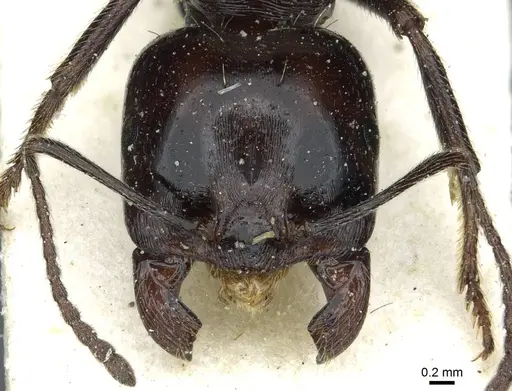
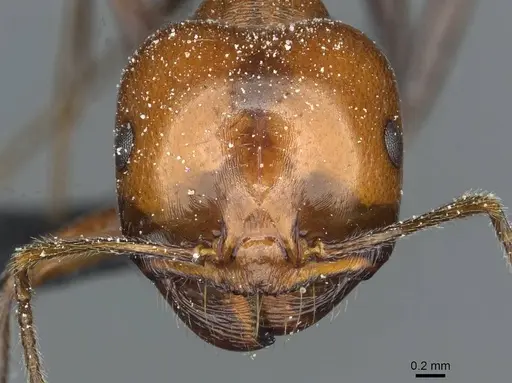
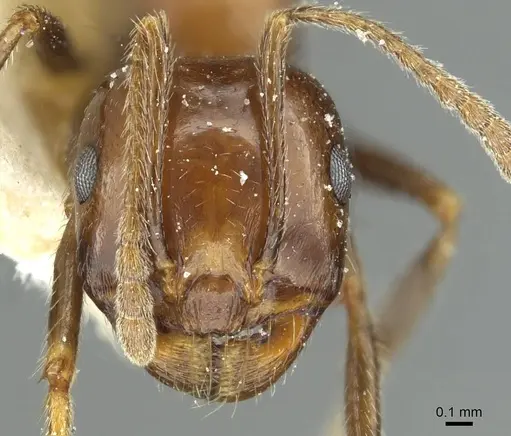
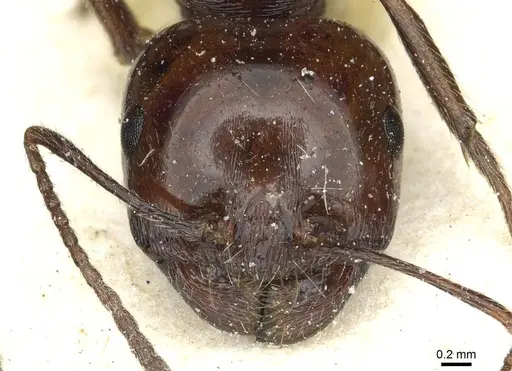
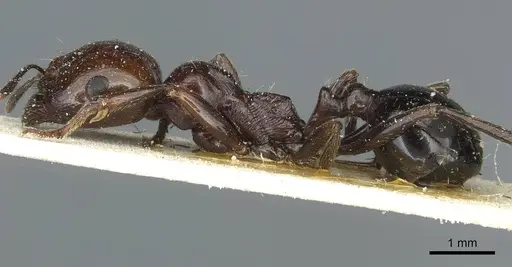
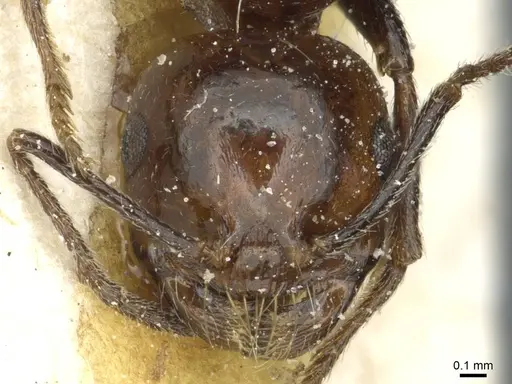
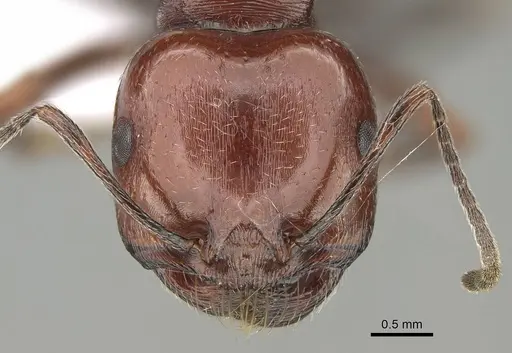
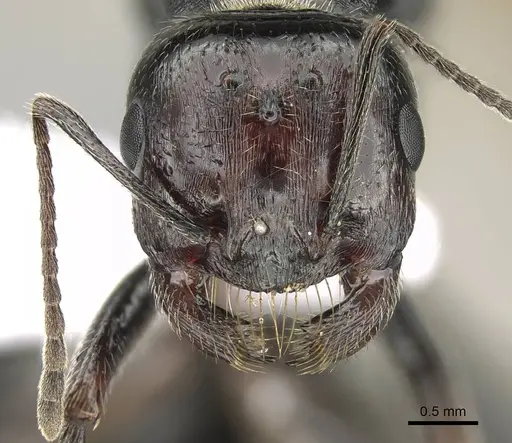
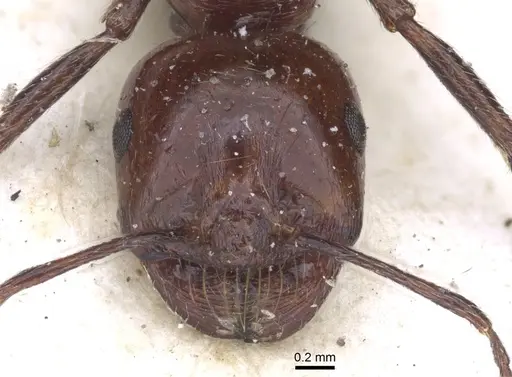
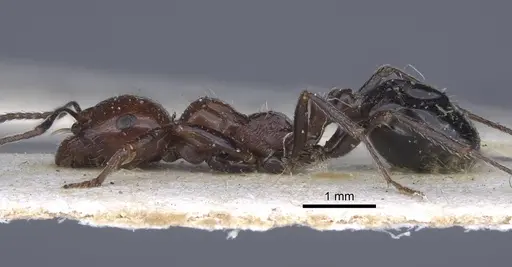
Workers have distinctive red pigmentation on the head and mesosoma, with a black gaster. They have a fully rounded dorsolateral pronotum, well-developed psammophore (hairy structure for carrying sand), and the longest eyes and gular setae among related species [4]. Their cuticle thickness averages 30.5 µm [11]. The psammophore helps them move soil particles during nest construction. These morphological features help distinguish them from similar Mediterranean Messor species.
Frequently Asked Questions
How long does it take for Messor minor queens to produce first workers?
Expect 6-10 weeks at warm temperatures (24-26°C). Laboratory observations show development from eggs laid in November produced first workers by mid-July the following year when kept heated through winter [8]. Patience is essential during the claustral founding phase.
What do Messor minor ants eat?
They prefer dead insects over seeds. Offer protein sources like mealworms, crickets, and fruit flies regularly. Seeds (grass seeds, bird seed) are secondary but will be collected and stored. They also accept sugar water or honey occasionally.
Do Messor minor ants need hibernation?
Yes, provide a mild winter rest (diapause) at 10-15°C for 2-3 months. This mimics their natural Mediterranean cycle. Reduce feeding during this period but ensure access to water.
How big do Messor minor colonies get?
Colonies reach several hundred to a few thousand workers (typically up to 2000-3000). Growth is moderate, taking several years to reach maximum size.
Are Messor minor ants good for beginners?
Yes, they are considered easy to keep. They are not aggressive, don't require high humidity, and are forgiving of minor care mistakes. The main challenges are their slow founding phase and providing proper winter diapause.
Do Messor minor ants sting?
They have stingers but rarely use them on humans. Their stings are minor and not painful for most people. They are not considered dangerous.
Can I keep multiple Messor minor queens together?
No, this species is monogyne (single queen). Unlike some ants, they do not form multi-queen colonies. Introducing multiple unrelated queens will result in fighting.
When do Messor minor nuptial flights occur?
Nuptial flights occur in October, as observed in Corsica [10]. Males and new queens take flight during this autumn period to mate.
What temperature range is ideal for Messor minor?
Keep nest areas at 22-26°C. They prefer warm Mediterranean conditions. A heating cable on part of the nest creates a gradient they can regulate themselves.
Why are my Messor minor workers dying?
Common causes include: improper diapause (no winter rest), excessive humidity causing mold, overfeeding leading to spoilage, or stress from disturbance. Ensure proper dry conditions, provide winter cooling, and remove uneaten food promptly.
References

This caresheet is licensed under CC BY-SA 4.0 .
CASENT0281604
View on AntWeb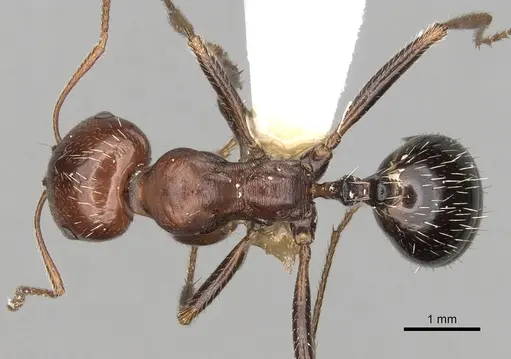
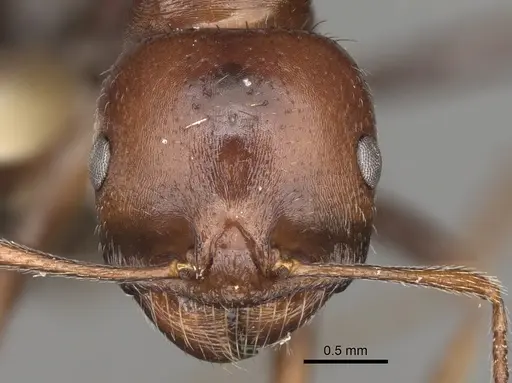
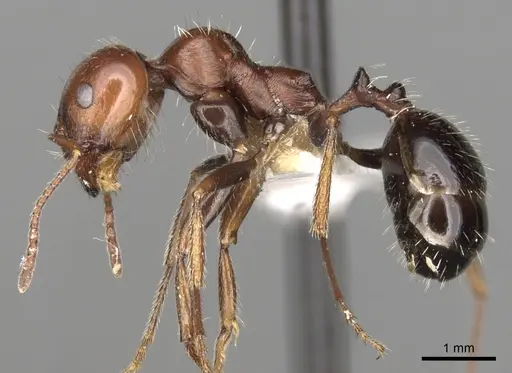
CASENT0913199
View on AntWeb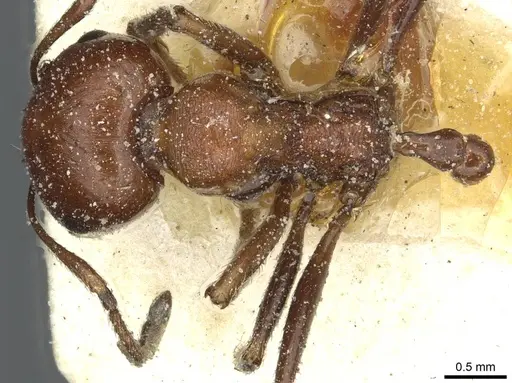
CASENT0913200
View on AntWeb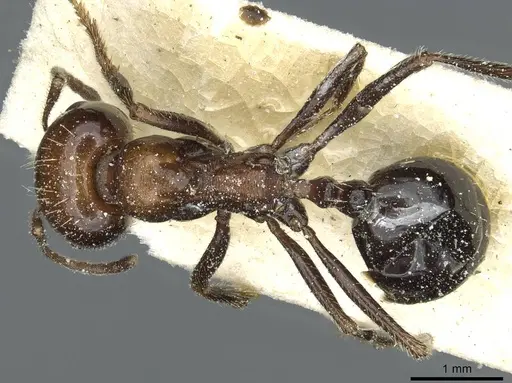
CASENT0913201
View on AntWeb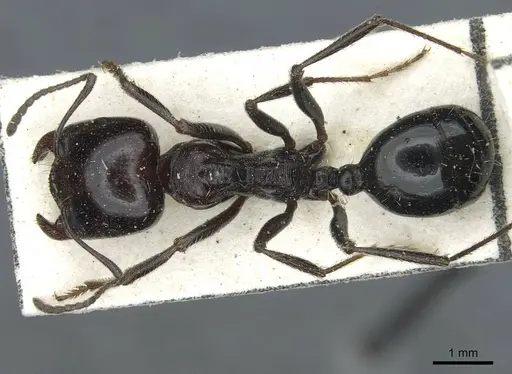
CASENT0913202
View on AntWeb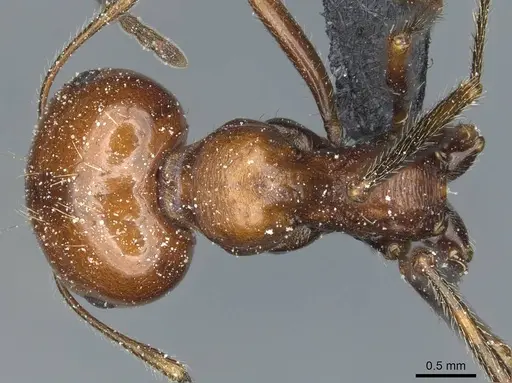
CASENT0913203
View on AntWeb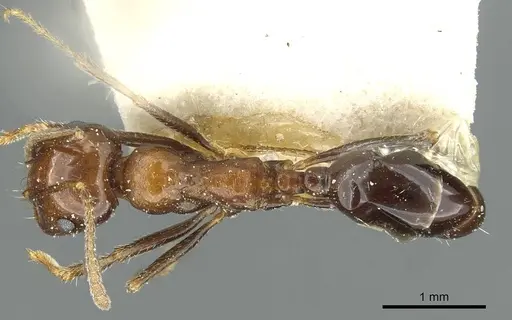
CASENT0913204
View on AntWeb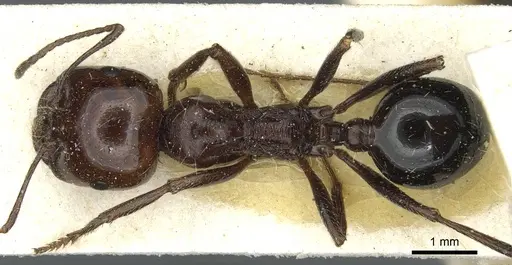
CASENT0913205
View on AntWeb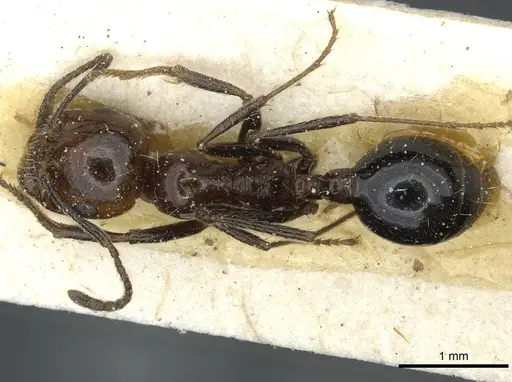
CASENT0914240
View on AntWeb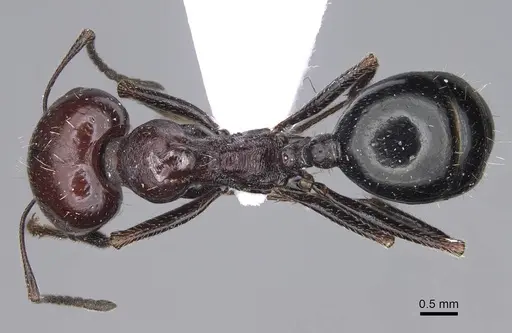
CASENT0914812
View on AntWeb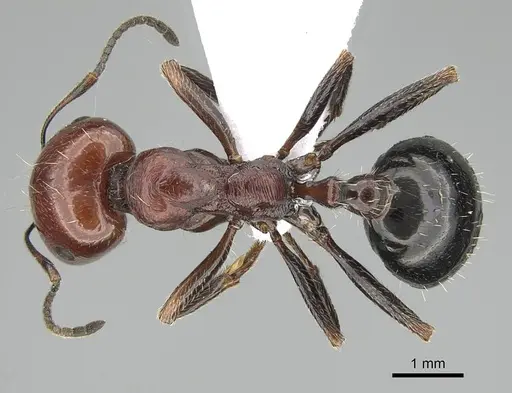
CASENT0914814
View on AntWeb
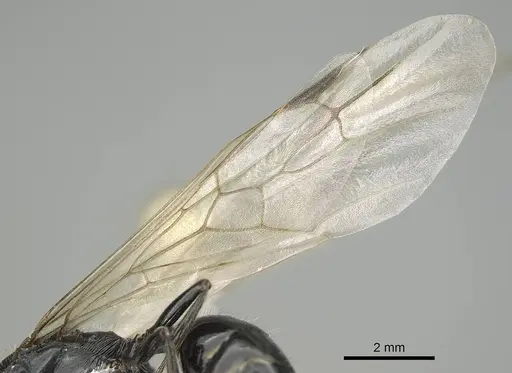
CASENT0914815
View on AntWeb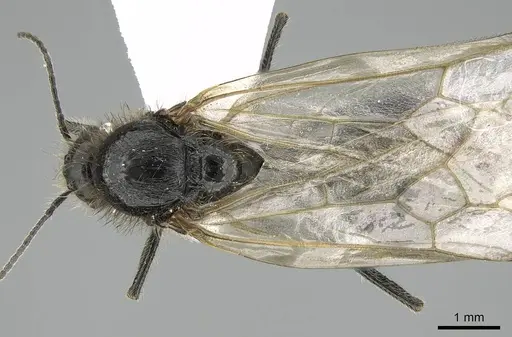
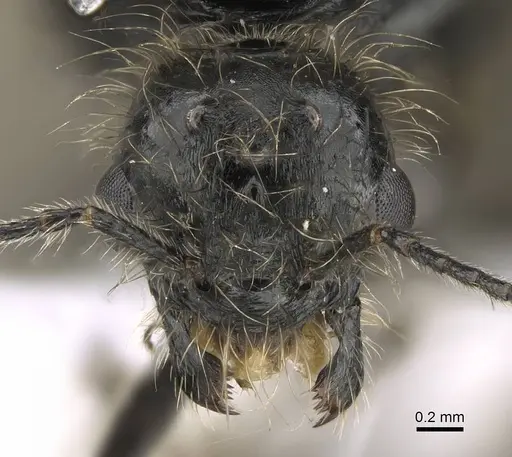
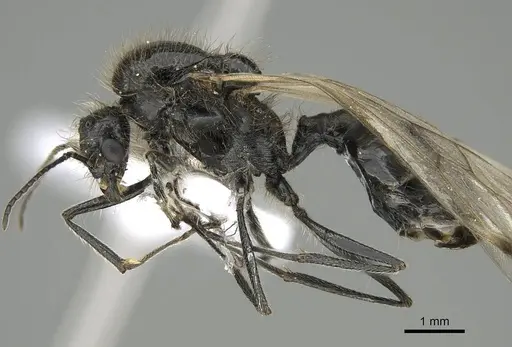
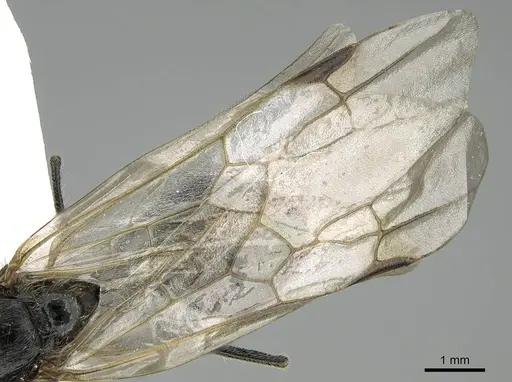
CASENT0916927
View on AntWeb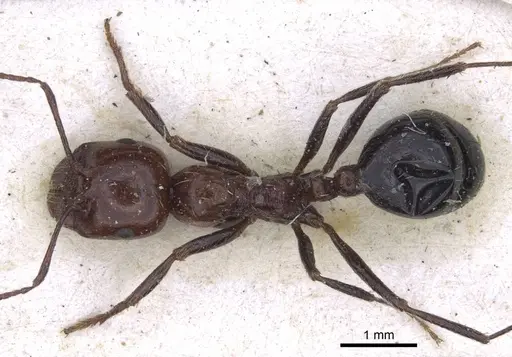
Literature
Loading...Loading products...