

Messor medioruber
- Scientific Name
- Messor medioruber
- Tribe
- Stenammini
- Subfamily
- Myrmicinae
- Author
- Santschi, 1910
- Distribution
- Found in 3 countries
Messor medioruber Overview
Messor medioruber is an ant species of the genus Messor. It is primarily documented in 3 countries , including Algeria, Morocco, Tunisia. Detailed taxonomic data and occurrence records can be further explored via authoritative databases such as AntWeb or the Global Biodiversity Information Facility (GBIF).
Messor medioruber
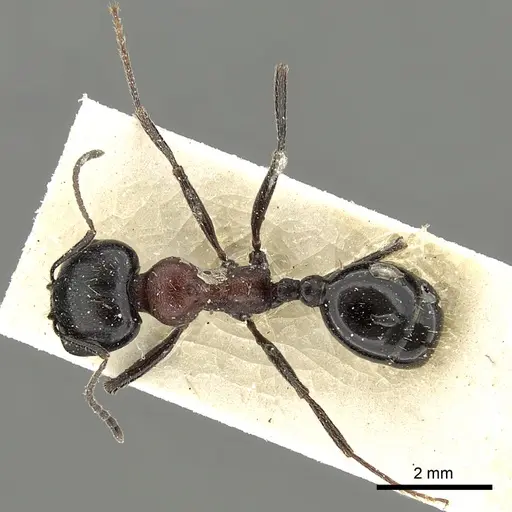
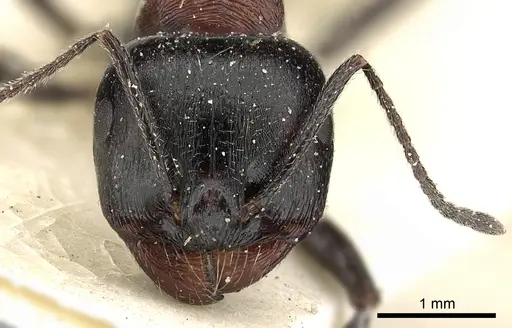
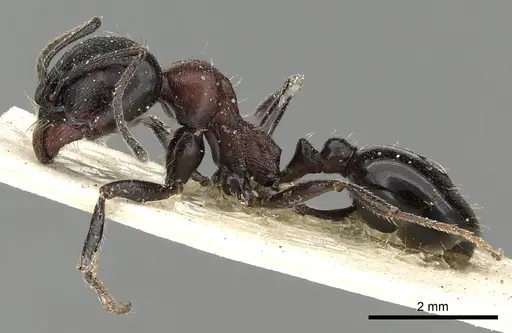
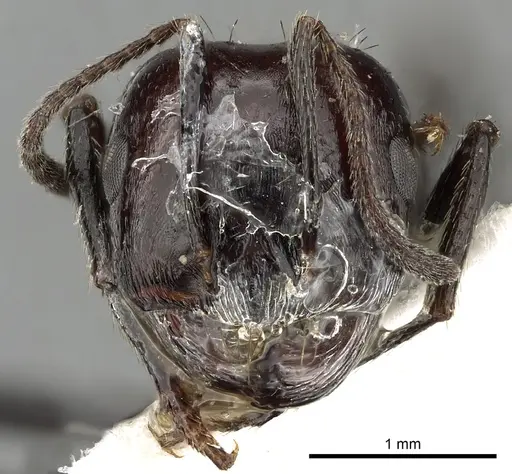
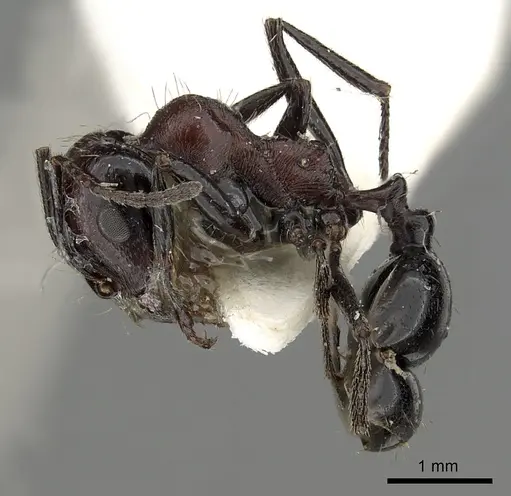
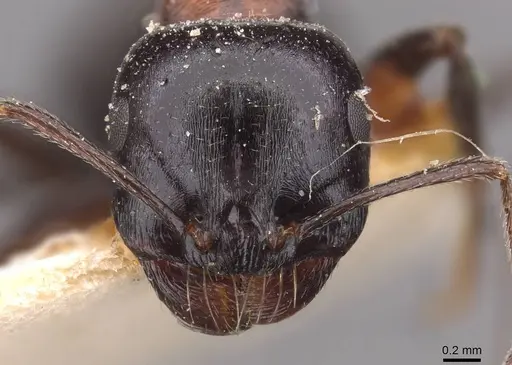
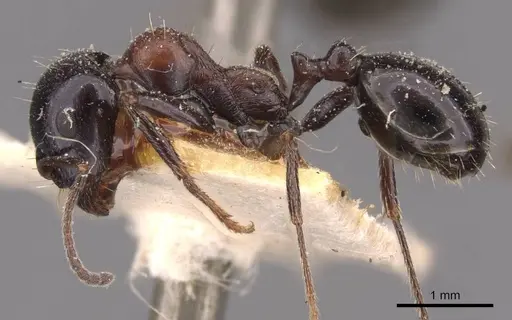
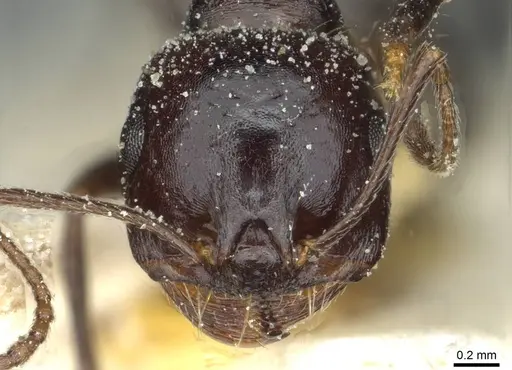
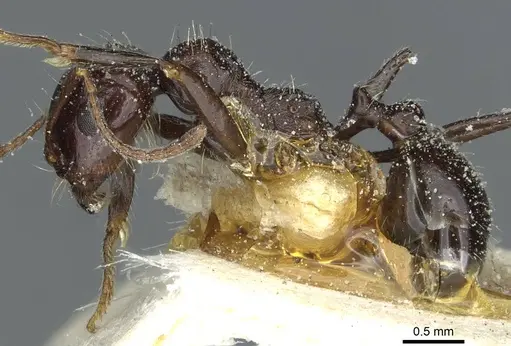
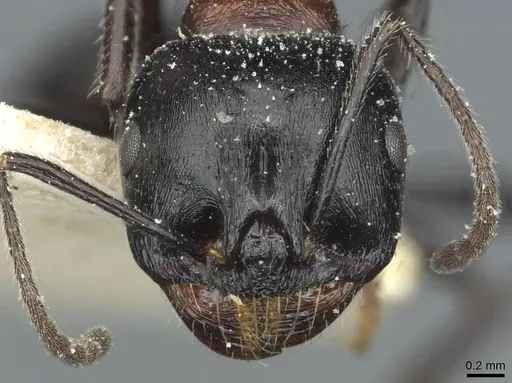
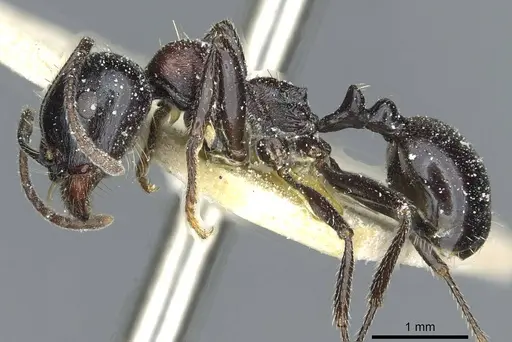
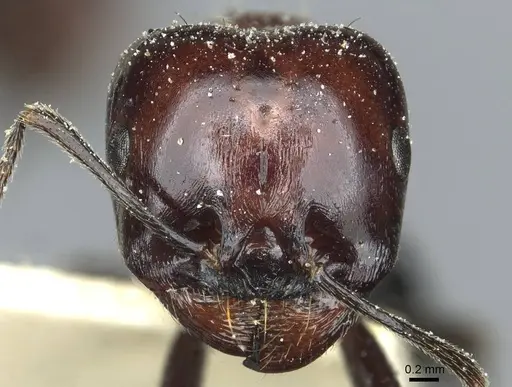
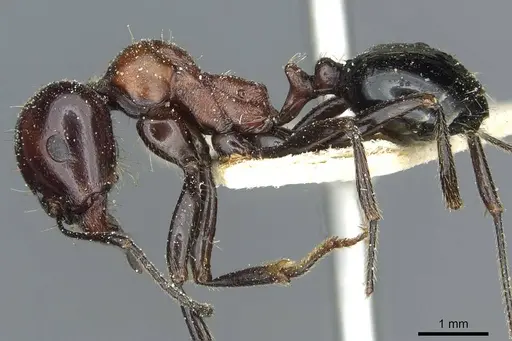
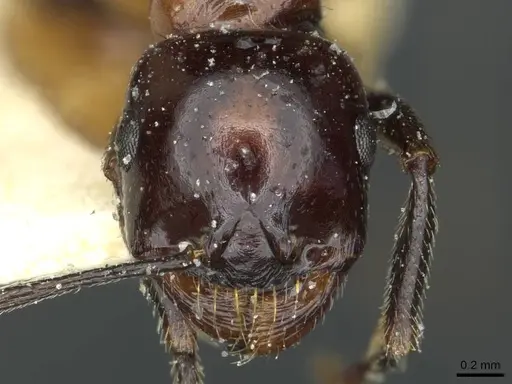
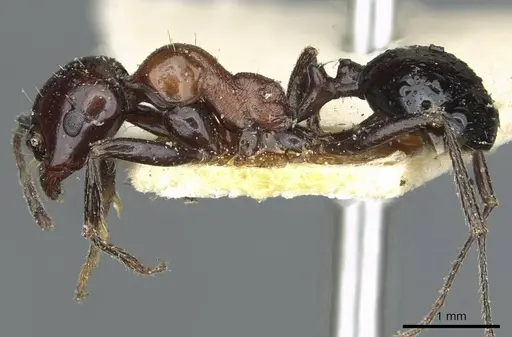
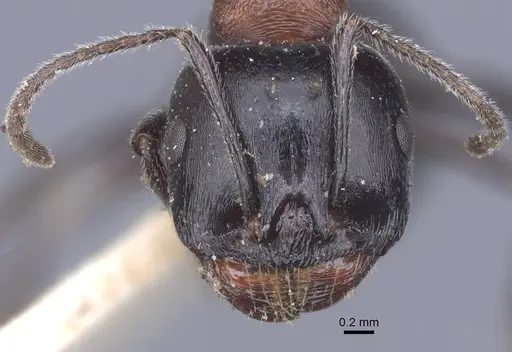
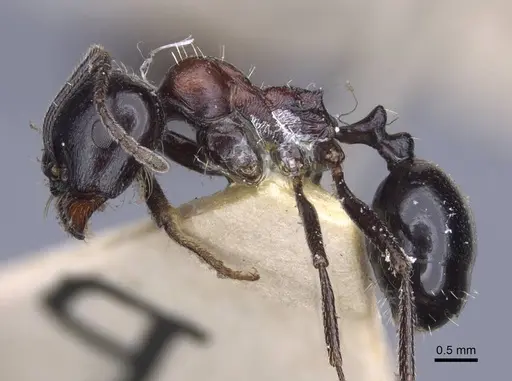
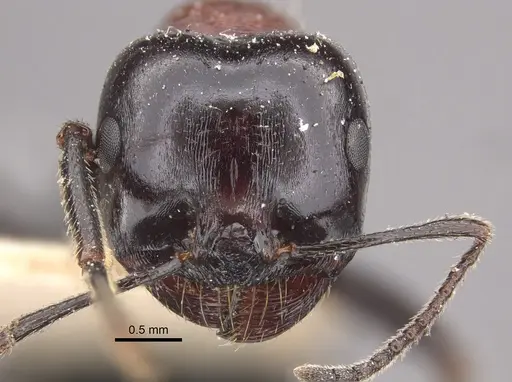
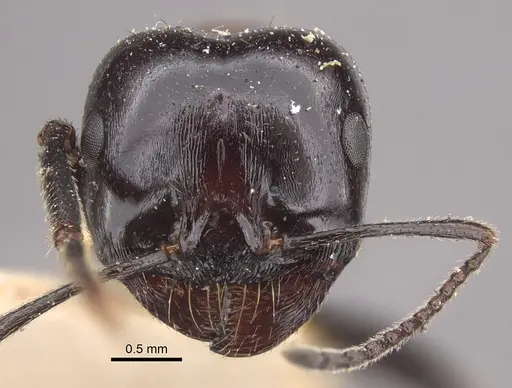
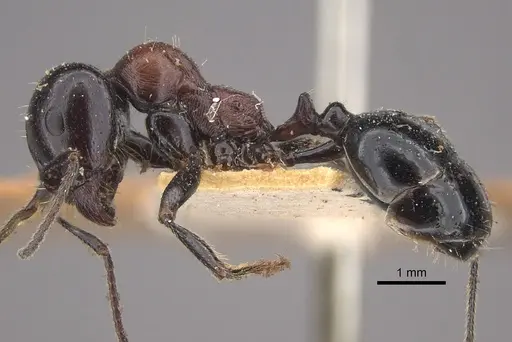
Messor medioruber is a medium-sized harvester ant native to North Africa and the Middle East. Workers measure 4.5-6.8mm and have a distinctive bicolored appearance, their body is very dark red to brown while the head and gaster are black or blackish, with reddish-brown mandibles, leg joints, and tarsi [1][2]. Queens are larger at 10mm and almost entirely black with reddish leg joints [1]. This species is one of several in the medioruber complex found across the Maghreb region (Morocco, Algeria, Tunisia), with some variation in coloration between populations, the nominal form has a red thorax and smooth head, while the sublaeviceps form has a slightly darkened thorax and is the most common variety [3]. They are seed-harvesting ants that play an important role in arid steppe ecosystems, particularly in association with alfa grass (Stipa tenacissima) [4].
Quick Summary
- Difficulty: Easy
- Origin & Habitat: North Africa and Middle East, found in Algeria, Morocco, Tunisia, Saudi Arabia, United Arab Emirates, Kuwait, Iran, and Iraq. Inhabits arid steppe regions and semi-desert areas, often associated with alfa grass (Stipa tenacissima) [5][6]. Lives in dry to arid conditions from sea level to high elevations in the Atlas mountains.
- Colony Type: Likely single-queen (monogyne) colonies based on typical Messor genus patterns. Multiple queens have not been documented in wild colonies.
- Colony: Monogyne
- Founding: Claustral
- Size & Growth:
- Queen: 10 mm [1]
- Worker: 4.5-6.8 mm [1][2]
- Colony: Likely several hundred workers based on typical Messor colony sizes, exact maximum unknown for this species
- Growth: Moderate, typical for seed-harvesting ants
- Development: Estimated 6-10 weeks based on typical Messor genus development at warm temperatures (Development time inferred from related Messor species, specific data for M. medioruber is unavailable)
- Antkeeping:
- Temperature: Keep at 22-28°C. Being from North Africa and the Middle East, they tolerate warm, dry conditions. A temperature gradient allowing warmer (around 26-28°C) and cooler areas is ideal [4].
- Humidity: Low to moderate, they come from arid regions. Keep nest substrate relatively dry, with only occasional light misting. Ensure some moisture is available but avoid damp conditions [4].
- Diapause: Yes, likely requires a winter rest period of 8-12 weeks at 10-15°C, typical for temperate Messor species from this region. Reduce feeding during this period.
- Nesting: Use a dry nest setup, Y-tong (AAC), plaster, or formicarium with low humidity. These ants prefer compact chambers and passages scaled to their medium size. Provide a sand or sandy-soil mix as substrate if using a naturalistic setup.
- Behavior: Generally peaceful and not aggressive. As harvesters, they are active foragers that collect seeds and will also hunt small insects for protein. Workers are medium-sized and can squeeze through small gaps, use standard escape prevention. They store seeds in granaries within the nest, similar to other Messor species. Colonies are moderately active and will readily forage for both seeds and protein sources. They are not known to sting and pose no danger to keepers.
- Common Issues: seed storage can mold if humidity is too high, keep nesting area dry, colonies may be slow to establish initially, be patient during founding phase, escape prevention needed though not as critical as for tiny ants, winter dormancy is essential for long-term colony health, do not skip hibernation, wild-caught colonies may have parasites, quarantine and observe new colonies
Housing and Nest Setup
Messor medioruber does well in standard ant housing setups. A test tube setup works well for founding colonies, use a standard test tube with a cotton ball separating the water reservoir from the ants. For established colonies, a Y-tong (AAC) nest, plaster nest, or formicarium with sandy substrate works well. These ants prefer dry conditions, so avoid setups that retain too much moisture. A small outworld for foraging allows you to offer seeds and protein. Because they are medium-sized (4.5-6.8mm workers), standard barrier methods work adequately for escape prevention, though you should still ensure lids are secure. [1][2][4]
Feeding and Diet
As seed-harvesting ants, Messor medioruber primarily collects and stores seeds. Offer a variety of seeds including grass seeds, millet, sunflower seeds (crushed), and commercial ant seed mixes. They will also readily accept protein sources like small insects (fruit flies, pinhead crickets, mealworms), and some will take sugar water or honey occasionally. For newly founded colonies, protein is especially important, offer small live or frozen insects. Remove uneaten seeds periodically to prevent mold. These ants are foragers and will actively search for food in the outworld. [4]
Temperature and Seasonal Care
Being from North Africa and the Middle East, Messor medioruber prefers warm conditions. Keep the nest area at 22-28°C, with a slight gradient if possible. They can tolerate higher temperatures than many temperate species but avoid extreme heat above 35°C. During winter (roughly November-February in the Northern Hemisphere), reduce temperature to 10-15°C to allow dormancy. This rest period is important for colony health and triggers reproductive behavior. Reduce feeding during hibernation but ensure water is always available. [4]
Colony Development
Like other Messor species, M. medioruber has claustral founding, the queen seals herself in a chamber and raises her first workers alone without foraging. She relies on stored fat reserves to survive until the nanitics (first workers) emerge. Expect 6-10 weeks from egg to first worker at optimal temperatures. Initial colony growth is slow as the queen can only lay a limited number of eggs. Once workers emerge, the colony grows more steadily as foragers can now bring in seeds and protein. Colonies likely reach several hundred workers over several years.
Behavior and Foraging
Messor medioruber is an active forager that collects seeds and small insects. Workers use chemical trails to guide nestmates to food sources. They store seeds in specialized granaries within the nest, this behavior is characteristic of harvester ants. The species is generally peaceful and does not display aggressive territorial behavior. Workers are medium-sized and can navigate through typical ant setups. They are most active during warmer months and reduce activity during winter dormancy. [4]
Frequently Asked Questions
How long does it take for Messor medioruber to have first workers?
Expect 6-10 weeks from egg to first worker at optimal temperatures (around 24-28°C). This is typical for Messor species, the exact timeline for M. medioruber specifically is not documented but follows genus patterns.
What do Messor medioruber ants eat?
They are seed-harvesters. Offer various seeds (grass, millet, crushed sunflower) and protein (small insects like fruit flies, pinhead crickets). Some colonies accept sugar water or honey as well.
Do Messor medioruber ants need hibernation?
Yes, they benefit from a winter rest period. Keep them at 10-15°C for 8-12 weeks during winter (roughly November to February). This helps maintain colony health and triggers reproductive cycles.
Are Messor medioruber ants good for beginners?
Yes, they are considered easy to keep. They are relatively forgiving of minor care mistakes, don't require high humidity, and are peaceful. Their seed-harvesting behavior is interesting to observe.
How big do Messor medioruber colonies get?
Based on typical Messor species, colonies likely reach several hundred workers over several years. Specific maximum colony size for this species has not been documented.
Can I keep multiple Messor medioruber queens together?
Not recommended. Like most Messor species, they are likely single-queen colonies. Combining unrelated queens has not been documented and would likely result in aggression.
What temperature is best for Messor medioruber?
Keep them warm at 22-28°C. They tolerate heat well being from arid North African regions. A gradient allowing warmer and cooler areas is ideal.
Do Messor medioruber ants sting?
No, they are not considered dangerous and do not have a painful sting. They are peaceful ants that focus on foraging rather than defense.
When should I move my Messor medioruber to a formicarium?
You can keep them in a test tube setup for the founding phase. Once the colony reaches 20-30 workers and you see significant seed storage, consider moving to a larger setup like a Y-tong or plaster nest.
Why are my Messor medioruber dying?
Common causes include: too high humidity (they prefer dry conditions), improper temperature (too cold), skipping hibernation, or poor nutrition. Also check for parasites in wild-caught colonies.
References

This caresheet is licensed under CC BY-SA 4.0 .
CASENT0249827
View on AntWeb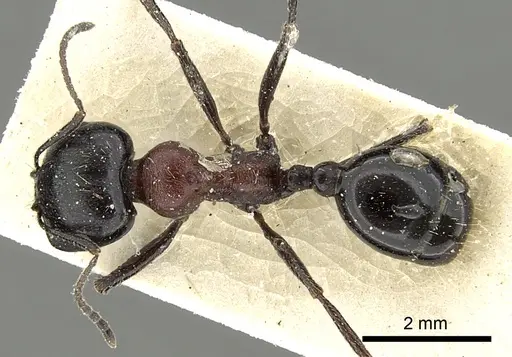
CASENT0249828
View on AntWeb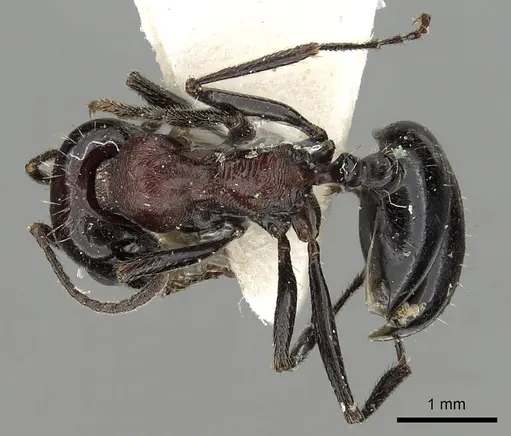
CASENT0907723
View on AntWeb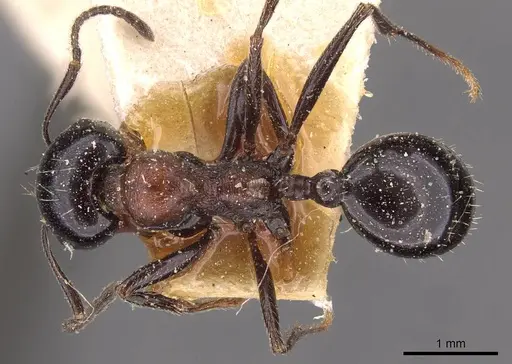
CASENT0913192
View on AntWeb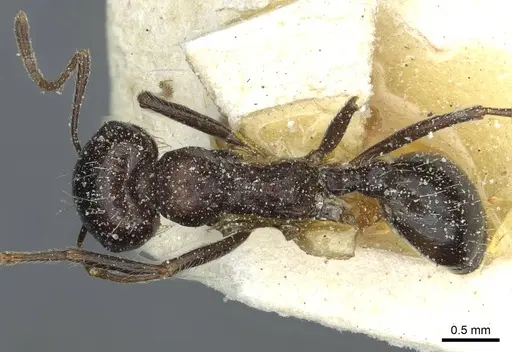
CASENT0913194
View on AntWeb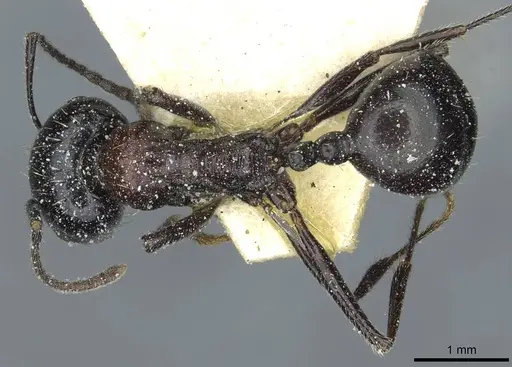
CASENT0913196
View on AntWeb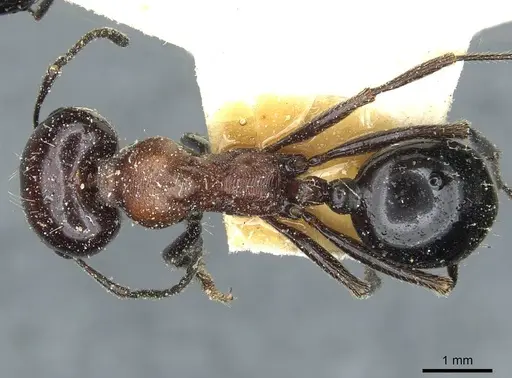
CASENT0913197
View on AntWeb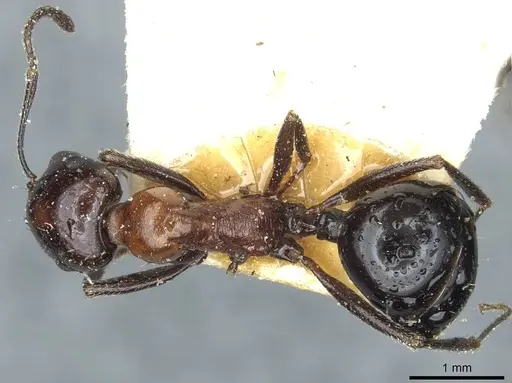
CASENT0916944
View on AntWeb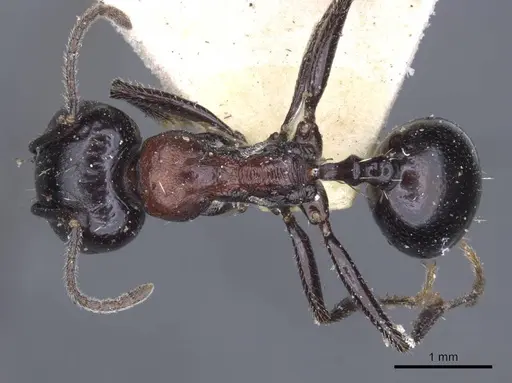
CASENT0917758
View on AntWeb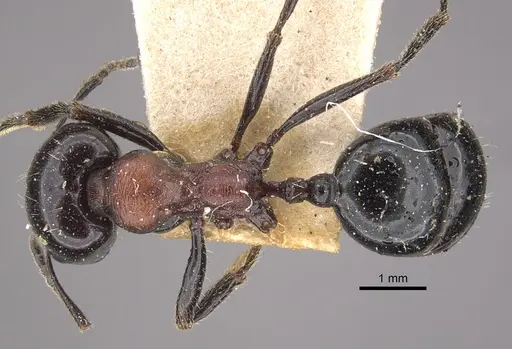
Literature
Loading...Loading products...