

Messor lusitanicus
- Scientific Name
- Messor lusitanicus
- Tribe
- Stenammini
- Subfamily
- Myrmicinae
- Author
- Tinaut, 1985
- Distribution
- Found in 2 countries
Messor lusitanicus Overview
Messor lusitanicus is an ant species of the genus Messor. It is primarily documented in 2 countries , including Spain, Portugal. Detailed taxonomic data and occurrence records can be further explored via authoritative databases such as AntWeb or the Global Biodiversity Information Facility (GBIF).
Messor lusitanicus
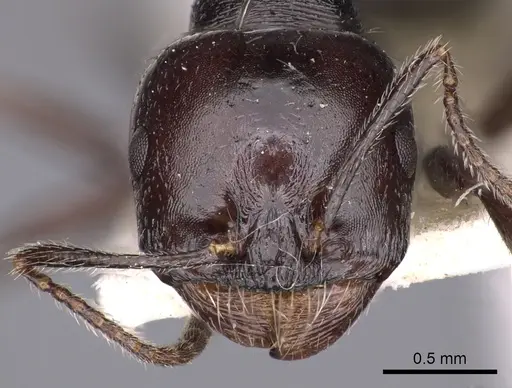
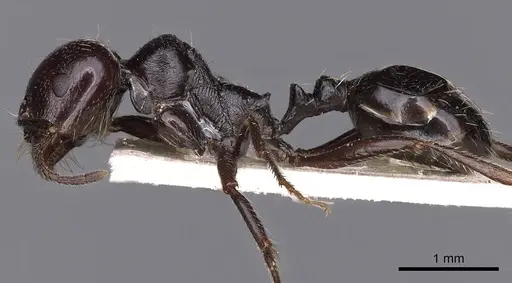
Messor lusitanicus is a small harvester ant native to the Iberian Peninsula, Portugal, Gibraltar, and Morocco. Workers measure around 6.5mm and show polymorphism, meaning some workers are larger than others. They have a slender body with short propodeal spines and fine, short hairs. These ants are completely granivorous, meaning they specialize in collecting and processing seeds as their primary food source. They nest in open areas like grasslands, pasture, and olive groves, avoiding heavily shaded areas. As a subordinate species in Mediterranean ant communities, they compete with dominant ants but thrive in areas where those competitors are absent.
Quick Summary
- Difficulty: Easy
- Origin & Habitat: Iberian Peninsula and surrounding regions (Portugal, Spain, Gibraltar, Morocco). Found in open habitats like grasslands, pasture, cereal fields, and olive groves. Prefers areas with some ground cover but avoids dense shade. An Iberian endemic species [1][2][3][4].
- Colony Type: Monogyne (single queen) colonies. Each colony has one queen and typically contains thousands of workers. They are monodomous, meaning they maintain a single nest rather than multiple connected nests [5][6].
- Colony: Monogyne
- Founding: Claustral
- Size & Growth:
- Queen: Estimated 10-12mm based on related Messor species [7]
- Worker: 6.5mm (polymorphic, some workers larger) [5][6]
- Colony: Thousands of workers [5][6]
- Growth: Moderate, based on related Messor species
- Development: Estimated 6-10 weeks at optimal temperature based on genus patterns (Brood development occurs year-round in their native range, with larvae present in nests throughout the year [5])
- Antkeeping:
- Temperature: Keep around 24-28°C. They tolerate temperatures up to a critical thermal maximum of 44°C but prefer moderate heat with a maximum activity temperature around 30°C. A gentle heat gradient allows them to regulate their body temperature [5][6].
- Humidity: Moderate humidity around 50-60%. These ants prefer drier conditions typical of Mediterranean habitats. Allow the nest to dry out between waterings rather than keeping it constantly moist. Provide a water tube for drinking but avoid excessive moisture in the nest chamber.
- Diapause: Yes, they require a winter rest period. In their native Mediterranean climate, they experience reduced activity during cooler months. Reduce temperature to 15-18°C for 2-3 months during winter.
- Nesting: Y-tong (acrylic) nests work well for this species. They prefer干燥的环境 but need access to water. A test tube setup works for founding colonies. Provide a foraging area with sand or soil where they can sort and store seeds. Avoid overly compact nesting media, they like to move seeds around the nest.
- Behavior: These ants are diurnal and primarily active during daylight hours. They peak in activity during September in their native range. Unlike dominant ant species, they do not defend food resources or territory outside their nest, they only defend their nest itself. They form foraging trails to collect seeds and can travel significant distances from the nest. Workers are not aggressive and rarely sting. Their small size and passive nature make escape prevention important, they can squeeze through small gaps. They are known to be preyed upon by Zodarion spiders, which are specialist ant predators [5][6].
- Common Issues: seed storage can lead to mold if humidity is too high in the foraging area, colonies may struggle if temperatures drop below 15°C for extended periods, small size means escapes are possible without fine mesh barriers, overfeeding can cause seed hoarding that attracts mold, they are sensitive to disturbance during founding, keep the queen's setup quiet
Housing and Nest Setup
Messor lusitanicus does well in Y-tong (acrylic) nests or test tube setups for founding colonies. For a founding queen, a standard test tube setup with a water reservoir works perfectly, the queen will seal herself in a chamber and raise her first workers there. Once the colony reaches 20-30 workers, you can move them to a formicarium with a proper foraging area. The foraging area is important because these ants are seed-harvesters, they need space to collect, sort, and store seeds. Use a mix of sand and soil as substrate in the foraging area. Keep the nest portion relatively dry (around 50-60% humidity) while providing a water tube for drinking. A small outworld with some decorative elements makes the colony more active and interesting to watch. [5][6]
Feeding and Diet
As true granivores, Messor lusitanicus specializes in collecting and eating seeds. In captivity, offer a variety of seeds, millet, flax, sesame, and commercial ant seed mixes work well. They will also accept small amounts of protein like crushed insects or mealworm pieces, but seeds should make up the majority of their diet. Unlike many ants, they do not need sugar water or honey, they get energy from seeds. However, offering a small amount of sugar water occasionally won't hurt. Remove any uneaten seeds that show signs of mold. The ants will actively sort through seeds, storing viable ones and discarding husks. Watching them process seeds is one of the most entertaining behaviors in this species. [5][6]
Temperature and Seasonal Care
These ants prefer warm conditions, with optimal activity around 30°C and a tolerance up to 44°C. Keep the nest at 24-28°C for best colony development. A heating cable on one side of the nest creates a temperature gradient so workers can regulate their own temperature. During winter (roughly November through February in the Northern Hemisphere), reduce temperature to 15-18°C to simulate their natural Mediterranean seasonal cycle. Do not feed heavily during hibernation, the colony will be less active and metabolic rates drop. Resume normal feeding when you warm them back up in spring. Their peak activity in the wild occurs during September, so expect increased foraging as temperatures cool in late summer. [5][6]
Behavior and Colony Dynamics
Messor lusitanicus is a subordinate species in Mediterranean ant communities, they avoid competition with dominant ants by foraging in areas and at times when those competitors are less active. They are diurnal and form visible foraging trails to seed sources. Unlike aggressive ant species, they do not defend food resources outside their nest, if another ant species approaches their food source, they typically retreat rather than fight. They only defend their actual nest entrance. This peaceful nature means they can be kept alongside other ant species in a room, though obviously you should keep colonies separate. Workers vary in size due to polymorphism, with major workers being noticeably larger than minors. The colony will grow to thousands of workers over several years. [5][6]
Growth and Development
A newly mated queen will dig a small chamber and seal herself inside, this is claustral founding. She survives on her stored body fat and any small prey she can catch, raising her first brood without leaving the nest. The first workers (called nanitics) are typically smaller than mature workers. After the first workers emerge, the colony enters a growth phase. Brood development occurs year-round in their native Mediterranean climate, though it slows significantly during winter. Expect 6-10 weeks from egg to worker at optimal temperature. Growth rate is moderate, a healthy colony can reach several hundred workers within a year or two, eventually growing to thousands. [5][6]
Frequently Asked Questions
How long does it take for Messor lusitanicus to raise first workers?
Expect 6-10 weeks from egg to first worker at optimal temperature (around 24-28°C). The queen seals herself in during founding and raises the first brood alone, so patience is needed during this stage.
What do Messor lusitanicus ants eat?
They are granivorous, they eat seeds. Offer millet, flax, sesame, or commercial ant seed mixes. They occasionally accept small protein like crushed mealworms, but seeds should be their primary food. They do not need sugar water.
Do Messor lusitanicus ants sting?
They have a stinger but are not aggressive and rarely use it. These ants are peaceful and focused on seed collection rather than defense. They only defend their nest if directly threatened.
How big do Messor lusitanicus colonies get?
They can grow to thousands of workers over several years. They are monodomous (single nest) and monogyne (single queen), so all workers come from one queen.
Do Messor lusitanicus need hibernation?
Yes, they benefit from a winter rest period. Reduce temperature to 15-18°C for 2-3 months during winter (roughly November to February). This mimics their natural Mediterranean seasonal cycle and promotes healthy colony development.
Are Messor lusitanicus good for beginners?
Yes, they are considered easy to keep. They are forgiving of minor temperature fluctuations, don't require live prey, and have straightforward humidity needs. Their seed-based diet is easy to provide.
When should I move Messor lusitanicus to a formicarium?
Move them once the colony reaches 20-30 workers. A test tube setup works for founding, but they need a proper foraging area with space to sort and store seeds as the colony grows.
Why are my Messor lusitanicus dying?
Common causes include: too low temperature (below 15°C), excessive humidity causing mold, disturbance during founding stage, or poor escape prevention. Check that temperatures are in the 24-28°C range and the nest is not too wet.
Can I keep multiple Messor lusitanicus queens together?
No, this species is monogyne, meaning single-queen colonies. Multiple unrelated queens will fight. Only keep one queen per colony.
What temperature is best for Messor lusitanicus?
Keep nest temperature around 24-28°C. They tolerate up to 44°C but are most active around 30°C. A heat gradient lets workers regulate their own temperature.
References

This caresheet is licensed under CC BY-SA 4.0 .
CASENT0900470
View on AntWeb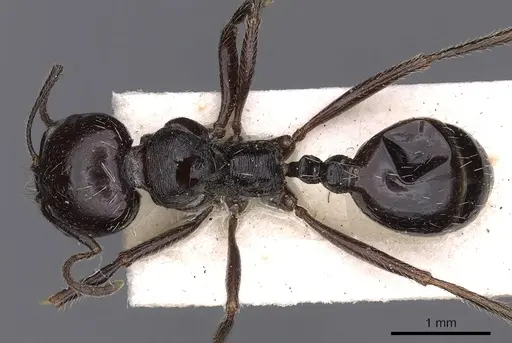
Literature
Loading...Loading products...