

Messor luebberti
- Scientific Name
- Messor luebberti
- Tribe
- Stenammini
- Subfamily
- Myrmicinae
- Author
- Forel, 1910
- Distribution
- Found in 3 countries
Messor luebberti Overview
Messor luebberti is an ant species of the genus Messor. It is primarily documented in 3 countries , including Botswana, Namibia, South Africa. Detailed taxonomic data and occurrence records can be further explored via authoritative databases such as AntWeb or the Global Biodiversity Information Facility (GBIF).
Messor luebberti
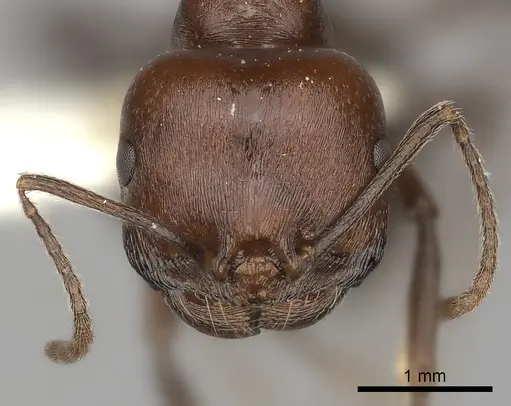
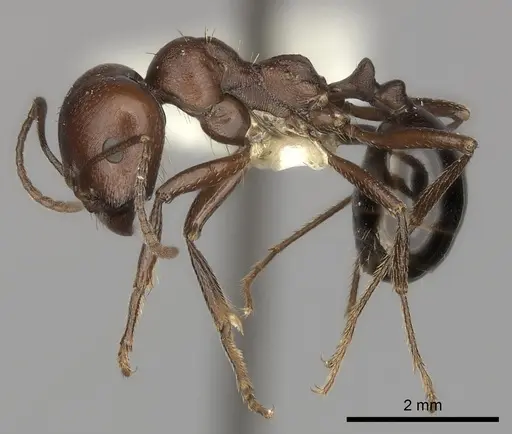
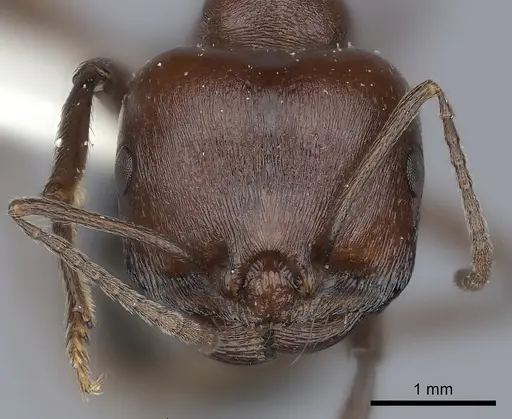
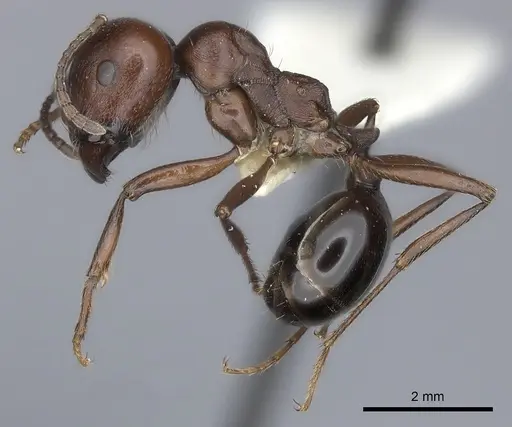
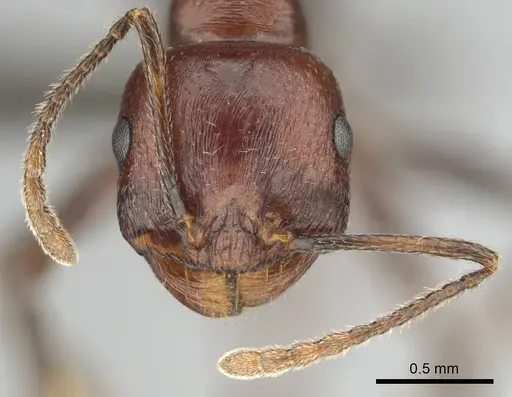
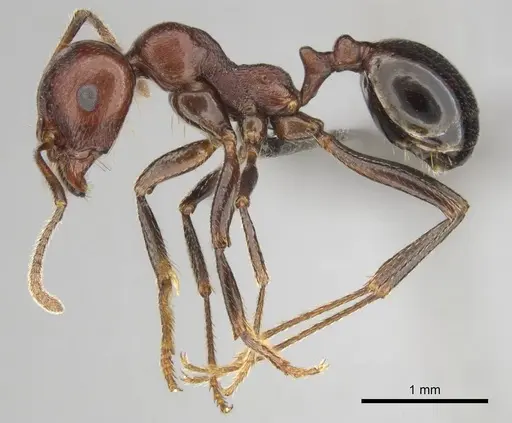
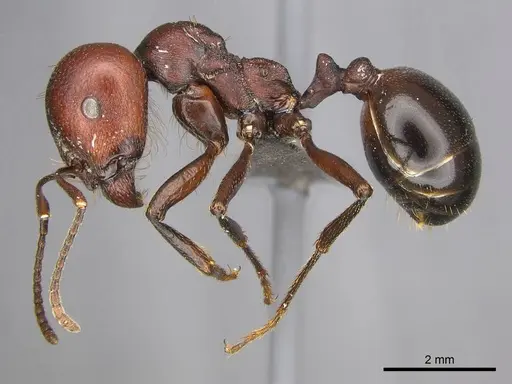
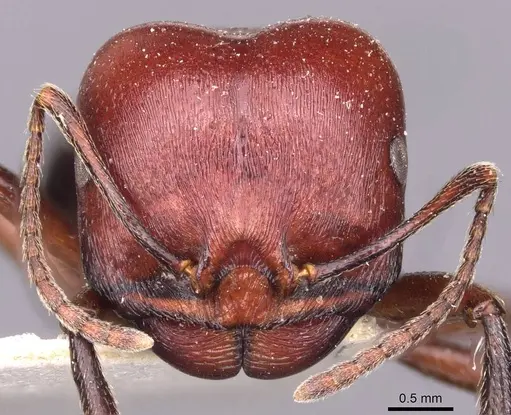
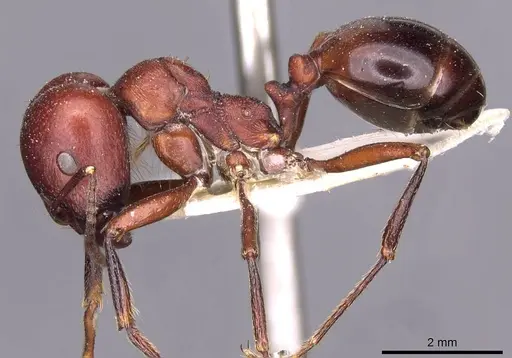
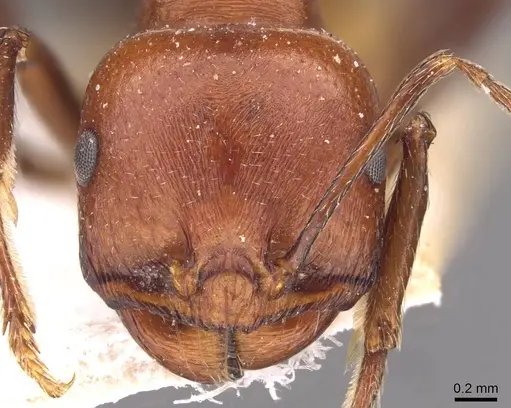
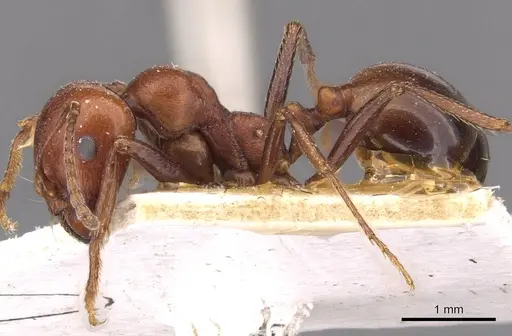
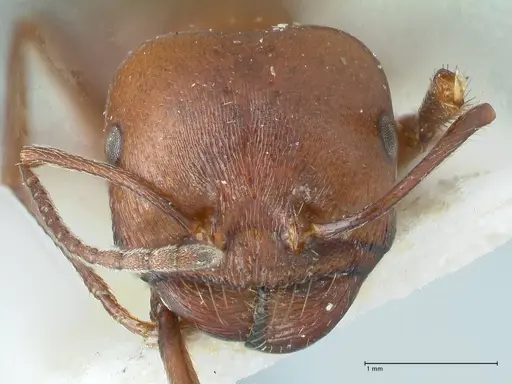
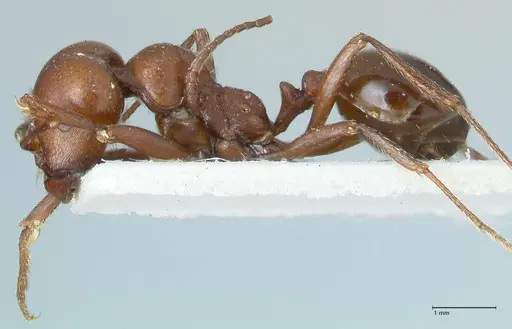
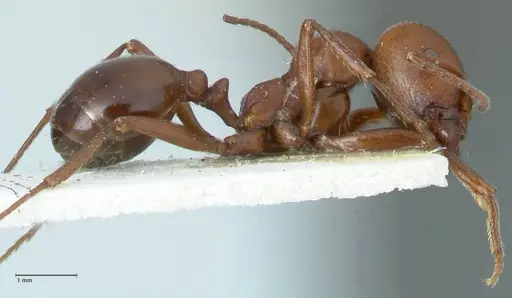
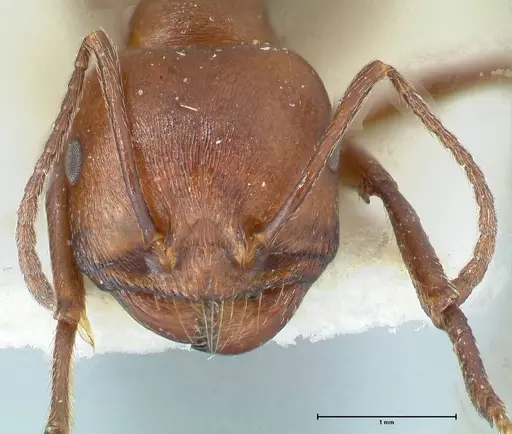
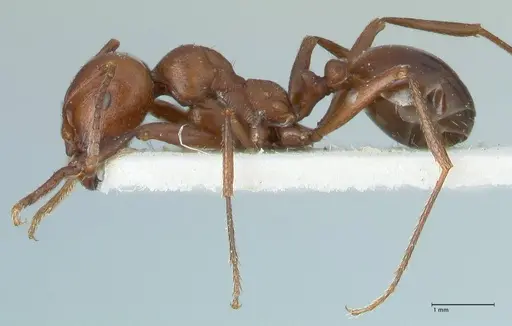
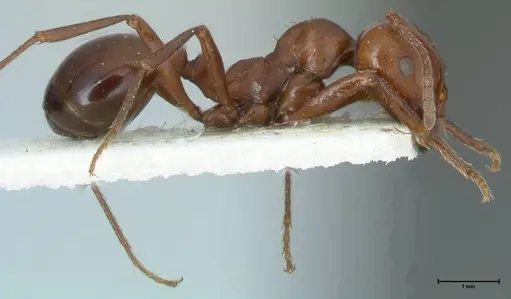
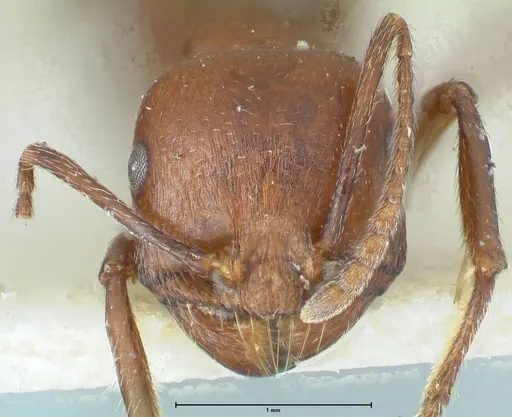
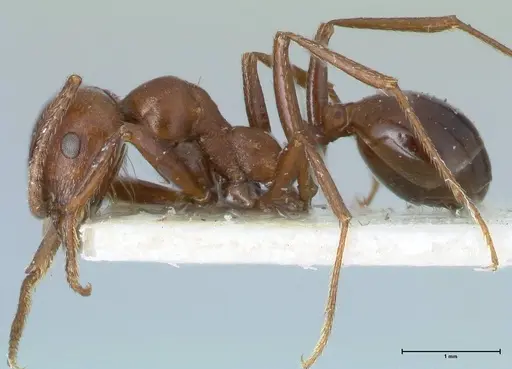
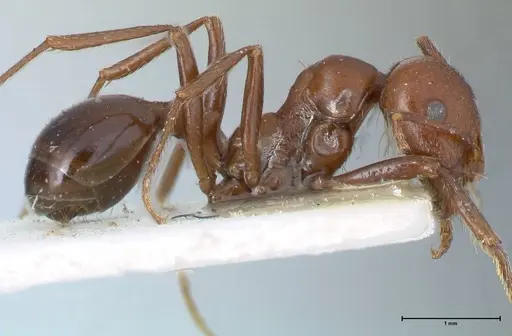
Messor luebberti is a medium to large harvester ant species native to the southern half of Africa, found across Namibia, South Africa, Botswana, Angola, Tanzania, and Zimbabwe [1]. Workers measure 2.00-3.12mm in head width, making them substantially larger than many common pet ants. This species is instantly recognizable by its strongly sculptured head with fine longitudinal rugulae and very reduced pilosity, it appears almost bald compared to other Messor species. Coloration is typically red with a blackish abdomen, though some populations have a uniformly red appearance. They possess a strongly developed psammophore, a basket-like structure of hairs used to carry sand grains, a common adaptation in desert-dwelling ants. This is a seed-harvesting ant, playing an important role in their arid ecosystems as both seed dispersers and predators of small insects.
Quick Summary
- Difficulty: Medium
- Origin & Habitat: Southern Africa (Namibia, South Africa, Botswana, Angola, Tanzania, Zimbabwe) in arid and semi-arid regions including the Nama Karoo [1]. Type locality is Namibia [2].
- Colony Type: Single-queen colonies (monogyne), typical for the genus Messor. Only the worker caste has been described in scientific literature, queen and male castes remain unknown [1].
- Colony: Monogyne
- Founding: Claustral
- Size & Growth:
- Queen: Unknown, queen caste has not been described in scientific literature
- Worker: 2.00-3.12mm head width (HW)
- Colony: Unknown, no colony size data available in literature
- Growth: Moderate, typical for Messor species which grow steadily but not rapidly
- Development: Estimated 8-12 weeks based on genus-level data for Messor species at optimal temperature (Direct development data unavailable, this estimate is based on typical Messor genus patterns. Expect slower growth than tropical species.)
- Antkeeping:
- Temperature: Keep at 24-28°C, they originate from tropical/subtropical Africa and prefer warm conditions [2]. Room temperature is acceptable if within this range, otherwise use a heating cable on one side of the nest.
- Humidity: Low to moderate, these are arid-region ants. Keep nest substrate dry with occasional moist areas. Mist sparingly and allow to dry between waterings. Avoid damp conditions that can cause mold.
- Diapause: Likely, most temperate and subtropical Messor species benefit from a winter rest period. Reduce temperature to 15-18°C for 2-3 months during winter months.
- Nesting: Ground-nesting species that prefers dry, sandy substrates. A Y-tong (acrylic) nest or plaster nest works well. Provide a dry outworld with access to seeds and a humid forager area. Avoid overly moist nest conditions.
- Behavior: Generally peaceful temperament but can become defensive when their nest is disturbed. Workers are active foragers, primarily harvesting seeds but also collecting insect prey. They have a well-developed psammophore for sand carrying. Due to their larger worker size, they can handle bigger seeds than tiny Messor species. Escape risk is moderate, standard formicarium barriers are usually sufficient for these medium-large ants.
- Common Issues: colonies grow slowly which can frustrate beginners, patience is key with this species, queen has never been documented in captivity so founding a colony from scratch may be difficult, dry conditions are essential, too much humidity causes mold and colony decline, they are aggressive defenders of their nest when threatened, limited availability in the antkeeping hobby since only workers have been described
Housing and Nest Setup
Messor luebberti does well in standard formicarium setups. A Y-tong (acrylic) nest or plaster nest works well because these ants prefer dry conditions, avoid nests that retain moisture like wood or earth tubes. The outworld should be spacious enough for seed storage and foraging. Provide a water tube with cotton wick for drinking water. Since they come from arid regions, ventilation is important to prevent mold. Use a barrier like fluon on the rim of the outworld to prevent escapes, while not the smallest ants, they are active and determined foragers. [1]
Feeding and Diet
As harvester ants, Messor luebberti primarily eats seeds and grains. Offer a variety of seeds like millet, sunflower seeds (cracked), chia, and grass seeds. They will also accept protein sources like small insects (fruit flies, small crickets, mealworms) and can even take protein powder or cat food. Sugar water or honey water is occasionally accepted but seeds should form the bulk of their diet. Remove uneaten seeds periodically to prevent mold. Fresh water should always be available. [1]
Temperature and Seasonal Care
Keep your colony at 24-28°C for optimal activity and growth [2]. They can tolerate slightly cooler temperatures but growth will slow. During winter (roughly November-February in the Northern Hemisphere), reduce temperature to 15-18°C to simulate their natural seasonal cycle. This winter rest period helps maintain colony health and may trigger reproductive behavior in spring. Do not cool them suddenly, reduce temperature gradually over 1-2 weeks.
Colony Establishment
This species presents a unique challenge: only the worker caste has been described in scientific literature, meaning no documented queen exists in the antkeeping hobby [1]. Most colonies available will be wild-caught workers or will need to be collected as founding queens if they can be located. If you obtain a founding queen, treat her as claustral, provide a test tube setup with water reservoir, keep her in darkness, and do not disturb until workers emerge. Expect 8-12 weeks for first workers based on genus patterns.
Behavior and Foraging
These are active foragers with a strong seed-harvesting instinct. Workers will collect and store seeds in the nest, creating granaries similar to other Messor species. They possess a psammophore, a basket of hairs on the underside of the head used to carry sand and small particles. This behavior is more pronounced in arid-region species and helps with nest construction. Workers are generally non-aggressive toward humans but will defend the nest vigorously if threatened. They are diurnal, most active during daylight hours.
Frequently Asked Questions
How long does it take for Messor luebberti to produce first workers?
Based on typical Messor genus patterns, expect 8-12 weeks from egg to first worker at optimal temperature (24-28°C). This is an estimate since no specific development data exists for this species.
Can I keep Messor luebberti in a test tube?
Yes, test tubes work well for founding colonies. Use a standard test tube setup with a water reservoir and cotton plug. Keep the tube in darkness and do not disturb the queen until workers emerge. Once the colony reaches 20-30 workers, transfer to a proper formicarium.
What do Messor luebberti ants eat?
They are seed-harvester ants. Offer a mix of seeds (millet, sunflower, chia, grass seeds) as their primary food. They also accept small insects and can occasionally take sugar water or honey. Seeds should make up the majority of their diet.
Do Messor luebberti ants sting?
Messor species have stingers but rarely use them against humans. These ants are not considered dangerous to keepers. They may bite if handled roughly, but their primary defense is chemical alarm signals rather than stinging.
Are Messor luebberti good for beginners?
They are rated as medium difficulty. The main challenge is that queens have never been documented in the hobby, so obtaining a founding colony can be difficult. Once established, they are relatively straightforward to care for, just provide warmth, dry conditions, and seeds.
Do Messor luebberti need hibernation?
Yes, a winter rest period is recommended. Reduce temperature to 15-18°C for 2-3 months during winter. This helps maintain colony health and mimics their natural seasonal cycle in southern Africa.
How big do Messor luebberti colonies get?
Colony size data is not available in scientific literature. Based on genus patterns, mature colonies likely reach several hundred to a few thousand workers. They are medium to large ants with workers reaching over 3mm in head width.
Why are my Messor luebberti dying?
The most common causes are: too much humidity (causes mold and fungal infections), temperatures below 20°C (slows metabolism and causes decline), or poor nutrition. Ensure dry nest conditions, warm temperatures (24-28°C), and a varied diet of seeds plus protein.
When should I move my colony to a formicarium?
Move from test tube to formicarium once the colony reaches 20-30 workers and you see seed storage beginning. A Y-tong or plaster nest works well. Make sure the formicarium has a dry nest area and a humid forager area.
Can I keep multiple Messor luebberti queens together?
This species is likely monogyne (single-queen) based on typical Messor patterns. Multiple unrelated queens would likely fight. If you obtain multiple founding queens, house them separately unless you observe clear peaceful cohabitation.
References

This caresheet is licensed under CC BY-SA 4.0 .
CASENT0217874
View on AntWeb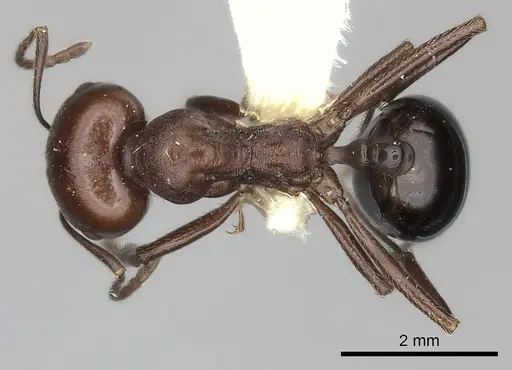
CASENT0217875
View on AntWeb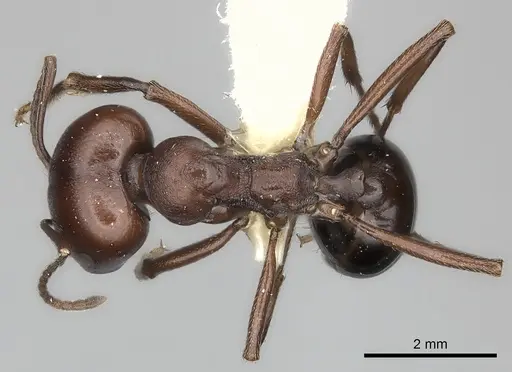
CASENT0252422
View on AntWeb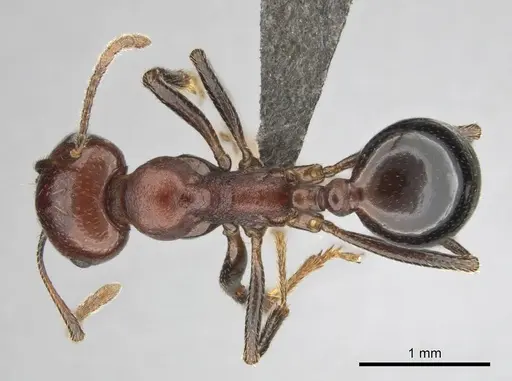
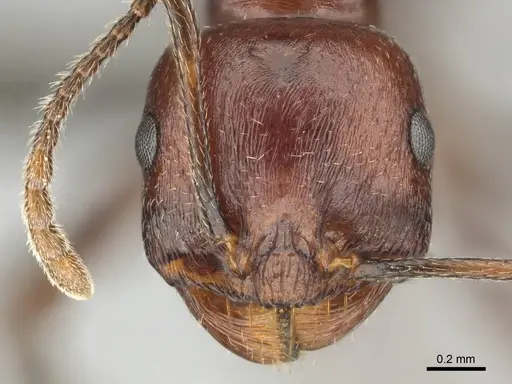
CASENT0252440
View on AntWeb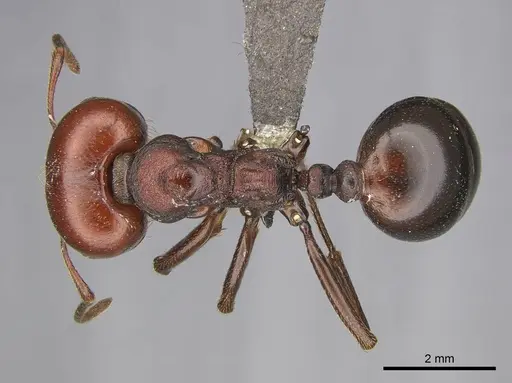
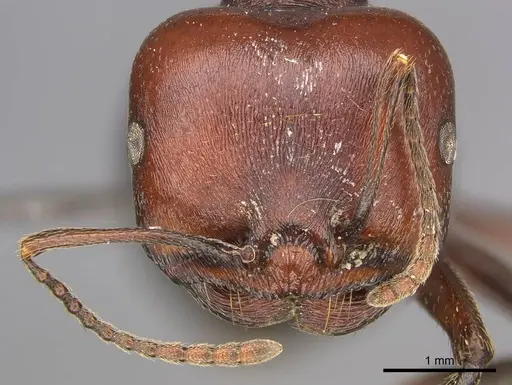
CASENT0907721
View on AntWeb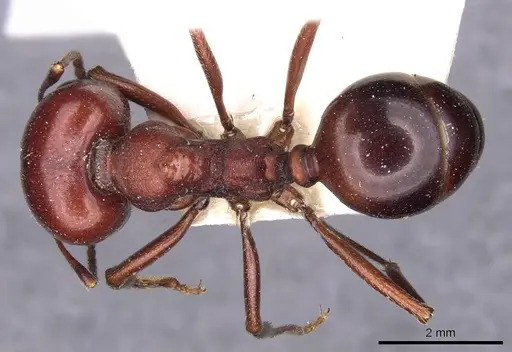
CASENT0907722
View on AntWeb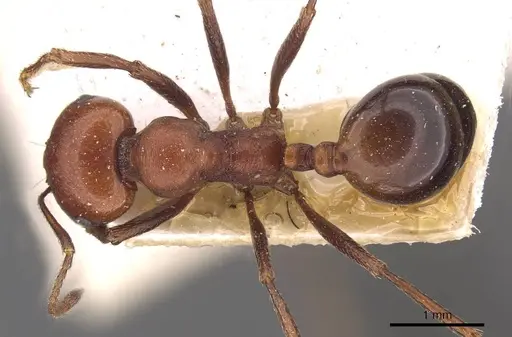
FOCOL1261
View on AntWeb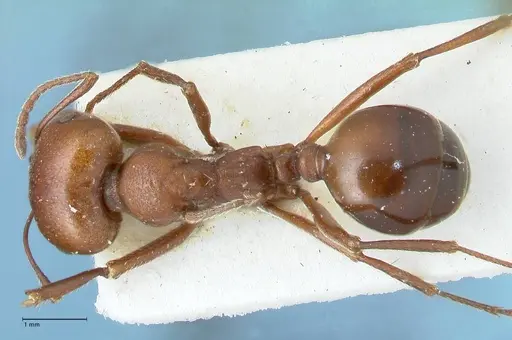
FOCOL1262
View on AntWeb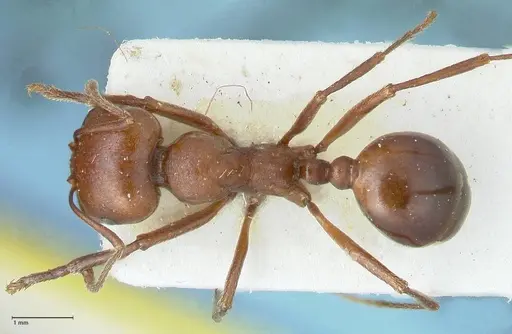
FOCOL1263
View on AntWeb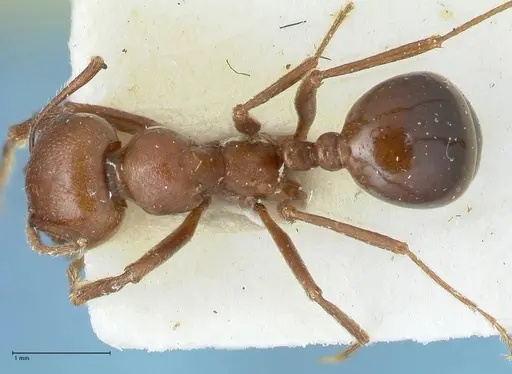
Literature
Loading...Loading products...