

Messor lobicornis
- Scientific Name
- Messor lobicornis
- Tribe
- Stenammini
- Subfamily
- Myrmicinae
- Author
- Forel, 1894
- Distribution
- Found in 3 countries
Messor lobicornis Overview
Messor lobicornis is an ant species of the genus Messor. It is primarily documented in 3 countries , including Algeria, Spain, Morocco. Detailed taxonomic data and occurrence records can be further explored via authoritative databases such as AntWeb or the Global Biodiversity Information Facility (GBIF).
Messor lobicornis
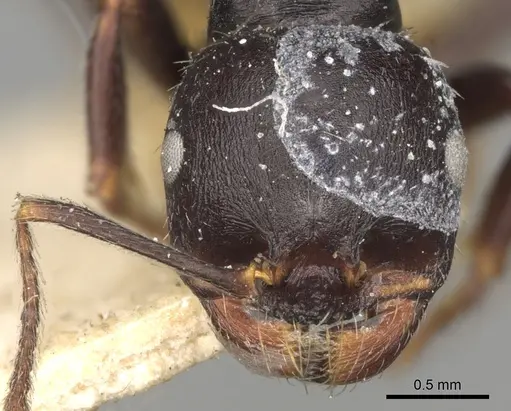
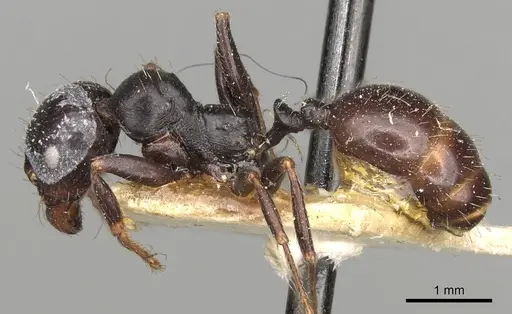
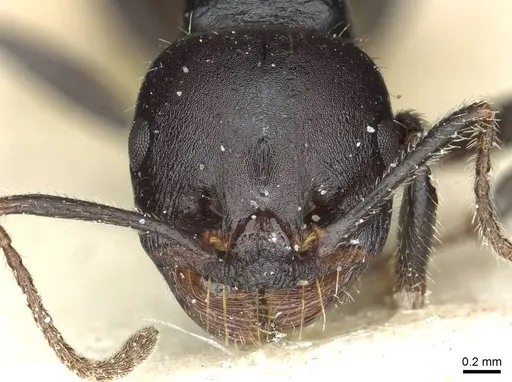
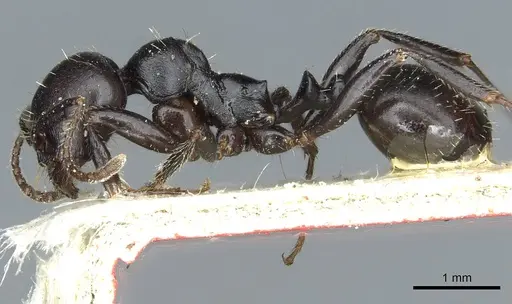
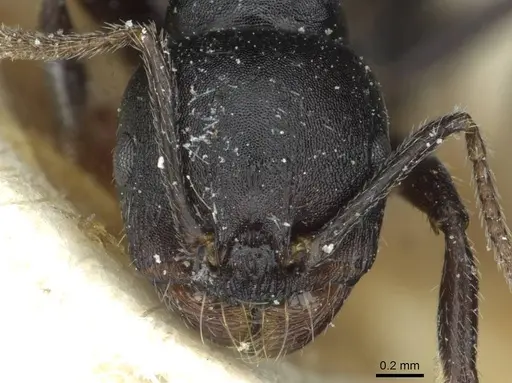
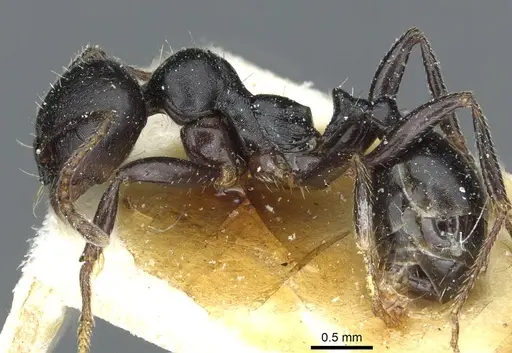
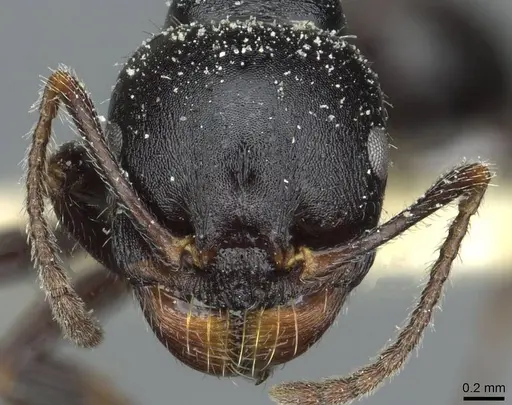
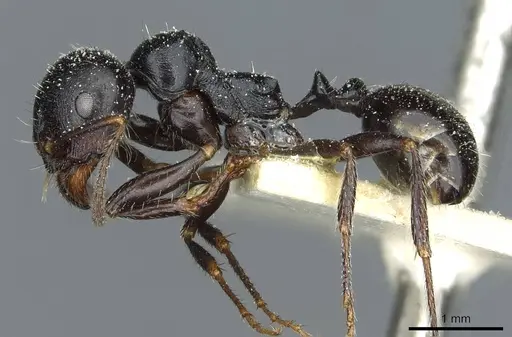
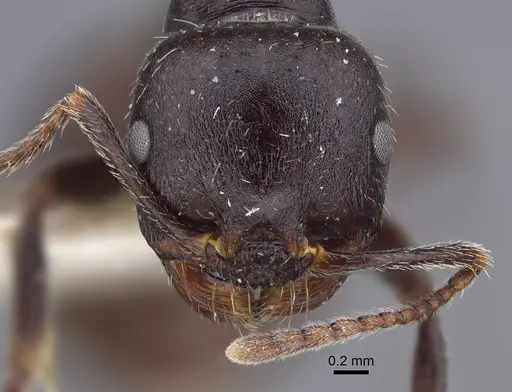
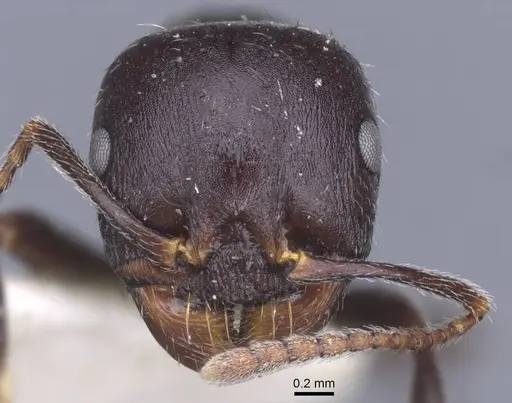
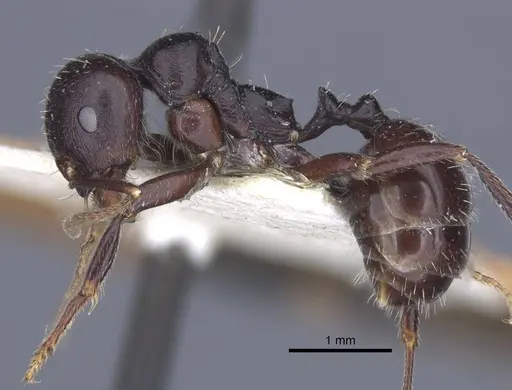
Messor lobicornis is a medium-sized harvester ant native to the western Mediterranean region, found across Algeria, Morocco, Spain, Portugal, Gibraltar, and into Turkey [1]. Workers measure 4.5-6.5mm and are distinctively black with a dull appearance. The species gets its name from the unique lobe at the base of its antenna scape, a key identification feature that sets it apart from similar Messor species [2]. This is a high-elevation species in the wild, recorded in green oak forests at 1300m in Algeria's Atlas mountains and in northern Morocco between 1200-1600m elevation [2].
Unlike many common ants, this species is rarely encountered even in its native range, making it a more unusual find for antkeepers [3]. As a harvester ant, Messor lobicornis plays an important ecological role in seed dispersal across its Mediterranean habitat.
Quick Summary
- Difficulty: Medium
- Origin & Habitat: Western Mediterranean region, Algeria, Morocco, Spain, Portugal, Gibraltar, and Turkey. Found at higher elevations (1200-2000m) in oak forests and mixed forest habitats in North Africa, and in mountainous areas of the Iberian Peninsula [2][1].
- Colony Type: Single-queen (monogyne) colonies. Like other Messor species, colonies typically have one queen that seals herself in during founding.
- Colony: Monogyne
- Founding: Claustral
- Size & Growth:
- Queen: Estimated 8-10mm based on genus patterns (not directly measured in literature)
- Worker: 4.5-6.5mm [2]
- Colony: Likely several hundred workers based on typical Messor colony sizes
- Growth: Moderate, seed-eating ants typically grow more steadily than predatory species
- Development: Estimated 6-10 weeks at optimal temperature based on genus patterns (Development time inferred from related Messor species, actual timeline may vary)
- Antkeeping:
- Temperature: Keep around 22-26°C. As a Mediterranean species from higher elevations, they prefer warm but not extreme conditions. A slight temperature gradient allows workers to regulate their exposure.
- Humidity: Moderate, provide a damp nest chamber but allow areas to dry out. These are not desert ants but come from relatively dry Mediterranean climates with seasonal rainfall.
- Diapause: Yes, as a temperate species from the Mediterranean, they require a winter rest period of 2-3 months at around 10-15°C to trigger proper reproductive cycles [4].
- Nesting: Y-tong (AAC) nests work well for this species. They prefer compact chambers and will store seeds in the nest. Plaster nests are also suitable. Avoid overly wet substrates, they prefer somewhat drier conditions than many Myrmicinae.
- Behavior: Workers are active foragers that collect seeds and bring them back to the nest for storage, typical harvester behavior. They are not particularly aggressive but will defend their nest and food stores. Workers are moderately sized and can squeeze through small gaps, so escape prevention should be taken seriously. They are diurnal, foraging during daylight hours.
- Common Issues: seed storage can lead to mold if nest is too wet, monitor moisture levels carefully, colonies may be slow to establish initially, patience is required during founding phase, high elevation origins mean they may not tolerate prolonged heat above 30°C, rare species in the wild means captive colonies may have limited genetic diversity if not carefully sourced
Nest Preferences and Housing
Messor lobicornis does well in Y-tong (acrylic) nests or plaster formicaria. These ants prefer compact, narrow chambers rather than large open spaces. As seed harvesters, they will collect and store seeds within the nest, so ensure any seed storage areas remain dry to prevent mold. A water tube connected to a cotton reservoir works well for humidity control without over-wetting the nest. Because they come from higher elevations in the wild, they appreciate a temperature gradient, keep one side of the nest around 24-26°C while allowing a cooler area around 20-22°C. Test tube setups work for founding colonies but you'll need to move them to a proper formicarium once the colony reaches 15-20 workers. [2][4]
Feeding and Diet
As harvester ants, Messor lobicornis primarily collects and stores seeds. In captivity, offer a variety of seeds, millet, sunflower seeds, and grass seeds are readily accepted. They will crack open seeds and consume the nutritious endosperm inside. Beyond seeds, they also need protein sources. Offer small insects like fruit flies, small mealworms, or cricket pieces once or twice weekly. Sugar water or honey can be offered occasionally but is not a primary food source for this granivorous species. Fresh water should always be available. Remove any uneaten seeds or prey after 2-3 days to prevent mold issues in the nest. [4]
Temperature and Seasonal Care
Messor lobicornis thrives at temperatures between 22-26°C during the active season. Their high-elevation origins in the Atlas mountains and Moroccan Rif mean they prefer cooler conditions than many desert Messor species, avoid temperatures above 30°C for extended periods. During winter, they require a diapause period. Reduce temperatures to 10-15°C for 2-3 months, typically from late autumn through winter. During diapause, reduce feeding significantly and keep the nest slightly cooler but not cold. This rest period is essential for triggering proper reproductive cycles in the spring. Resume normal temperatures gradually in early spring to stimulate egg-laying. [2][4]
Colony Founding
Like other Messor species, M. lobicornis is a claustral founder. The queen seals herself in a small chamber and does not leave to forage during the founding phase. She relies entirely on her stored fat reserves to survive and raise the first brood. This means you do not need to feed the founding queen at all. The first workers (nanitics) will be smaller than mature workers but will immediately begin foraging for seeds and protein. Founding colonies should be left undisturbed in darkness for the first 4-6 weeks. Only check briefly once a week to ensure the test tube still has water. Once the first workers emerge, you can begin offering tiny food items near the colony entrance. [4]
Behavior and Temperament
Workers of Messor lobicornis are active foragers that patrol the outworld searching for seeds and small insects. They are not particularly aggressive toward humans but will readily defend their nest and food stores if threatened. Workers communicate the location of food sources to nestmates through chemical trails, you may see them forming lines to food discoveries. They are diurnal, showing peak activity during daylight hours. Their moderate size (4.5-6.5mm) means they can fit through surprisingly small gaps, use fluon or other barriers on any potential escape routes. They are generally calm ants that are enjoyable to watch as they methodically collect and process seeds. [2][4]
Frequently Asked Questions
How long does it take for Messor lobicornis to raise first workers?
Expect 6-10 weeks from egg to first worker at optimal temperature (around 24°C). This is typical for Messor species. The queen is claustral and seals herself in, raising the first brood entirely on her own. Nanitics (first workers) will be smaller than mature workers but are fully functional foragers.
What do Messor lobicornis ants eat?
They are primarily seed-eating (granivorous) ants. Offer variety of seeds like millet, sunflower seeds, and grass seeds. They also need protein, small insects like fruit flies, small mealworms, or cricket pieces work well. Offer protein twice weekly and keep seeds available constantly. Remove uneaten food after 2-3 days to prevent mold.
Do Messor lobicornis ants need hibernation?
Yes, they require a winter diapause period. As a Mediterranean species from higher elevations, reduce temperatures to 10-15°C for 2-3 months during winter (typically late autumn through winter). This rest period is essential for triggering proper reproductive cycles in spring. Reduce feeding significantly during this time.
Are Messor lobicornis good for beginners?
They are rated as medium difficulty. They are harder to find in the antkeeping trade since this is a rarer species, and they have specific temperature requirements (preferring cooler conditions than many Messor). However, their seed-harvesting behavior is fascinating to observe, and their claustral founding makes initial care straightforward. They are not aggressive and don't sting.
How big do Messor lobicornis colonies get?
Based on typical Messor colony sizes, expect several hundred workers in a mature colony. They are not among the largest Messor species but can still form substantial colonies over time. Growth rate is moderate, seed-eating ants tend to grow more steadily than fast-growing predatory species.
Can I keep multiple Messor lobicornis queens together?
No. This species is monogyne, meaning colonies have a single queen. Unlike some Messor species that can be polygynous, M. lobicornis typically has only one queen per colony. Attempting to introduce additional queens will result in fighting.
What temperature is ideal for Messor lobicornis?
Keep nest temperatures between 22-26°C. They prefer cooler conditions than many desert Messor species due to their high-elevation origins. Provide a temperature gradient so workers can choose their preferred spot. Avoid prolonged temperatures above 30°C.
When should I move my Messor lobicornis colony to a formicarium?
Move from test tube to a proper nest once the colony reaches 15-20 workers. At this point, they need more space for seed storage and brood development. Y-tong or plaster nests work well. Ensure the new setup has proper humidity control and a temperature gradient.
Do Messor lobicornis ants sting?
Messor ants have stingers but rarely use them against humans. They are not considered aggressive and are more likely to flee than attack. Their sting, if used, would be mild. These ants are safe to handle gently if needed for transfers.
Why is my Messor lobicornis colony dying?
Common causes include: too high temperatures (above 30°C), excessive moisture leading to mold, insufficient protein in diet, or stress from too much disturbance during founding. Also ensure they have proper hibernation periods. Check that seeds are not molding in the nest.
References

This caresheet is licensed under CC BY-SA 4.0 .
CASENT0281597
View on AntWeb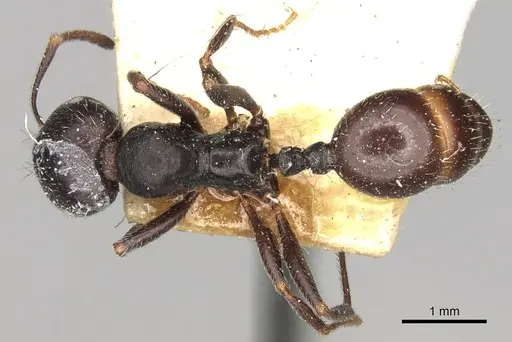
CASENT0904138
View on AntWeb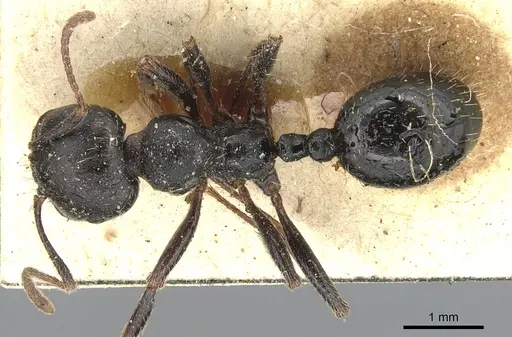
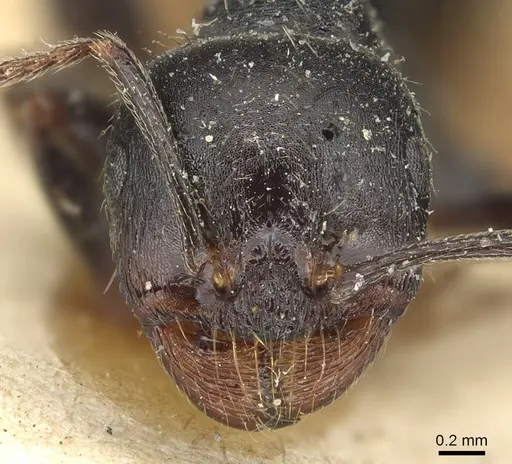
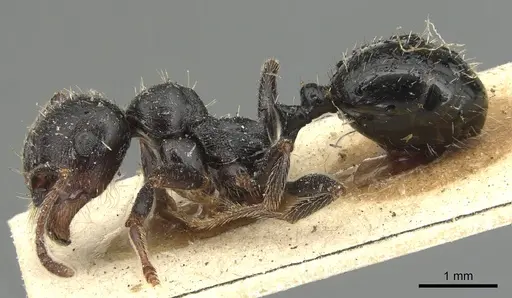
CASENT0907750
View on AntWeb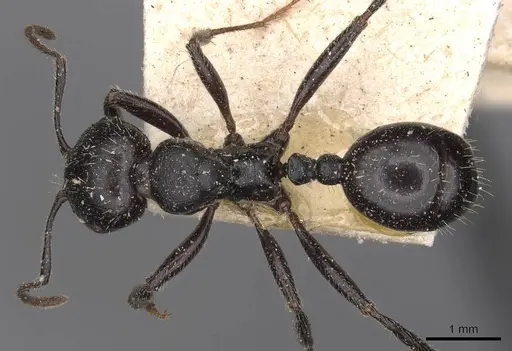
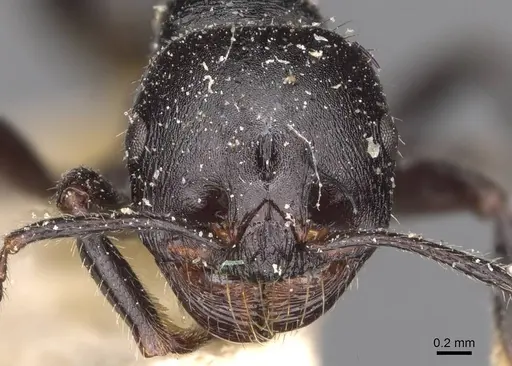
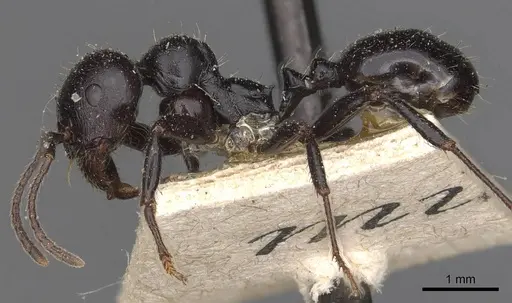
CASENT0907751
View on AntWeb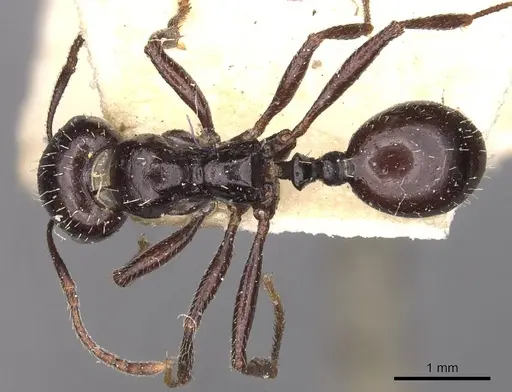
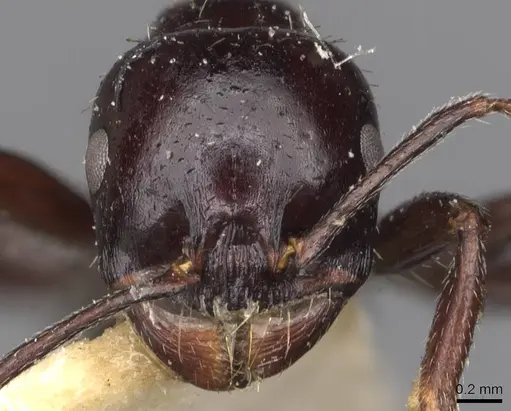
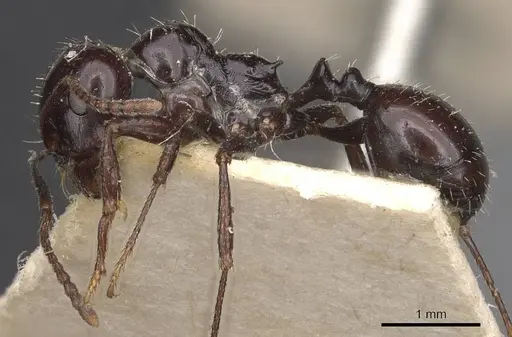
CASENT0913189
View on AntWeb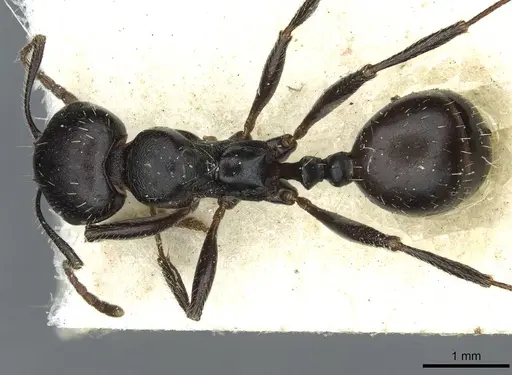
CASENT0913190
View on AntWeb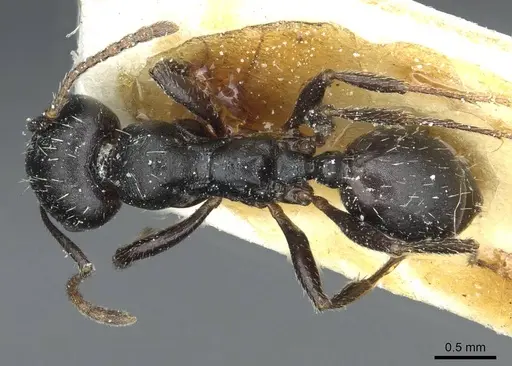
CASENT0913191
View on AntWeb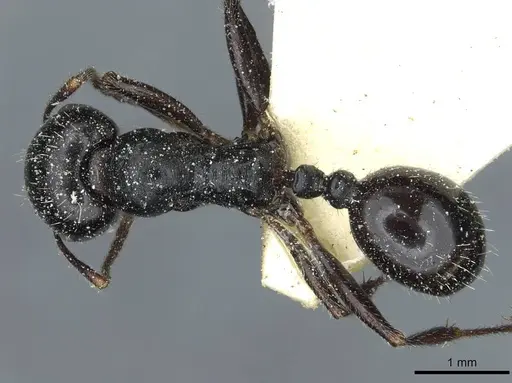
CASENT0916924
View on AntWeb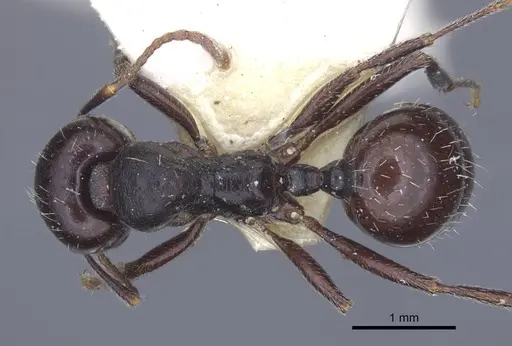
Literature
Loading...Loading products...