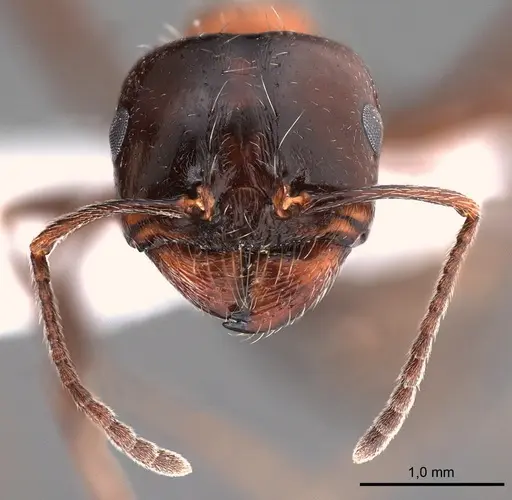
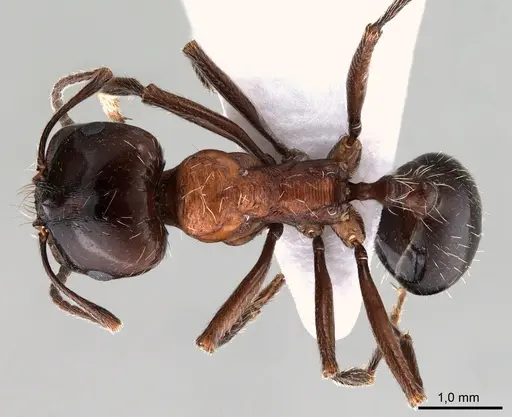
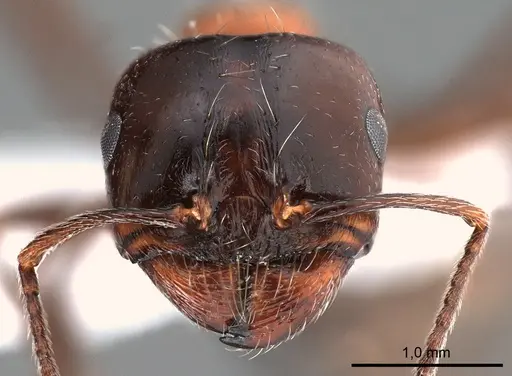
Messor laboriosus - "Red-breasted Harvester Ant"
Messor laboriosus is a fascinating harvester ant species known for its distinct bi-coloration, featuring a black/brown body with a notable red thorax, which is quite uncommon among Messor ants. These ants are primarily granivorous, meaning their diet mainly consists of seeds, which they process into 'ant bread'. They exhibit worker polymorphism, with different sizes of workers (minors, media, and majors) that specialize in various tasks, including crushing seeds. They are considered relatively easy to keep, making them a good choice for those looking to advance from more basic ant species.
- Difficulty: Easy
- Origin & Habitat: Palaearctic Region (Greece, Iran, Israel, Kazakhstan, Kyrgyzstan, Montenegro, North Macedonia, Russia, Tajikistan, Turkey, Turkmenistan, Uzbekistan, China, Azerbaijan) in Grasslands, savannahs, and arid to semi-desert habitats, often nesting under rocks or in loose ground..
- Colony Type: Monogyne, claustral founding.
- Size & Growth:
- Queen: 12-15mm
- Worker: 5-13mm
- Colony: Medium (thousands). Fast, especially with optimal temperatures and consistent feeding. growth.
- Antkeeping:
- Temperature: Maintain a nest temperature between 22°C and 28°C for optimal growth. Outworld temperatures can range from 18°C to 30°C. Consistent warmth helps accelerate brood development..
- Humidity: A humidity gradient is crucial: 60-89% for brood chambers and 10-50% for seed storage areas to prevent germination..
- Diapause: Required. 3-4 months at 10-15°C.
- Nesting: They thrive in nests that offer a humidity gradient, with some areas more humid for the brood and drier areas for seed storage. Ytong or similar aerated concrete nests are highly recommended due to their moisture retention properties and ease of sculpting appropriate chambers..
- Behavior: Low (towards handler, food or other ants) aggressiveness.
- Common Issues: Mold in nest (especially in seed chambers if too humid), Mites, Colony stalling (due to improper temperature or humidity), Overfeeding leading to waste, Humidity fluctuations, Queen stress (can lead to brood eating).
One of the most captivating aspects of Messor laboriosus is their remarkable seed-harvesting behavior. These ants are primarily granivorous, collecting various seeds from their environment and bringing them back to the nest. Inside, the major workers, with their powerful jaws, meticulously crush these seeds into a paste, often referred to as 'ant bread.' This 'ant bread' serves as the colony's main food source, providing essential proteins and carbohydrates for the queen, brood, and all worker castes. Providing a diverse selection of small, clean seeds is key to their long-term health and development.
Humidity management is paramount for Messor laboriosus colonies. While the brood requires a relatively high humidity level to develop properly, the seed storage chambers need to be significantly drier to prevent mold growth and seed germination. Achieving this humidity gradient within the formicarium is vital. Nests made of materials like Ytong or other aerated concrete are often ideal as they naturally allow for such gradients, with a hydrated section for the brood and drier areas for their granaries. Regular monitoring of humidity levels in both sections will ensure the colony's well-being.
Colony growth with Messor laboriosus can be quite impressive once they establish. With proper heating and a consistent food supply, a founding queen can rapidly produce a thriving colony. It's exciting to watch the colony expand and see the increasing diversity in worker sizes, from the smaller foragers to the robust majors. Providing a spacious outworld for foraging is beneficial, allowing them to explore and collect seeds efficiently, mimicking their natural foraging behaviors and adding to the visual appeal of the setup.
While Messor laboriosus is generally considered an easy-to-keep species, new antkeepers should be mindful of a few common pitfalls. Overfeeding can lead to mold issues in the nest, especially in humid areas, so it's best to offer seeds in manageable quantities and remove any uneaten food promptly. Additionally, Messor ants can be clumsy and prone to drowning in open water sources. It's always advisable to provide water through a feeder that minimizes this risk, such as a test tube setup with a cotton wick or specialized ant-safe feeders. Maintaining cleanliness in the outworld is also crucial to prevent pest infestations like mites.
Frequently Asked Questions
What makes Messor laboriosus a good ant species for beginners?
Messor laboriosus is often recommended for ant keepers who have some basic experience. They're relatively straightforward to care for once you understand their specific needs, especially regarding their diet and nest humidity. Their unique seed-harvesting behavior is incredibly engaging to observe, and they're generally not aggressive, making them a rewarding colony to keep.
How do Messor laboriosus process seeds into 'ant bread'?
These harvester ants are masters of seed processing! The larger worker castes, particularly the majors with their robust mandibles, are specially adapted to crack open tough seed casings. Once the seed is opened, the ants grind the inner pulp into a paste, which is often called 'ant bread.' This nutrient-rich paste is then fed to the queen, larvae, and other colony members.
Do Messor laboriosus need a specific type of nest?
Yes, their nesting requirements are quite specific due to their seed-storing habits. Messor laboriosus thrive in formicariums that can provide a clear humidity gradient. You'll want a moist area for the queen and developing brood and much drier chambers for seed storage to prevent mold and germination. Ytong nests or similar aerated concrete setups are highly favored by antkeepers for their ability to maintain these distinct humidity zones.
What is the ideal temperature range for Messor laboriosus?
For optimal colony growth and brood development, keep their nest temperature consistently between 22°C and 28°C. While they can tolerate a wider range in the outworld, maintaining warmth in the nest is crucial for their metabolism and overall health. Heat mats or cables can be beneficial if your room temperature dips too low.
How much humidity do Messor laboriosus need in their nest?
Humidity is a balancing act for Messor laboriosus. The areas where the brood is kept should have higher humidity, ideally between 60% and 89%. However, the seed storage chambers, or granaries, need to be much drier, around 10% to 50% humidity. This prevents their precious seed stores from sprouting or getting moldy.
Do Messor laboriosus require diapause (hibernation)?
Yes, Messor laboriosus generally require a period of diapause, often referred to as hibernation in the antkeeping community. This usually lasts from late November to late February, at cooler temperatures between 10°C and 15°C. This resting period is important for their natural life cycle and long-term colony health.
What should I feed my Messor laboriosus colony?
Their diet primarily consists of seeds, making up 80-90% of what they consume. Offer a variety of small, clean seeds like grass seeds or bird seeds. You can also supplement their diet with occasional small, dead insects for protein, and a tiny amount of sugar water or honey, but be cautious with open water sources as they can drown easily.
How large can a Messor laboriosus colony get?
With proper care, a Messor laboriosus colony can grow to a considerable size, reaching up to several thousands of workers. Some sources suggest they can reach up to 10,000 workers. This impressive colony size, combined with their polymorphic castes, makes for a truly captivating display.
Are Messor laboriosus aggressive?
Messor laboriosus are generally considered to have low aggression levels. They are not known to be overly aggressive towards their keepers or other ants, which is a plus for observation and handling within a captive setup.
What are common issues to watch out for when keeping Messor laboriosus?
Keep an eye out for mold in their seed chambers if humidity gets too high; this is a common issue with harvester ants. Mites can also be a problem, so maintaining cleanliness is key. Colony stalling can occur if temperature or humidity isn't ideal, and queens can sometimes eat their brood if stressed. Overfeeding can lead to uneaten food rotting, so offer food in moderation and remove leftovers promptly.
How long does it take for Messor laboriosus eggs to develop into workers?
While precise timelines can vary based on temperature and nutrition, a rough estimate for the egg to worker development cycle for Messor species, if kept at around 20°C, can be anywhere from 2 to 3 months. Providing consistent warmth within their optimal range will help accelerate this process.
Do Messor laboriosus have different types of workers?
Absolutely! Messor laboriosus exhibits polymorphism, meaning their worker caste comes in different sizes. You'll observe smaller minor workers, medium-sized workers, and larger major workers, sometimes also called soldiers. The majors have notably larger heads and are primarily responsible for cracking open seeds, while minors handle much of the general colony upkeep and foraging.
Can I keep multiple Messor laboriosus queens together (pleometrosis)?
Messor laboriosus is a monogyne species, meaning colonies are founded by a single queen. Therefore, it's not recommended to keep multiple queens together, as they will likely fight and only one will survive.