

Messor hispanicus
- Scientific Name
- Messor hispanicus
- Tribe
- Stenammini
- Subfamily
- Myrmicinae
- Author
- Santschi, 1919
- Distribution
- Found in 3 countries
Messor hispanicus Overview
Messor hispanicus is an ant species of the genus Messor. It is primarily documented in 3 countries , including Spain, Morocco, Portugal. Detailed taxonomic data and occurrence records can be further explored via authoritative databases such as AntWeb or the Global Biodiversity Information Facility (GBIF).
Messor hispanicus
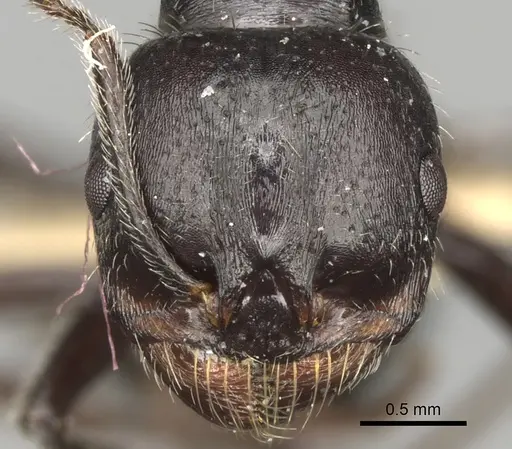
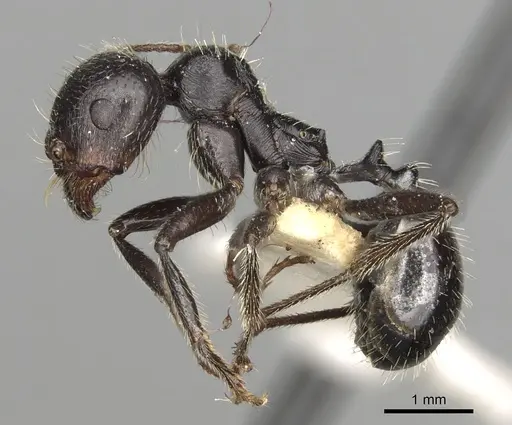
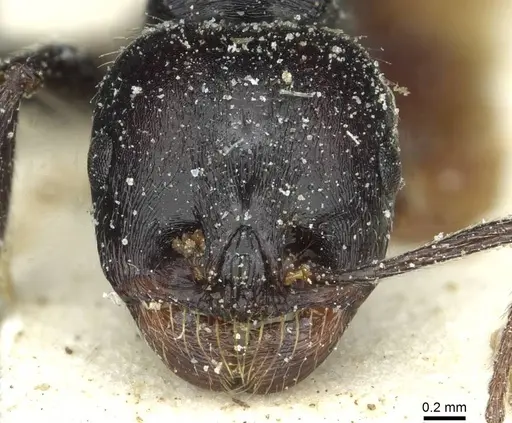
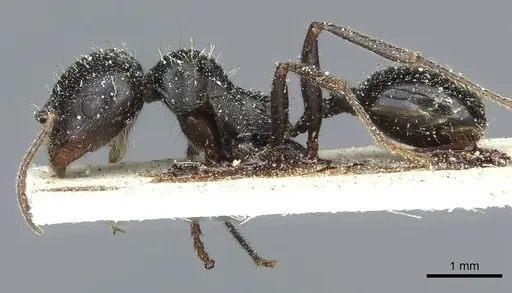
Messor hispanicus is a small harvester ant native to the Iberian Peninsula and Morocco. Workers measure 3.2-6.5mm and are black with well-developed hairs on the abdomen. The head is relatively large, especially in major workers, adapted for seed processing. This species nests in open, xerophilous Mediterranean habitats and is known for its foraging columns that collect seeds from surrounding vegetation [1][2]. Unlike many ants, Messor hispanicus is primarily granivorous, they harvest seeds and store them in the nest as food, making them fascinating to watch as they process their bounty.
Quick Summary
- Difficulty: Easy
- Origin & Habitat: Iberian Peninsula and Morocco, found in open xerophilous places with Mediterranean vegetation, typically in dry, sunny areas [2][3]
- Colony Type: Monogyne (single queen colonies), typical for the genus Messor [4]
- Colony: Monogyne
- Founding: Claustral
- Size & Growth:
- Queen: Approximately 8-10mm (estimated from related Messor species)
- Worker: 3.2-6.5mm [1]
- Colony: Up to several thousand workers in mature colonies
- Growth: Moderate
- Development: 8-12 weeks at optimal temperature (estimated from genus patterns) (Development time varies with temperature, warmer conditions accelerate development)
- Antkeeping:
- Temperature: Keep at 22-26°C, Mediterranean species that prefers warm, stable conditions. A heating cable on one side of the nest creates a useful gradient [4]
- Humidity: Low to moderate, these are dry habitat ants. Keep nest substrate moderately dry, with a small water tube for drinking. Avoid damp conditions that can cause mold [4]
- Diapause: Yes, provide a winter rest period of 8-12 weeks at 10-15°C. This mimics their natural Mediterranean cycle and helps trigger reproductive behavior in spring [4]
- Nesting: Test tubes work well for founding colonies. For established colonies, a Y-tong or plaster nest with dry to moderately humid chambers suits their natural open-habitat preferences. They do well with some vertical space but don't need deep soil [4]
- Behavior: Generally peaceful but can be defensive when their nest is disturbed. Major workers have large heads filled with powerful muscles for cracking seeds, this makes them entertaining to watch during feeding time. They form distinct foraging columns or trunk trails to collect seeds. They are not aggressive toward humans and rarely sting. Escape risk is moderate, use standard barrier methods but they aren't particularly escape-prone [5][6]
- Common Issues: mold growth from overwatering, keep them dry, colonies may fail if fed only sugar, they need seed-based diet, slow initial growth can worry beginners, be patient during founding, winter die-offs if not given proper diapause, major workers can get stuck in food dishes if openings are too small
Housing and Nest Setup
Messor hispanicus adapts well to standard antkeeping setups. For founding colonies, a simple test tube setup with a water reservoir works perfectly, fill the tube about one-third with water, plug with cotton, and place the queen in the tube. The queen will seal herself into a chamber and begin laying eggs. For established colonies with 50+ workers, you can move them to a Y-tong (acrylic) nest or a plaster formicarium. These ants prefer dry to moderately humid conditions, so avoid setups that stay constantly wet. A small outworld for foraging allows you to observe their seed-harvesting behavior. Cover any connections between nest and outworld with fluon to prevent escapes. [4]
Feeding and Diet
As granivorous ants, Messor hispanicus specializes in collecting and processing seeds. In captivity, offer a variety of seeds, grass seeds, millet, sunflower seeds (cracked open), and commercial ant seed mixes work well. They will also accept small amounts of protein like mealworms or dead insects, but seeds should make up the bulk of their diet. Major workers use their large, powerful mandibles to crack seeds open and process them into a paste that feeds the colony. Provide a shallow water dish or water tube at all times. Avoid sugary liquids, these ants don't need sugar water like many other ant species. Remove uneaten seeds periodically to prevent mold. [6]
Temperature and Seasonal Care
These Mediterranean ants thrive at temperatures between 22-26°C. Room temperature in most homes is often adequate, but you can use a heating cable on one side of the nest during cooler months to maintain optimal conditions. Create a temperature gradient so ants can choose their preferred spot. During winter, provide an 8-12 week diapause period at 10-15°C, this can be in a garage, basement, or refrigerator designed for ant keeping. The winter rest helps trigger reproductive behavior in spring and keeps colonies healthy long-term. Do not feed during deep hibernation. Return to normal temperatures gradually in spring. [4]
Behavior and Colony Dynamics
Messor hispanicus forms impressive foraging columns that travel along established trails to collect seeds from the surrounding area. This trunk-trail foraging strategy is characteristic of the genus and makes for fascinating observation. Colonies are single-queen (monogyne), with one reproductive queen that can live for many years. Major workers develop as the colony grows, these larger workers have specialized heads for seed processing. The colony will grow from just a handful of workers (nanitics) in the first months to dozens, then hundreds, and eventually thousands of workers over several years. They are not aggressive and rarely sting, making them excellent for antkeepers who want to observe interesting foraging behavior without danger. [5][6]
Growth and Development
A newly mated queen will dig a small chamber and seal herself inside, this is claustral founding. She lays eggs that develop through larval stages entirely on her stored body fat. The first workers (nanitics) are smaller than mature workers but immediately begin foraging once they emerge. After that, the colony grows steadily as the queen continues laying eggs. Growth rate is moderate, expect 20-50 workers by the end of the first year under good conditions. The colony will accelerate growth in subsequent years as the worker population expands. Patience is key during the founding phase, resist the urge to check on the queen too frequently, as disturbances can cause her to eat the brood or abandon the chamber. [4]
Frequently Asked Questions
How long does it take for Messor hispanicus to have first workers?
First workers (nanitics) typically emerge 8-12 weeks after the queen lays eggs, depending on temperature. Warmer conditions (around 24-26°C) speed development, while cooler temperatures slow it down. Be patient during founding, the queen needs time to raise her first brood alone.
What do Messor hispanicus ants eat?
They are primarily seed-eaters. Offer a mix of grass seeds, millet, cracked sunflower seeds, and commercial ant seed mixes. They also occasionally accept small insects like mealworms, but seeds should be their main food. They don't need sugar water like many other ant species.
Can I keep multiple Messor hispanicus queens together?
No, Messor hispanicus is monogyne, meaning colonies have a single queen. Multiple unrelated queens will fight. Only keep one queen per colony. If you find a dealate queen, she should be housed alone for founding.
Do Messor hispanicus ants sting?
They rarely sting and are not aggressive toward keepers. Their stingers are present but too small to penetrate human skin effectively. You may feel a mild pinch if a major worker bites, but they are generally safe to handle.
Do Messor hispanicus need hibernation?
Yes, they benefit from an 8-12 week winter rest period at 10-15°C. This diapause mimics their natural Mediterranean cycle and helps trigger spring reproduction. Keep them in a cool location during winter and do not feed them.
How big do Messor hispanicus colonies get?
Mature colonies can reach several thousand workers over several years. Growth is moderate, expect 20-50 workers in year one,100-300 in year two, and continued growth from there under good conditions.
What temperature is best for Messor hispanicus?
Keep them at 22-26°C. A heating cable on part of the nest creates a gradient they can choose from. Room temperature is often suitable, but they do best with some warmth, especially during founding and brood development.
Are Messor hispanicus good for beginners?
Yes, they are excellent for beginners. They are forgiving of minor temperature fluctuations, don't require high humidity, and their seed-based diet is easy to provide. Their interesting foraging behavior makes them rewarding to watch.
When should I move my Messor hispanicus to a formicarium?
Move them when the test tube becomes crowded or the colony reaches 50+ workers. A Y-tong or plaster nest works well. Make sure the new nest has appropriately sized chambers, too large spaces can stress small colonies.
Why are my Messor hispanicus dying?
Common causes include: overwatering (causes mold), too-cold temperatures (slows growth and can kill), disturbing the queen during founding, or feeding inappropriate foods. Check that conditions match their Mediterranean preferences, dry, warm, seed-based diet.
References

This caresheet is licensed under CC BY-SA 4.0 .
CASENT0281601
View on AntWeb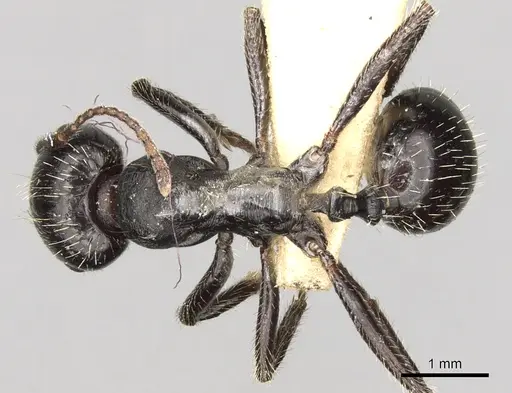
CASENT0913187
View on AntWeb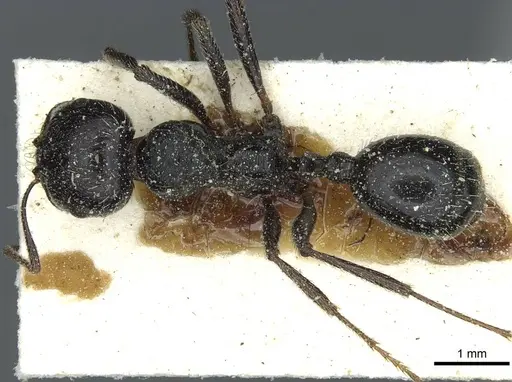
Literature
Loading...Loading products...