

Messor foreli
- Scientific Name
- Messor foreli
- Tribe
- Stenammini
- Subfamily
- Myrmicinae
- Author
- Santschi, 1923
- Distribution
- Found in 5 countries
Messor foreli Overview
Messor foreli is an ant species of the genus Messor. It is primarily documented in 5 countries , including Algeria, Egypt, Libya. Detailed taxonomic data and occurrence records can be further explored via authoritative databases such as AntWeb or the Global Biodiversity Information Facility (GBIF).
Messor foreli
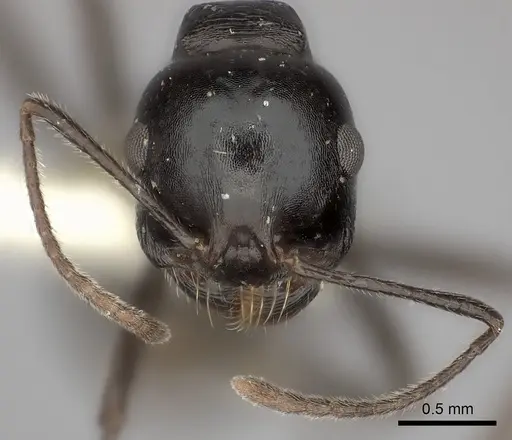
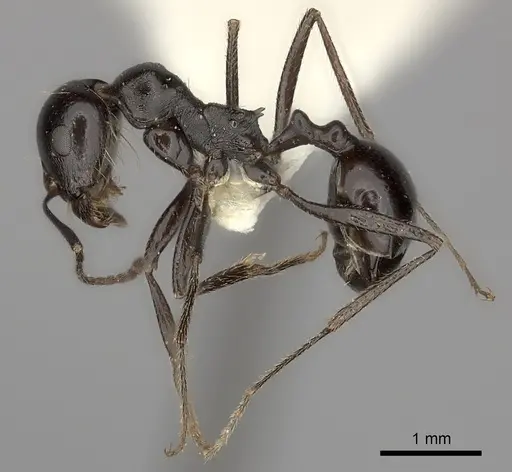
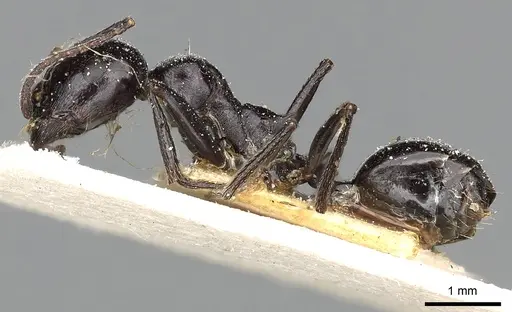
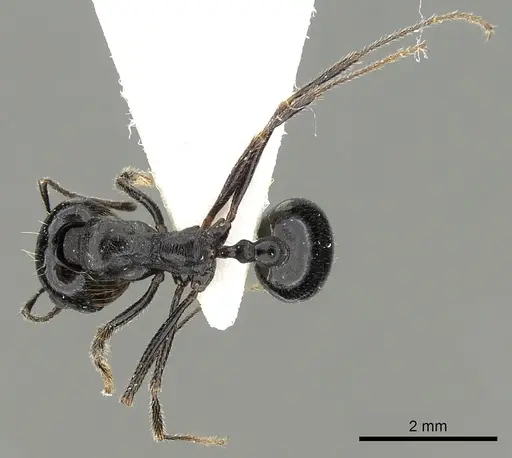
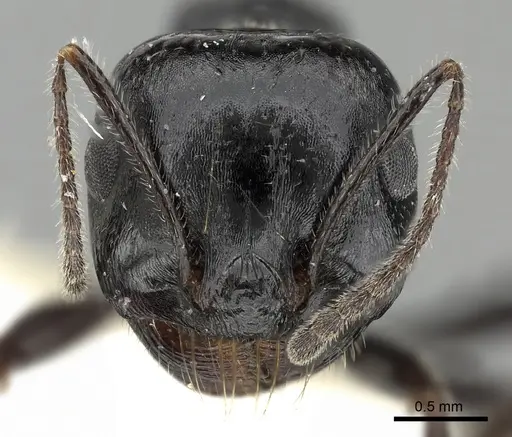
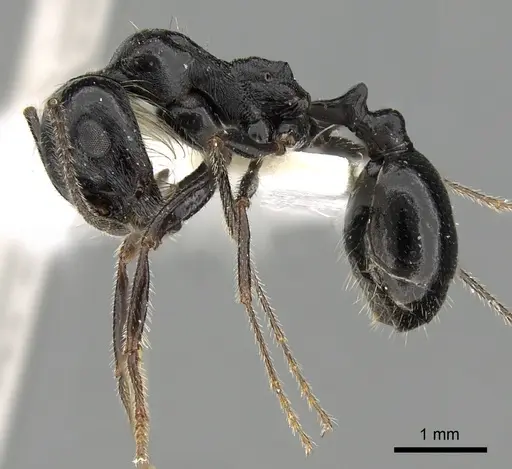
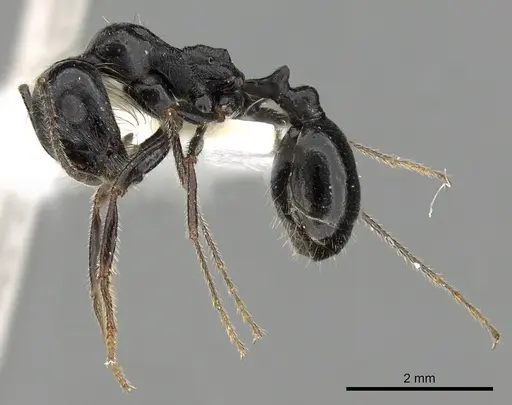
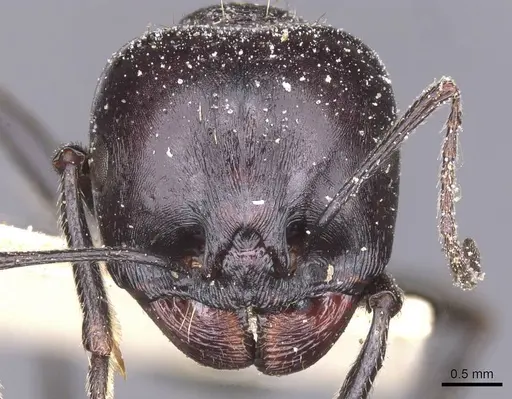
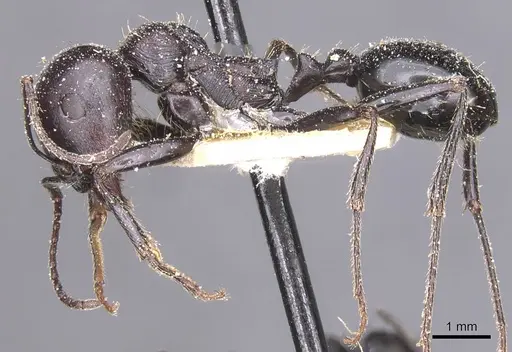
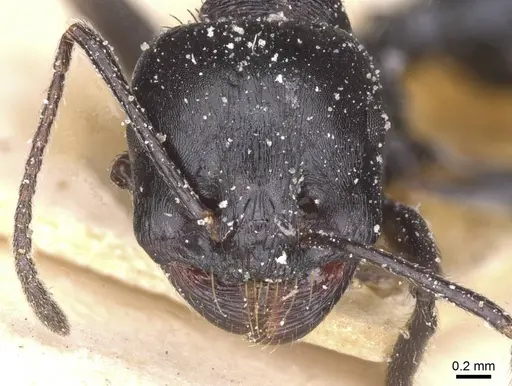
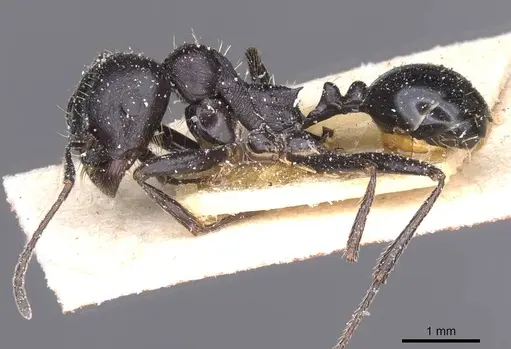
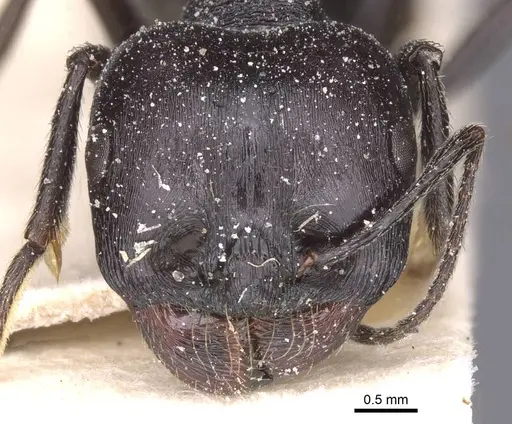
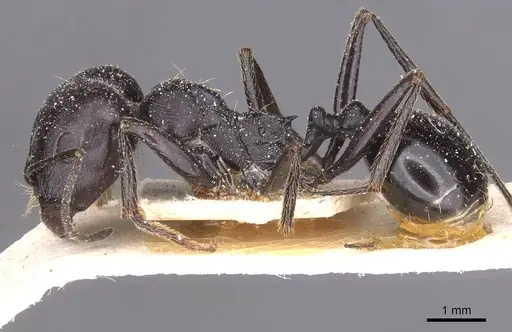
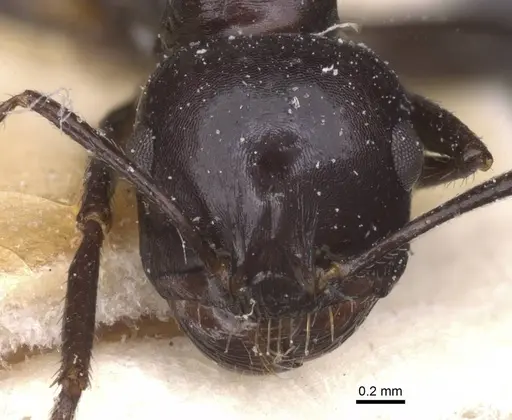
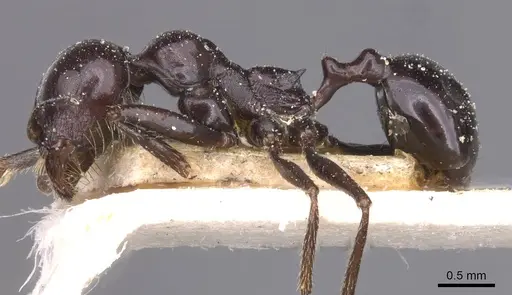
Messor foreli is a small harvester ant native to the northern Sahara and surrounding regions across North Africa and the Arabian Peninsula. Workers measure around 4-6mm with a distinctive appearance featuring large eyes, a dentate propodeum (the section behind the mesonotum), and a nearly hairless body. Their coloration ranges from evenly reddish-brown to brownish-black, with a shiny appearance due to their relatively light surface sculpture. The postpetiole (the segment behind the waist) is rather low and slightly truncate. This is a true desert species that thrives in arid conditions across its range from Morocco and Tunisia in the west to Saudi Arabia and the UAE in the east [1][2].
As a harvester ant, Messor foreli plays an important ecological role in desert ecosystems by collecting and storing seeds. They are known for their foraging behavior, using trail pheromones from their Dufour gland to recruit nestmates to food sources [3][4]. Colonies are typically found in sandy soils, with recent records from palm groves and agricultural areas in their range [5]. This species is well-adapted to extreme desert conditions but remains manageable in captivity when provided with appropriate care.
Quick Summary
- Difficulty: Easy
- Origin & Habitat: True desert species from the northern Sahara, found across North Africa (Morocco, Algeria, Tunisia, Egypt, Libya) and the Arabian Peninsula (Saudi Arabia, Oman, UAE) [1][2]. Inhabits arid sandy environments including desert margins and palm groves.
- Colony Type: Single-queen colonies (monogyne), typical for the Messor genus, though not extensively documented for this specific species. Colonies likely establish with one founding queen that seals herself in to raise the first brood.
- Colony: Monogyne
- Founding: Claustral
- Size & Growth:
- Queen: Approximately 7-9mm (estimated based on genus patterns for small Messor species)
- Worker: 4-6mm (head width 1.35-1.39mm) [6]
- Colony: Likely several hundred workers based on typical Messor colony sizes
- Growth: Moderate, seed-eating ants typically grow more steadily than predatory species
- Development: Approximately 8-12 weeks (estimated based on typical Messor development at warm temperatures) (Development is temperature-dependent, warmer conditions within safe range will speed up development. First workers (nanitics) will be smaller than mature workers.)
- Antkeeping:
- Temperature: Keep nest area at 24-28°C with a slight gradient. As a desert species, they tolerate warmer conditions well but avoid extreme heat above 35°C. Room temperature (22-24°C) is acceptable as a baseline, with a heating cable on one side of the nest to create a warm zone around 26-28°C.
- Humidity: Keep relatively dry, desert species prefer low humidity around 30-50%. The outworld can be kept dry, provide a water tube for drinking but do not mist the nest. Allow the nest substrate to dry completely between any rehydration.
- Diapause: Yes, this is a temperate/subtropical species that benefits from a mild winter rest period. Reduce temperature to 15-18°C for 8-12 weeks during winter months (roughly November-February in the Northern Hemisphere). Reduce feeding during this period.
- Nesting: Use a dry, sandy substrate, this desert species prefers well-drained conditions. A Y-tong (AAC) nest or plaster nest with dry chambers works well. Provide a sand-filled area in the outworld for them to forage and potentially dig. Avoid overly humid or compact substrates.
- Behavior: Messor foreli is a calm, non-aggressive species that focuses on seed collection and foraging. Workers are active foragers that will recruit nestmates to food sources using chemical trails. They are not particularly defensive and rarely sting. Escape risk is moderate, their small size means they can squeeze through small gaps, so ensure your setup has tight-fitting lids and barrier tape. They are diurnal and most active during warmer parts of the day.
- Common Issues: overhumidity is the biggest killer, this desert species rots easily in damp conditions, escape prevention requires attention due to their small worker size, seed storage can mold if humidity is too high in the nest, colonies may struggle if temperatures drop too low in winter without proper cooling period, overfeeding can lead to mold problems in the outworld
Nest Preferences and Setup
Messor foreli is a true desert species that thrives in dry, well-drained conditions. In the wild, they nest in sandy soils across the northern Sahara, and in captivity they do best in setups that replicate these arid conditions. A Y-tong (acrylic) nest or plaster nest works well, provided the nest chambers remain dry. Avoid naturalistic earth setups that retain moisture, these will cause the colony to decline.
For the outworld, provide a sandy area where workers can forage. This species is known to collect and store seeds, so offering a small dish or designated area with various seeds mimics their natural behavior. A water tube should always be available, harvester ants need access to drinking water even though they get moisture from seeds.
Temperature gradients are important. Use a heating cable on one side of the nest (placed on top of the acrylic, not underneath to avoid moisture issues) to create a warm zone around 26-28°C while keeping the rest at room temperature. This allows the colony to regulate its own conditions. [2][5][6]
Feeding and Diet
As a harvester ant, Messor foreli's primary diet consists of seeds, this is reflected in their genus name 'Messor' which means 'reaper' in Latin. In captivity, offer a variety of grass seeds, millet, poppy seeds, and other small seeds. They will also collect and store seeds in the nest, so provide a seed dish that they can access.
Beyond seeds, they accept protein sources like small insects (fruit flies, small mealworms, crickets) and will also consume sugar water or honey occasionally. However, seeds should form the bulk of their diet. Unlike predatory ants, they are not aggressive hunters and prefer to scavenge rather than chase live prey.
Feed seeds continuously, a small dish with mixed seeds should always be available. Offer protein foods 1-2 times per week. Remove any uneaten seeds that show signs of mold, as mold can kill colonies in humid conditions. Sugar water can be offered occasionally but is not required if seeds are available. [4][6]
Temperature and Seasonal Care
This desert species prefers warm conditions. Keep the nest area at 24-28°C, with the warmer end around 26-28°C being ideal for brood development. They can tolerate temperatures up to 35°C briefly but should not be exposed to sustained high heat. Room temperature alone (22-24°C) is acceptable but will result in slower development.
During winter, Messor foreli benefits from a rest period. Reduce temperatures to 15-18°C for 8-12 weeks, roughly from November through February. This mimics their natural seasonal cycle in the Sahara where winter brings cooler temperatures. During this 'diapause' period, reduce feeding significantly, the colony will be less active and consume less food. Do not feed seeds during hibernation, a small amount of protein occasionally is sufficient if the colony is active.
In summer, ensure the colony has access to both warm and slightly cooler areas of the nest so they can thermoregulate. Avoid placing the entire setup in direct sunlight or near heat sources that could cause overheating. [1][2]
Behavior and Foraging
Messor foreli workers are active foragers that collect seeds and bring them back to the nest. They use chemical trails, specifically pheromones from their Dufour gland, to recruit nestmates to food sources [3][4]. When you add seeds or protein to the outworld, you may observe workers leaving the nest, finding the food, and then returning to recruit others.
This species is not aggressive and poses no real threat to keepers. Workers are small and their sting, while present, is barely noticeable to humans. They are diurnal, being most active during daylight hours when temperatures are warmest.
Escape prevention is important due to their small size. Use fluon or barrier tape on the edges of the outworld, and ensure all lids fit tightly. Check for any small gaps around tubing connections. Despite being small, they are not particularly good climbers on smooth surfaces, so barrier tape is usually effective.
Colony Founding
Like most Messor species, Messor foreli queens are claustral, this means the founding queen seals herself in a small chamber and raises her first brood alone, without leaving to forage. She relies on stored fat reserves and the energy from her wing muscles to survive until the first workers (nanitics) emerge.
When founding a colony, place the queen in a test tube setup with a water reservoir at one end (but not flooding the tube). Seal the queen in with a cotton ball, creating a dark, humid chamber. Keep the setup at around 24-26°C and wait. The queen will lay eggs and raise the larvae through to workers without any food, this is normal for claustral species.
After the first workers emerge (typically 4-8 weeks depending on temperature), you can connect the test tube to an outworld and begin offering seeds and protein. Do not disturb the queen during founding, stress can cause her to abandon or eat her brood. [6]
Frequently Asked Questions
Is Messor foreli good for beginners?
Yes, this is an excellent beginner species. They are forgiving of minor care mistakes, don't require high humidity like tropical species, and are not aggressive. Their seed-based diet is easy to provide, and they are fascinating to watch as they harvest and store seeds. The main thing to get right is keeping them dry.
How long does it take for first workers to appear?
Expect 6-10 weeks from egg to first worker at optimal temperatures (26-28°C). At cooler room temperature (22-24°C), it may take 10-14 weeks. The first workers will be small (nanitics) and the colony will grow from there.
Can I keep multiple Messor foreli queens together?
No, Messor foreli is a single-queen species. Unlike some ants that can form multi-queen colonies, this species establishes with one founding queen. If you find multiple queens, they would likely fight if housed together. Start with one queen per colony.
Do Messor foreli ants sting?
They have a stinger but rarely use it. Even if they do sting, it is barely noticeable to humans due to their small size. This is a very docile species that poses no danger to keepers.
What do Messor foreli eat?
Their primary food is seeds, offer a mix of grass seeds, millet, poppy seeds, and similar small seeds. They also accept protein sources like small insects (fruit flies, mealworms) and occasionally sugar water or honey. Seeds should always be available.
Do they need hibernation?
Yes, they benefit from a mild winter rest. Reduce temperature to 15-18°C for 8-12 weeks during winter. Reduce feeding during this period as the colony will be less active. This rest period helps maintain healthy colony cycles.
Why are my ants dying?
The most common cause is overhumidity, this desert species rots easily in damp conditions. Make sure the nest is dry, avoid misting, and ensure ventilation is adequate. Other causes include temperatures that are too cold, mold from uneaten food, or stress from disturbance during founding.
When should I move them to a formicarium?
Keep founding colonies in a test tube until you have at least 15-20 workers. Once the colony is established and actively foraging, you can connect the test tube to a formicarium or outworld. Messor foreli does well in Y-tong nests or plaster nests with dry conditions.
How big do Messor foreli colonies get?
Based on typical Messor patterns, expect several hundred workers at maturity. This is a small Messor species, so colonies are not as large as some other harvesters that can reach thousands. Growth is moderate over 1-3 years.
References

This caresheet is licensed under CC BY-SA 4.0 .
CASENT0217871
View on AntWeb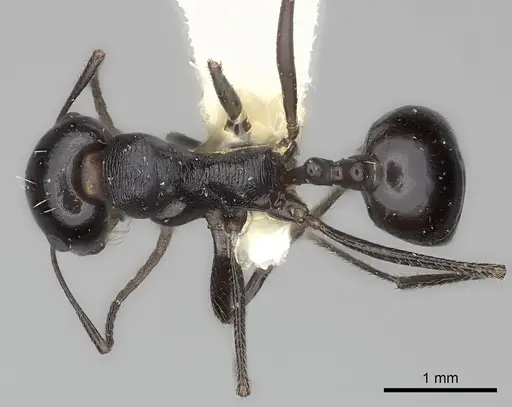
CASENT0217872
View on AntWeb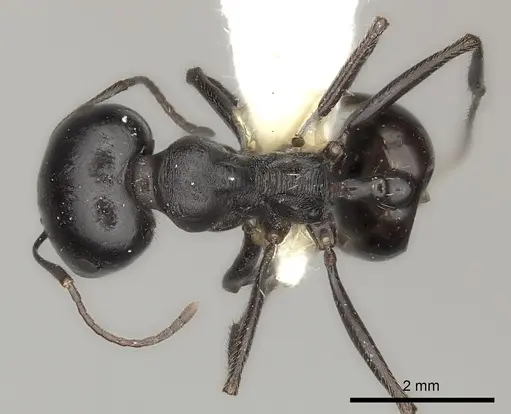
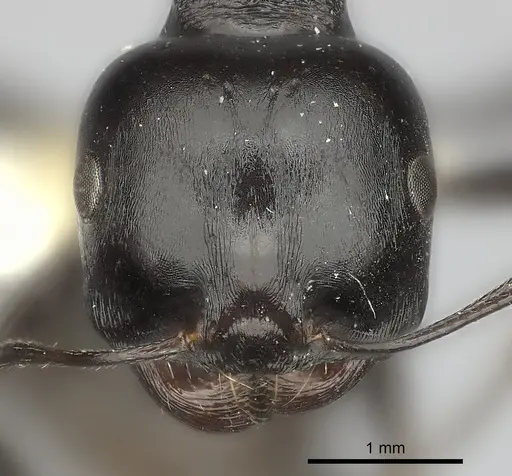
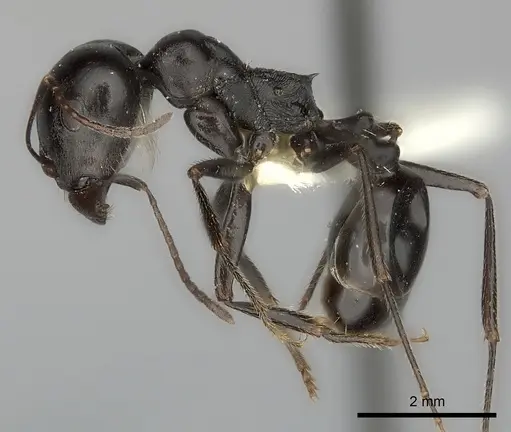
CASENT0249825
View on AntWeb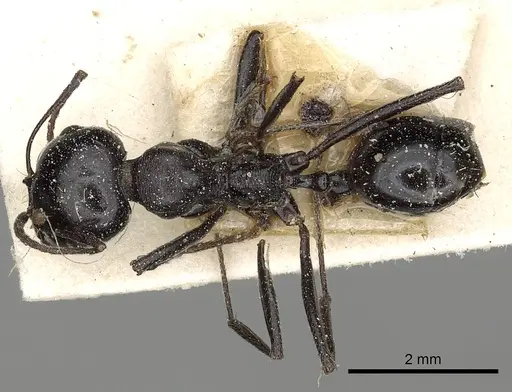
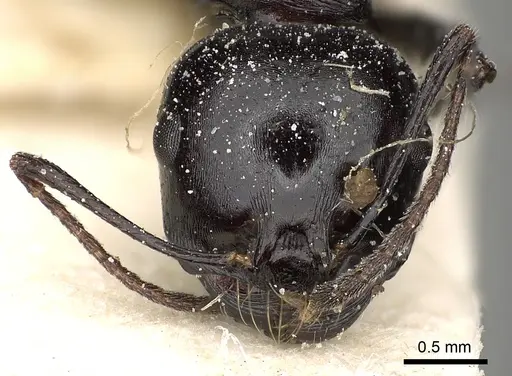
CASENT0249826
View on AntWeb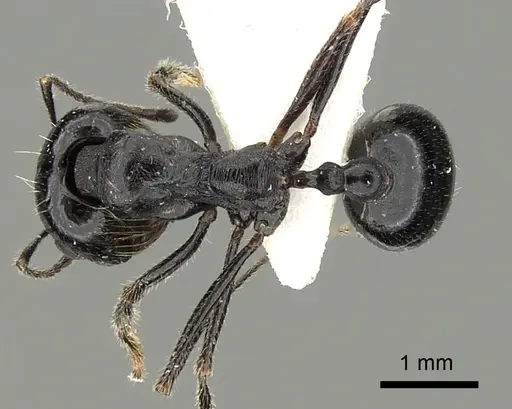
CASENT0913145
View on AntWeb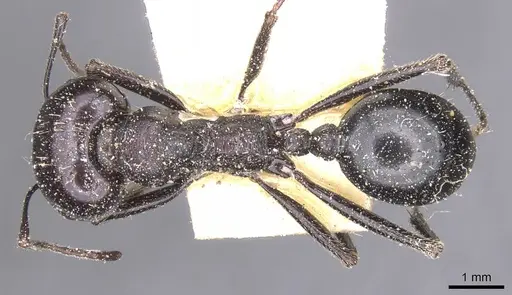
CASENT0913146
View on AntWeb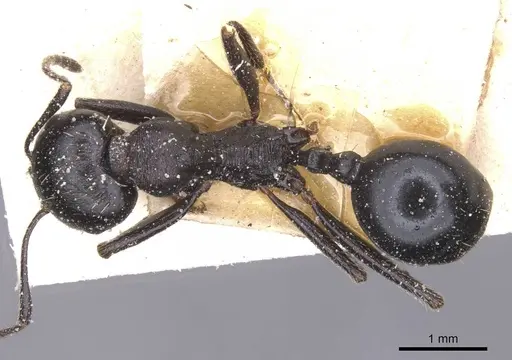
CASENT0913149
View on AntWeb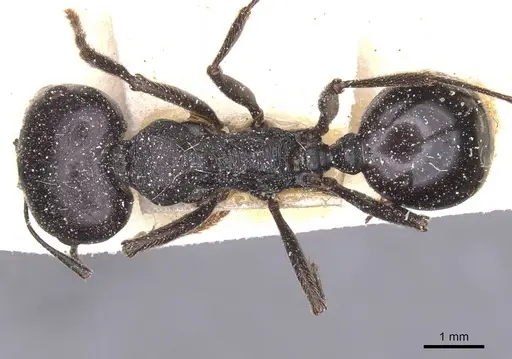
CASENT0913150
View on AntWeb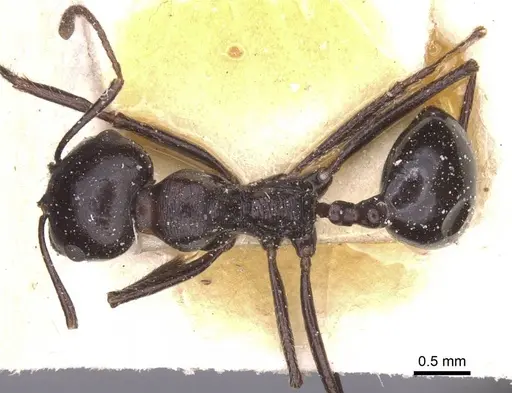
Literature
Loading...Loading products...