

Messor erectus
- Scientific Name
- Messor erectus
- Tribe
- Stenammini
- Subfamily
- Myrmicinae
- Author
- Espadaler, 1998
- Distribution
- Found in 1 countries
Messor erectus Overview
Messor erectus is an ant species of the genus Messor. It is primarily documented in 1 countries , including Morocco. Detailed taxonomic data and occurrence records can be further explored via authoritative databases such as AntWeb or the Global Biodiversity Information Facility (GBIF).
Messor erectus
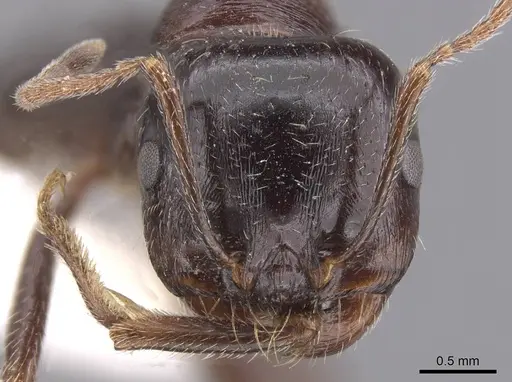
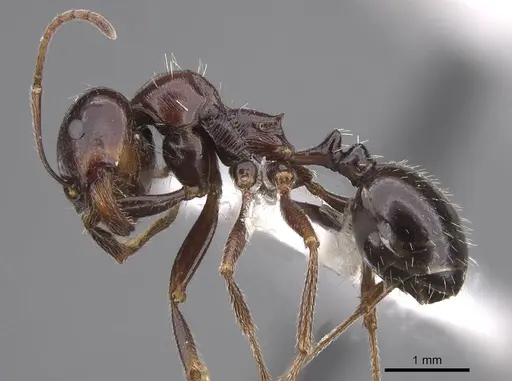
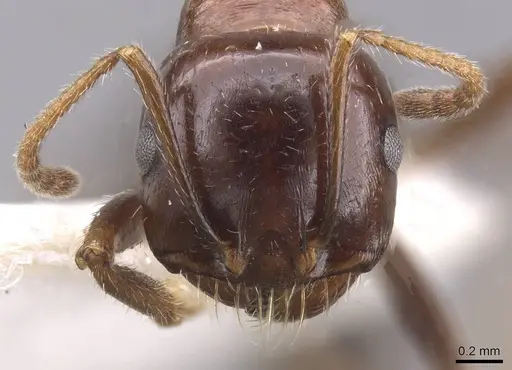
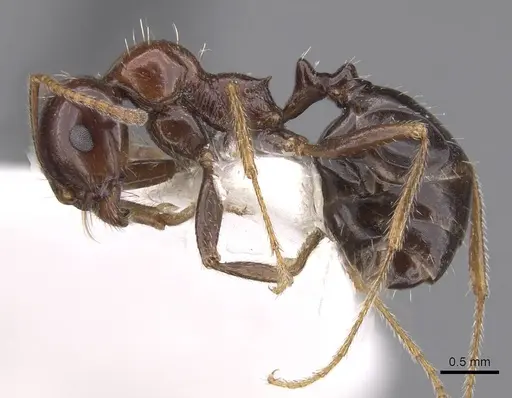
Messor erectus is a small to medium-sized harvester ant endemic to the High Atlas mountains of Morocco. Workers measure 4.0-8.5mm, with major workers having notably large heads for seed processing [1]. They have a distinctive appearance: a dark body with reddish shades on the pronotum and mesonotum, a well-haired gaster, and fine spines. When disturbed, they raise their gaster in a defensive display [1]. This species is one of several harvester ant species found in Morocco's mountainous regions, where they play important ecological roles in seed dispersal.
Quick Summary
- Difficulty: Easy
- Origin & Habitat: Endemic to Morocco, specifically the High Atlas mountains around Marrakech (Tizgui near Amezmiz) at 1400m elevation, with additional populations in the Middle Atlas and northern regions [2][1]. They inhabit rocky, semi-arid mountain slopes typical of the High Atlas region.
- Colony Type: Likely monogyne (single queen colonies) based on typical Messor genus patterns. Multiple regional populations exist across Morocco, suggesting some geographic variation in colony structure [2].
- Colony: Monogyne
- Founding: Claustral
- Size & Growth:
- Queen: Estimated 10-14mm based on related Messor species, not directly measured for this species
- Worker: 4.0-8.5mm (minor to major workers) [1]
- Colony: Estimated several hundred to a few thousand workers based on genus patterns
- Growth: Moderate, typical for harvester ants
- Development: Estimated 6-10 weeks based on typical Messor genus development at warm temperatures (Development time inferred from genus patterns, specific data for M. erectus unavailable)
- Antkeeping:
- Temperature: Keep at 22-28°C (room temperature to warm). As a Moroccan mountain species, they prefer warm but not extreme conditions. A slight temperature gradient allows workers to choose their preferred zone.
- Humidity: Low to moderate, they come from semi-arid mountain habitats. Keep nest substrate relatively dry, with a small water tube for drinking access. Avoid damp conditions that can cause mold.
- Diapause: Yes, as a species from the High Atlas with distinct seasons, they benefit from a winter rest period of 2-3 months at 10-15°C
- Nesting: Y-tong (AAC) nests or plaster nests work well. They prefer干燥 conditions and narrow chambers. Avoid overly humid setups.
- Behavior: Generally peaceful but defensive when threatened. Major workers (with large heads) specialize in seed processing, while minor workers handle brood care and foraging. They raise their gaster when disturbed as a warning display [1]. Foragers collect seeds and store them in the nest. Escape risk is moderate, use standard barrier precautions.
- Common Issues: mold from excessive humidity, keep nesting area relatively dry, colonies may decline if not given proper seed diet, winter mortality if not provided appropriate hibernation conditions, major workers can crack out of small test tubes if not given adequate space, slow founding phase, new keepers may lose patience
Housing and Nest Setup
Messor erectus does well in Y-tong (acrylic) nests or plaster formicariums. They prefer dry to moderately humid conditions, unlike many tropical ants. Provide a small water test tube as a drinking source, but the nest itself should remain relatively dry. Because major workers have large heads, ensure any test tube setups have adequate diameter to prevent them from getting stuck or cracking the tube. A foraging area with sand or soil allows them to practice their natural seed-harvesting behavior. Standard escape prevention with fluon on container edges works well for this species. [1]
Feeding and Diet
As harvester ants, Messor erectus primarily eats seeds. Provide a variety of seeds including grass seeds, millet, and bird seed mixes. Major workers use their large heads to crack and process seeds for the colony. They also accept small insects as protein, though seeds should form the bulk of their diet. Offer a small dish of seeds constantly, and supplement with occasional protein (small crickets, mealworms) once or twice weekly. Remove uneaten seeds periodically to prevent mold. A constant sugar water or honey water source is also appreciated.
Temperature and Seasonal Care
Keep your colony at 22-28°C. They come from the Moroccan High Atlas where temperatures are warm during summer months but cool significantly in winter. During the active season (spring through fall), room temperature or slightly warmer works well. Provide a heating cable on one side of the nest if your room stays cool. In winter, reduce temperature to 10-15°C for 2-3 months to simulate their natural seasonal cycle. This winter rest period supports colony health and may trigger reproductive behavior in spring. [2][1]
Colony Development
Founding queens seal themselves in a claustral chamber and raise the first workers (nanitics) entirely on stored body reserves. This founding phase takes 4-8 weeks depending on temperature. The first workers are typically smaller minor workers. Over the following months, the colony grows as more workers hatch. Major workers (with enlarged heads) appear as the colony reaches several dozen workers. These majors specialize in seed processing. Full maturity, with large numbers of workers and reproductive castes, may take 1-2 years. Be patient during the founding phase, harvester ant colonies grow more slowly than many tropical species.
Behavior and Defense
Messor erectus is generally calm but will defend the nest if threatened. When disturbed, workers raise their gaster as a warning display, this is a characteristic behavior of the species [1]. They do not have a painful sting, though some individuals may bite. Foragers search for seeds in the foraging area and store them in the nest. Major workers can be quite large and may appear intimidating, but they are not aggressive toward keepers. Standard gentle handling is well-tolerated.
Frequently Asked Questions
How long does it take for Messor erectus to get first workers?
Expect first workers (nanitics) in 4-8 weeks after the queen lays eggs, depending on temperature. Warmer temperatures (25-28°C) speed development, while cooler temperatures slow it down.
What do Messor erectus ants eat?
They are harvester ants, their primary food is seeds (grass seeds, millet, bird seed mixes). They also accept small insects for protein and sugar water or honey for carbohydrates.
Do Messor erectus ants sting?
They are not considered dangerous to humans. While they may bite if handled roughly, they lack a painful sting. Their main defense is raising the gaster to appear threatening.
Can I keep multiple Messor erectus queens together?
Not recommended. Messor species are typically monogyne (single queen colonies). Combining unrelated queens typically results in fighting and colony loss.
Do Messor erectus need hibernation?
Yes, they benefit from a winter rest period. Reduce temperature to 10-15°C for 2-3 months during winter. This mimics their natural seasonal cycle in the High Atlas mountains.
Is Messor erectus good for beginners?
Yes, this is a good species for beginners. They are hardy, tolerate some variation in care, and are not aggressive. Their seed-based diet is easy to provide.
How big do Messor erectus colonies get?
Mature colonies likely reach several hundred to a couple thousand workers, based on typical Messor genus patterns. Full maturity takes 1-2 years.
What temperature do Messor erectus need?
Keep them at 22-28°C during the active season. Room temperature is often suitable. A slight gradient allows workers to regulate their own temperature.
When should I move Messor erectus to a formicarium?
Wait until the colony has 30-50 workers before moving from a test tube setup. They do well in Y-tong nests or plaster formicariums that provide dry conditions.
Why are my Messor erectus dying?
Common causes include: excessive humidity causing mold, temperatures too cold for development, poor seed quality, or stress during the founding phase. Review humidity levels and ensure warm temperatures during growth periods.
References

This caresheet is licensed under CC BY-SA 4.0 .
CASENT0915453
View on AntWeb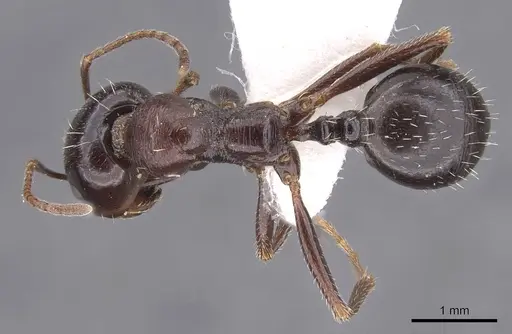
CASENT0915454
View on AntWeb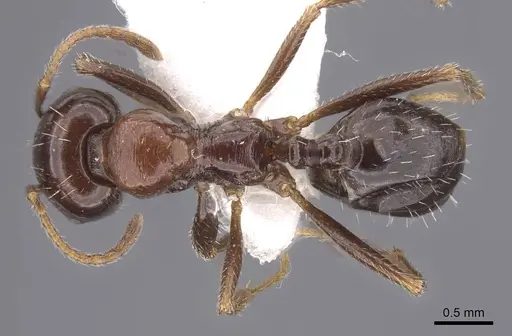
Literature
Loading...Loading products...