

Messor ebeninus
- Scientific Name
- Messor ebeninus
- Tribe
- Stenammini
- Subfamily
- Myrmicinae
- Author
- Santschi, 1927
- Distribution
- Found in 7 countries
Messor ebeninus Overview
Messor ebeninus is an ant species of the genus Messor. It is primarily documented in 7 countries , including United Arab Emirates, Israel, Iran. Detailed taxonomic data and occurrence records can be further explored via authoritative databases such as AntWeb or the Global Biodiversity Information Facility (GBIF).
Messor ebeninus
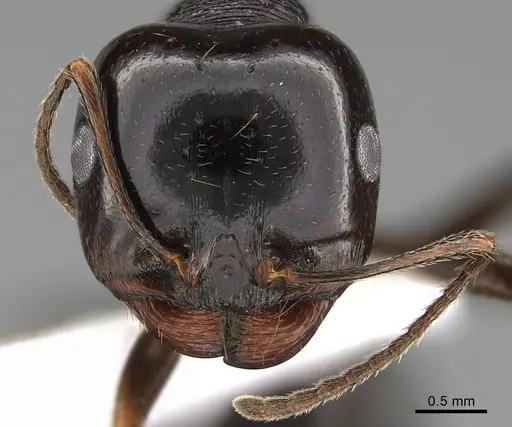
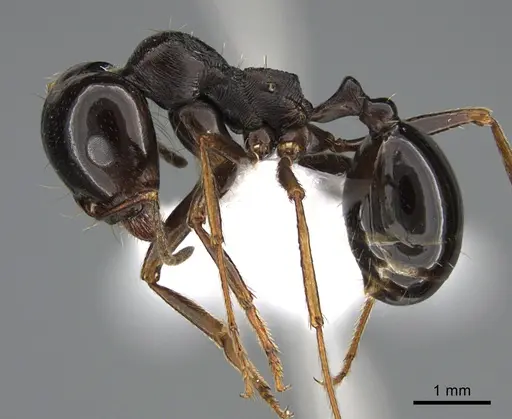
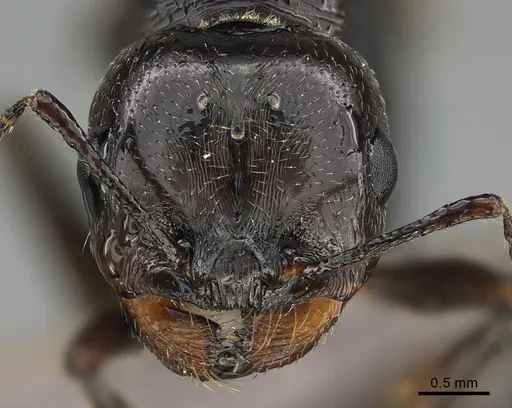
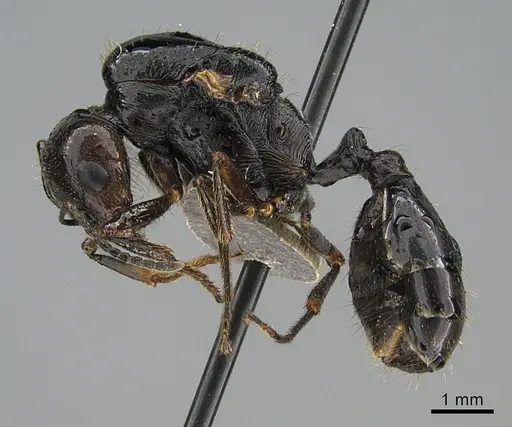
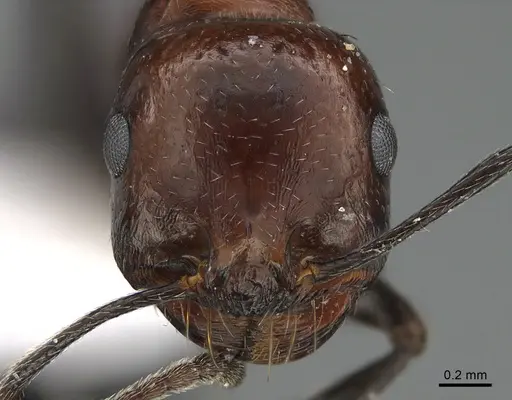
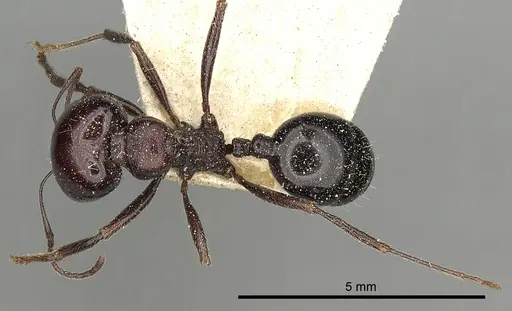
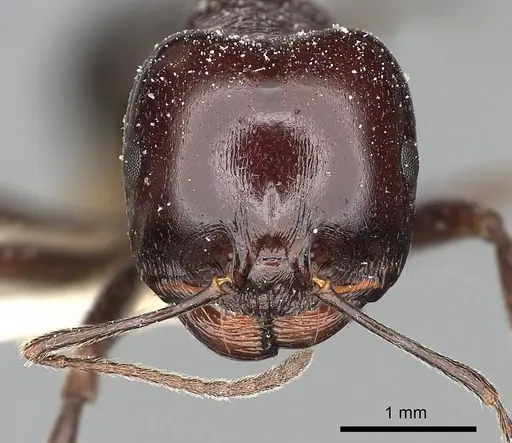
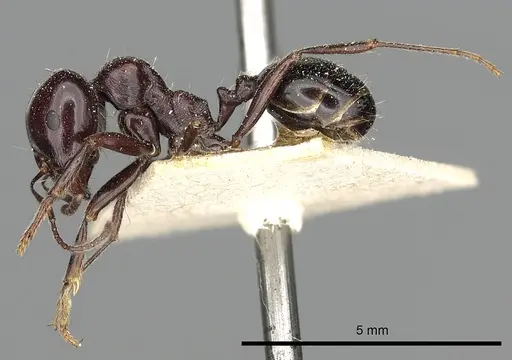
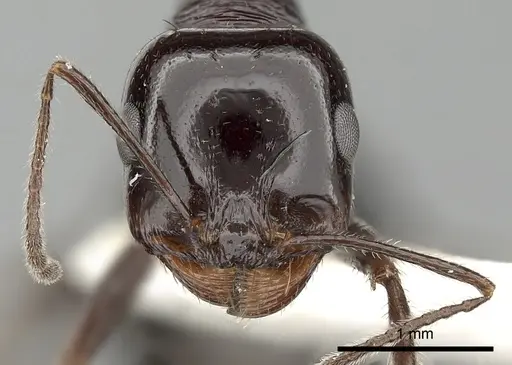
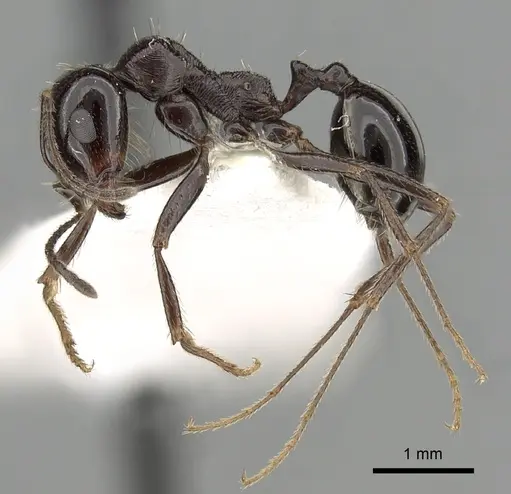
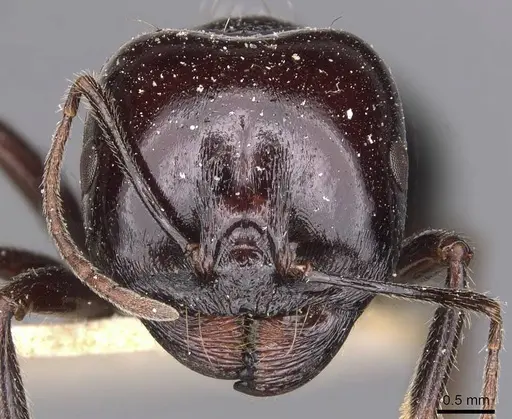
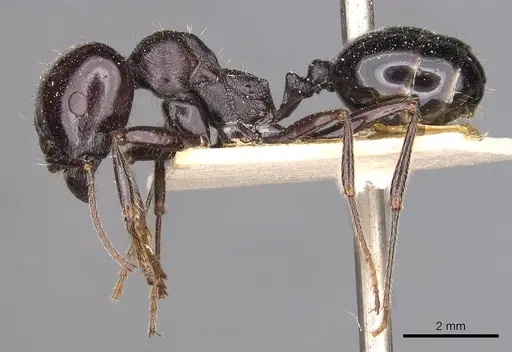
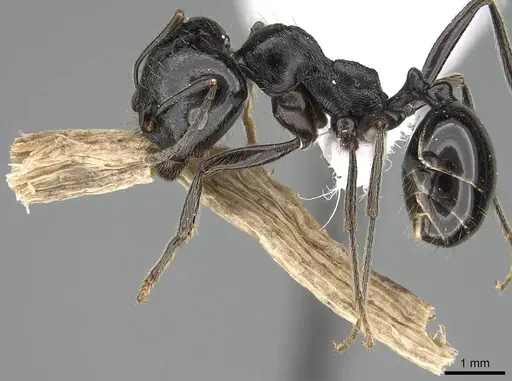
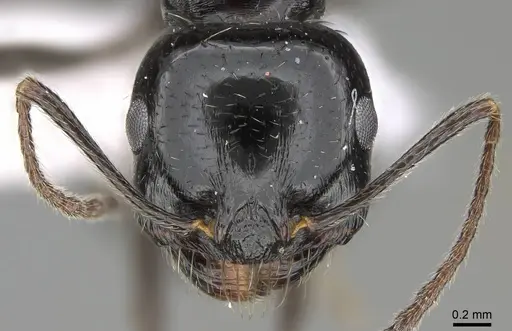
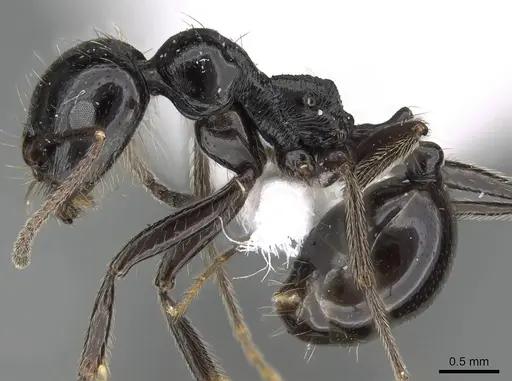
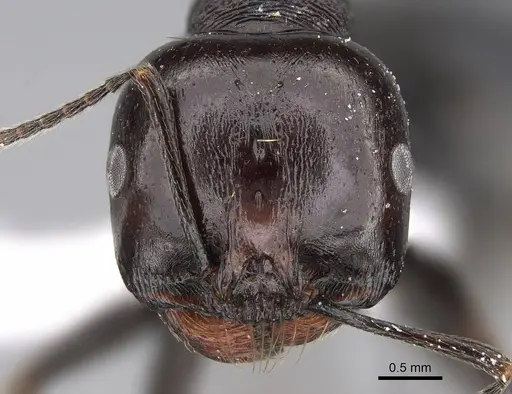
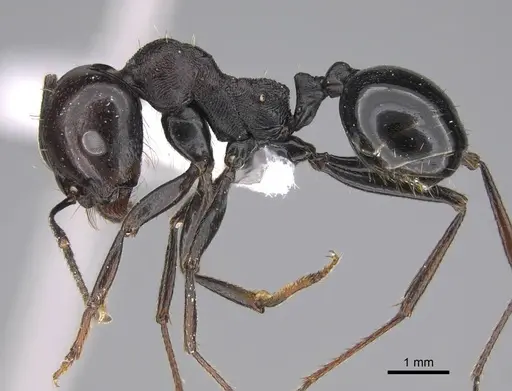
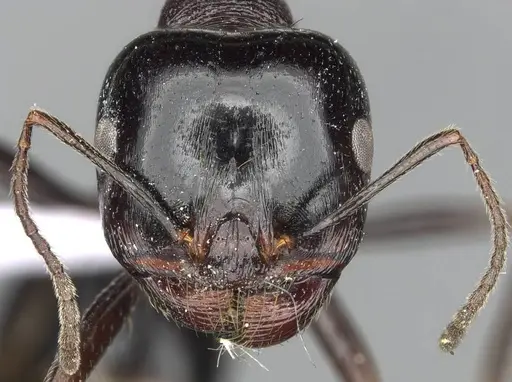
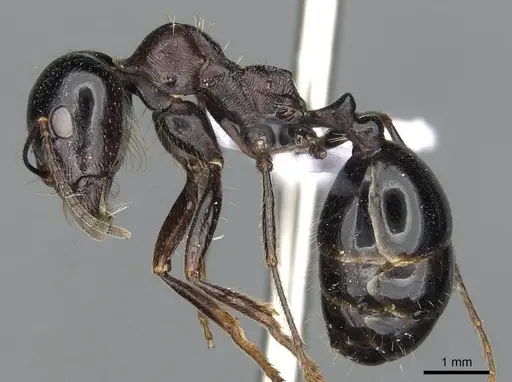
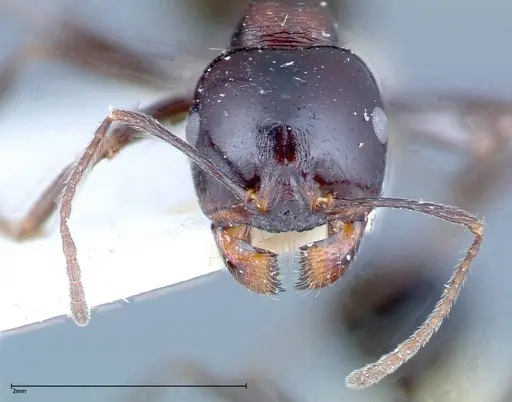
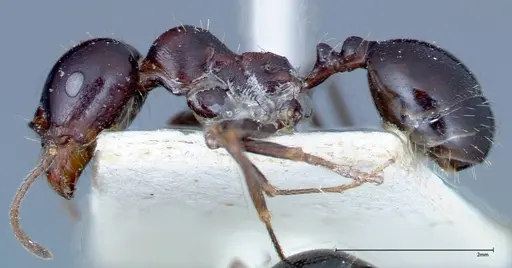
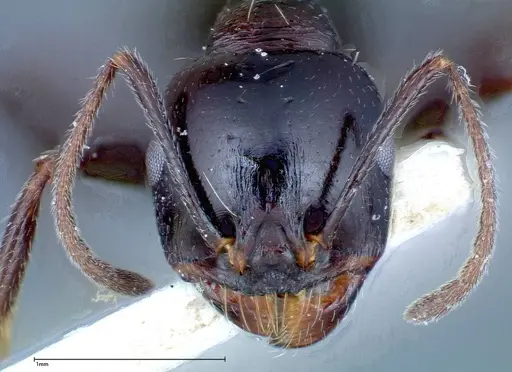
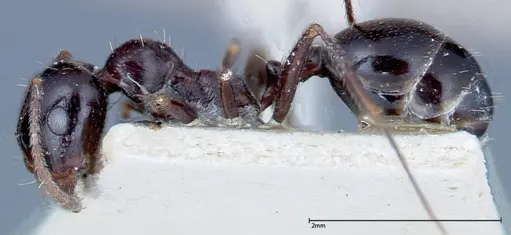
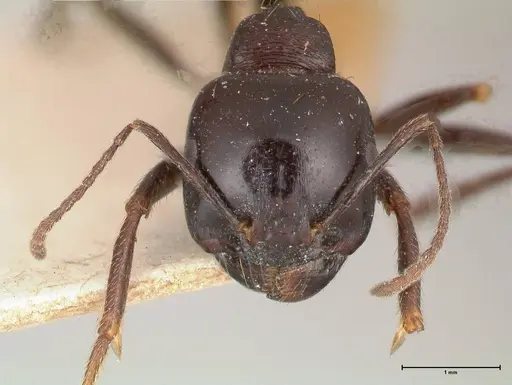
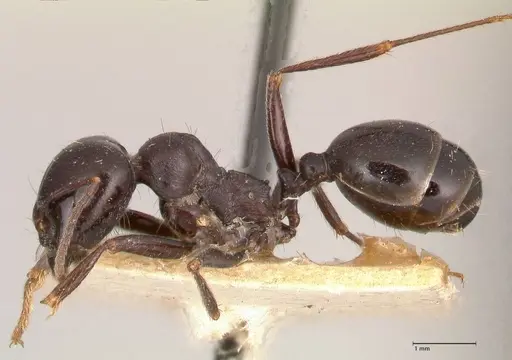
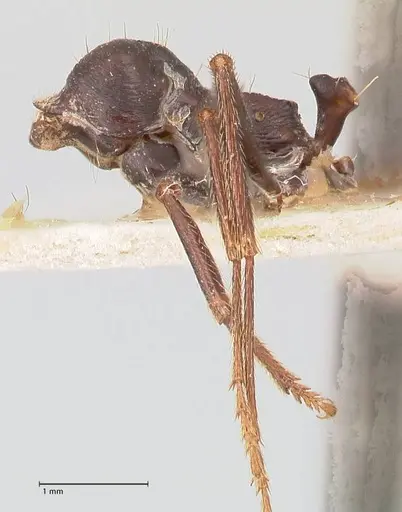
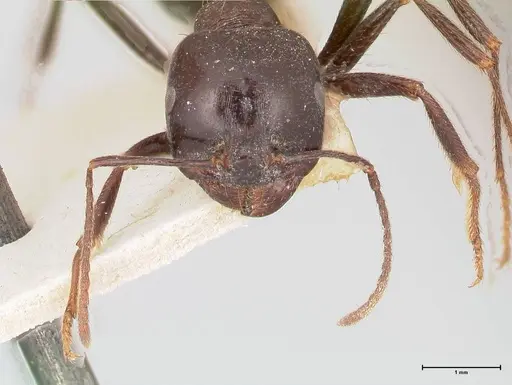
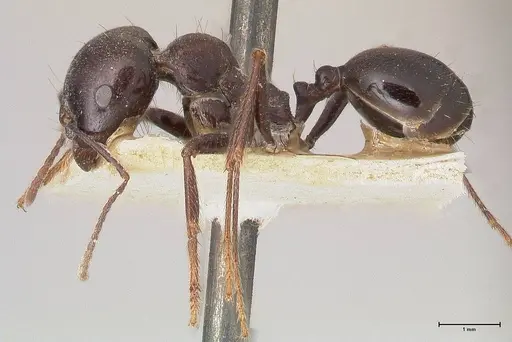
Messor ebeninus is a medium-sized harvester ant native to the Middle East, ranging from Egypt and Iran through the Arabian Peninsula to Turkey. Workers are uniformly black with head widths of 2.0-2.5mm, and show only weak size polymorphism compared to other Messor species. This species forms single-queen colonies and is known for its distinctive nocturnal foraging behavior, with workers moving in dense columns along established trunk trails to collect seeds. Colonies are common across both Mediterranean and desert regions of their range, often nesting under stones in dry to moderately moist ground.
Quick Summary
- Difficulty: Easy
- Origin & Habitat: Middle East species native to Egypt, Iran, Iraq, Israel, Kuwait, Lebanon, Oman, Saudi Arabia, Turkey, and UAE. Found in diverse habitats from Mediterranean coastal plains to desert areas, nesting under stones and foraging on ground [1][2].
- Colony Type: Single-queen colonies (monogyne). Workers do not reproduce in queenright colonies, only trophic eggs are produced [3]. Multiple mating observed (up to 3 times per queen) [4].
- Colony: Monogyne
- Founding: Claustral
- Size & Growth:
- Queen: Estimated 10-12mm based on genus Messor patterns
- Worker: 2.0-2.5mm head width [2]
- Colony: Estimated several thousand workers based on typical Messor colony sizes
- Growth: Moderate, typical for harvester ants
- Development: Estimated 6-10 weeks at optimal temperature based on genus patterns (Development time inferred from related Messor species, direct measurements not available for this species)
- Antkeeping:
- Temperature: Keep at 22-26°C. This is a desert-adapted species that forages mainly at night and can tolerate warm conditions. Smaller workers are less robust to extreme heat than larger workers within the species [5].
- Humidity: Keep relatively dry, these are desert ants that prefer arid to semi-arid conditions. Provide a dry outworld and a moist but not wet nest area.
- Diapause: Yes, a winter rest period is recommended. Based on their Middle Eastern distribution and activity patterns showing peaks in April and December with reduced activity July-October, colonies benefit from a cool period around 10-15°C for 2-3 months [6].
- Nesting: Will nest in standard formicariums, acrylic nests, or Y-tong setups. In nature they nest under stones in the ground. Provide a digging medium and ensure the nest area remains dry.
- Behavior: Generally peaceful and not aggressive toward keepers. Workers forage primarily at night in dense columns along trunk trails, collecting seeds. They show size-matching behavior where workers select seeds proportional to their own body size [5]. Colonies can be active year-round but reduce activity during hot summer months and winter. Escape risk is moderate, standard barrier methods work well.
- Common Issues: colonies may become inactive during summer heat or winter cool periods, this is normal, not a problem, overfeeding can lead to mold in the nest, remove uneaten food promptly, desert species prone to fungal issues if humidity is too high, nocturnal foraging means you may not see activity during daytime hours
Housing and Nest Setup
Messor ebeninus adapts well to various captive setups. Standard test tube arrangements work for founding colonies, while larger colonies do well in acrylic formicariums, Y-tong nests, or naturalistic setups with a digging chamber. In nature they nest under stones in the ground, so provide a substrate deep enough for tunneling. The nest area should stay relatively dry, these desert ants are prone to fungal problems if conditions become too damp. The outworld can be kept dry with just a water tube for drinking. Use standard escape prevention like fluon on the rim of the formicarium. [2]
Feeding and Diet
As a harvester ant, Messor ebeninus primarily collects and stores seeds. In captivity, offer a variety of seeds, millet, sunflower seeds, chia, and grass seeds work well. They also readily accept protein sources like small insects (fruit flies, pinhead crickets, mealworms) and will scavenge dead insects. Sugar water or honey can be offered occasionally but seeds should form the bulk of their diet. Remove uneaten seeds periodically to prevent mold. Unlike some ants, they don't require constant sugar access, their seed stores provide sustained energy. [5]
Temperature and Seasonal Care
Keep your colony at 22-26°C for optimal activity and brood development. This species is well-adapted to desert conditions and tolerates warmth well, but smaller workers are more vulnerable to extreme heat than larger ones. During summer months in their native range, activity decreases and they shift to nocturnal foraging, you may notice similar patterns in captivity. A winter rest period is recommended: reduce temperature to 10-15°C for 2-3 months during winter. This mimics their natural cycle and helps maintain colony health. Do not feed during hibernation. [5][6]
Foraging Behavior
One of the most interesting aspects of Messor ebeninus is their foraging strategy. Workers forage in dense columns along established trunk trails, traveling significant distances from the nest to collect seeds. They exhibit size-matching behavior where individual workers select seeds proportional to their own body size, smaller workers carry smaller seeds while larger workers handle bigger items. Foraging is primarily nocturnal, especially during hot summer months, though they may also forage during spring and fall. In captivity, you can observe this behavior by providing seeds in the outworld and watching workers organize into foraging lines. [5]
Colony Development
A newly mated queen will seal herself in a claustral chamber and raise her first brood using stored fat reserves. The founding process typically takes 6-10 weeks depending on temperature. First workers (nanitics) are smaller than mature workers but will begin foraging to support colony growth. This species shows only weak worker polymorphism, size variation between workers is minimal compared to other Messor species like M. arenarius. Colonies grow moderately and can reach several thousand workers over several years. Unlike some ants, workers do not reproduce in the presence of a healthy queen. [3][4]
Frequently Asked Questions
How long does it take for Messor ebeninus to produce first workers?
Expect first workers (nanitics) in about 6-10 weeks after the queen lays eggs, assuming temperatures around 24°C. This is typical for Messor species. The queen seals herself in and raises the first brood alone using stored fat reserves.
Do Messor ebeninus ants sting?
Messor ebeninus has a stinger but is not considered aggressive toward humans. They are peaceful harvester ants focused on seed collection. While they can sting, they rarely do so and the sting is mild.
What do Messor ebeninus eat?
They are seed-harvesters, offer a mix of seeds like millet, sunflower seeds, and grass seeds. They also accept small insects like fruit flies, pinhead crickets, and mealworms. Sugar water or honey can be offered occasionally.
Can I keep multiple Messor ebeninus queens together?
No, this is a monogyne (single-queen) species. Multiple unrelated queens will fight. Only keep one queen per colony.
Do Messor ebeninus need hibernation?
Yes, a winter rest period is recommended. Reduce temperatures to 10-15°C for 2-3 months during winter. This mimics their natural cycle in the Middle East where they reduce activity during cooler months.
Why are my Messor ebeninus only active at night?
This is normal behavior, Messor ebeninus is primarily nocturnal, especially during hot summer months. In the wild they shift to night foraging to avoid daytime heat. Your colony may show little activity during the day but become active in the evening.
How big do Messor ebeninus colonies get?
Colonies can reach several thousand workers over several years. They grow moderately, not as fast as some tropical species but steadily. Expect 2-3 years to reach several hundred workers.
What size formicarium do I need for Messor ebeninus?
Start with a test tube setup for founding colonies. As the colony grows to 100+ workers, upgrade to a small acrylic nest or Y-tong. For mature colonies of several thousand workers, a larger formicarium with multiple chambers is ideal.
Are Messor ebeninus good for beginners?
Yes, they are considered easy to keep. They are resilient, don't require precise humidity control, and are not aggressive. Their main requirements are warm temperatures, dry conditions, and a seed-based diet.
Why do my ants ignore the seeds I offer?
Make sure seeds are small enough for workers to carry. This species shows size-matching behavior, they prefer seeds proportional to their body size. Try offering smaller seeds like millet or broken sunflower pieces.
References

This caresheet is licensed under CC BY-SA 4.0 .
ANTWEB1041905
View on AntWeb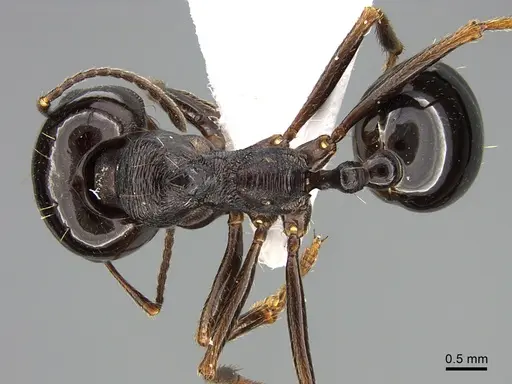
ANTWEB1041906
View on AntWeb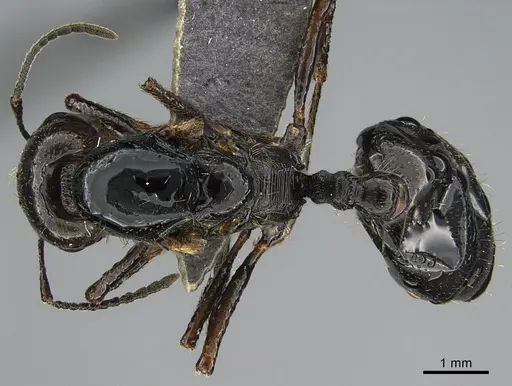
ANTWEB1041911
View on AntWeb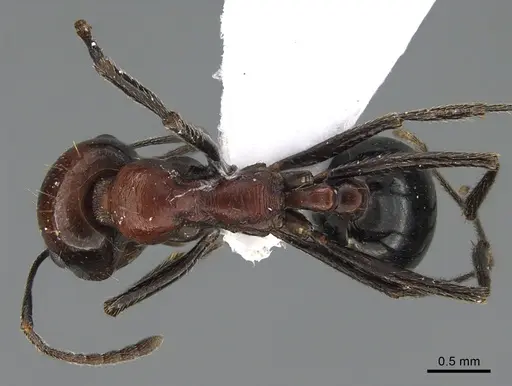
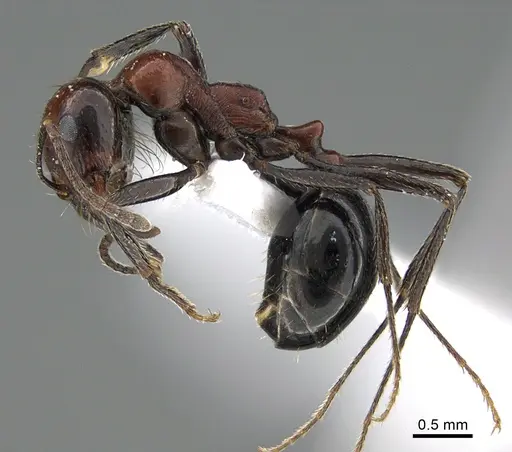
CASENT0249822
View on AntWeb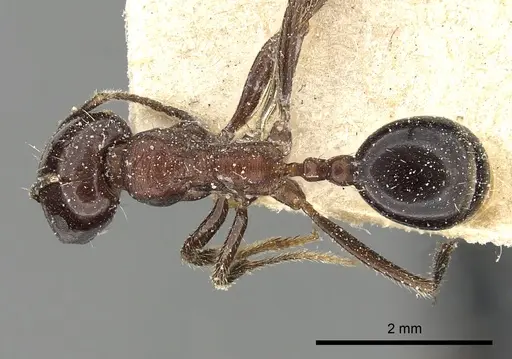
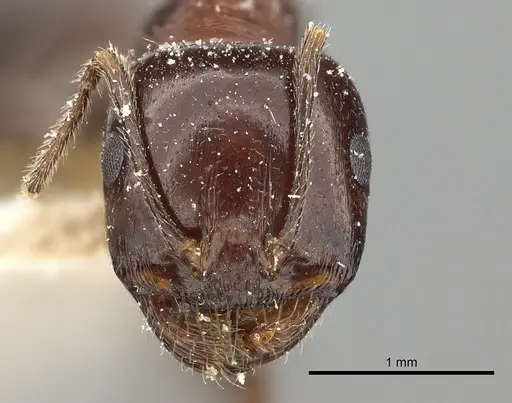
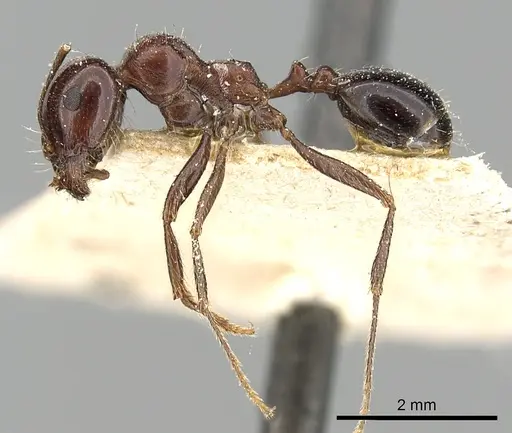
CASENT0249823
View on AntWeb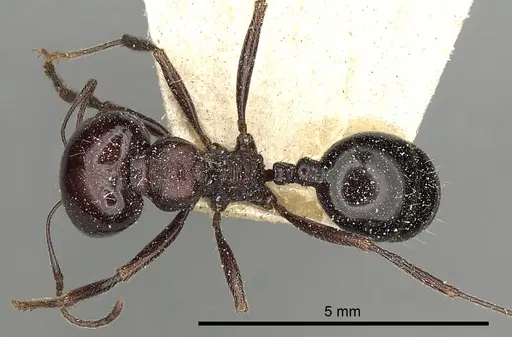
CASENT0249861
View on AntWeb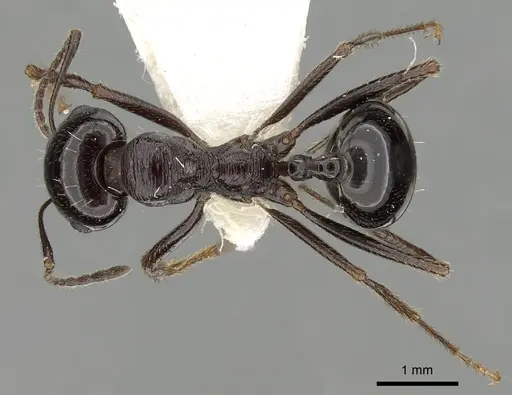
CASENT0263749
View on AntWeb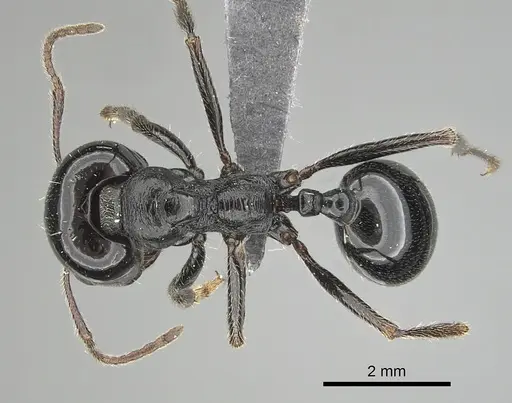
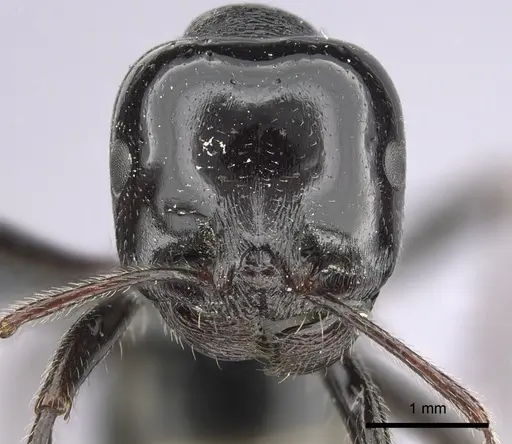
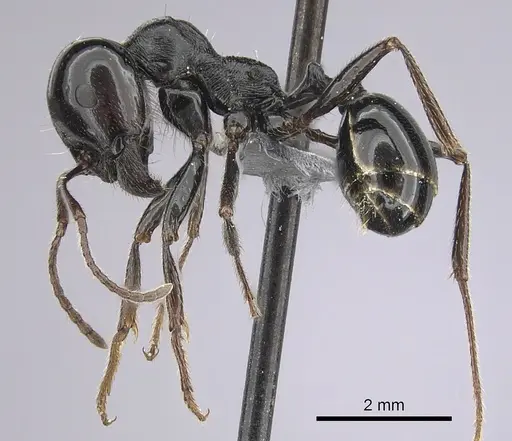
CASENT0264156
View on AntWeb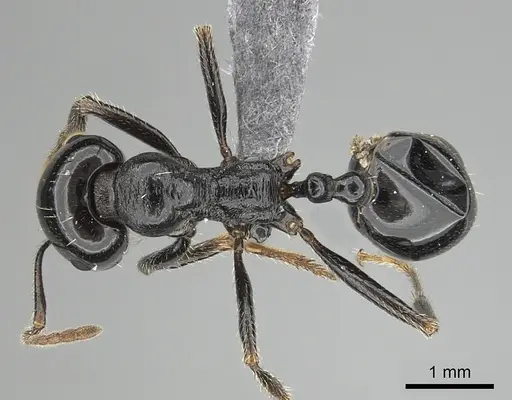
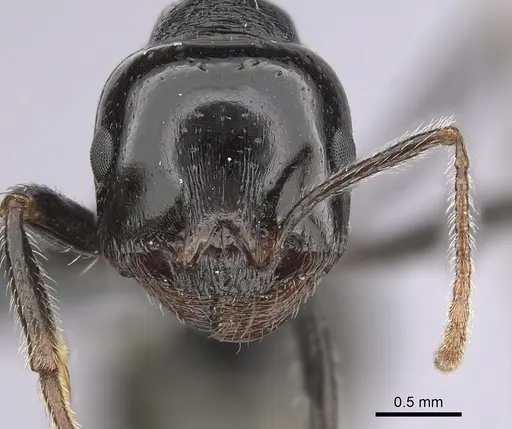
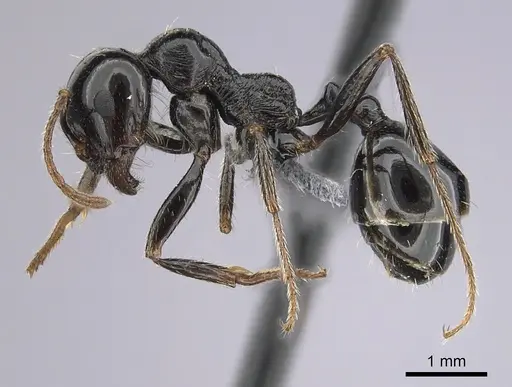
CASENT0264196
View on AntWeb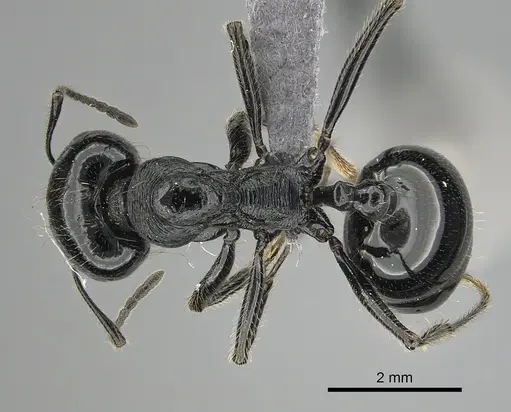
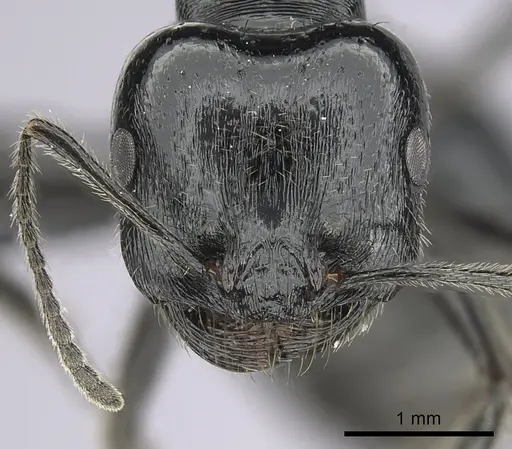
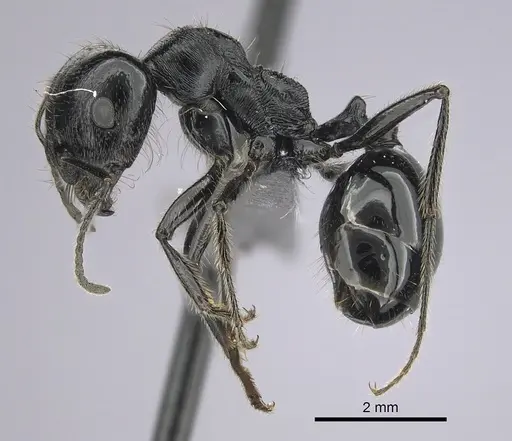
CASENT0763859
View on AntWeb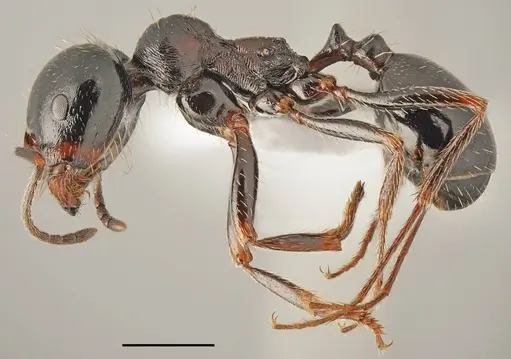
CASENT0901472
View on AntWeb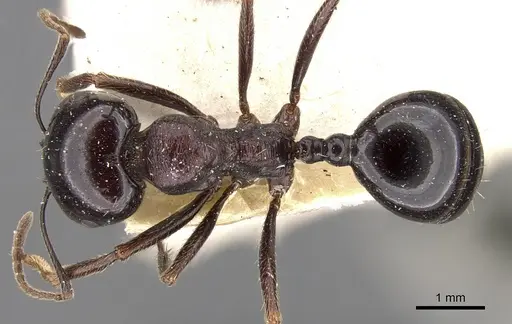
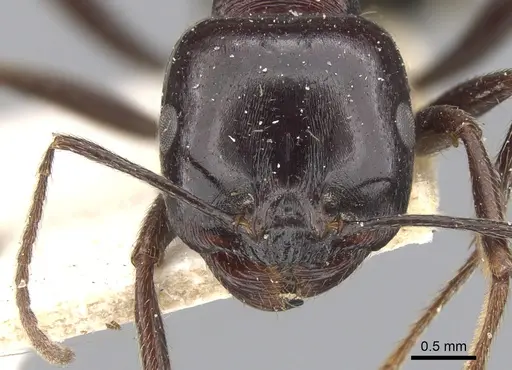
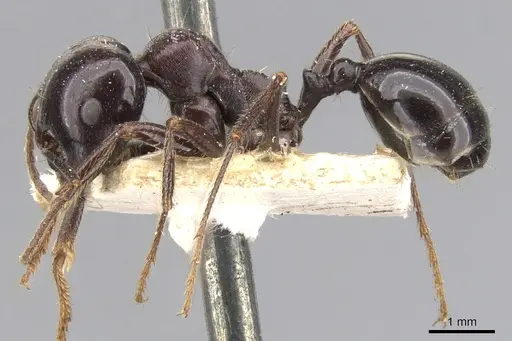
CASENT0907734
View on AntWeb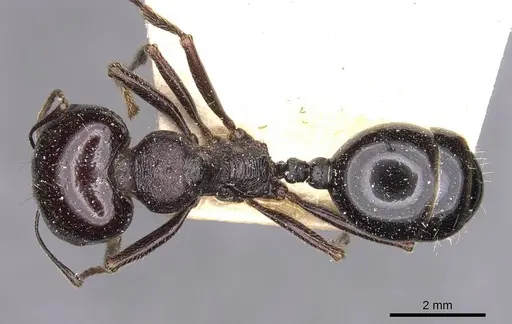
CASENT0907735
View on AntWeb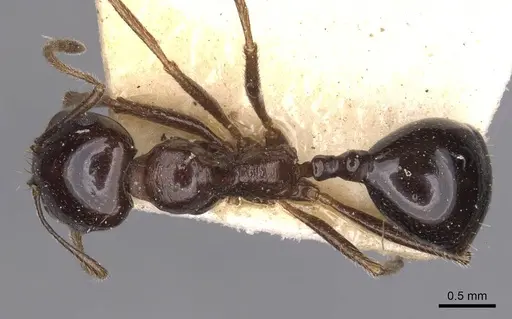
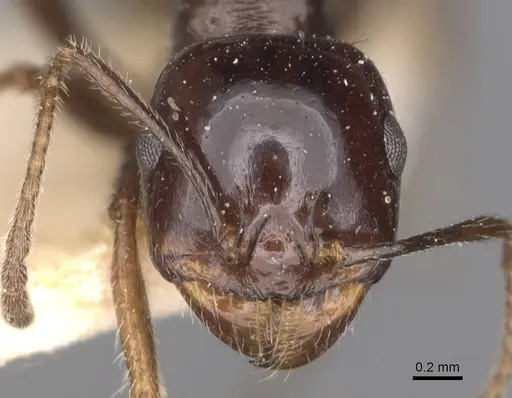
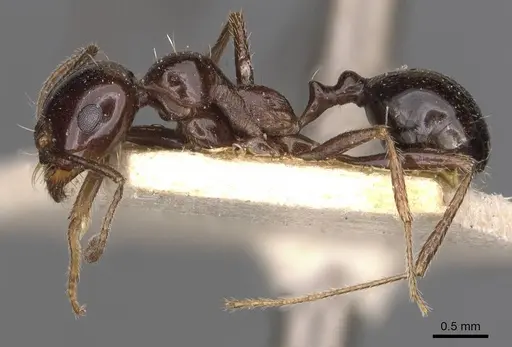
CASENT0919813
View on AntWeb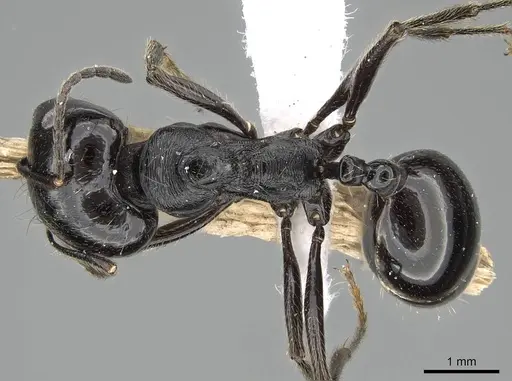
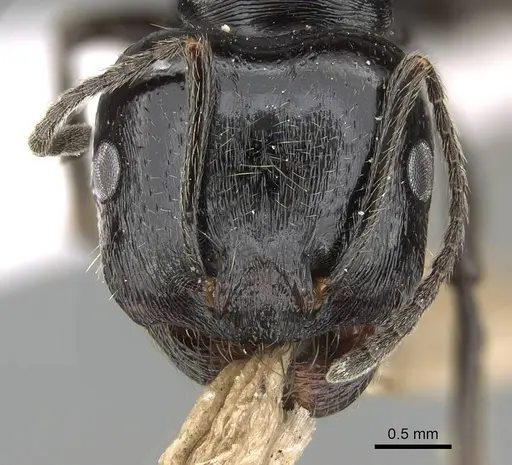
CASENT0919814
View on AntWeb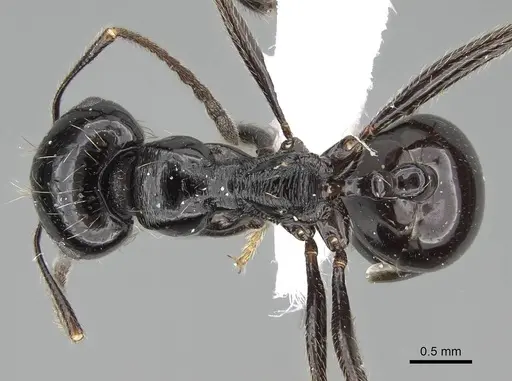
CASENT0922882
View on AntWeb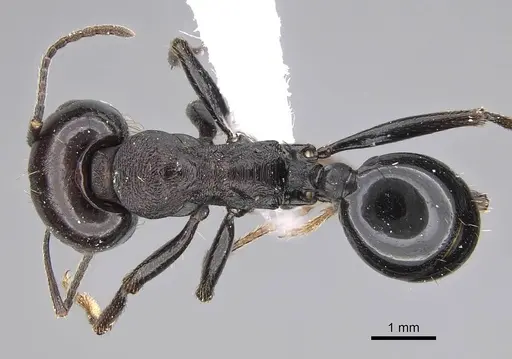
CDA000109
View on AntWeb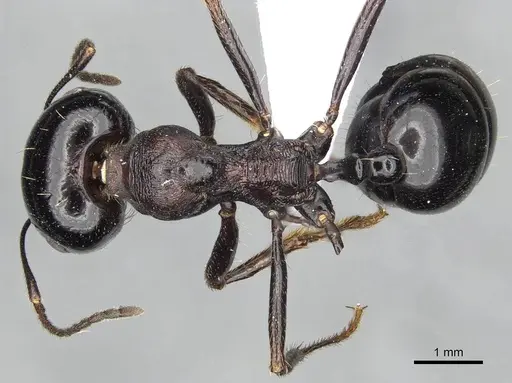
FOCOL0209-1
View on AntWeb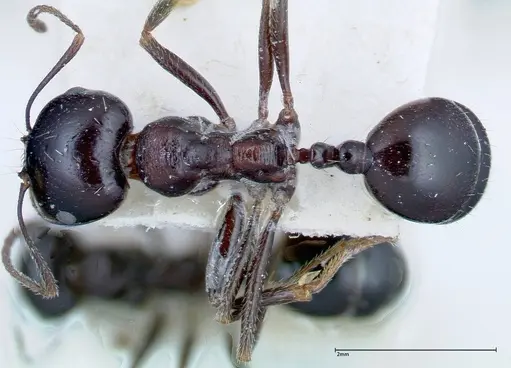
FOCOL0209-2
View on AntWeb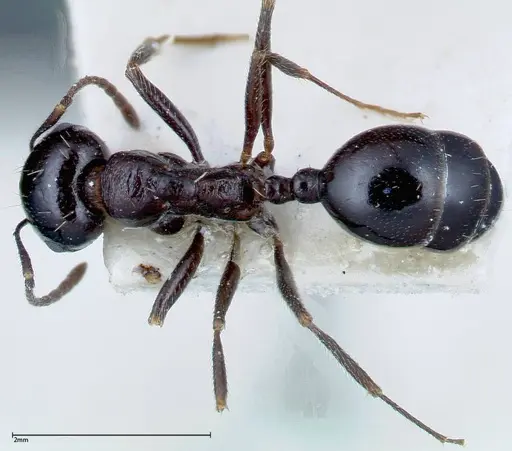
FOCOL0690
View on AntWeb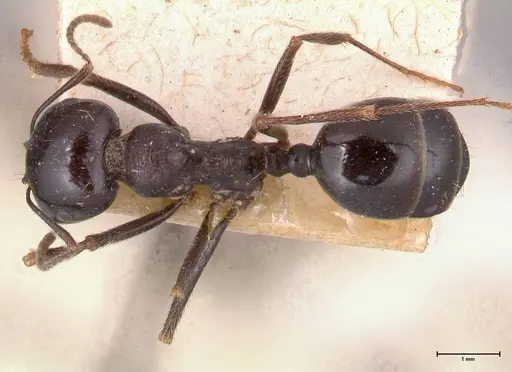
FOCOL0764-1
View on AntWeb
FOCOL0764-2
View on AntWeb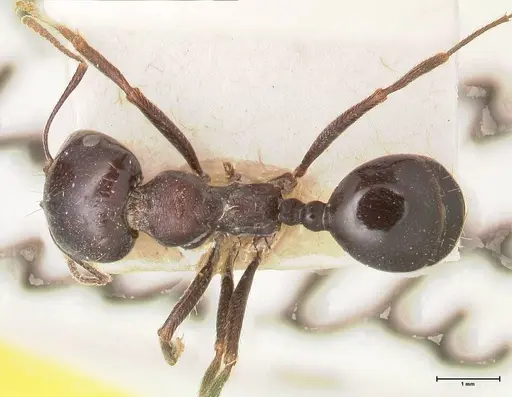
Literature
Loading...Loading products...