

Messor creticus
- Scientific Name
- Messor creticus
- Tribe
- Stenammini
- Subfamily
- Myrmicinae
- Author
- Salata & Borowiec, 2019
- Distribution
- Found in 1 countries
Messor creticus Overview
Messor creticus is an ant species of the genus Messor. It is primarily documented in 1 countries , including Greece. Detailed taxonomic data and occurrence records can be further explored via authoritative databases such as AntWeb or the Global Biodiversity Information Facility (GBIF).
Messor creticus
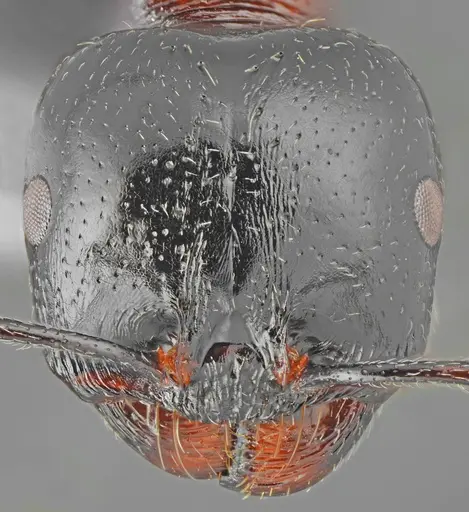
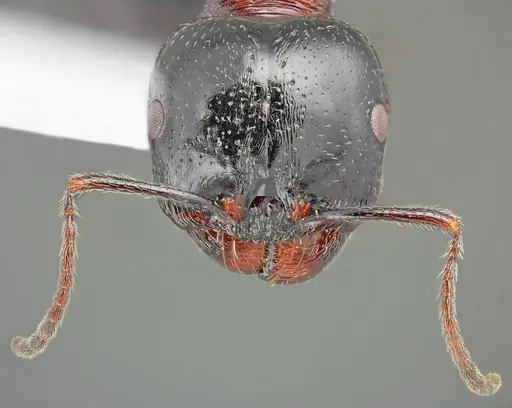
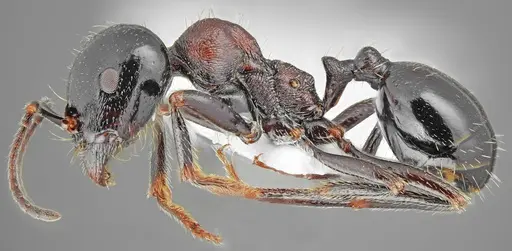
Messor creticus is a medium-sized seed-harvester ant endemic to the island of Crete, Greece. Workers measure approximately 1.7-2.5mm in head width and feature a distinctive appearance with a mostly smooth and shiny head surface, brick-reddish mesosoma (middle body section), and black head and gaster. The workers have more than 10 thick, erect setae on their promesonotal dorsum and sparse erect setae on the first gastral segment, helping distinguish them from similar Mediterranean Messor species [1].
This is an alpine species found only at elevations above 1000 meters, making it one of the more temperature-sensitive Messor species. Workers are primarily nocturnal, becoming most active at nightfall to collect seeds from the ground and herbaceous plants. Colonies are monogynous, meaning they contain a single queen [1][2].
Quick Summary
- Difficulty: Medium
- Origin & Habitat: Crete, Greece, endemic species found only in highland areas above 1000m elevation. In nature, they nest in soil in humid, open areas such as pastures and fields, often under stones [1][2].
- Colony Type: Monogynous, single queen colonies
- Colony: Monogyne
- Founding: Claustral
- Size & Growth:
- Queen: Not directly measured in available literature, estimated based on genus patterns at 6-8mm
- Worker: 1.7-2.5mm head width (HL 1.658-2.289mm, HW 1.789-2.461mm) [1]
- Colony: Not directly documented, related Messor species typically reach several thousand workers
- Growth: Moderate, seed-harvester ants typically grow more slowly than predatory species
- Development: Estimated 8-12 weeks based on genus patterns for temperate Messor species (Development time depends on temperature, cooler highland conditions may extend this timeline)
- Antkeeping:
- Temperature: Keep at 18-24°C, being an alpine species from high Crete, they prefer cooler conditions than most Mediterranean ants. Room temperature (around 20°C) is ideal. Avoid overheating [1]
- Humidity: Moderate humidity, they naturally nest in humid soil in pastures and fields. Keep substrate moist but not waterlogged, with some drier areas available
- Diapause: Yes, as an alpine species from Crete, they likely require a winter rest period. Reduce temperature to 10-15°C for 2-3 months during winter
- Nesting: Soil-nesting species, will do well in naturalistic setups with soil substrate or Y-tong/plaster nests with moist substrate. Provide space for seed storage
- Behavior: Generally peaceful seed-harvester ants. Workers are primarily nocturnal and may hide during bright light exposure. They are not aggressive defenders but will defend their nest if threatened. Escape risk is moderate, standard barrier methods work well for their size. They collect and store seeds as their primary food source [1]
- Common Issues: alpine temperature requirements mean they cannot tolerate warm conditions, keep cool, nocturnal activity means they may appear less active during daylight hours, this is normal, seed-harvester growth is slower than predatory ant species, patience required, high elevation origin means they likely need winter cooling/diapause to thrive long-term, wild-caught colonies may be stressed from collection at high altitudes
Nest Preferences and Housing
Messor creticus is a soil-nesting species that naturally excavates chambers in moist soil. In captivity, they do well in naturalistic setups with a soil substrate layer or in Y-tong/plaster nests designed for soil-nesting ants. The key requirement is maintaining consistently moist substrate, these ants naturally nest in humid pastures and fields in the wild. Provide a nest area with damp soil that stays moist but never becomes waterlogged. Outworld space should allow workers to forage and store collected seeds. A naturalistic setup with a soil-filled section works best, as it mimics their natural underground chambers [1][2].
Feeding and Diet
As a seed-harvester (Messor genus), these ants primarily collect and process seeds. In captivity, offer a variety of seeds, grass seeds, millet, sunflower seeds (cracked), and other small seeds are readily accepted. They also supplement their diet with protein sources. Offer small insects like fruit flies, small mealworms, or cricket pieces occasionally. Unlike purely predatory ants, they rely heavily on seeds as their staple food. Provide a constant supply of small seeds in the outworld, and remove any that become moldy. Fresh water should always be available [1].
Temperature and Seasonal Care
This is the most critical aspect of keeping Messor creticus successfully. As an alpine species found only above 1000m elevation in Crete, they prefer cooler temperatures than most ant species. Keep the nest area at 18-24°C, with room temperature around 20°C being ideal. They will not tolerate warm conditions, avoid placing the colony near heat sources or in heated rooms. During winter, they require a cooling period to simulate their natural high-altitude seasonal cycle. Reduce temperatures to 10-15°C for 2-3 months in winter, mimicking the cold period they would experience in their mountain habitat. This winter rest is likely essential for long-term colony health and reproduction [1].
Behavior and Activity Patterns
Messor creticus workers are primarily nocturnal, becoming most active at nightfall to collect seeds from the ground and herbaceous plants. This means you may observe more activity in the evening and early morning hours, while the colony appears quieter during bright daylight. This is completely normal behavior and not a sign of problems. The workers are not particularly aggressive and will focus on their foraging activities rather than defending the nest aggressively. They are moderate escape artists, standard barrier methods like fluon on test tube rims or formicarium edges work well. Their seed-harvesting behavior is fascinating to watch as they transport seeds back to the nest for storage and processing [1].
Colony Founding
Messor creticus follows the typical Messor claustral founding pattern. A newly mated queen will seal herself into a small underground chamber and remain there, living entirely on her stored fat reserves while she lays eggs and raises the first generation of workers (nanitics). She does not leave to forage during this period. The first workers that emerge are typically smaller (nanitics) and will begin foraging for seeds to feed the growing colony. This founding process takes several months, be patient and do not disturb the queen during this critical period. Provide a moist soil chamber and keep the setup in a cool, dark location away from vibrations [1].
Frequently Asked Questions
How long does it take for Messor creticus to have first workers?
Expect first workers (nanitics) to emerge in approximately 8-12 weeks after the queen lays eggs, depending on temperature. Being an alpine species that prefers cooler conditions, temperatures at the higher end of their range (around 22-24°C) will speed development, while cooler temperatures will slow it down. Seed-harvester ants typically grow more slowly than predatory species, so patience is required [1].
What temperature do Messor creticus ants need?
Keep them at 18-24°C, with around 20°C being ideal. This is cooler than most ant species because they are an alpine species from Crete's high mountains. Never place them near heat sources or in warm rooms, they cannot tolerate heat. Room temperature is perfect for this species [1].
Do Messor creticus ants need hibernation?
Yes, they likely require a winter rest period. As an alpine species from high elevations in Crete, they experience seasonal temperature drops. Reduce temperatures to 10-15°C for 2-3 months during winter to allow the colony to rest and potentially trigger reproductive cycles [1].
What do Messor creticus ants eat?
They are seed-harvesters, so seeds should be their primary food. Offer various small seeds like grass seeds, millet, and cracked sunflower seeds. They also accept protein sources like small insects (fruit flies, small mealworms). Provide a constant seed supply and occasional protein meals [1].
Are Messor creticus good for beginners?
They are intermediate difficulty. The main challenges are their need for cooler temperatures (which limits placement options) and their requirement for a winter rest period. Their seed-based diet is easy to manage, but the temperature sensitivity makes them slightly more challenging than room-temperature species [1].
Can I keep multiple Messor creticus queens together?
No. This species is monogynous, meaning colonies have a single queen. Multiple unrelated queens will fight. Only one queen per colony [1].
How big do Messor creticus colonies get?
Colony size is not directly documented, but related Messor species typically reach several thousand workers. Growth is moderate, seed-harvester colonies grow more slowly than predatory species but can become quite large over several years [1].
Why are my Messor creticus ants not active during the day?
This is normal behavior, they are primarily nocturnal, becoming most active at nightfall. You will see more activity in the evening and early morning hours. This is not a problem but rather their natural activity pattern [1].
What size nest do Messor creticus need?
They do well in naturalistic setups with soil substrate or Y-tong/plaster nests designed for soil-nesting ants. The key is providing moist substrate, they naturally nest in humid soil in pastures and fields. A nest area with damp soil and an outworld for foraging works best [1][2].
Do Messor creticus ants sting?
Messor species have stingers but are not aggressive and rarely sting. They are peaceful seed-harvesters that focus on foraging rather than defending. The stinger is present but these ants are not considered dangerous to humans [1].
References

This caresheet is licensed under CC BY-SA 4.0 .
CASENT0872259
View on AntWeb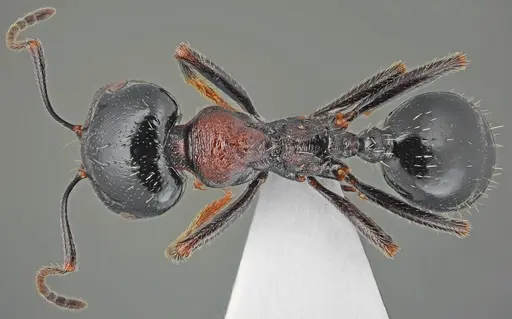
Literature
Loading...Loading products...