

Messor cephalotes
- Scientific Name
- Messor cephalotes
- Tribe
- Stenammini
- Subfamily
- Myrmicinae
- Author
- Emery, 1895
- Distribution
- Found in 1 countries
Messor cephalotes Overview
Messor cephalotes is an ant species of the genus Messor. It is primarily documented in 1 countries , including Kenya. Detailed taxonomic data and occurrence records can be further explored via authoritative databases such as AntWeb or the Global Biodiversity Information Facility (GBIF).
Messor cephalotes
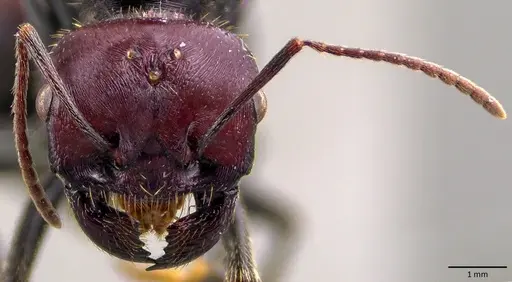
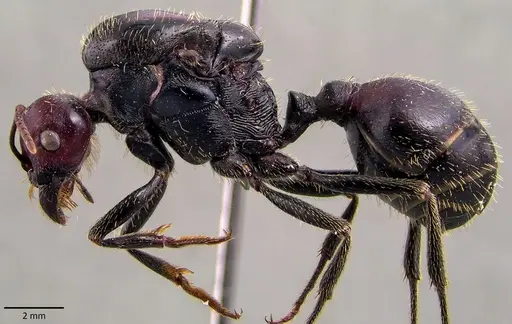
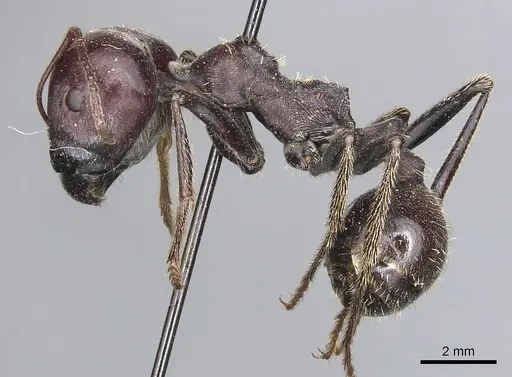
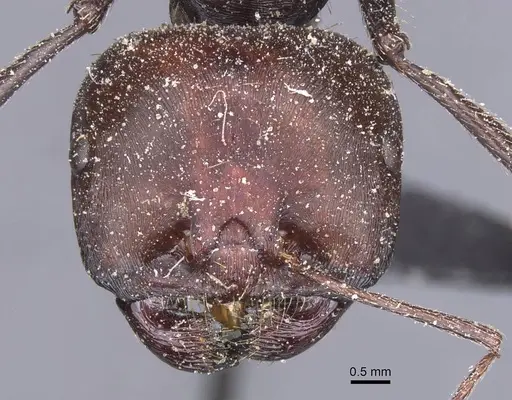
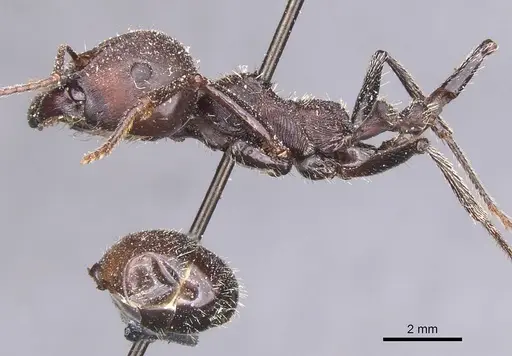
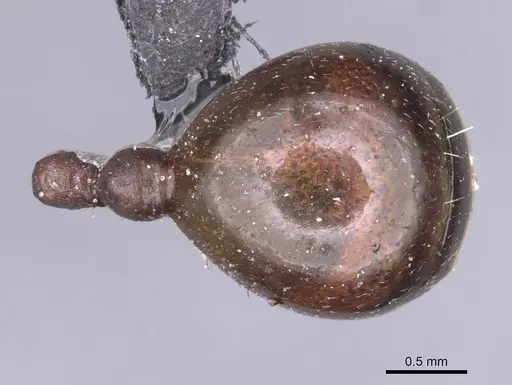
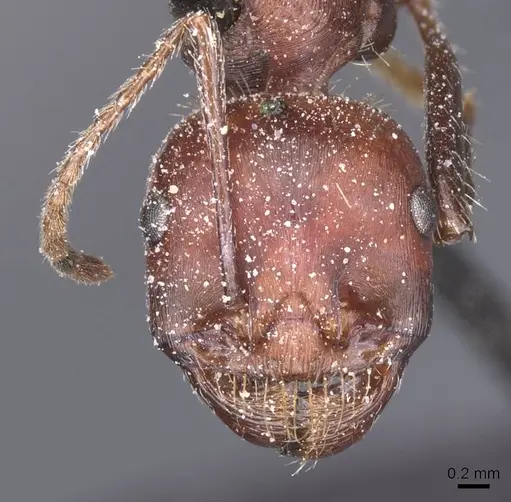
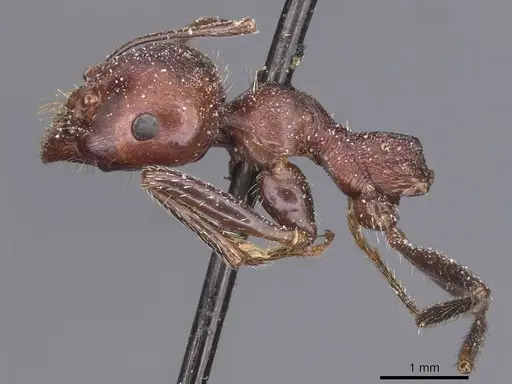
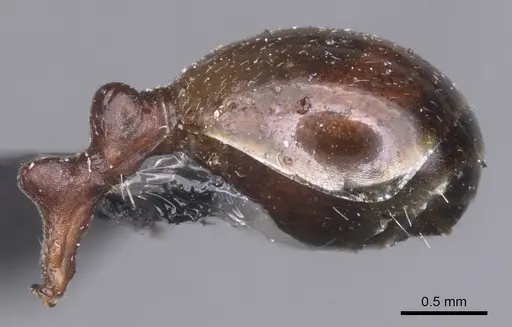
Messor cephalotes is a distinctive harvester ant species native to East Africa, found in Ethiopia, Kenya, and Tanzania. These ants are among the largest in the Messor genus, with workers ranging from 3.2mm to over 5mm in head width. They are easily recognized by their strongly sculptured gaster (abdomen), a feature shared by only one other African Messor species. The workers are reddish to dark brown, with a massive, broad head and fine longitudinal striations giving the head a silky appearance. The colony structure is monogyne, with a single queen per colony. These ants are active foragers that harvest seeds and create cleared spaces in grassland habitats, making them fascinating observe in captivity.
Quick Summary
- Difficulty: Medium
- Origin & Habitat: East Africa, Ethiopia, Kenya, and Tanzania. This species inhabits grassland and savanna environments, where it creates cleared foraging spaces in dry grass. Found at elevations ranging from near sea level to around 1820m (Nakuru Rift Valley). Observed at the northern foot of Mt. Kilimanjaro in Tanzania [1].
- Colony Type: Monogyne, single queen colonies. Major and minor worker castes present.
- Colony: Monogyne
- Founding: Claustral
- Size & Growth:
- Queen: Estimated 12-15mm based on genus patterns, direct measurements not available
- Worker: 3.2-5.0+ mm head width (HW)
- Colony: Likely several thousand workers at maturity based on genus patterns
- Growth: Moderate
- Development: Estimated 6-8 weeks at optimal temperature based on related Messor species (Development time estimated from genus-level data, direct measurements unavailable)
- Antkeeping:
- Temperature: Keep at 24-28°C. They come from warm East African habitats and prefer stable temperatures in this range.
- Humidity: Moderate humidity around 50-60%. Provide a shallow water dish and allow the nest to dry out partially between waterings. These are not high-humidity ants.
- Diapause: Likely a short diapause period during the cooler dry season. Reduce temperature to 15-18°C for 2-3 months if colony shows reduced activity.
- Nesting: Y-tong (AAC), plaster, or acrylic nests work well. Provide a foraging area with sand or soil mix for seed storage behavior. These are natural grass-seed harvesters so include appropriate substrate.
- Behavior: Messor cephalotes is a calm, non-aggressive species that focuses on seed harvesting and storage. Workers are large and impressive, with distinct major workers that can crack seeds with their powerful mandibles. They are moderate escape artists, use standard barrier methods but their larger size makes them easier to contain than tiny ants. They create characteristic cleared areas in their foraging territory and will collect and store seeds in the nest. Active foragers that benefit from a spacious outworld.
- Common Issues: seed storage can lead to mold if humidity is too high, balance moisture carefully, slow founding phase, claustral queens may take time to produce first workers, colonies can become very large and need expanding enclosures, major workers may block nest entrances with seed debris, wild-caught colonies may have parasites, quarantine and observe new colonies
Natural History and Behavior
Messor cephalotes is a classic harvester ant that plays an important ecological role in East African grasslands. In their natural habitat, these ants clear spaces in dry grass where every grass stalk is removed, creating distinctive cleared areas that can reach up to 8 paces in diameter with multiple entrances [1]. They collect grass seeds and store them in their nests, making them important seed dispersers in their ecosystem. Workers vary significantly in size, with major workers having massive heads adapted for cracking seeds, while smaller minor workers handle brood care and general nest maintenance. The species is distinctive among African Messor ants for having a strongly sculptured gaster, a feature that helps identify it in the field.
Housing and Nest Setup
A Y-tong (AAC) nest or acrylic formicarium works well for this species. Provide a foraging area that is spacious enough for their active foraging behavior. Include a substrate mix of sand and soil in the outworld, this mimics their natural grassland habitat and allows them to engage in seed-sorting and storage behaviors. A shallow water dish should always be available. Because they are larger ants, standard escape prevention measures are usually sufficient, but always use fluon or barrier tape as a precaution. The nest should have chambers large enough for their major workers to move freely.
Feeding and Diet
As harvester ants, Messor cephalotes primarily collects and consumes seeds. In captivity, offer a variety of seeds including grass seeds, millet, sunflower seeds (cracked for majors), and commercial ant diet mixes. They will also accept protein sources like small insects (fruit flies, small crickets, mealworms) especially when raising brood. Sugar water or honey can be offered occasionally but is not a primary food source. Fresh water should always be available. Observe your colony's preferences, some colonies favor certain seeds over others.
Temperature and Seasonal Care
Maintain temperatures between 24-28°C for optimal colony growth and brood development. These East African ants prefer warm, stable conditions. During the cooler dry season in their native range, colonies likely experience reduced activity. In captivity, you can simulate this by reducing temperatures to 15-18°C for 2-3 months during winter if your colony shows signs of slowing down. However, many colonies remain active year-round at room temperature. Avoid temperature extremes below 20°C or above 32°C. A heating cable on one side of the nest can create a beneficial gradient.
Colony Development
Messor cephalotes founds colonies claustrally, the queen seals herself in a chamber and survives entirely on her stored fat reserves while raising the first brood. This founding phase can take 4-8 weeks or longer depending on temperature. The first workers (nanitics) are typically smaller than mature workers. As the colony grows, you'll see increasing numbers of large major workers developing. Growth rate is moderate, expect several months to reach 50 workers, and a year or more to reach several hundred. Mature colonies can contain several thousand workers. Patience is key with this species.
Frequently Asked Questions
How long does it take for Messor cephalotes to produce first workers?
First workers typically appear 6-8 weeks after the queen lays eggs, assuming temperatures around 24-28°C. The claustral founding phase can add additional time, queens may take 2-4 weeks to lay their first eggs after sealing in.
What do Messor cephalotes eat?
They are primarily seed harvesters. Offer a mix of grass seeds, millet, cracked sunflower seeds, and similar seeds. They also accept small insects and occasional sugar water. Fresh water must always be available.
Are Messor cephalotes good for beginners?
They are intermediate-level ants. The founding phase requires patience, and they need warm temperatures and proper seed storage conditions. However, they are calm-natured and fascinating to watch once established.
Do Messor cephalotes ants sting?
They can sting but rarely do so. Their large mandibles are their primary defense, and they are generally docile toward keepers. The sting is not medically significant for healthy humans.
How big do Messor cephalotes colonies get?
Mature colonies can reach several thousand workers. Major workers can exceed 5mm in head width, making them impressive ants to observe.
Do they need hibernation?
They are from a tropical region and do not require true hibernation. A brief cool period (2-3 months at 15-18°C) may benefit colonies but is not strictly necessary. Many colonies remain active year-round at room temperature.
Can I keep multiple Messor cephalotes queens together?
No. This is a monogyne species with a single queen per colony. Combining unrelated queens will result in fighting. Only keep one queen per colony.
What nest type is best for Messor cephalotes?
Y-tong (AAC), plaster, or acrylic nests work well. Provide a sandy outworld for seed-sorting behavior. Ensure chambers are large enough for major workers.
How do I know if my colony is healthy?
Healthy colonies have active foragers, brood present in various stages, and the queen is laying eggs. Workers should be moving purposefully, collecting seeds, and caring for brood. Watch for signs of stress like workers fleeing the nest or excessive inactivity.
References

This caresheet is licensed under CC BY-SA 4.0 .
ANTWEB1041849
View on AntWeb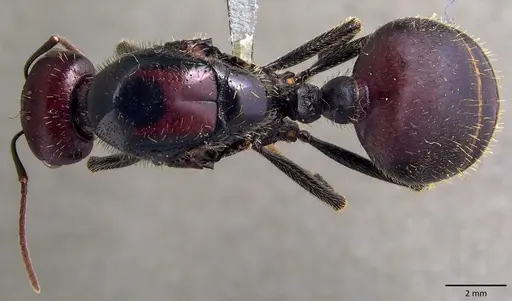
CASENT0217869
View on AntWeb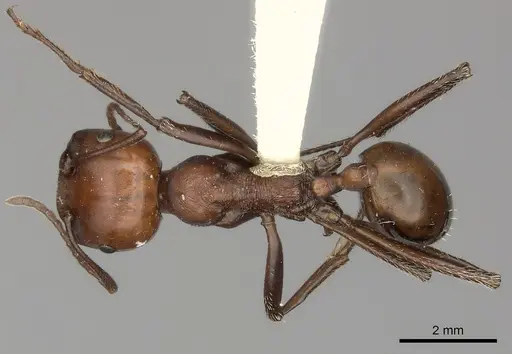
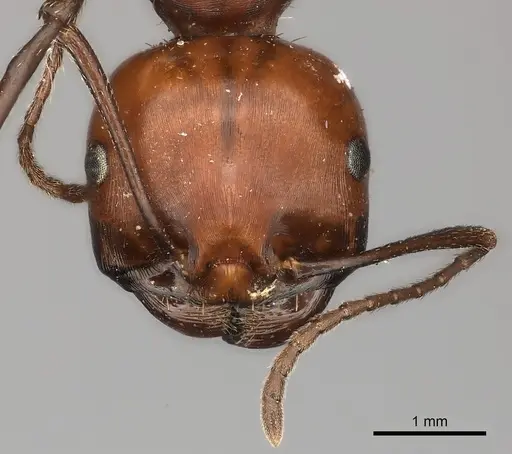
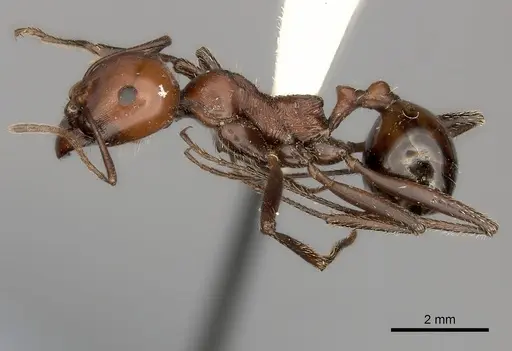
CASENT0904140
View on AntWeb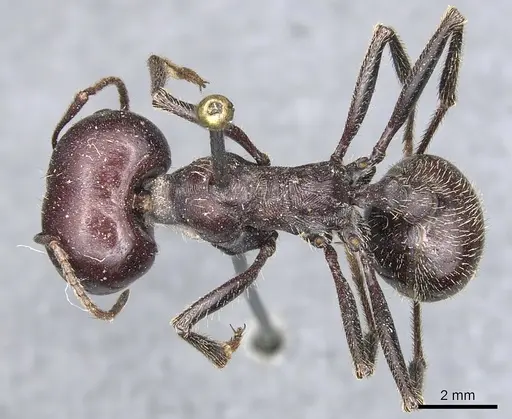
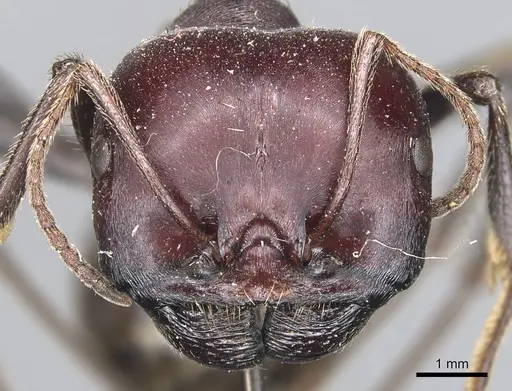
CASENT0913170
View on AntWeb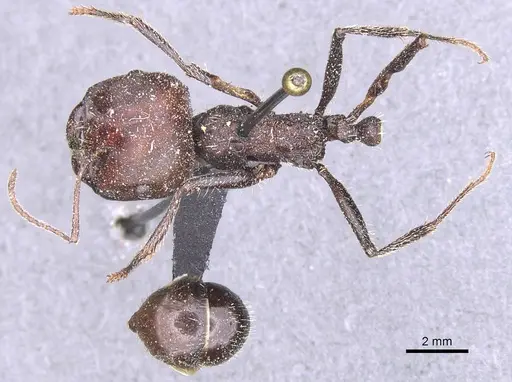
CASENT0913171
View on AntWeb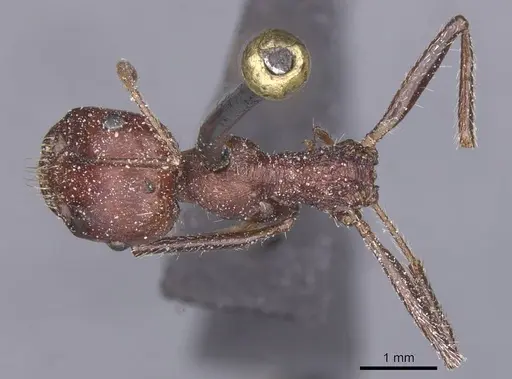
Literature
Loading...Loading products...