

Messor caducus
- Scientific Name
- Messor caducus
- Tribe
- Stenammini
- Subfamily
- Myrmicinae
- Author
- Victor, 1839
- Distribution
- Found in 5 countries
Messor caducus Overview
Messor caducus is an ant species of the genus Messor. It is primarily documented in 5 countries , including Azerbaijan, Bulgaria, Greece. Detailed taxonomic data and occurrence records can be further explored via authoritative databases such as AntWeb or the Global Biodiversity Information Facility (GBIF).
Messor caducus
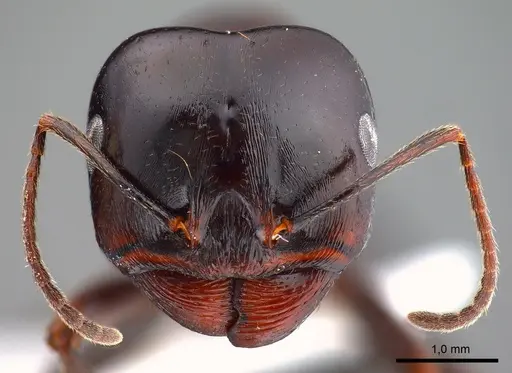
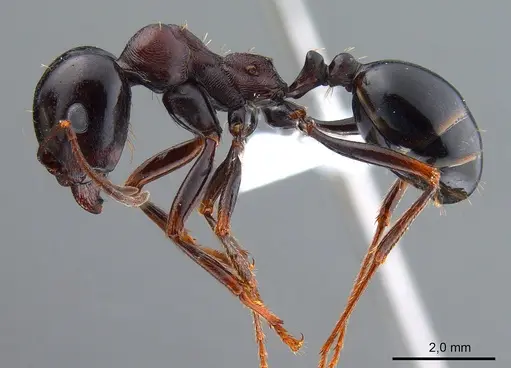
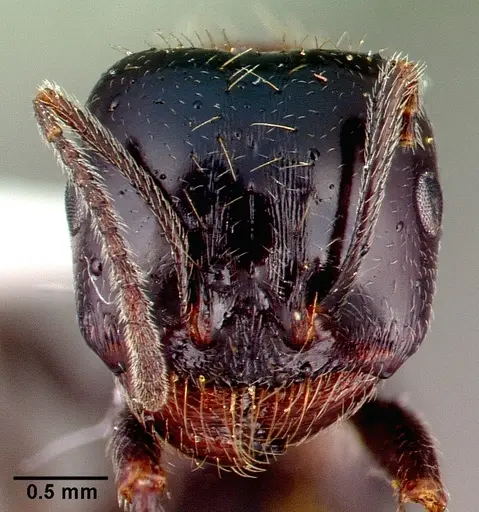
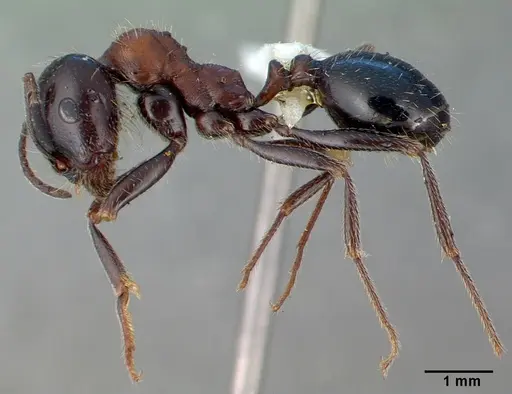
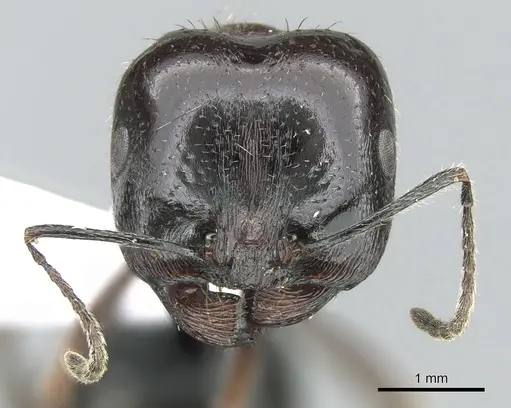
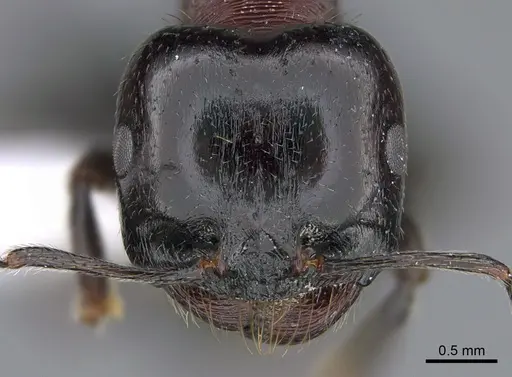
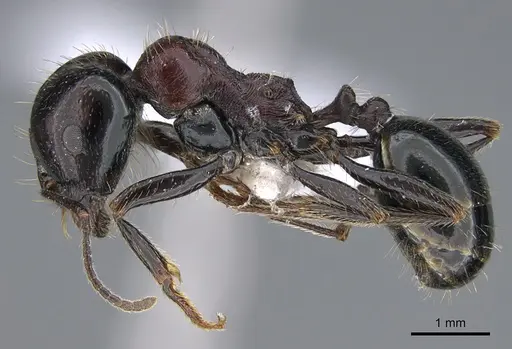
Messor caducus is a medium-sized harvester ant found across the Mediterranean region and surrounding areas, from Albania and Bulgaria east to Iran and the Caucasus [1]. Workers are typically 4-8mm and have the characteristic robust build of harvesters, with a dark reddish-brown to black coloration. This species is part of the instabilis species group and wasmanni species complex [2]. Unlike many ants, Messor caducus is known for an unusual behavior, they collect empty snail shells and incorporate them into their nest mounds, likely confusing them with seeds due to their similar size and shape [3]. As a harvester ant, they primarily feed on seeds but also consume fruits and carcasses.
Quick Summary
- Difficulty: Easy
- Origin & Habitat: Mediterranean and temperate regions of Eastern Europe, the Caucasus, and Western Asia. Found in Albania, Armenia, Azerbaijan, Bulgaria, Georgia, Greece, Iran, Malta, North Macedonia, Russia (Caucasus), Slovakia, and Turkey [1][4]. They nest under large stones and on the soil surface in dryland ecosystems [5][6].
- Colony Type: Single-queen colonies (monogyne). The species forms discrete nests with one queen.
- Colony: Monogyne
- Founding: Claustral
- Size & Growth:
- Queen: Estimated 8-12mm based on genus patterns
- Worker: 4-8mm [2]
- Colony: Estimated several hundred workers based on typical Messor colony sizes
- Growth: Moderate
- Development: Estimated 6-10 weeks based on related Messor species (Development time is inferred from genus-level data for Messor harvester ants)
- Antkeeping:
- Temperature: Keep at room temperature, roughly 20-26°C. They are adaptable to Mediterranean conditions and can tolerate a range of temperatures.
- Humidity: Low to moderate. These are dryland ants that prefer relatively dry conditions. Provide a water tube but avoid excessive moisture in the nest.
- Diapause: Yes, they require a winter rest period of 2-3 months at cooler temperatures (around 10-15°C) to simulate Mediterranean winters.
- Nesting: They naturally nest under stones and in soil. In captivity, a standard formicarium with soil or sand substrate works well. They do well with a dry to moderately humid outworld and a nesting area that allows them to create seed storage chambers.
- Behavior: Messor caducus is a typical harvester ant, they are not aggressive and focus on collecting and storing seeds. Workers are active foragers that gather seeds and bring them back to the nest. They may show mild defensive behavior if their nest is disturbed but rarely bite or sting. Escape risk is moderate, they are not particularly small but can climb smooth surfaces, so standard barrier methods work well.
- Common Issues: seed storage mold, check stored seeds regularly and remove any that show mold growth, overheating, avoid temperatures above 30°C as this can stress colonies, excessive humidity, these are dryland ants that do poorly in constantly damp conditions, colonies may be slow to establish, founding colonies take time and should not be disturbed during the claustral period
Housing and Nest Setup
Messor caducus does well in standard formicarium setups. They prefer nesting in soil or sand where they can create chambers for storing seeds. A test tube setup works for founding colonies, but established colonies do best in a formicarium with a soil chamber. The outworld should be relatively dry, these are dryland ants that can be harmed by excessive moisture. Provide a shallow water tube for drinking access. Because they collect and store seeds, give them a small dish or designated area in the outworld where they can gather their food. [5][2]
Feeding and Diet
As harvester ants, Messor caducus primarily eats seeds. Offer a variety of seeds including grass seeds, millet, and bird seed mixes. They also accept small pieces of fruit and will scavenge on dead insects or other protein sources. Fresh seeds should be provided regularly, and any uneaten seeds that show signs of mold must be removed promptly to prevent colony health issues. A constant water source is important. Unlike predatory ants, they are not active hunters and do best with a seed-based diet supplemented with occasional protein. [3]
Temperature and Seasonal Care
Messor caducus adapts well to typical room temperatures in the range of 20-26°C. They originate from Mediterranean regions with hot summers and mild winters, so they can tolerate warmer conditions but should be kept away from direct heat sources that could cause overheating. During winter, simulate their natural seasonal cycle by providing a cooler period at around 10-15°C for 2-3 months. This winter rest helps trigger proper reproductive behavior and keeps colonies healthy long-term. Reduce feeding during this period and minimize disturbance. [1][4]
Unique Behavior: Shell Collection
One of the most interesting behaviors of Messor caducus is their tendency to collect empty snail shells and incorporate them into their nest mounds [3]. Researchers found that around 60% of snails collected from their nests showed damage indicating they may have been used as food [7]. This behavior likely occurs because snails resemble seeds in size and shape, leading the ants to collect them mistakenly. In captivity, you might observe your ants dragging small objects around the formicarium, this is normal harvester behavior as they organize their nest. This is purely a behavioral quirk and does not require any special care adjustments.
Colony Development
Like other Messor species, Messor caducus has claustral founding, the queen seals herself in a chamber and raises her first workers entirely on her stored body reserves without leaving to forage. This means founding colonies should be left completely undisturbed until the first workers (nanitics) emerge. After that, you can begin offering small amounts of seeds and water. Colony growth is moderate, expect several months before you see significant numbers of workers. Mature colonies can reach several hundred workers. The colony will establish seed storage chambers as it grows, which is a characteristic behavior of harvester ants. [2]
Frequently Asked Questions
Is Messor caducus a good ant for beginners?
Yes, Messor caducus is a good choice for beginners. They are relatively easy to care for, not aggressive, and have straightforward dietary needs. The main things to watch are avoiding excessive humidity and providing a proper winter rest period. Their seed-based diet is easy to maintain with readily available seeds.
How long does it take for Messor caducus to raise first workers?
Expect 6-10 weeks from egg to first worker under optimal conditions. This estimate is based on related Messor species, as specific development timing has not been directly documented for M. caducus. The queen will remain sealed in her chamber during this time, do not disturb the founding chamber.
Do Messor caducus ants sting?
Messor caducus has the ability to sting, but they are not aggressive and rarely use it. They are considered docile harvesters that focus on foraging for seeds rather than defending against threats. If threatened, they may bite, but the sting is not medically significant to humans.
What do I feed Messor caducus?
Feed them a variety of seeds, grass seeds, millet, bird seed mixes, and similar small seeds work well. They also accept small amounts of fruit and occasional protein like dead insects. Remove any moldy seeds promptly. They need a constant water source.
Do Messor caducus need hibernation?
Yes, they benefit from a winter rest period. Provide 2-3 months at cooler temperatures around 10-15°C during winter. This mimics their natural Mediterranean climate and helps maintain colony health. Reduce feeding during this period.
Can I keep multiple Messor caducus queens together?
No, Messor caducus is a single-queen species. Multiple unrelated queens will fight. Only keep one queen per colony. If you find a wild colony, it will have just one queen.
When should I move my Messor caducus to a formicarium?
Keep founding colonies in a test tube setup until you have 20-30 workers. At that point, you can move them to a formicarium with soil chambers for seed storage. They do well in formicariums that allow them to dig and create natural tunnel systems.
How big do Messor caducus colonies get?
Mature colonies typically reach several hundred workers. This is typical for Messor harvester ants, they are not among the largest ant species but can form substantial colonies over several years.
Are Messor caducus escape artists?
They have moderate escape risk. Workers are 4-8mm so they cannot squeeze through the smallest gaps, but they can climb smooth surfaces. Standard barrier methods like fluon on container rims work well. They are less prone to escaping than very small ant species.
References

This caresheet is licensed under CC BY-SA 4.0 .
ANTWEB1008069
View on AntWeb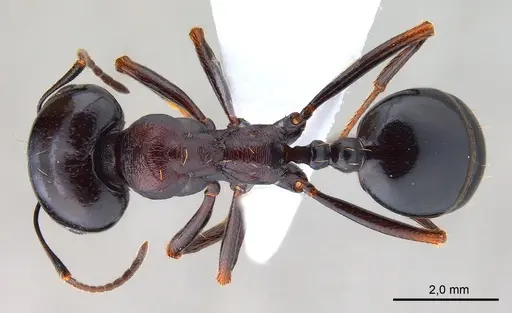
CASENT0010637
View on AntWeb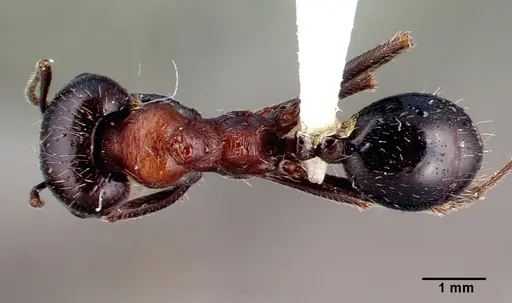
CASENT0906121
View on AntWeb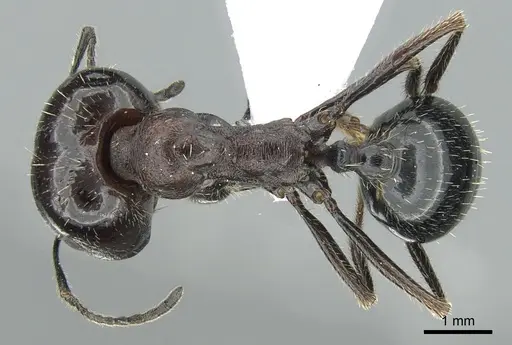
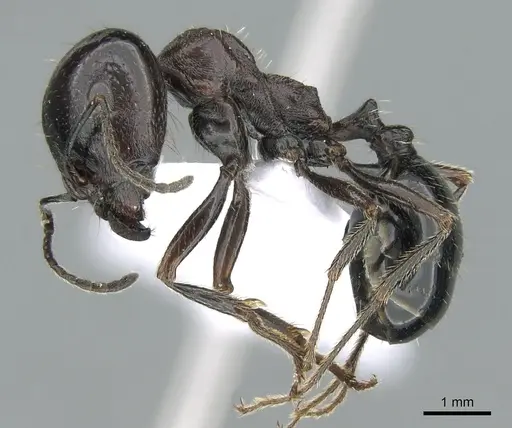
CASENT0916937
View on AntWeb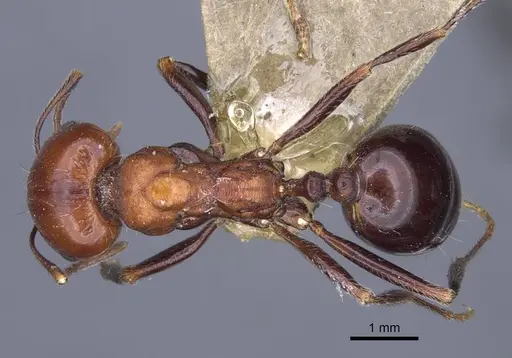
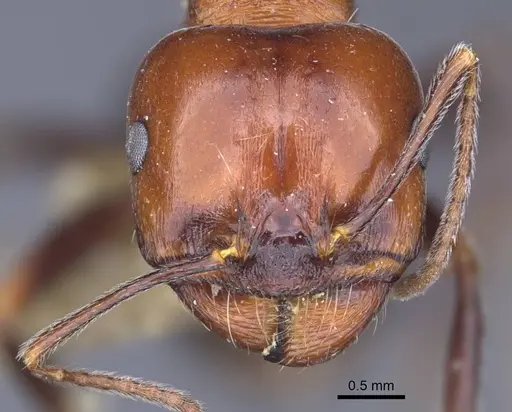
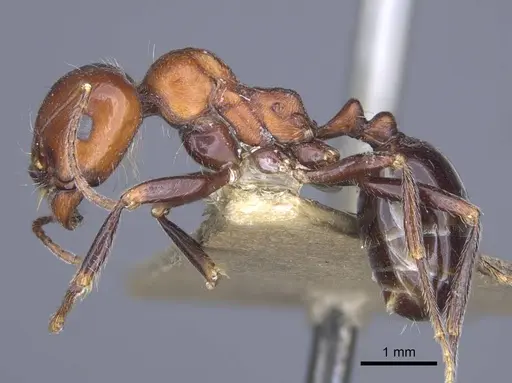
CASENT0923730
View on AntWeb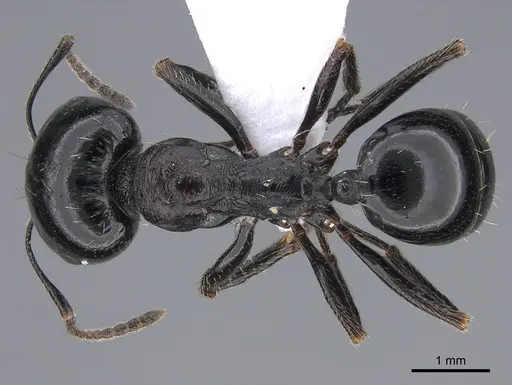
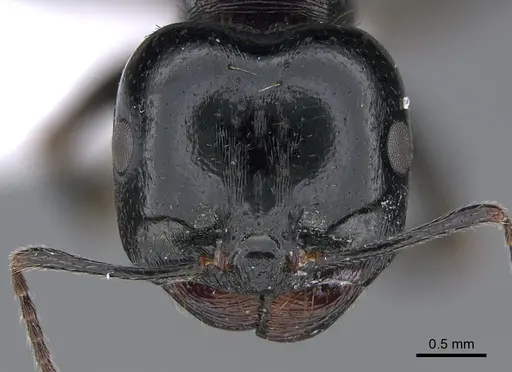
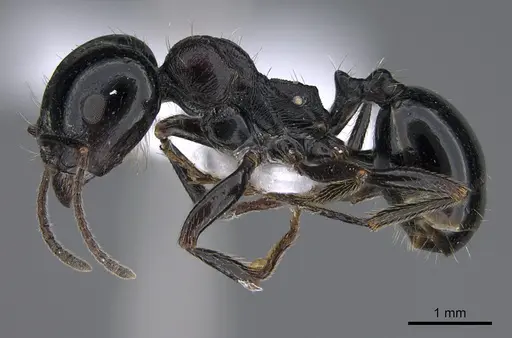
CASENT0923731
View on AntWeb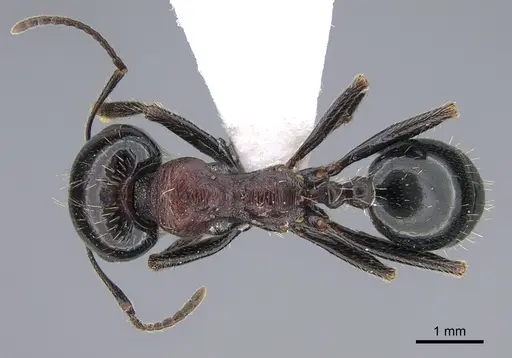
Literature
Loading...Loading products...