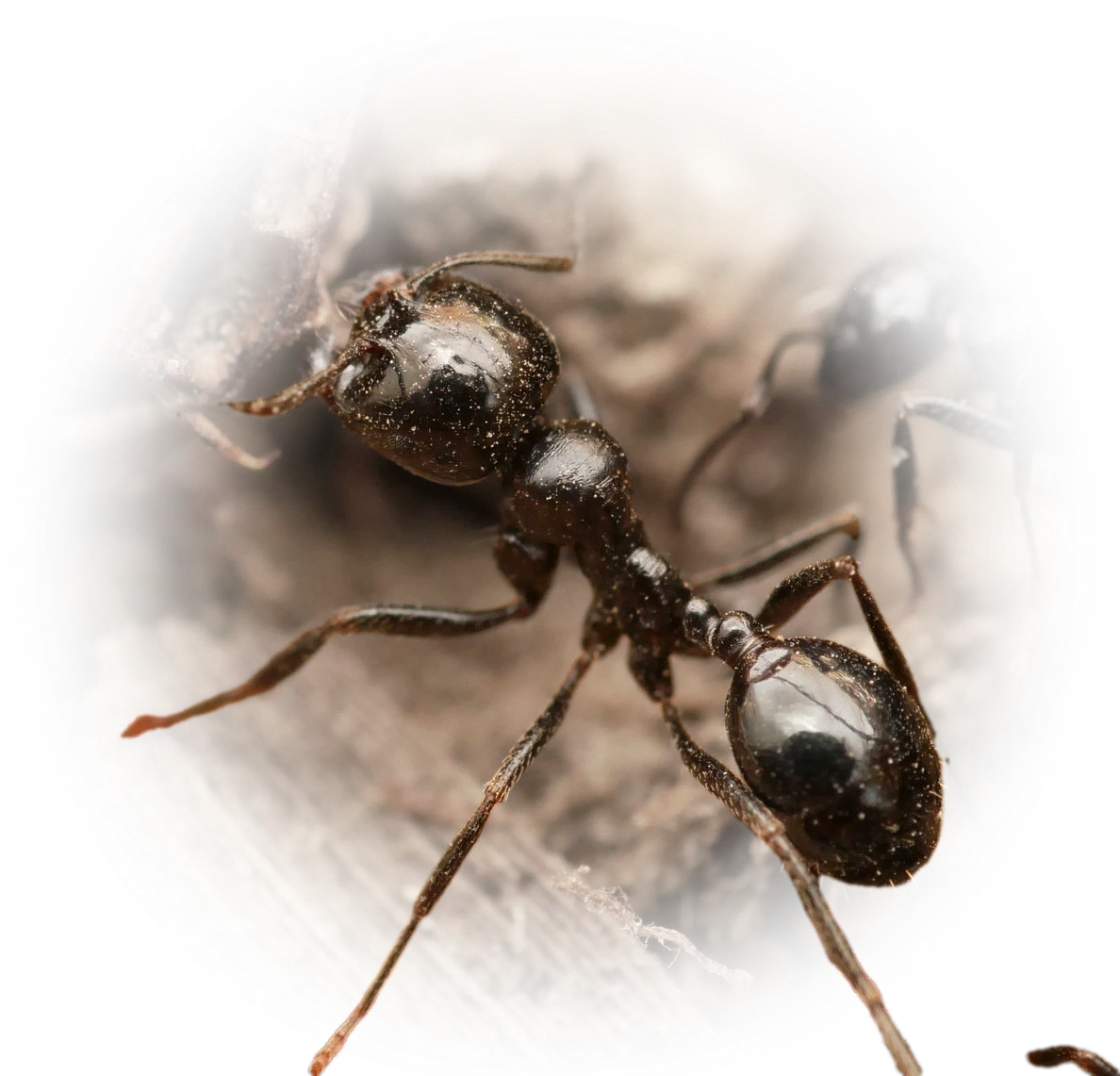

Messor bouvieri
- Scientific Name
- Messor bouvieri
- Tribe
- Stenammini
- Subfamily
- Myrmicinae
- Author
- Bondroit, 1918
- Distribution
- Found in 4 countries
Messor bouvieri Overview
Messor bouvieri is an ant species of the genus Messor. It is primarily documented in 4 countries , including Spain, France, Italy. Detailed taxonomic data and occurrence records can be further explored via authoritative databases such as AntWeb or the Global Biodiversity Information Facility (GBIF).
Messor bouvieri
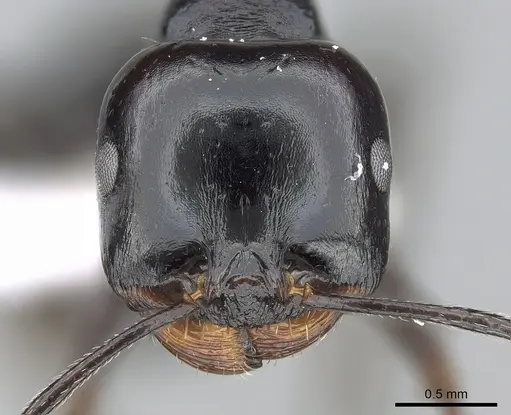
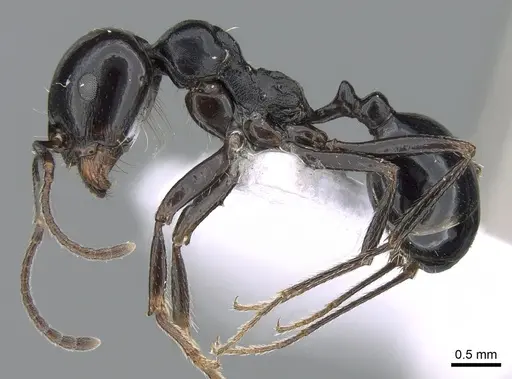
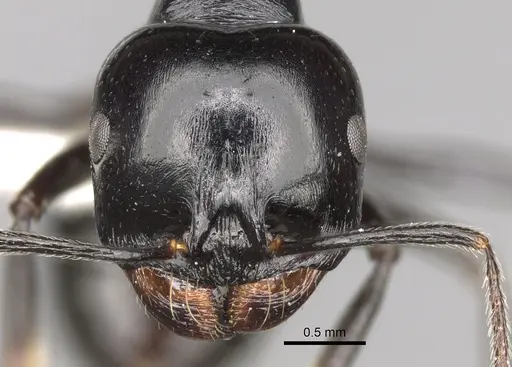
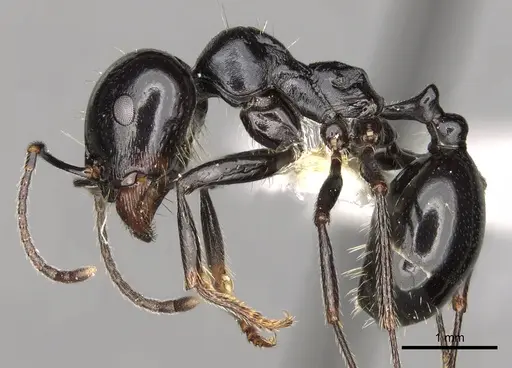
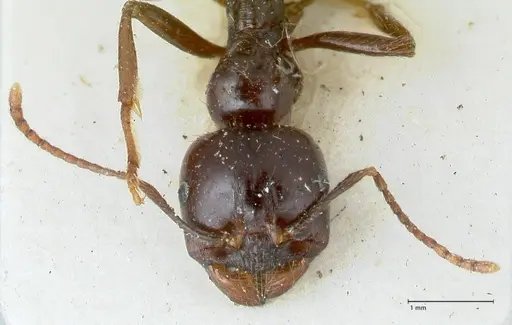
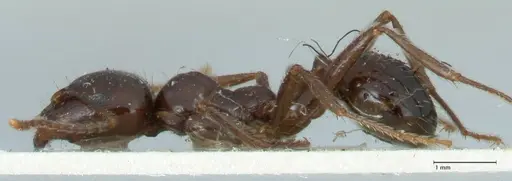
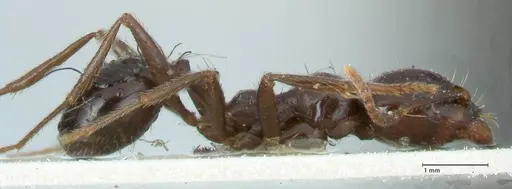
Messor bouvieri is a medium-sized harvester ant native to the western Mediterranean region, found across Spain, Portugal, France, Italy, Malta, and into North Africa. Workers measure 4-8.5mm and are brown to black in color, with a relatively slender build compared to other Messor species. Unlike its relatives M. barbarus and M. capitatus, this species shows less worker size polymorphism and lacks the largest major workers [1][2]. The head features a well-developed psammophore, a series of long, J-shaped hairs below the head used for carrying sand and seeds [3][1]. This species is a specialized seed-eater, forming temporary foraging trails that rotate around the nest entrance depending on seed availability [4][5]. Colonies are monogynous (single queen) and can reach thousands of workers [6].
Quick Summary
- Difficulty: Easy
- Origin & Habitat: Western Mediterranean region including Spain, Portugal, France, Italy, Malta, and Algeria. Found in open, sunny Mediterranean habitats with low vegetation, typically shrubland, grassland, and coastal areas. Prefers warm, dry conditions and avoids dense vegetation or shaded areas [7][8][9].
- Colony Type: Monogynous (single queen) colonies with monodomous (single nest) structure. Colonies contain thousands of workers [6]. Ergatoid replacement reproductives have not been documented for this species.
- Colony: Monogyne
- Founding: Claustral
- Size & Growth:
- Queen: Estimated 8-10mm based on genus patterns
- Worker: 4.0-8.5mm [2][10]
- Colony: Thousands of workers [6]
- Growth: Moderate, inferred from similar Messor species
- Development: Estimated 6-10 weeks at optimal temperature based on genus patterns (Development time inferred from related Messor species, not directly studied for M. bouvieri)
- Antkeeping:
- Temperature: Keep nest area at 24-30°C. This species is heat-tolerant with CTM of 44°C and peak activity at 30°C [11][6]. Provide a temperature gradient allowing workers to self-regulate.
- Humidity: Low to moderate. This is a dry-adapted species from Mediterranean climates. Keep nest substrate relatively dry with some moisture at the water reservoir end. Avoid damp conditions.
- Diapause: Yes, requires winter rest period. Native to temperate Mediterranean regions with cool winters. Provide 2-3 months at 10-15°C [12]
- Nesting: Y-tong (AAC) or plaster nests work well. This species prefers dry conditions and will do well in nests that don't retain excessive moisture. Provide sand or soil substrate for seed storage behavior.
- Behavior: Generally peaceful but can be defensive at food sources. Workers forage in groups along temporary trails, recruiting nestmates to quality seed sources [5]. They are primarily diurnal in spring but shift to twilight/nocturnal foraging during hot summer months to avoid midday heat [13]. Workers are active foragers and will readily take seeds offered in captivity. They lack the large major workers seen in other Messor species, so cannot process very large seeds [13]. Escape risk is moderate, use standard barrier methods.
- Common Issues: colonies may decline if kept too damp, provide dry nesting conditions, large seeds over 20mm cannot be transported, provide appropriately sized seed options, slow growth compared to some ants means beginners may overfeed trying to speed development, test tube setups can flood if water reservoirs are overfilled, use appropriate water bridge, active foragers may escape if barriers are inadequate, check for gaps regularly
Housing and Nest Setup
Messor bouvieri adapts well to various captive setups. Y-tong (AAC) nests or plaster nests work best as they provide the dry conditions this species prefers. Test tube setups can work but monitor water levels carefully, overfilling leads to flooding that can kill colonies. The psammophore (specialized hairs for carrying sand) means they enjoy having substrate to manipulate, so adding a thin layer of sand or fine soil to part of the outworld mimics their natural behavior. Provide a water tube with cotton bridge for humidity, but keep the nest chamber dry. These ants are not aggressive toward keepers and can be handled gently when necessary. [12]
Feeding and Diet
As specialized granivores, Messor bouvieri primarily eats seeds. In captivity, offer a mix of grass seeds, wildflower seeds, and small grains. They show strong seed preferences, favoring smaller seeds around 2-5mm and avoiding very large seeds over 20mm [14][13]. In cafeteria tests, they readily collected 87.5% of 5mm seeds,90% of 10mm seeds, but only 6% of 20mm seeds and 0% of 30mm seeds [14]. Provide a constant supply of small seeds in the outworld. They also occasionally consume plant matter and small insects (~4% of diet), so offering a small amount of protein like a dead cricket occasionally is beneficial [13]. Remove uneaten seeds periodically to prevent mold.
Temperature and Seasonal Care
This is a heat-tolerant Mediterranean species. Keep the nest at 24-30°C with a slight gradient if possible. They can tolerate temperatures up to 44°C (critical thermal maximum) but prefer around 30°C for peak activity [11][6]. In summer, they shift to cooler foraging times, late afternoon and early morning, to avoid midday heat. Provide a heating cable on one side of the nest to create a gradient, but never exceed 35°C in the warm zone. During winter (October-March in captivity), reduce temperature to 10-15°C for a proper diapause period. This species is active year-round in the wild but benefits from winter cooling to trigger natural seasonal cycles [13][6].
Foraging Behavior
Messor bouvieri uses group foraging with temporary trails that can extend 1.5-26 meters in the wild [5]. Trails rotate around the nest entrance depending on where seeds are available [4]. Workers recruit nestmates using pheromone trails, the trail pheromone comes from the venom gland compound plus Dufour gland compounds [15]. In captivity, you'll see workers form lines to food sources, carrying seeds back in their psammophore (the J-shaped hairs beneath their head). They process an impressive 6,593 ± 1,320 seeds per day per colony in the wild [4]. This constant foraging activity means they need consistent access to seeds in the outworld.
Colony Development
Colonies grow moderately fast once established. The queen is claustral, she seals herself in a chamber and raises the first brood alone using stored fat reserves, not leaving to forage. First workers (nanitics) will be smaller than mature workers. Unlike M. barbarus and M. capitatus, this species has less polymorphism, workers range 4-8.5mm without extreme size differences between minor and major castes [1][13]. Colonies can reach thousands of workers over several years. Peak foraging activity occurs in September, with colonies most active in autumn months [6][13]. Larvae are present in nests year-round in Mediterranean climates [6].
Frequently Asked Questions
Can I keep Messor bouvieri in a test tube?
Yes, but monitor water levels carefully. Overfilling the water reservoir causes flooding that can drown colonies. A better choice is a Y-tong (AAC) or plaster nest which provides more stable humidity control and better matches their preference for dry conditions.
What seeds should I feed Messor bouvieri?
Offer small grass and wildflower seeds around 2-10mm in size. They readily accept seeds in this range but avoid seeds over 20mm, they cannot transport them [14]. Provide a constant supply and remove any that show mold.
How long until first workers appear?
Estimated 6-10 weeks from egg to worker at optimal temperature. This is inferred from related Messor species as specific development timing for M. bouvieri has not been documented.
Do Messor bouvieri ants sting?
They have a stinger but it is rarely used and too small to penetrate human skin effectively. These ants are not considered dangerous to keepers.
Do Messor bouvieri need hibernation?
Yes, provide a winter rest period of 2-3 months at 10-15°C from around October to March. This mimics their natural Mediterranean seasonal cycle and helps maintain healthy colony cycles.
Are Messor bouvieri good for beginners?
Yes, they are considered easy to keep. They are resilient, don't require extreme humidity, and their seed-based diet is straightforward. The main challenges are providing appropriate seed sizes and managing escape prevention.
Why are my Messor bouvieri not foraging?
Check temperature, they prefer 24-30°C and are most active in afternoon/evening during summer. If too cold, they become sluggish. Also ensure seeds are small enough (under 20mm), they cannot carry larger seeds [14].
Can I keep multiple queens together?
No. This is a monogynous species with single-queen colonies. Multiple unrelated queens will fight. Only keep one queen per colony.
How big do Messor bouvieri colonies get?
Colonies reach thousands of workers over several years. They are not as large as some Messor species but can still number in the high hundreds to low thousands.
When should I move them to a formicarium?
Move to a larger nest once the colony reaches 50-100 workers and the test tube becomes crowded. A Y-tong or plaster formicarium with a outworld works well for this species.
References

This caresheet is licensed under CC BY-SA 4.0 .
CASENT0281543
View on AntWeb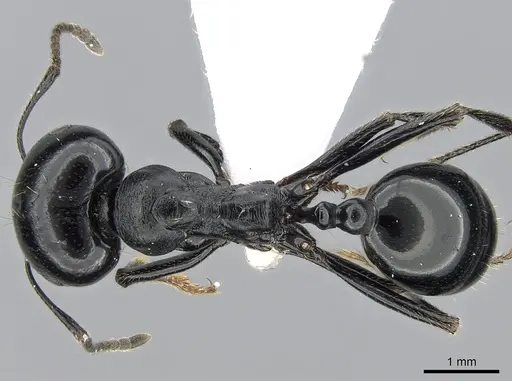
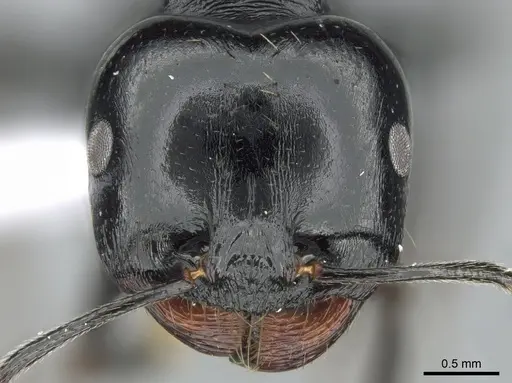
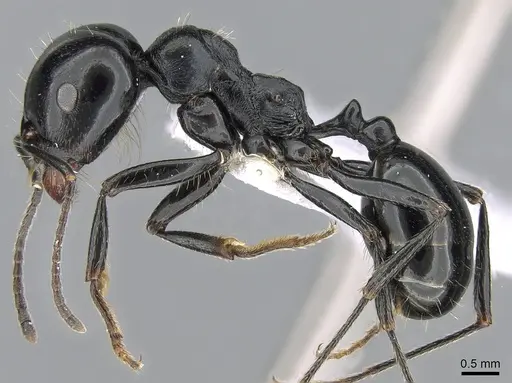
CASENT0281544
View on AntWeb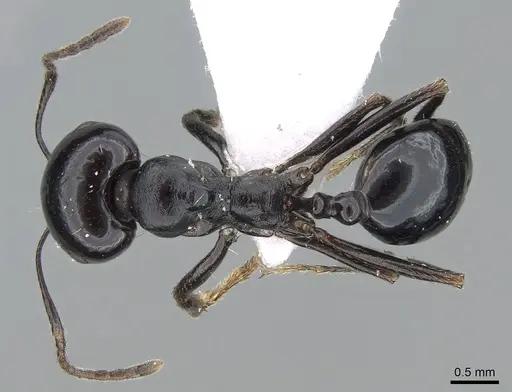
CASENT0281605
View on AntWeb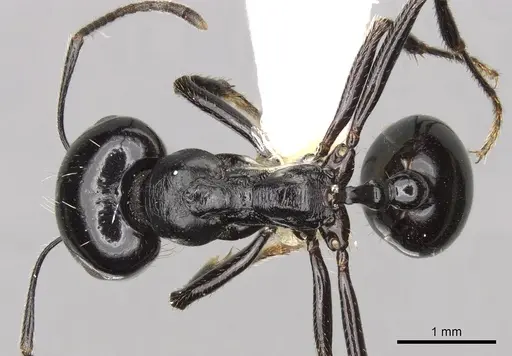
FOCOL1247
View on AntWeb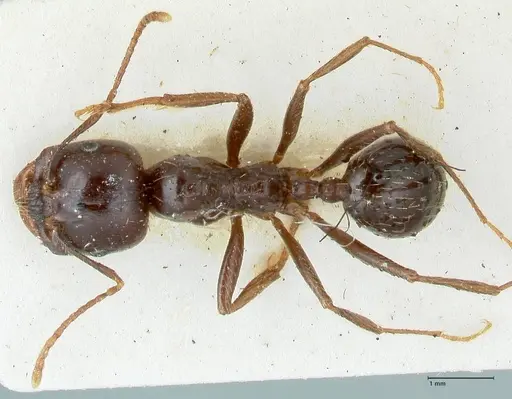
Literature
Loading...Loading products...