

Messor bernardi
- Scientific Name
- Messor bernardi
- Tribe
- Stenammini
- Subfamily
- Myrmicinae
- Author
- Cagniant, 1967
- Distribution
- Found in 1 countries
Messor bernardi Overview
Messor bernardi is an ant species of the genus Messor. It is primarily documented in 1 countries , including Algeria. Detailed taxonomic data and occurrence records can be further explored via authoritative databases such as AntWeb or the Global Biodiversity Information Facility (GBIF).
Messor bernardi
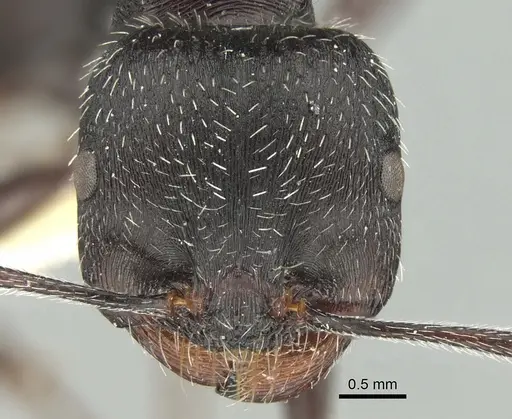
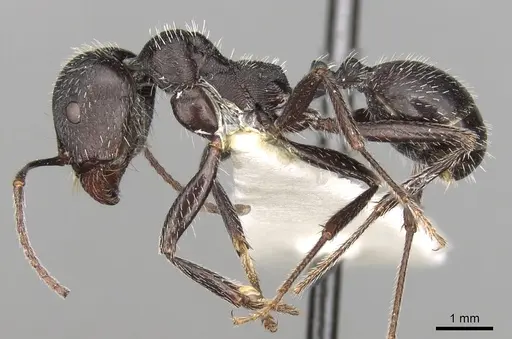
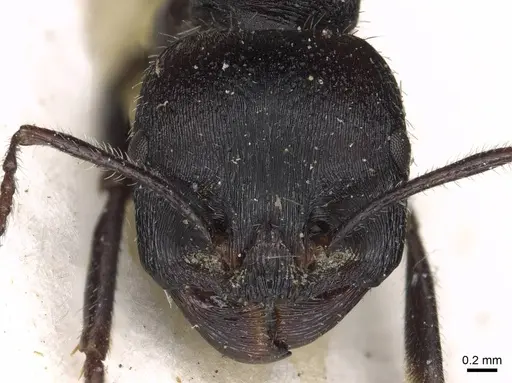
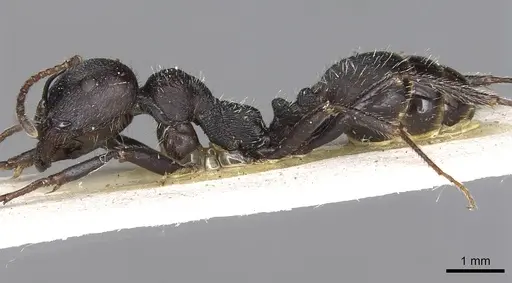
Messor bernardi is a medium-sized harvester ant species native to the mountainous regions of Algeria in North Africa. Workers are black with a distinctly striated (grooved) gaster (abdomen) and an angular propodeum (the section between the thorax and abdomen). The head has longitudinal wrinkles, and the body surface shows characteristic sculpturing that helps identify this species [1]. This ant belongs to the Stenammini tribe and is part of the Myrmicinae subfamily. As a harvester ant, Messor bernardi collects and stores seeds as their primary food source, making them important for seed dispersal in their native ecosystem. They nest in the Atlas Mountains of Algeria at elevations around 1500 meters [2][3].
Quick Summary
- Difficulty: Easy
- Origin & Habitat: Algeria (Palaearctic Region), specifically the Atlas Mountains at elevations around 1500 meters [2][3]. They inhabit mountainous forest regions of Algeria.
- Colony Type: Monogyne (single-queen colonies), typical for the Messor genus. A single reproductive queen heads each colony.
- Colony: Monogyne
- Founding: Claustral
- Size & Growth:
- Queen: Estimated 9-12mm based on typical Messor genus dimensions
- Worker: 3-8mm (polymorphic, major and minor castes)
- Colony: Estimated up to several thousand workers based on genus patterns
- Growth: Moderate
- Development: Estimated 6-10 weeks at optimal temperature based on related Messor species (Development time is inferred from genus-level data for Messor species)
- Antkeeping:
- Temperature: Keep around 22-26°C. Being from Algeria, they prefer warm conditions but not extreme heat. A temperature gradient allows them to choose their preferred zone.
- Humidity: Moderate, prefer drier conditions compared to tropical ants. Keep nest substrate slightly moist but allow it to dry between waterings. Good ventilation helps prevent mold.
- Diapause: Yes, as a Palearctic species from Algeria, they require a winter hibernation period of 2-3 months at temperatures around 10-15°C.
- Nesting: Messor bernardi prefers dry to moderately humid nests. A Y-tong (AAC) nest or plaster formicarium works well. They need enough space to store seeds in the nest chamber. Provide a connection to an outworld for foraging.
- Behavior: Messor bernardi is a calm, non-aggressive species typical of harvester ants. They are primarily seed-harvesters but will also collect protein sources like small insects. Workers are polymorphic, larger major workers (soldiers) can crack harder seeds while smaller minors handle general foraging. They are not known to sting and pose no danger to keepers. Escape risk is moderate, standard formicarium barriers are sufficient. They are diurnal and actively forage during daylight hours.
- Common Issues: seed storage mold, keep the nest dry enough to prevent stored seeds from molding, hibernation failure, colonies that don't receive proper winter rest may weaken or fail to produce brood the following season, overfeeding, excess protein can lead to brood disease, offer modest amounts, queen loss during founding, claustral queens seal themselves in and should not be disturbed during the founding phase, escape through small gaps, though not tiny, ensure formicarium connections are secure
Nest Preferences and Housing
Messor bernardi does well in dry to moderately humid nests. A Y-tong (AAC) nest or plaster formicarium works excellently for this species. The nest should have chambers large enough for the colony to store seeds, harvester ants keep their food supplies in the nest. Provide a connection to an outworld (foraging area) where you can offer food. Because they come from mountainous Algeria, they appreciate some vertical space but don't need elaborate tunneling systems. Ensure the outworld has secure barriers as workers can be active and curious. A water tube should be provided but the nest itself should stay relatively dry. [3][1]
Feeding and Diet
As a harvester ant, Messor bernardi's primary diet consists of seeds. Offer a variety of seeds including grass seeds, millet, sunflower seeds (cracked for smaller workers), and commercial ant seed mixes. Major workers have powerful mandibles capable of cracking larger seeds. In addition to seeds, they accept protein sources like small insects (fruit flies, small mealworms, crickets) and will also consume sugar water or honey occasionally. Fresh water should always be available. Unlike some ants, they don't require live prey, they happily accept pre-killed insects. Remove any uneaten seeds that show signs of mold.
Temperature and Seasonal Care
Keep your Messor bernardi colony at 22-26°C during the active season. They prefer warmth and will be more active at higher temperatures within this range. Being from the Palearctic region of Algeria, they require an annual hibernation period. During winter (roughly November to February in the Northern Hemisphere), reduce temperature to 10-15°C and stop feeding. This dormancy period is essential for colony health and triggers reproductive cycles in spring. Do not feed during hibernation. Return to normal temperatures gradually in spring when you resume feeding. Avoid temperatures below 5°C or above 30°C. [2]
Colony Growth and Development
A newly mated queen will seal herself in a claustral chamber and lay her first eggs, surviving entirely on her stored fat reserves. The first brood develops into nanitic (first) workers that are smaller than normal workers. Once these workers emerge, they take over foraging while the queen focuses on egg-laying. Growth is moderate, expect the first major workers (soldiers) to appear as the colony reaches several hundred workers. A mature colony can contain several thousand workers with a clear size difference between minor foragers and major seed-crackers. Patience is key with Messor species as they grow more slowly than many tropical ants.
Behavior and Temperament
Messor bernardi is a peaceful species that rarely shows aggression toward keepers. Workers are active foragers that search for seeds and small prey in the outworld. The polymorphic worker caste is fascinating to observe, minor workers handle most foraging while major workers specialize in cracking and processing larger seeds. They do not possess a painful sting and are completely safe to handle (though handling is not recommended as stress can harm the colony). Workers communicate through chemical trails and will quickly recruit nestmates to good food sources. They are diurnal and show peak activity during daylight hours.
Frequently Asked Questions
How long does it take for Messor bernardi to produce first workers?
From egg to first worker typically takes 6-10 weeks at optimal temperature (around 24-26°C). This is an estimate based on related Messor species, as specific development timing for M. bernardi has not been documented.
Do Messor bernardi ants need hibernation?
Yes. As a Palearctic species from Algeria, they require a winter dormancy period of 2-3 months at temperatures around 10-15°C. This is essential for their health and triggers spring reproduction.
What do Messor bernardi ants eat?
They are seed-harvesters. Offer a variety of seeds (grass, millet, cracked sunflower) and occasional protein like small insects. They may also accept sugar water or honey. Seeds should be their primary food source.
Can I keep multiple Messor bernardi queens together?
No. This species is monogyne, colonies have a single queen. Combining unrelated queens will result in fighting. Only one queen per colony is recommended.
Are Messor bernardi ants good for beginners?
Yes. They are considered an easy species to keep. They are calm, don't sting, and have straightforward care requirements. Their seed-based diet is easy to provide, and they are forgiving of minor husbandry mistakes.
How big do Messor bernardi colonies get?
Mature colonies can reach several thousand workers. Growth is moderate, expect 1-2 years to reach several hundred workers under good conditions.
What temperature is best for Messor bernardi?
Keep them at 22-26°C during the active season. A slight temperature gradient allows the colony to regulate their own conditions. Avoid temperatures below 10°C except during hibernation.
Do Messor bernardi ants sting?
No, they do not sting and pose no danger to keepers. They are completely harmless and can be observed safely.
When should I move my Messor bernardi to a formicarium?
You can keep them in a test tube setup for the founding phase. Once the colony reaches 50-100 workers and you see them actively storing seeds, consider moving them to a proper formicarium with a connected outworld.
Why are my Messor bernardi dying?
Common causes include: improper hibernation (too warm or too long), overfeeding leading to mold, excessive humidity causing seed mold, or temperature stress. Check that temperatures are stable and the nest is appropriately dry.
References

This caresheet is licensed under CC BY-SA 4.0 .
CASENT0281592
View on AntWeb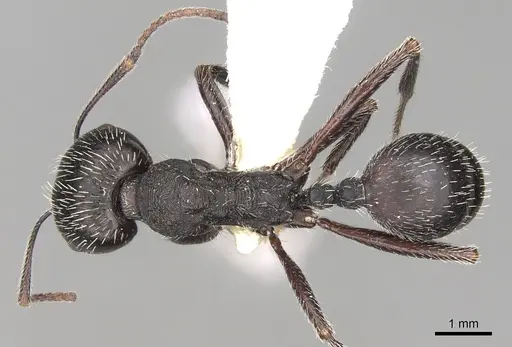
CASENT0915451
View on AntWeb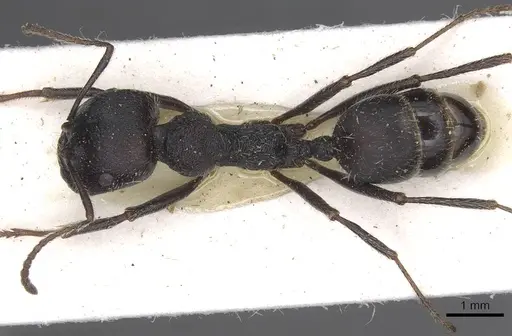
Literature
Loading...Loading products...