

Messor arenarius
- Scientific Name
- Messor arenarius
- Tribe
- Stenammini
- Subfamily
- Myrmicinae
- Author
- Fabricius, 1787
- Distribution
- Found in 7 countries
Messor arenarius Overview
Messor arenarius is an ant species of the genus Messor. It is primarily documented in 7 countries , including Algeria, Egypt, Israel. Detailed taxonomic data and occurrence records can be further explored via authoritative databases such as AntWeb or the Global Biodiversity Information Facility (GBIF).
Messor arenarius
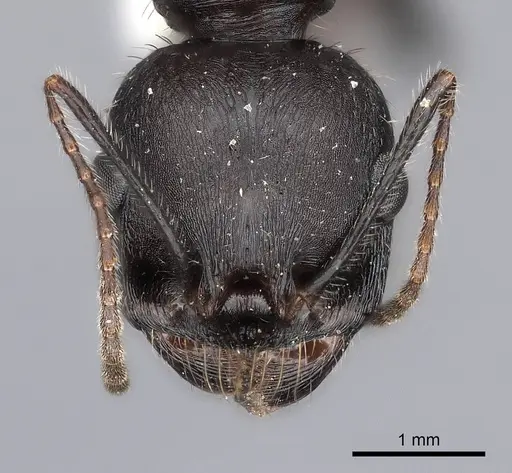
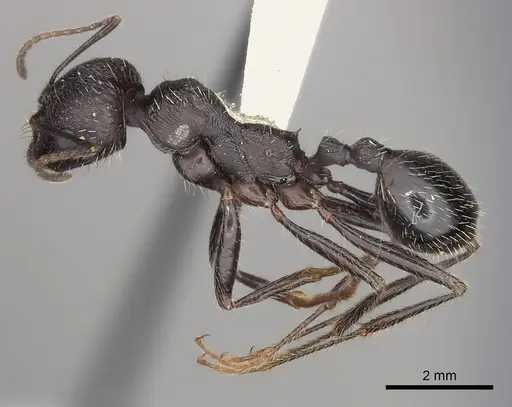
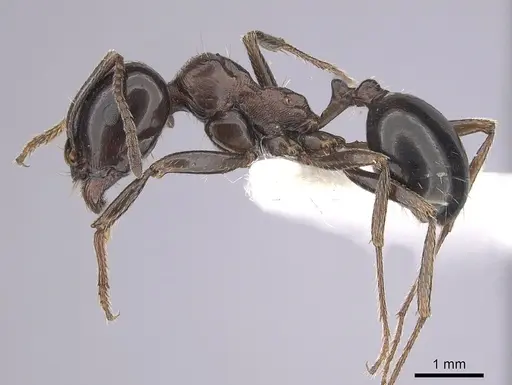
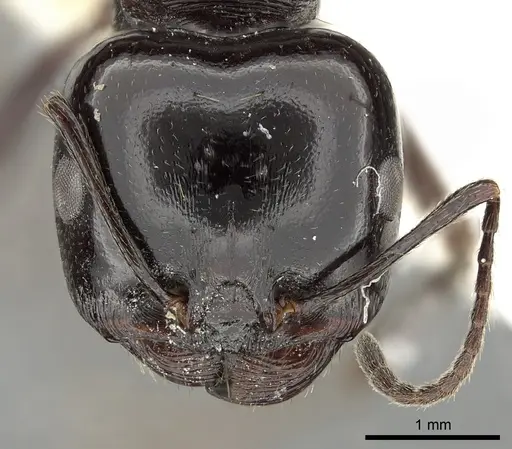
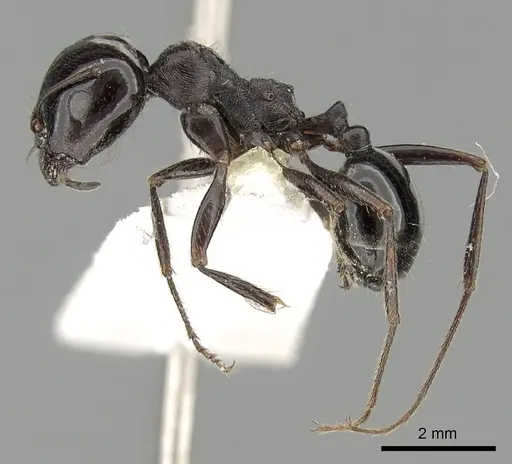
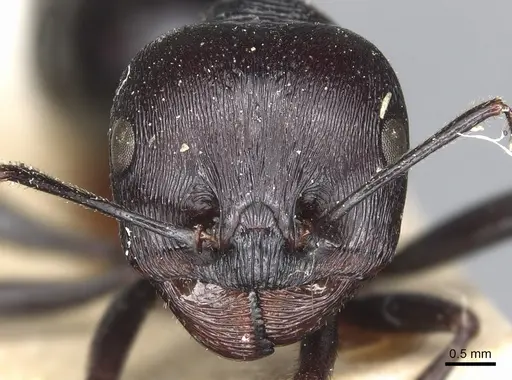
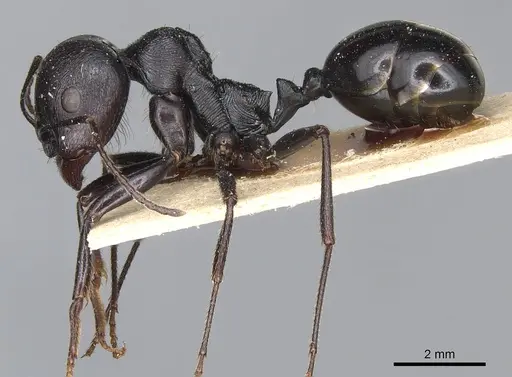
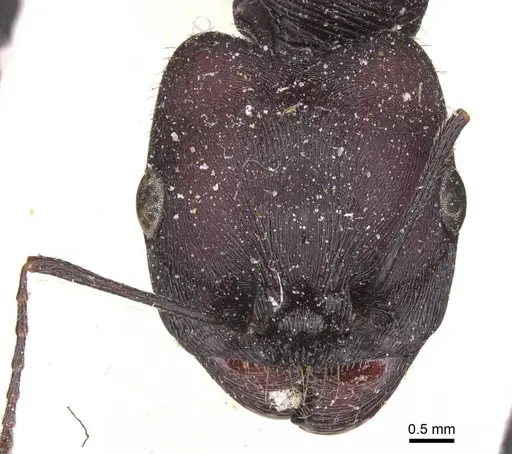
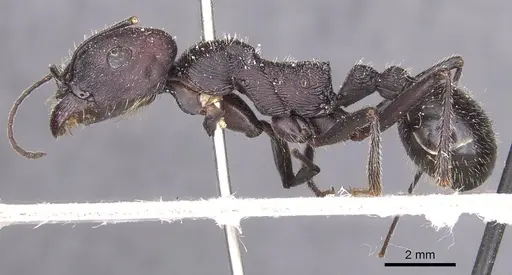
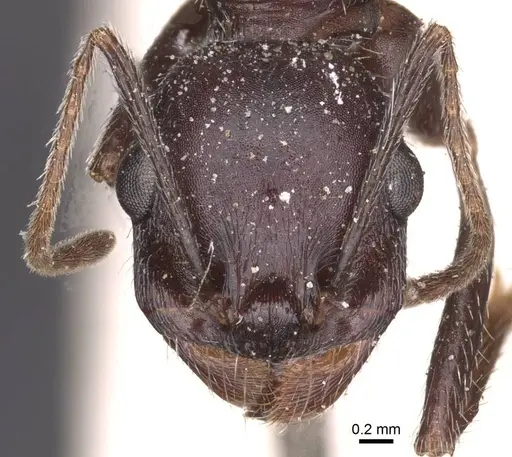
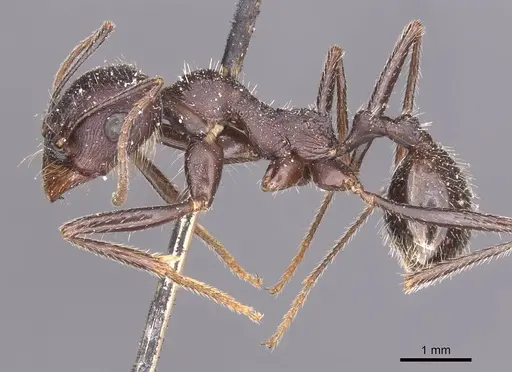
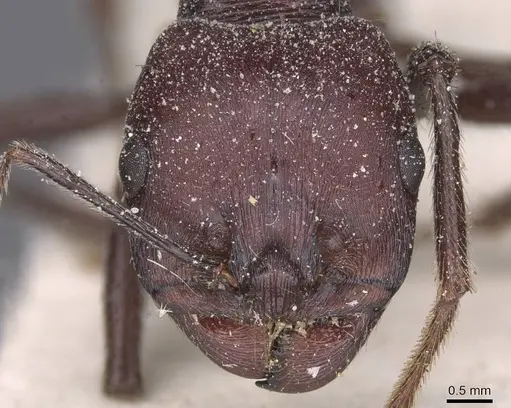
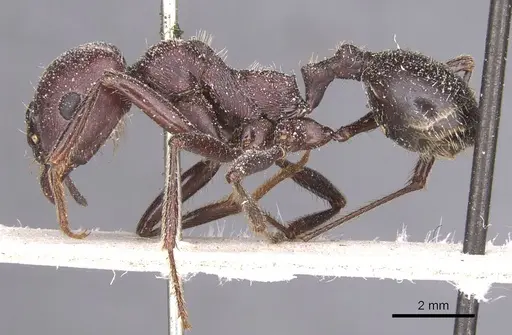
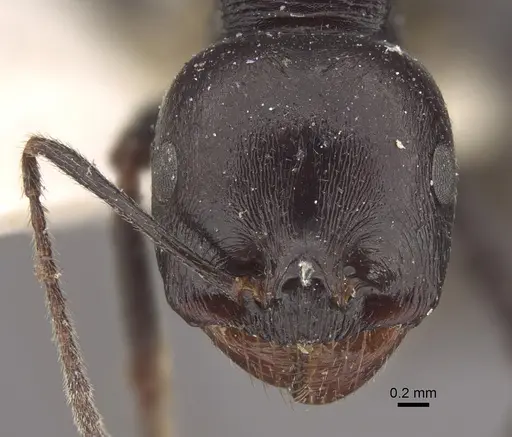
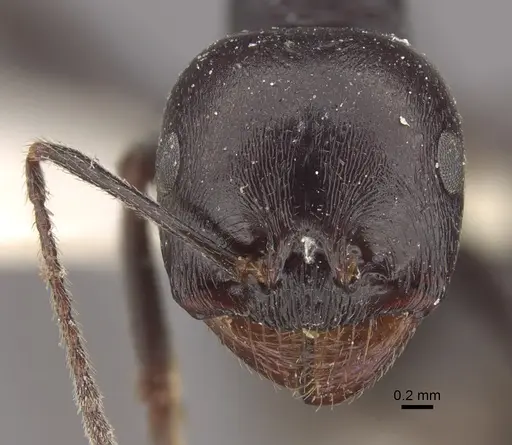
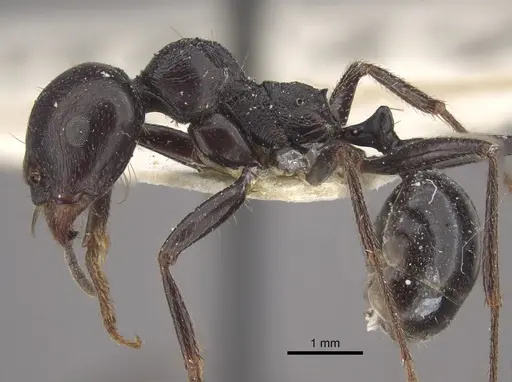
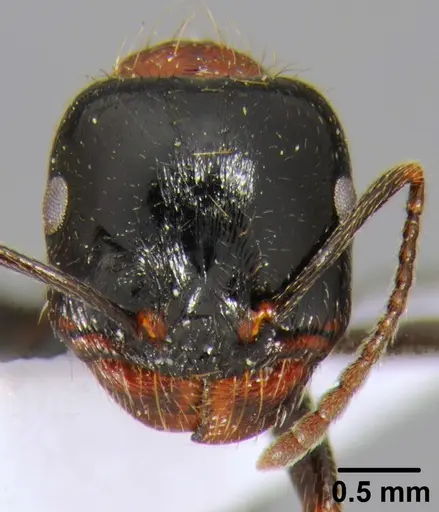
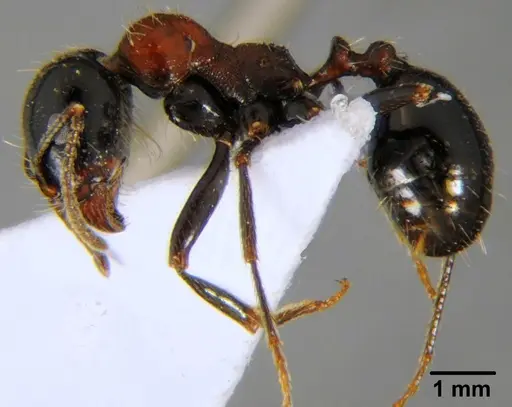
Messor arenarius is one of the largest harvester ant species found across North Africa and the Middle East. Workers are impressively sized at 4.8-13.6mm total length, with a distinctive black to dark brown coloration and a rough, wrinkled body surface covered in erect hairs [1]. They possess small but distinct spines on the propodeum and pectinate spurs on their tibiae. A notable feature is their psammophore, a brush of hairs on the underside of the head used for carrying sand particles [2]. This species is a confirmed seed harvester that forages solitarily or in small groups, with workers matching their body size to the seeds they collect [3][4]. Colonies are highly visible in their preferred habitats, often creating extensive tunnel systems with multiple interconnected chambers [5].
Quick Summary
- Difficulty: Medium
- Origin & Habitat: Native to North Africa and the Middle East, ranging from Morocco to Saudi Arabia across Algeria, Tunisia, Libya, Egypt, Israel, Kuwait, Lebanon, Syria, and Iran [6][2]. This is a sand-loving species that inhabits beaches in Algeria and Tunisia, high plains, Saharan Atlas regions, and arid areas throughout its range [7][1]. Found in coastal sand dunes, kurkar habitats, and desert environments [8].
- Colony Type: Single-queen (monogyne) colonies with documented facultatively polyandrous mating, queens mate with 1-3 males [9]. Colony size reaches approximately 1500 workers in established nests [5].
- Colony: Monogyne
- Founding: Claustral
- Size & Growth:
- Queen: Large (forewing length 15mm) [10]
- Worker: 4.8-13.6mm total length, head width 3.4-4.5mm [1][11]
- Colony: Up to ~1500 workers [5]
- Growth: Moderate
- Development: Unknown for this species, estimates based on related Messor species suggest 6-10 weeks at optimal temperature (Development time is inferred from genus-level data since species-specific measurements are not available)
- Antkeeping:
- Temperature: Keep at 24-30°C. This species is more temperature-sensitive than many other Messor and forages across a wider temperature range [3]. They handle heat well, in summer they forage mainly at night while in spring and fall they are active from dawn to early morning and late afternoon until dusk [3].
- Humidity: Low to moderate. As a desert species, they prefer dry conditions. Provide a dry outworld and a slightly moist nest chamber for brood, but avoid excessive humidity.
- Diapause: Yes, they naturally experience seasonal temperature changes in their native range. Provide a cool period around 15-18°C for 2-3 months during winter.
- Nesting: Y-tong (AAC) nests work well given their large size, or a plaster/acrylic formicarium with chambers scaled to their size. They prefer sandy substrates and will dig if given the opportunity. A naturalistic setup with a sand layer allows natural tunneling behavior.
- Behavior: Generally calm and non-aggressive for a large ant species. Workers forage solitarily or in small groups, showing remarkable size-matching behavior where individual workers collect seeds proportional to their body size [3][4]. They are primarily nocturnal during hot summer months and diurnal during cooler seasons. Despite their large size, they are not aggressive defenders, their main defense is retreating into the nest. Escape prevention is important given their size and activity level, but standard barriers work well. They are impressive, active foragers that create visible foraging trails.
- Common Issues: colonies can become sluggish if temperatures drop below their preferred range, overheating is a risk, provide a cool area in the nest so workers can thermoregulate, seed storage can attract mold if humidity is too high in the outworld, large colonies need significant space, plan for expansion, foundations can be slow to establish, patience is required
Housing and Nest Setup
Messor arenarius is a large, impressive ant that needs appropriately sized housing. A Y-tong (AAC) nest with deep chambers works well, or you can use a plaster/acrylic formicarium with spacious rooms. These ants are natural tunnelers in sandy soil, so a naturalistic setup with a deep sand layer allows them to exhibit their natural building behavior. The nest should have a temperature gradient, warm on one side (around 28-30°C) and cooler on the other (around 22-24°C) so workers can regulate their body temperature. For the outworld, provide a water test tube setup and a foraging area with seeds. Since they store seeds in the nest, ensure good ventilation to prevent mold buildup. [5][3]
Feeding and Diet
As confirmed seed harvesters, their primary diet consists of various grass seeds, flower seeds, and grain. They show size-matching behavior, larger workers collect larger seeds while smaller workers handle smaller items [3][4]. Offer a variety of seeds including millet, chia, flax, and dandelion seeds. They also accept protein sources like small insects (flightless fruit flies, small crickets, mealworms) especially when raising brood. Sugar water or honey can be offered occasionally but is not a primary food source. Remove uneaten seeds periodically to prevent mold. Fresh water should always be available.
Temperature and Seasonal Care
Messor arenarius is more temperature-sensitive than many desert ants, they forage across a wider temperature range than related species like M. ebeninus [3]. Keep the nest at 24-30°C with a gradient. During summer (July-August) in their native Israel, they foraged mainly at night when temperatures dropped. In spring and fall, they shift to dawn-to-morning and late afternoon activity. In captivity, maintain this seasonal shift by providing heating during summer months (making them more active at night if lights are off) and allowing cooler periods in winter. Winter diapause at 15-18°C for 2-3 months helps simulate their natural cycle.
Colony Development and Growth
Colonies grow to approximately 1500 workers [5], with forager counts representing about 10-14% of total population [9]. The species shows pronounced worker polymorphism, workers vary significantly in size, with head widths ranging from 3.4-4.5mm [11]. This polymorphism is linked to their size-matching foraging strategy where larger workers handle larger seeds. Queens are large (forewing 15mm) and colonies are monogyne with facultatively polyandrous mating, queens typically mate with 1-3 males [9]. Relatedness within colonies averages 0.521,which is lower than many ant species due to multiple mating.
Behavior and Foraging
These ants are primarily solitary foragers, though they sometimes forage in small groups [9][3]. They create visible foraging trails and their nests are often easily spotted in their native habitat. Workers show remarkable behavioral flexibility, during hot summer months they shift to nocturnal foraging, while in cooler seasons they become diurnal, foraging from dawn to mid-morning and again in late afternoon [3]. They are not particularly aggressive and will retreat rather than defend. Their large size and active foraging make them entertaining to watch. They compete with and often nest near M. ebeninus in their native range [3].
Frequently Asked Questions
How long does it take for Messor arenarius to raise their first workers?
The exact egg-to-worker timeline has not been directly studied for this species. Based on related Messor species, expect approximately 6-10 weeks from egg to first worker at optimal temperature (around 26-28°C). Founding colonies can be slow to establish, so patience is essential.
Can I keep multiple Messor arenarius queens together?
No. This species is monogyne, meaning colonies have a single queen. Unlike some Messor species, they do not form multi-queen colonies. Attempting to house multiple unrelated queens will result in fighting.
Do Messor arenarius ants sting?
They have a stinger but are not aggressive and rarely use it. Given their large size, they would be capable of delivering a sting if threatened, but they typically retreat into the nest rather than defend. They are considered safe to handle gently.
What temperature range is best for Messor arenarius?
Keep them at 24-30°C with a temperature gradient. They are more temperature-sensitive than many desert ants and forage across a wider temperature range. Provide a warm side around 28-30°C and a cooler side around 22-24°C so workers can self-regulate.
Are Messor arenarius good for beginners?
They are intermediate in difficulty. They are impressive, active ants with interesting foraging behaviors, but they require careful temperature management, a varied seed diet, and patience during colony founding. Their large size makes them easier to observe than smaller species.
Do Messor arenarius need hibernation?
Yes, they benefit from a winter diapause period. Reduce temperatures to 15-18°C for 2-3 months during winter to simulate their natural seasonal cycle in North African and Middle Eastern habitats.
When should I move my colony to a formicarium?
Move them when the colony reaches around 50-100 workers and the test tube becomes crowded. Messor arenarius benefits from a formicarium earlier than some species due to their need for seed storage space and tunneling opportunities.
Why are my Messor arenarius not foraging?
Check temperature first, they become sluggish below 22°C. They may also be in diapause mode if temperatures have dropped. Ensure seeds are available and the outworld is dry. They are nocturnal in summer, so you may simply be observing at the wrong time of day.
References

This caresheet is licensed under CC BY-SA 4.0 .
CASENT0217866
View on AntWeb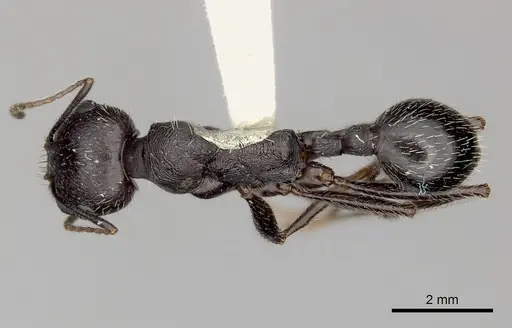
CASENT0249414
View on AntWeb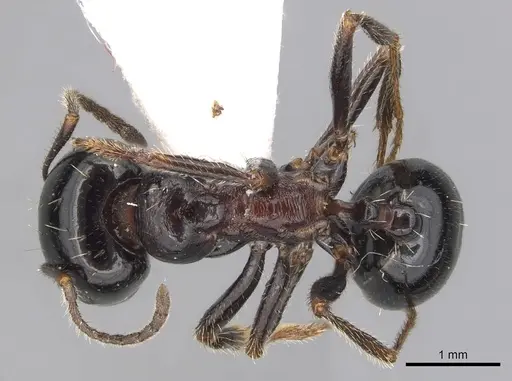
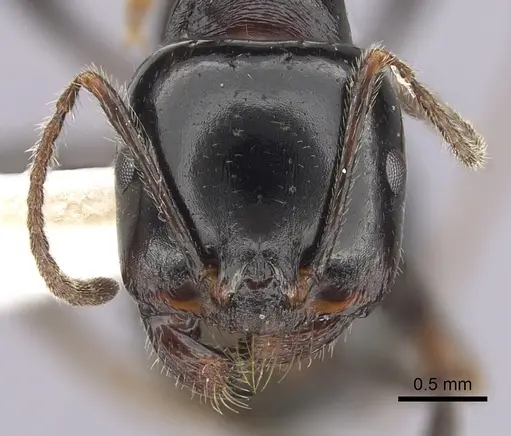
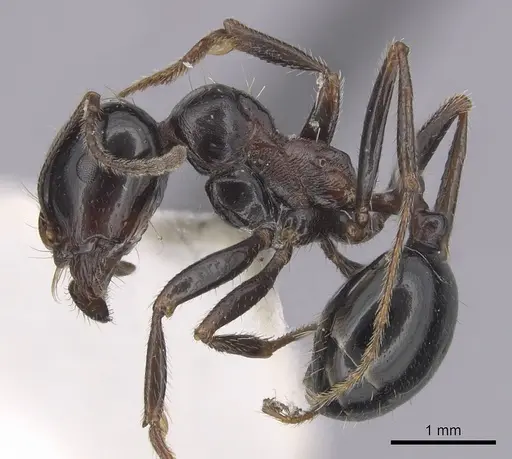
CASENT0249423
View on AntWeb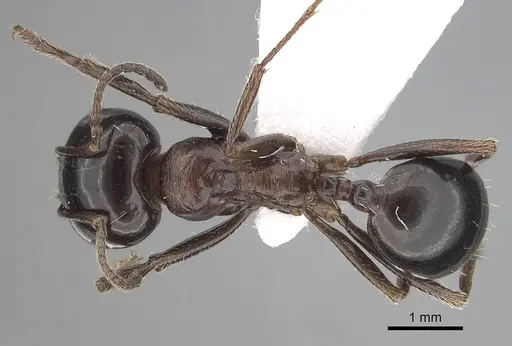
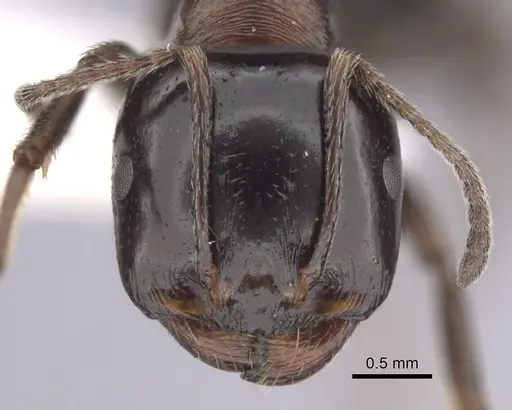
CASENT0249860
View on AntWeb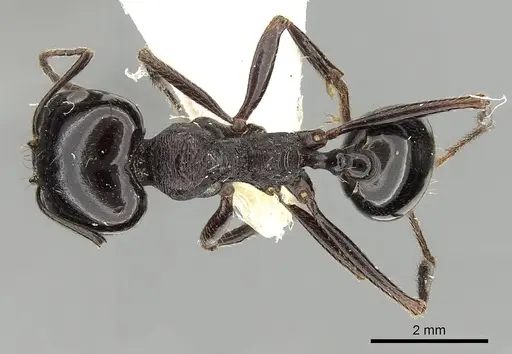
CASENT0904137
View on AntWeb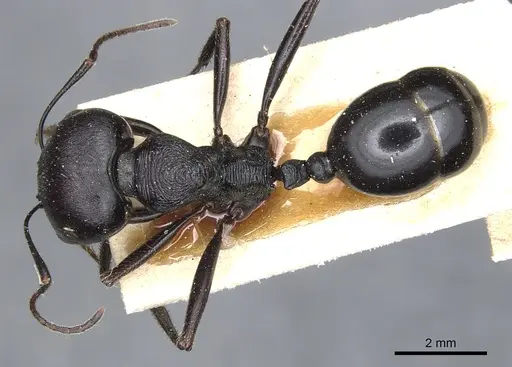
CASENT0913157
View on AntWeb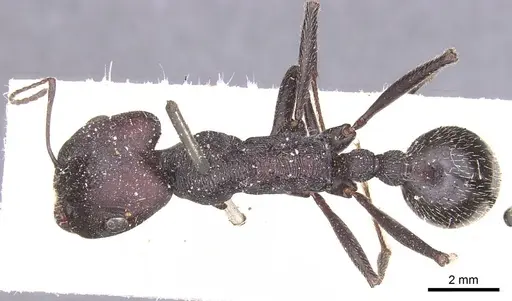
CASENT0913158
View on AntWeb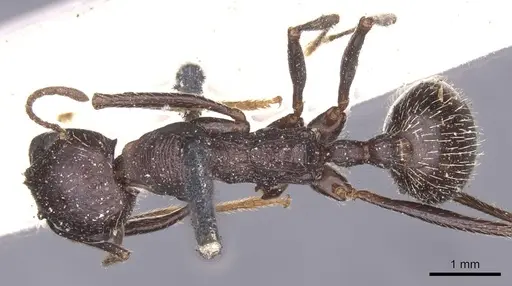
CASENT0913159
View on AntWeb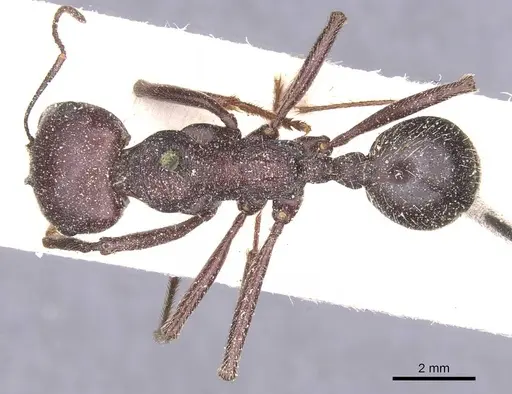
CASENT0917755
View on AntWeb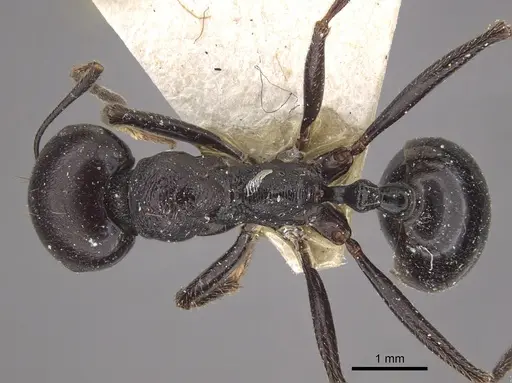
CFH000073
View on AntWeb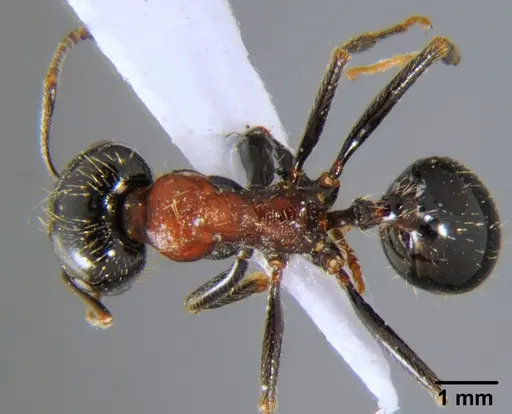
Literature
Loading...Loading products...