

Messor angularis
- Scientific Name
- Messor angularis
- Tribe
- Stenammini
- Subfamily
- Myrmicinae
- Author
- Santschi, 1928
- Distribution
- Found in 2 countries
Messor angularis Overview
Messor angularis is an ant species of the genus Messor. It is primarily documented in 2 countries , including Kenya, Tanzania, United Republic of. Detailed taxonomic data and occurrence records can be further explored via authoritative databases such as AntWeb or the Global Biodiversity Information Facility (GBIF).
Messor angularis
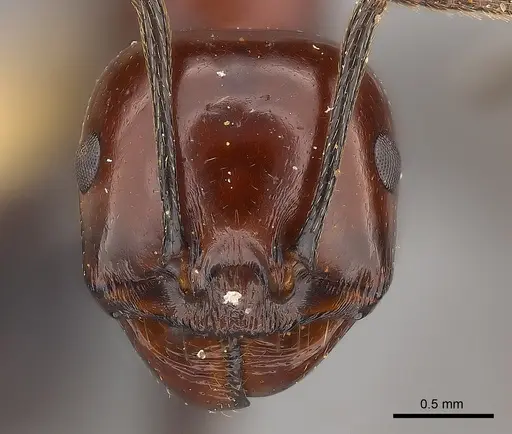
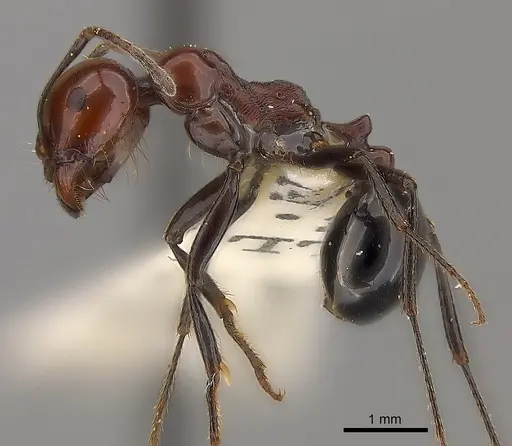
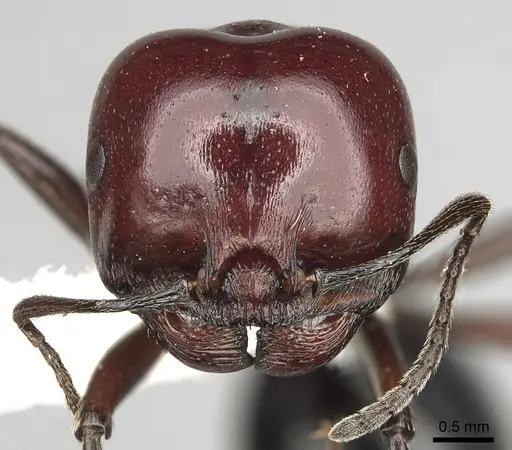
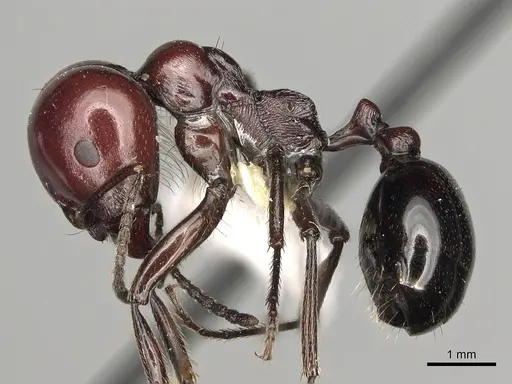
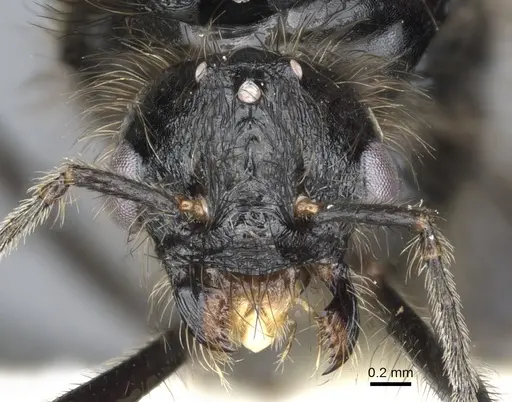
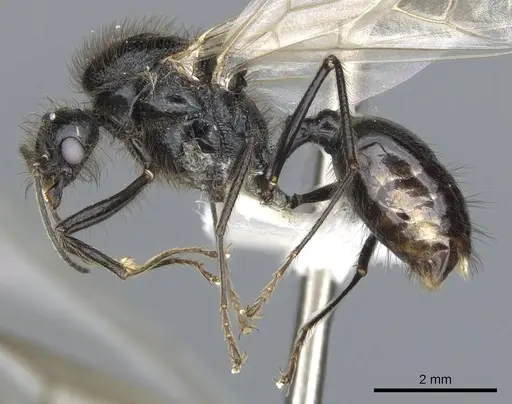
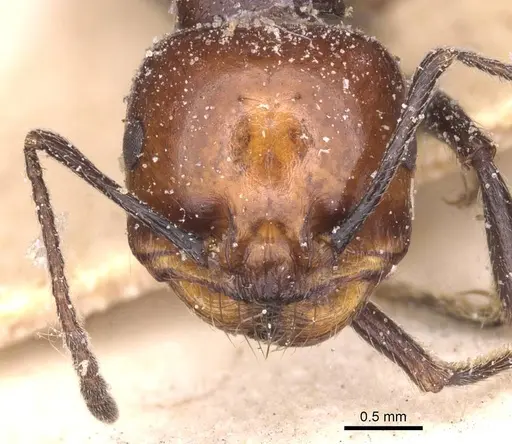
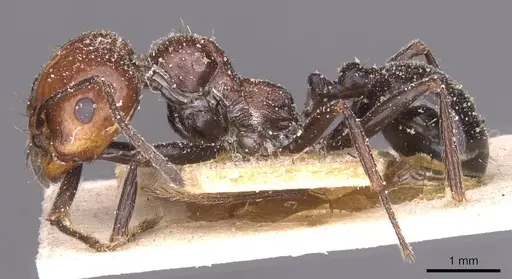
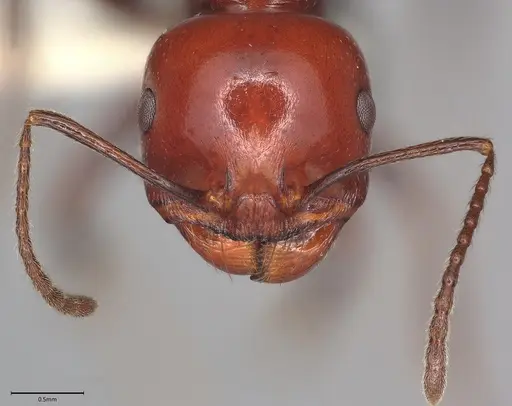
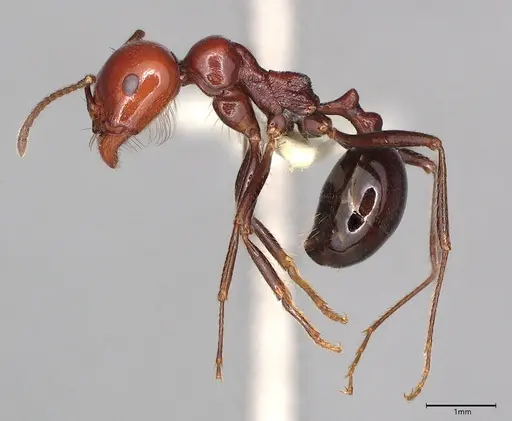
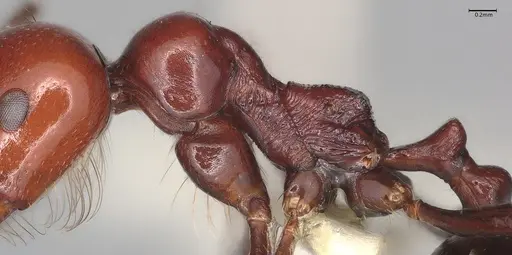
Messor angularis is a medium to large harvester ant native to Kenya, East Africa. Workers measure 2.00-2.75mm in head width, making them smaller than many other Messor species. The species is distinguished by its nearly hairless first gastral tergite (the rear section of the abdomen), which separates it from the closely related and more widespread Messor galla. Coloration is variable but typically features a reddish head and alitrunk (middle body section) with a black gaster, though some specimens appear almost entirely black with only a reddish tint to the head. This species was elevated to full species status by Bolton in 1982 and is currently known only from Kenya, particularly the Naivasha region at around 1900m elevation.
Quick Summary
- Difficulty: Medium
- Origin & Habitat: Kenya, East Africa. Known from the Naivasha region at approximately 1900m elevation in highland areas [1]. The type locality is in the Afrotropical region.
- Colony Type: Colony structure is unconfirmed. Most Messor species are single-queen (monogyne) colonies, but this has not been documented specifically for M. angularis.
- Size & Growth:
- Queen: Unconfirmed, no documented measurements for queens. Based on genus patterns, likely 6-9mm.
- Worker: 2.00-2.75mm head width (HW). Workers are polymorphic with major and minor castes [2].
- Colony: Unknown, no colony size data available for this species.
- Growth: Moderate, inferred from typical Messor development patterns.
- Development: Estimated 6-10 weeks based on typical Messor genus development at optimal temperatures. (Development timeline is not directly studied for this species. Estimates based on related harvester ant patterns.)
- Antkeeping:
- Temperature: Keep at 22-26°C. Based on the Kenyan highland habitat, they likely prefer moderate temperatures rather than extreme heat. A gentle temperature gradient allows ants to regulate their body heat.
- Humidity: Moderate humidity around 50-60%. Provide a water tube as the primary moisture source. Messor ants are adapted to drier conditions than many tropical species.
- Diapause: Likely required. Based on the highland Kenya origin (1900m elevation), expect a winter rest period of 2-3 months at reduced temperatures (15-18°C).
- Nesting: Use a Y-tong (AAC) nest or plaster formicarium with chambers scaled to their medium size. Provide sand or sandy soil as nesting material, as this species is a harvester ant that works with granular substrates.
- Behavior: Messor angularis is a harvester ant species, meaning workers collect and store seeds as their primary food source. Workers are polymorphic (different sizes) with major workers serving as seed processors. The poison gland contains anabasine and pentadecane, which may serve as defensive secretions [3]. Workers are likely moderately aggressive when defending the nest. Escape risk is moderate, use standard barrier methods. As medium-sized ants, they are not extreme escape artists but should be monitored.
- Common Issues: limited data means care requirements are partially inferred from genus patterns, colony structure (single vs multiple queens) is unconfirmed, no documented founding behavior, assume claustral like other Messor species, growth rate is slow compared to many ants, requiring patience, highland origin suggests they need cooler conditions than typical tropical ants
Species Identification and Range
Messor angularis is one of only four sub-Saharan African Messor species that lack hairs on most or all of the first gastral tergite. This distinguishing feature separates it from its closest relative, Messor galla, which is extremely widespread across Africa. The species was originally described as a variety of M. galla but was elevated to full species status by Barry Bolton in 1982. Currently, M. angularis is known only from Kenya, specifically the highland region around Naivasha at approximately 1900 meters elevation. This limited distribution makes it a relatively rare species in both the wild and in antkeeping collections. [2]
Natural History and Foraging
As a harvester ant, Messor angularis likely collects and processes seeds as its primary food source, which is typical of the Messor genus. Workers are polymorphic, meaning they come in different sizes, larger major workers typically process seeds while smaller minors handle foraging and brood care. The poison gland chemistry has been documented to contain anabasine and pentadecane, compounds that likely serve as defensive secretions against predators or competitors [3]. In their natural Kenyan highland habitat, these ants would encounter seasonal variation in seed availability and would store seeds in their nest for lean periods.
Housing and Nest Setup
A Y-tong (AAC) nest or plaster formicarium works well for this medium-sized species. Provide chambers appropriately scaled to their worker size (2-3mm). As harvester ants, they prefer sandy or granular substrate they can move and organize. Include a water tube or moisture reservoir to maintain moderate humidity. Messor ants are generally not aggressive escape artists, but standard barrier methods (fluon on rim edges) should still be used. An outworld area allows workers to forage and discard seed husks away from the nest proper.
Feeding
Messor angularis is primarily a seed-eating ant. Offer a variety of seeds appropriate to their size, smaller seeds work better given their 2-2.75mm worker size. You can also offer protein sources like small insects (fruit flies, small mealworms) occasionally, though seeds should form the staple diet. Unlike purely predatory ants, they do not require constant protein. A small dish of sugar water or honey can be offered occasionally but is not essential for this genus. Remove uneaten seeds periodically to prevent mold.
Temperature and Seasonal Care
Based on their origin in highland Kenya (1900m elevation), Messor angularis prefers moderate temperatures in the 22-26°C range rather than the hot conditions some tropical ants require. A temperature gradient allows workers to regulate their body temperature by moving between warmer and cooler areas of the nest. During winter, expect to provide a hibernation period of 2-3 months at reduced temperatures around 15-18°C, simulating the seasonal conditions of their natural habitat. Reduce feeding during this period and allow the colony to slow down naturally. [1]
Colony Development
Little is known about the specific colony development of Messor angularis. Based on typical Messor patterns, expect claustral founding where the queen seals herself in a chamber and raises the first brood alone using stored fat reserves. The first workers (nanitics) will be smaller than normal workers. Growth rate is moderate, Messor colonies typically develop more slowly than many Myrmicinae. Colony size in the wild is unknown but likely reaches several hundred workers given the typical genus patterns. Patience is required as the colony establishes itself.
Frequently Asked Questions
How long does it take for Messor angularis to produce first workers?
The egg-to-worker timeline is estimated at 6-10 weeks based on typical Messor genus development. This is not directly documented for this species, so actual timing may vary. Expect several months from founding to the first nanitic workers.
What do Messor angularis ants eat?
They are harvester ants, so seeds should form the bulk of their diet. Offer small seeds appropriate to their 2-3mm worker size. You can occasionally supplement with small insects or a drop of sugar water, but seeds are not optional.
Do Messor angularis ants need hibernation?
Yes, likely required. Based on their highland Kenya origin at 1900m elevation, expect to provide a 2-3 month winter rest period at 15-18°C. This simulates their natural seasonal cycle.
Can I keep multiple Messor angularis queens together?
This has not been documented. Most Messor species are single-queen colonies. Do not combine unrelated foundress queens as fighting is likely.
What size colony does Messor angularis reach?
Colony size is not documented in scientific literature. Based on typical Messor patterns, expect several hundred workers at maturity. Growth is moderate and requires patience.
Are Messor angularis ants aggressive?
They are moderately defensive, typical of harvester ants. Workers will defend the nest and brood if threatened. The poison gland contains anabasine and pentadecane, which may serve as chemical defense.
What temperature should I keep Messor angularis at?
Keep nest areas at 22-26°C. Their highland Kenyan origin means they prefer moderate temperatures rather than extreme heat. A gentle gradient allows them to regulate temperature.
Is Messor angularis a good beginner ant?
This species is rated Medium difficulty. Care requirements are partially inferred from genus patterns rather than directly studied, which adds some uncertainty. Harvester ants are generally straightforward to keep but require patience for colony growth.
References

This caresheet is licensed under CC BY-SA 4.0 .
CASENT0217515
View on AntWeb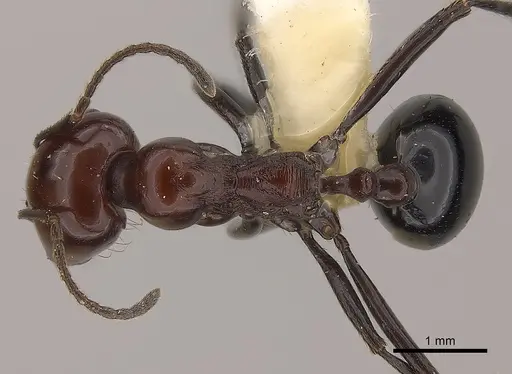
CASENT0217539
View on AntWeb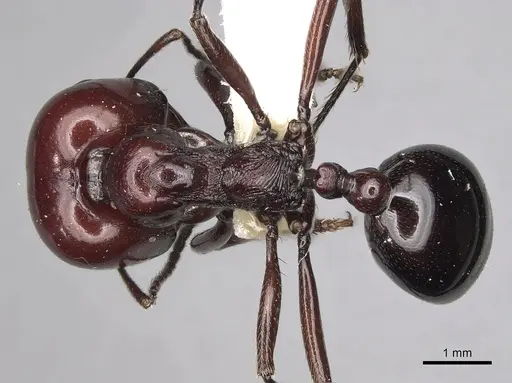
CASENT0903657
View on AntWeb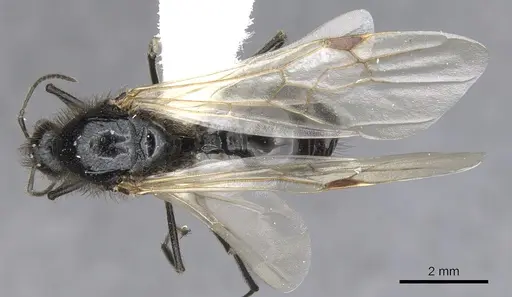
CASENT0913153
View on AntWeb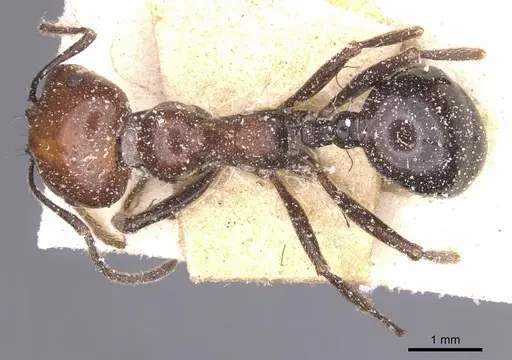
CASENT4036269
View on AntWeb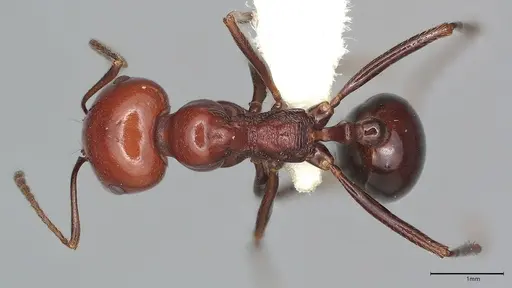
Literature
Loading...Loading products...