

Messor abdelazizi
- Scientific Name
- Messor abdelazizi
- Tribe
- Stenammini
- Subfamily
- Myrmicinae
- Author
- Santschi, 1921
- Distribution
- Found in 1 countries
Messor abdelazizi Overview
Messor abdelazizi is an ant species of the genus Messor. It is primarily documented in 1 countries , including Morocco. Detailed taxonomic data and occurrence records can be further explored via authoritative databases such as AntWeb or the Global Biodiversity Information Facility (GBIF).
Messor abdelazizi
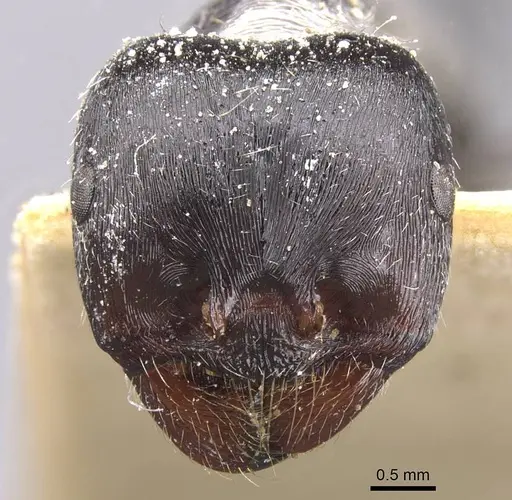
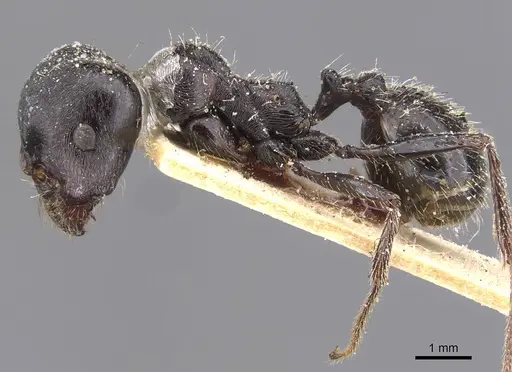
Messor abdelazizi is a striking black harvester ant native to the mountains of Morocco, where it is strictly endemic [1][2]. Workers are robust ants with an angular propodeum (the section behind the thorax) and a smooth to slightly ridged gaster (abdomen) [3]. This species belongs to the Stenammini tribe and is one of several Messor species found in North Africa, known for their habit of collecting and storing seeds as a primary food source. Colonies are typically monogyne, with a single queen establishing the nest and growing into a substantial colony over several years. What makes M. abdelazizi particularly interesting is its preference for high-altitude pastures in the Moroccan Atlas mountains, where it nests at elevations between 1870-2357 meters [4].
Quick Summary
- Difficulty: Medium
- Origin & Habitat: Endemic to Morocco, found primarily in the High and Middle Atlas mountain ranges, as well as southern Atlantic Morocco and the Rif region [2][1]. They inhabit open areas and mountainous pastures at high elevations, often nesting in dry to semi-arid conditions.
- Colony Type: Monogyne (single-queen colonies). A single founding queen establishes the colony and remains the sole reproductive female.
- Colony: Monogyne
- Founding: Claustral
- Size & Growth:
- Queen: Estimated 10-14mm based on typical Messor genus size, not directly measured for this species
- Worker: Estimated 5-10mm based on genus patterns, major workers (soldiers) larger, minor workers smaller
- Colony: Likely several thousand workers at maturity based on genus patterns
- Growth: Moderate, Messor species typically grow steadily but not rapidly
- Development: Estimated 8-12 weeks at optimal temperature based on related Messor species (Development time varies with temperature, warmer conditions within acceptable range speeds development)
- Antkeeping:
- Temperature: Keep at 22-26°C. As a Mediterranean/Moroccan species, they prefer warm conditions but can tolerate room temperature. Provide a gentle temperature gradient if possible.
- Humidity: Keep relatively dry, aim for 40-60% humidity. These are dryland ants from mountainous regions. Provide a water tube for drinking but avoid excessive moisture in the nest.
- Diapause: Yes, provide a winter rest period of 8-12 weeks at 10-15°C. This simulates their natural cycle in the high-altitude Moroccan Atlas.
- Nesting: Use a dry nest setup. Y-tong (AAC), plaster, or test tube setups work well. Ensure good ventilation, Messor ants prefer well-ventilated, dry conditions. Provide a sand or soil area for seed storage behavior.
- Behavior: Generally calm and non-aggressive foragers. Workers actively collect seeds and will store them in the nest, a behavior called 'granary' storage that gives them their 'harvester ant' name. They may also scavenge for small insects and protein sources. Escape risk is moderate, use standard barrier methods. Unlike some tropical ants, they are not aggressive defenders and rarely sting.
- Common Issues: mold growth from overwatering, keep nesting area dry, colonies may fail if kept too cold during development, seed storage can lead to mold if humidity is too high in food storage areas, slow growth in early stages may cause keepers to overfeed, winter dormancy is essential, skipping diapause can weaken colonies
Nest Preferences and Setup
Messor abdelazizi thrives in dry, well-ventilated nest setups. In the wild, they nest in open areas and pastures at high altitude in the Moroccan Atlas mountains [4], so they are adapted to dry conditions with good airflow. A Y-tong (acrylic) nest or plaster nest works well, both allow you to control humidity precisely. Test tubes can work for founding colonies but monitor for mold as the colony grows. The key is keeping the nest itself relatively dry (40-60% humidity) while providing a separate water tube for drinking. These ants are not aggressive escape artists, but standard barrier methods like fluon on container rims are still recommended. Provide a substrate area where workers can sort and store seeds, this is natural behavior for harvester ants.
Feeding and Diet
As harvesters, Messor abdelazizi's primary diet consists of seeds, they collect, process, and store seeds much like a farmer stores grain. Offer a variety of seeds such as grass seeds, millet, or commercial ant seed mixes. However, protein is also essential for brood development. Offer small insects like fruit flies, small crickets, or mealworms approximately twice weekly. Sugar water or honey can be offered occasionally but is not a primary food source for this genus. Remove uneaten seeds periodically to prevent mold. The colony will establish granary chambers where they store seeds, this is normal behavior and actually helps the colony manage food resources.
Temperature and Seasonal Care
Messor abdelazizi comes from the Mediterranean climate of Morocco, specifically the cooler high-altitude regions of the Atlas mountains. They do best at temperatures between 22-26°C during the active season. Room temperature (around 20-22°C) is generally acceptable. During winter, they require a diapause (hibernation) period of 8-12 weeks at temperatures between 10-15°C. This mimics their natural seasonal cycle in the mountains where winters are cool. Do not skip hibernation, it is essential for colony health and triggering proper reproductive cycles. Reduce feeding during diapause and keep the colony in a cool, dark location. [4]
Growth and Development
Like all Messor species, M. abdelazizi starts with claustral founding, the queen seals herself in a chamber, lays eggs, and raises the first workers entirely on her stored fat reserves. The first workers (nanitics) are typically smaller than mature workers. Development from egg to worker takes approximately 8-12 weeks at optimal temperature, though this is estimated based on related species. Growth is moderate, the colony will expand steadily but not explosively. Major workers (soldiers) with larger heads develop as the colony matures. These larger workers are specialized for seed processing. Be patient with founding colonies, they are vulnerable during the first few months and require stable conditions.
Behavior and Colony Dynamics
Messor abdelazizi workers are active foragers that search for seeds and small insects. They are not particularly aggressive and rarely sting, making them manageable in captivity. The colony will establish different chambers for brood, food storage (granaries), and waste. Workers communicate through chemical signals and will recruit nestmates to good food sources. Unlike some ants that use tandem running, Messor species typically forage individually. The presence of major workers (soldiers) with enlarged heads for seed processing is a sign of a healthy, maturing colony. These ants are diurnal, being most active during daylight hours when temperatures are warmest.
Frequently Asked Questions
How long does it take for Messor abdelazizi to produce first workers?
First workers (nanitics) typically appear 8-12 weeks after the queen lays eggs, assuming optimal temperature around 24°C. This is an estimate based on related Messor species.
Do Messor abdelazizi ants need hibernation?
Yes, they require a winter diapause of 8-12 weeks at 10-15°C. This is essential for colony health and triggering reproduction. Skipping hibernation can weaken the colony.
What do Messor abdelazizi eat?
They are seed-eating harvesters. Offer a variety of seeds (grass, millet, commercial seed mixes) as their primary food, plus small insects (fruit flies, small crickets) for protein twice weekly.
Can I keep multiple Messor abdelazizi queens together?
No, this species is monogyne, only one queen per colony. Multiple unrelated queens will fight. Only combine foundresses if you observe them founding peacefully, which is rare.
How big do Messor abdelazizi colonies get?
At maturity, colonies likely reach several thousand workers based on typical Messor genus patterns. This takes several years from founding.
What humidity level do Messor abdelazizi need?
Keep nesting areas relatively dry at 40-60% humidity. These are dryland ants from mountainous Morocco. Provide a separate water tube for drinking.
Are Messor abdelazizi good for beginners?
They are intermediate difficulty. Their dry habitat requirements are straightforward, but the need for proper hibernation and seed-based diet requires some experience.
Do Messor abdelazizi ants sting?
They rarely sting and are not aggressive. Their sting is mild if it occurs. They are considered safe to handle with care.
When should I move Messor abdelazizi to a formicarium?
Keep them in a test tube or small container for the founding stage. Move to a larger nest (Y-tong, plaster, or naturalistic setup) once the colony reaches 50-100 workers and the test tube becomes crowded.
Why are my Messor abdelazizi dying?
Common causes include: too high humidity (causes mold), temperatures below 18°C during development, skipping hibernation, or overfeeding leading to mold in the nest. Check these parameters first.
References

This caresheet is licensed under CC BY-SA 4.0 .
CASENT0913141
View on AntWeb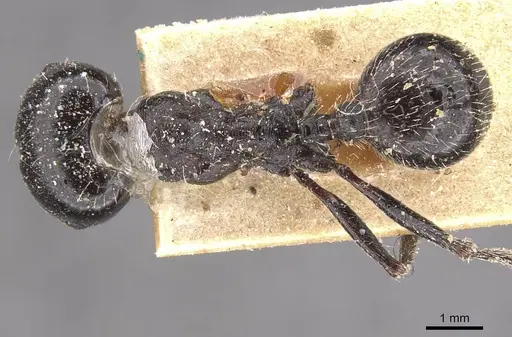
Literature
Loading...Loading products...