

Mesostruma browni
- Scientific Name
- Mesostruma browni
- Tribe
- Attini
- Subfamily
- Myrmicinae
- Author
- Taylor, 1962
- Distribution
- Found in 1 countries
Mesostruma browni Overview
Mesostruma browni is an ant species of the genus Mesostruma. It is primarily documented in 1 countries , including Australia. Detailed taxonomic data and occurrence records can be further explored via authoritative databases such as AntWeb or the Global Biodiversity Information Facility (GBIF).
Mesostruma browni
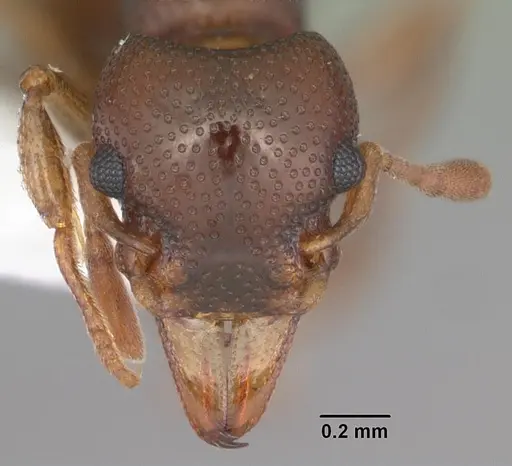
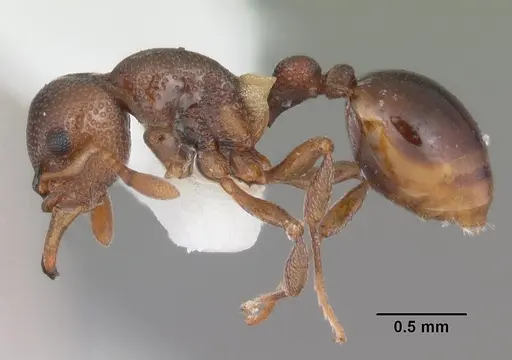
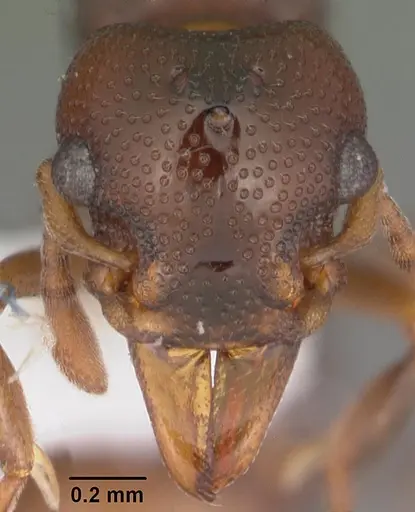
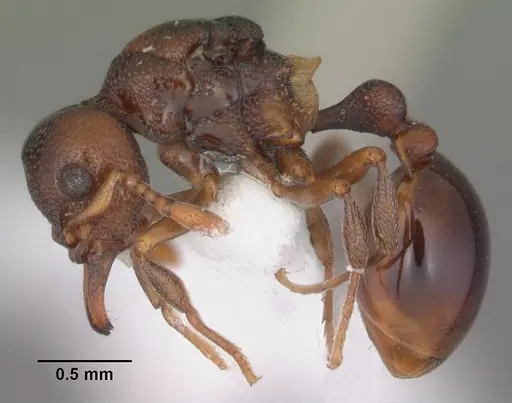
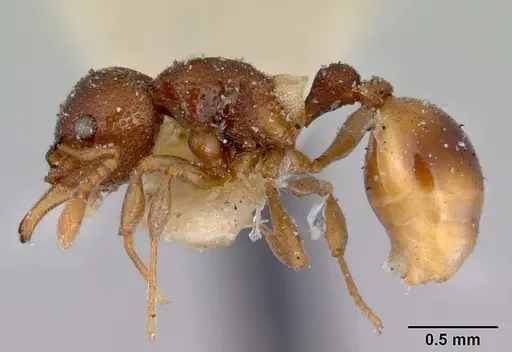
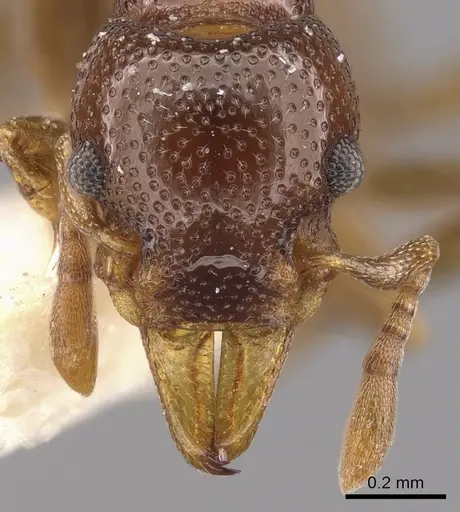
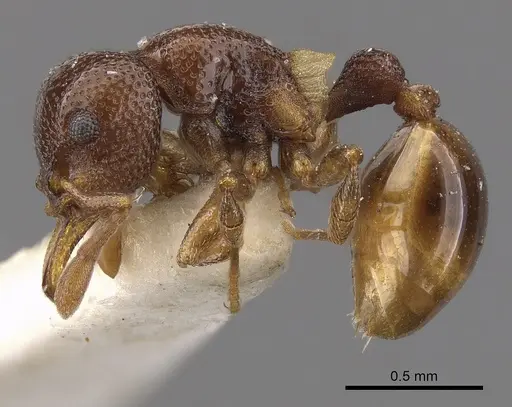
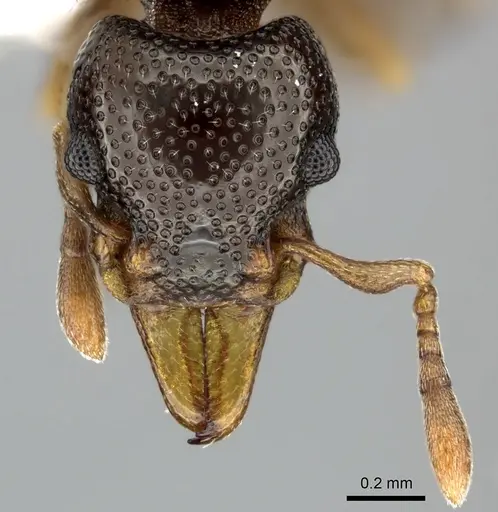
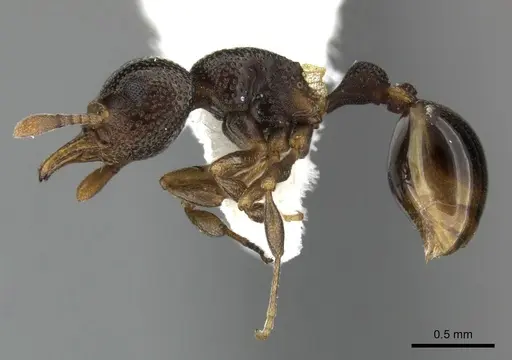
Mesostruma browni is a tiny Australian ant in the tribe Attini (fungus-growing ants). Workers measure just 3.1-3.9mm with a dark honey-yellow coloration [1]. The genus Mesostruma belongs to the Dacetini group, which are specialized fungus-growing ants that cultivate a fungal garden as their primary food source. These ants are found throughout the Australasian region, specifically in Australia [2]. They are similar to the closely related Mesostruma bella but average slightly smaller with a broader head structure. The propodeal lamellae have distinctive sinuate (wavy) upper margins that help distinguish them from related species [1].
Quick Summary
- Difficulty: Hard
- Origin & Habitat: Australia, Australasian region. Specific habitat preferences are not documented, but related dacetine ants typically inhabit forest floor environments in temperate to subtropical regions.
- Colony Type: Colony structure is unconfirmed. As Attini tribe members, they are obligate fungus growers requiring a fungal symbiont for colony survival.
- Size & Growth:
- Queen: Undocumented in available literature, estimated based on worker size and genus patterns at approximately 4-5mm
- Worker: 3.1-3.9mm (TL), HW 0.62-0.74mm [1]
- Colony: Unknown, likely small colonies based on typical dacetine patterns
- Growth: Unknown, likely slow to moderate given fungus cultivation requirements
- Development: Unconfirmed, Attini species typically require 6-10 weeks at warm temperatures, but this has not been studied for this species (Development is likely temperature-dependent like other Attini species. The presence of larvae was described in Wheeler & Wheeler 1973,indicating successful captive rearing has occurred historically.)
- Antkeeping:
- Temperature: Start around 22-26°C based on typical Australian Attini requirements. Adjust based on colony activity and fungus growth. A gentle heat gradient allows the ants to regulate their temperature.
- Humidity: Moderate to high humidity preferred, aim for 60-80%. The fungus garden requires consistent moisture. Keep the nest substrate damp but not waterlogged.
- Diapause: Unknown for this species. Many Australian ants undergo seasonal dormancy, but specific requirements for M. browni are unconfirmed.
- Nesting: Use a test tube setup initially for founding colonies. Once established, a small acrylic or Y-tong nest with tight chambers scaled to their tiny size works well. The nest should retain moisture well to support the fungal garden.
- Behavior: These ants are tiny and relatively docile. As obligate fungus growers, they are not aggressive foragers, they focus on maintaining their fungal garden. Escape prevention is critical due to their very small size (under 4mm). They will readily squeeze through standard test tube barriers without fine mesh. The colony likely remains small and compact.
- Common Issues: obligate fungus dependence, colonies cannot survive without their fungal symbiont, making this species extremely difficult to keep, escape prevention is critical due to tiny worker size, standard barriers may not contain them, slow growth and small colony sizes mean colonies are vulnerable to stress, no established captive diet protocols, what to feed the fungus is unknown, wild-caught colonies may arrive without viable fungus, making establishment nearly impossible
Fungus-Growing Requirements
Mesostruma browni belongs to the tribe Attini, making it an obligate fungus grower. This means the colony cannot survive without maintaining a living fungal garden. The ants cultivate specific fungi for food, feeding the fungus organic material and in return consuming the fungal structures. This is the single most critical factor in keeping this species, without a viable fungal symbiont, the colony will starve regardless of what other food is provided. The fungal garden requires consistent moisture and appropriate temperature to thrive. This makes M. browni one of the most difficult ant species to keep in captivity, as establishing and maintaining the fungal symbiont requires specialized knowledge and careful attention. Do not attempt to keep this species unless you have experience with Attini or other fungus-growing ant species.
Housing and Nest Setup
For founding colonies, use a standard test tube setup with a water reservoir. The chambers should be small and tight-fitting, these are tiny ants that can escape through remarkably small gaps. Once the colony establishes and you can confirm the fungal garden is thriving, consider moving to a small acrylic nest or Y-tong setup. The nest material should retain moisture well to support the fungus. Avoid setups that dry out quickly. A small outworld area allows for feeding without disturbing the nest chamber. Because of their tiny size, use fine mesh on all ventilation holes and ensure lid seals are tight. Standard cotton barriers in test tubes are generally adequate, but monitor for escapes.
Feeding the Colony
The primary food for Attini ants is their fungal garden, not direct feeding. The colony feeds the fungus organic matter, and the ants consume the fungal structures. In captivity, you would need to provide appropriate substrate material for the fungus to grow on. This typically includes small pieces of decaying plant material, leaf litter, or specialized fungal substrates. Research into what specific fungal species Mesostruma browni cultivates would be essential for successful captive maintenance. Direct feeding of sugars or proteins is unlikely to be accepted or useful if the fungal garden is not established. This species should only be attempted by experienced antkeepers with access to proper fungal cultivation knowledge and materials.
Temperature and Seasonal Care
Based on the Australian distribution and typical Attini requirements, maintain temperatures in the warm range of 22-26°C. A slight temperature gradient allows the colony to self-regulate. Room temperature within this range is acceptable. The fungal garden is temperature-sensitive, so stability is important, avoid drafts and sudden temperature changes. Specific hibernation or diapause requirements are unknown for this species. Many Australian ants have seasonal activity patterns, so observe your colony for signs of reduced activity during cooler months. If the colony becomes less active in winter, reduce feeding and ensure the fungus does not die from cold stress. Do not assume they need hibernation unless you observe clear seasonal dormancy behavior.
Frequently Asked Questions
Can I keep Mesostruma browni as a beginner antkeeper?
No, this species is not suitable for beginners. As an obligate fungus grower, it requires maintaining a living fungal garden, something that even experienced antkeepers find extremely challenging. Without the fungal symbiont, the colony will starve regardless of care. Start with easier species like Lasius, Tetramorium, or Camponotus before attempting any Attini species.
What do Mesostruma browni ants eat?
They are obligate fungus growers in the tribe Attini. They do not eat typical ant foods like sugar water or insects directly. Instead, they cultivate a fungal garden and feed on the fungus itself. The colony feeds organic material to the fungus, then consumes the fungal structures. This makes their dietary requirements completely different from standard ant species.
How long does it take for Mesostruma browni to develop from egg to worker?
The development timeline is unconfirmed for this specific species. Attini species typically require 6-10 weeks from egg to worker at optimal temperatures, but this varies significantly by species and depends on fungal garden health. Without established captive protocols, expect a lengthy and uncertain development period.
Can I keep multiple Mesostruma browni queens together?
Colony structure is unconfirmed for this species. Attini typically have single-queen colonies, but polygyny has been documented in some fungus-growing ants. Do not attempt combining unrelated queens without specific knowledge of this species' social structure. Even if multiple queens are possible, the primary challenge is establishing the fungal symbiont, not queen combination.
How big do Mesostruma browni colonies get?
Colony size is unknown but likely remains small. Dacetine ants typically form modest colonies, probably under 100 workers. This species is not a fast-growing colony former. The focus should be on colony longevity and fungus maintenance rather than rapid population growth.
What temperature do Mesostruma browni ants need?
Maintain warm conditions around 22-26°C based on typical Australian Attini requirements. The fungal garden needs warmth to thrive. A heating cable on one side of the nest can create a gradient, but ensure the setup does not dry out the fungus. Room temperature within this range is acceptable.
Why are my Mesostruma browni dying?
The most likely cause is fungal garden failure. Without a viable fungal symbiont, the colony cannot feed and will starve. Other common issues include: escape due to tiny size, stress from disturbance during founding, and inappropriate moisture levels. This species is extremely difficult to maintain long-term even for experienced keepers.
Do Mesostruma browni need hibernation?
Diapause requirements are unknown for this species. Many Australian ants have seasonal activity patterns, but specific requirements for M. browni have not been documented. Observe your colony for natural slowdowns in activity during cooler months before assuming hibernation is needed.
When should I move Mesostruma browni to a formicarium?
Keep them in a test tube setup for as long as possible. Only consider moving once the colony is well-established with a thriving fungal garden and the test tube becomes crowded. The transition is stressful and the new setup must maintain proper moisture for the fungus. Many keepers recommend waiting until the colony has at least 20-30 workers.
References

This caresheet is licensed under CC BY-SA 4.0 .
CASENT0010814
View on AntWeb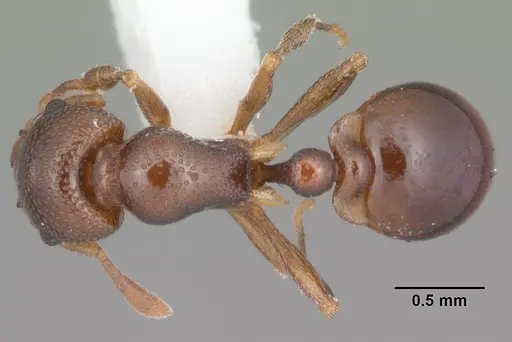
CASENT0010925
View on AntWeb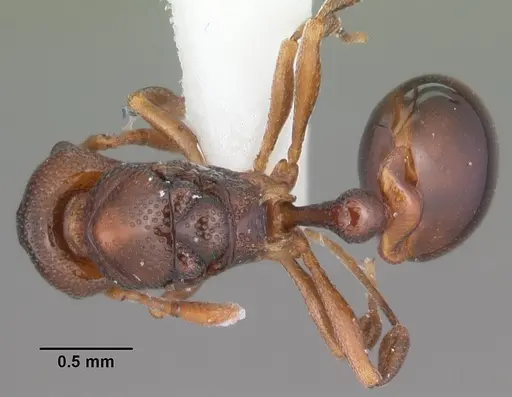
CASENT0172467
View on AntWeb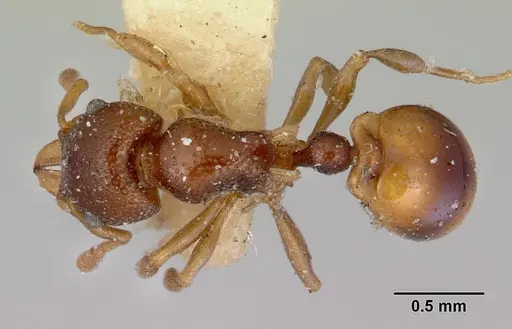
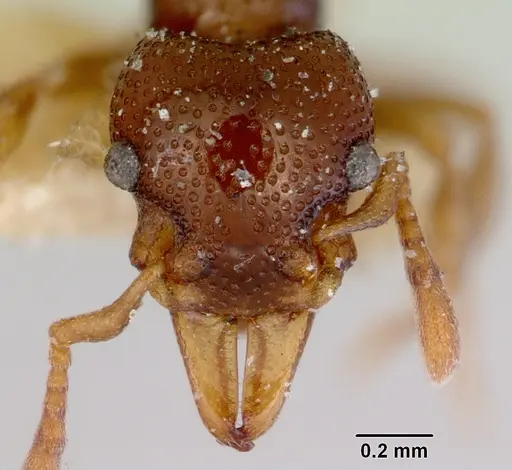
CASENT0900003
View on AntWeb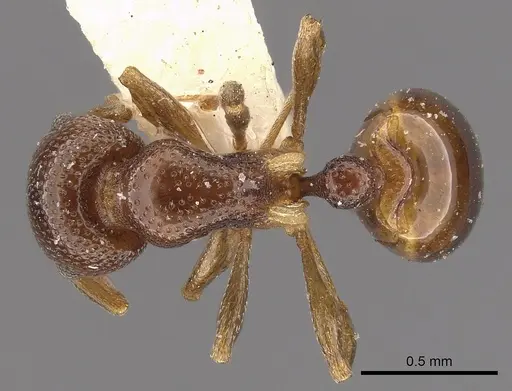
QMT112783
View on AntWeb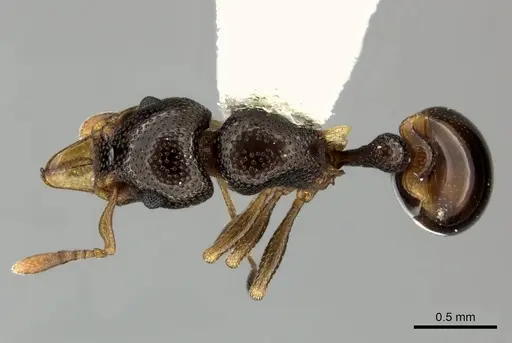
Literature
Loading...Loading products...