

Mesoponera australis
- Scientific Name
- Mesoponera australis
- Tribe
- Ponerini
- Subfamily
- Ponerinae
- Author
- Forel, 1900
- Distribution
- Found in 2 countries
Mesoponera australis Overview
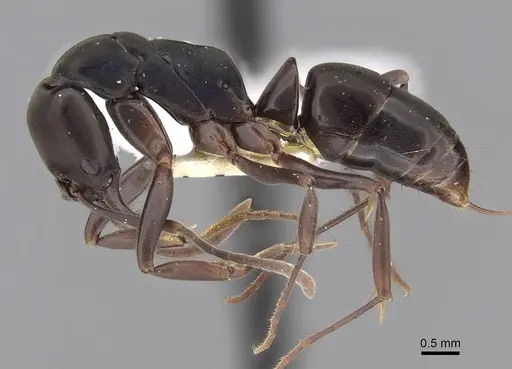
Mesoponera australis is an ant species of the genus Mesoponera. It is primarily documented in 2 countries , including Australia, Papua New Guinea. Detailed taxonomic data and occurrence records can be further explored via authoritative databases such as AntWeb or the Global Biodiversity Information Facility (GBIF).
Mesoponera australis
Mesoponera australis is a medium-sized ponerine ant native to northern Australia and New Guinea. Workers are robust with a powerful sting, typical of the Ponerinae subfamily. The species is found in rainforests and moist habitats across the Australasian region, ranging from sea level to around 800m elevation in Queensland. As a specialist predator, this ant plays an important role in rainforest ecosystems as a predator of other small invertebrates. The species was originally described from Queensland, Australia, and has a Torresian biogeographic affinity, meaning it thrives in tropical and subtropical humid environments.
Quick Summary
- Difficulty: Medium
- Origin & Habitat: Northern Australia and New Guinea. Found in rainforests and moist forested habitats at elevations from 200-800m in Queensland [1]. Torresian biogeographic affinity indicates tropical humid forest preferences [2].
- Colony Type: Colony structure is not well documented in scientific literature. Based on typical Ponerinae patterns, likely single-queen (monogyne) colonies.
- Colony: Monogyne
- Founding: Claustral
- Size & Growth:
- Queen: Estimated 10-12mm based on genus relationships with other Ponerinae, direct measurements not available
- Worker: Estimated 6-9mm based on genus relationships, direct measurements not available
- Colony: Likely moderate colonies of several hundred workers based on typical Ponerinae patterns
- Growth: Moderate, estimated based on genus patterns
- Development: Estimated 8-12 weeks based on typical Ponerinae development at warm temperatures (Development time is estimated from related Ponerinae species, specific data for M. australis is not available)
- Antkeeping:
- Temperature: Keep at 24-28°C. This species comes from warm, humid tropical and subtropical rainforests, so maintain warm conditions year-round. A heating cable on one side of the nest can create a temperature gradient.
- Humidity: High humidity is essential. Keep the nest substrate consistently moist but not waterlogged. Mist occasionally and provide a water source. Think damp rainforest floor conditions.
- Diapause: Unlikely, as a tropical species from northern Australia and New Guinea, they likely do not require a true hibernation period. They may show reduced activity during cooler winter months if room temperature drops.
- Nesting: In nature, they nest in soil and rotting wood in rainforest habitats. In captivity, a naturalistic setup with moist substrate (soil or plaster) works well. Y-tong nests or acrylic nests with moisture reservoirs are suitable options. Keep nesting areas dark and humid.
- Behavior: Mesoponera australis is a specialist predator with active hunting behavior. Workers are likely to be aggressive when defending the nest and have a powerful sting. They are moderate to fast-moving foragers that actively hunt for prey. Escape prevention should be moderate, they are not extremely small but can climb smooth surfaces. They are primarily nocturnal or crepuscular based on typical Ponerinae activity patterns.
- Common Issues: high humidity management can be tricky, too wet causes mold, too dry causes desiccation, specialist predator diet means they need regular live prey, not just sugar water, powerful sting makes them defensive, handle with care, tropical species may struggle in cool rooms without heating, slow colony growth can frustrate beginners, patience is required
Nest Preferences and Housing
Mesoponera australis naturally nests in moist soil and rotting wood within rainforest environments. In captivity, provide a humid nest environment that stays consistently damp. Y-tong (AAC) nests work well because they hold humidity well and provide dark chambers. Acrylic nests with built-in water chambers are another good option. You can also use a naturalistic setup with a soil-filled container. Whatever nest type you choose, ensure the nesting area remains humid but not wet, standing water leads to mold and kills colonies. Keep the nest in a dark location as these ants prefer dark nesting chambers. [1]
Feeding and Diet
As a specialist predator, Mesoponera australis requires live prey to thrive. Feed them small insects like fruit flies, small crickets, mealworms, and other appropriately-sized arthropods. Prey should be smaller than the ants themselves. Offer prey 2-3 times per week, removing any uneaten prey after 24-48 hours to prevent mold. While they are primarily predatory, they may occasionally accept sugar water or honey as an energy source, but this should not be their primary diet. Fresh water should always be available. A varied diet of different prey types helps ensure proper nutrition. [2]
Temperature and Heating
This is a tropical species that requires warm temperatures. Keep the nest area at 24-28°C for optimal colony health and development. Room temperature may be sufficient if your home stays in this range, but you may need a heating cable or heating mat during cooler months. Place any heating element on the OUTSIDE or top of the nest to avoid drying out the substrate too quickly. Create a temperature gradient so workers can choose their preferred warmth. Avoid temperatures below 20°C for extended periods as this can weaken or kill the colony. Consistent warmth is more important than extreme heat. [1]
Humidity Management
High humidity is critical for this rainforest species. The nest substrate should feel consistently moist but never waterlogged. Check the substrate daily and mist if it begins drying out. A water tube attached to the nest helps maintain humidity through evaporation. However, balance is key, too much moisture causes mold and fungal growth that can destroy the colony. Good ventilation helps prevent stagnation while still maintaining humidity. If you see excessive condensation or mold, improve ventilation and reduce watering frequency. The outworld can be kept drier than the nest area. [1]
Behavior and Temperament
Mesoponera australis workers are active hunters and will aggressively defend their nest. They possess a functional sting that can cause pain comparable to other Ponerine ants, handle the colony with care and avoid provoking them. Workers are moderately fast-moving and will readily venture into the outworld to hunt for prey. They are likely most active during evening and nighttime hours, reflecting their tropical forest floor foraging patterns. When keeping this species, use standard escape prevention measures like fluon on container edges, though they are not particularly small or adept at escaping compared to some tiny ant species. [2]
Colony Development
Colony growth is expected to be moderate rather than rapid. A newly mated queen will found her colony alone, sealing herself in a chamber and raising the first brood using her stored fat reserves. The first workers (nanitics) will be smaller than mature workers but immediately capable of hunting and expanding the nest. From there, colony growth depends on temperature, feeding frequency, and overall colony health. Expect several months before the colony reaches double-digit worker numbers, and a year or more to reach 50+ workers. Patience is essential with this species, Ponerine ants simply do not grow as fast as many common genus like Lasius or Camponotus.
Frequently Asked Questions
How long does it take for Mesoponera australis to produce first workers?
Expect first workers (nanitics) to emerge around 8-12 weeks after the queen lays eggs, assuming optimal warm temperatures (24-28°C). This is typical for Ponerinae species. Growth is slower than many common ants, so patience is essential.
Can I keep Mesoponera australis in a test tube setup?
Test tubes can work for founding colonies, but you will need to maintain high humidity which can be difficult in a simple test tube setup. A Y-tong nest or acrylic nest with moisture management is more suitable for this humidity-dependent species.
Do Mesoponera australis ants sting?
Yes, they have a functional sting and will use it defensively. The sting is painful compared to many common ants. Handle with care and avoid disturbing the nest unnecessarily.
What do Mesoponera australis eat?
They are specialist predators that need live prey. Feed small insects like fruit flies, small crickets, mealworms, and other tiny arthropods. They may occasionally accept sugar water but should not rely on it as a primary food source.
Do Mesoponera australis need hibernation?
No, they are a tropical species from northern Australia and New Guinea and do not require hibernation. However, they may reduce activity during cooler winter months if room temperature drops significantly.
Are Mesoponera australis good for beginners?
They are rated as medium difficulty. While not as challenging as some exotic species, their humidity and heating requirements, combined with their specialist predator diet, make them better suited for keepers with some experience.
How big do Mesoponera australis colonies get?
Based on typical Ponerinae patterns, colonies likely reach several hundred workers at maturity. Specific maximum colony size is not documented in scientific literature.
When should I move my colony to a formicarium?
Move them when the test tube or founding setup becomes too crowded, typically when you see 20-30+ workers and the water reservoir is running low. Make sure the new enclosure can maintain high humidity.
Can I keep multiple queens together?
This is not recommended. There is no documentation of pleometrosis (multiple queen founding) for this species, and unrelated queens would likely fight. Keep only one queen per colony.
Why are my Mesoponera australis dying?
Common causes include: too low temperature (below 20°C), incorrect humidity (either too dry or waterlogged), mold from excessive moisture, starvation from lack of live prey, or stress from excessive disturbance. Review your temperature, humidity, and feeding regimen.
References

This caresheet is licensed under CC BY-SA 4.0 .
CASENT0118115
View on AntWeb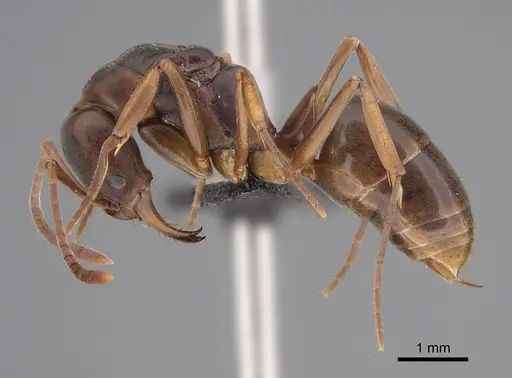
CASENT0281891
View on AntWeb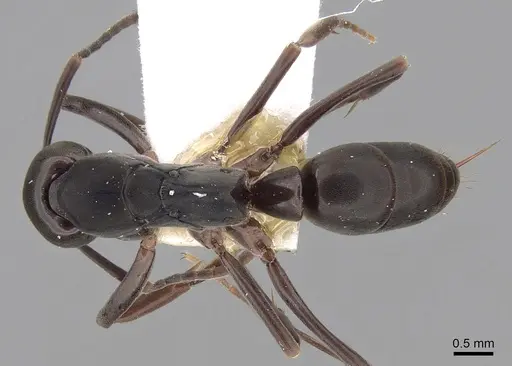
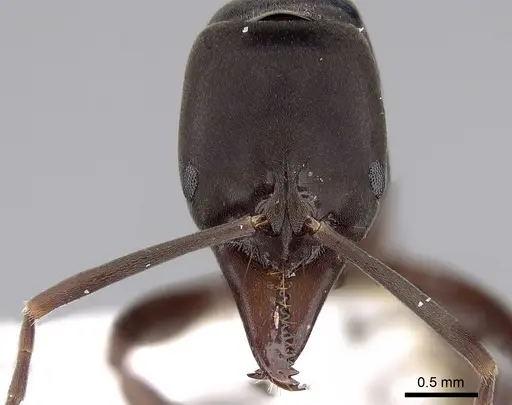
CASENT0887831
View on AntWeb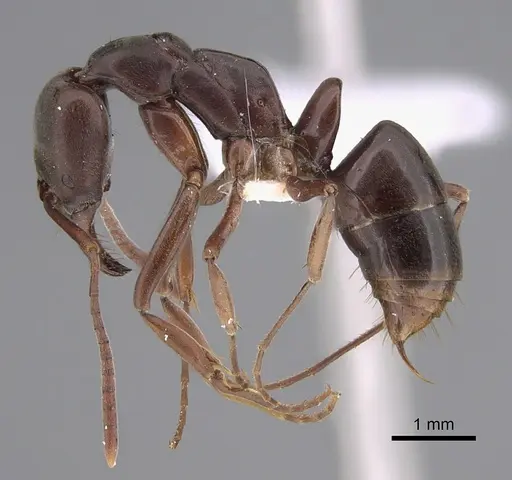
CASENT0907275
View on AntWeb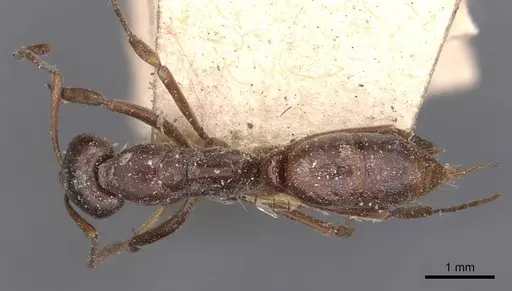
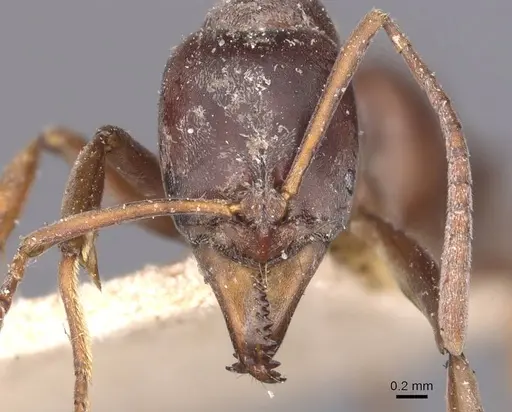
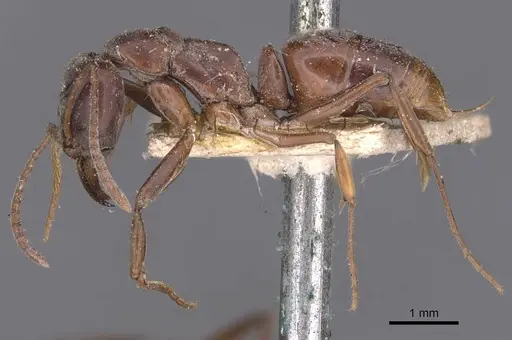
Literature
Loading...Loading products...