

Meranoplus variabilis
- Scientific Name
- Meranoplus variabilis
- Tribe
- Crematogastrini
- Subfamily
- Myrmicinae
- Author
- Schödl, 2007
- Distribution
- Found in 1 countries
Meranoplus variabilis Overview
Meranoplus variabilis is an ant species of the genus Meranoplus. It is primarily documented in 1 countries , including Australia. Detailed taxonomic data and occurrence records can be further explored via authoritative databases such as AntWeb or the Global Biodiversity Information Facility (GBIF).
Meranoplus variabilis
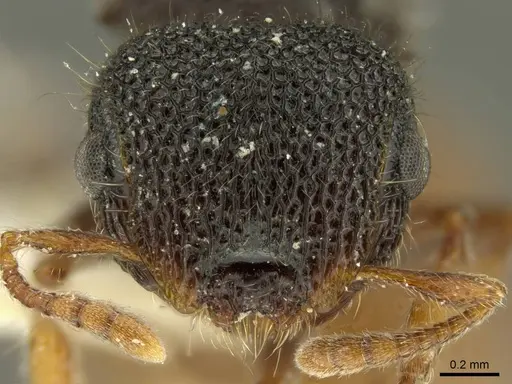
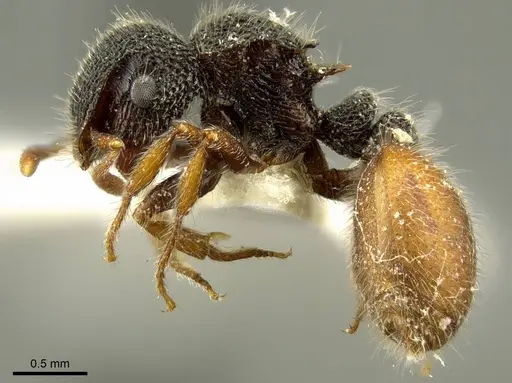
Meranoplus variabilis is a medium-sized Australian shield ant named for the variable shape of its body armor. Workers measure 4-6 mm and carry a distinctive square-ish promesonotal shield, a plate-like structure covering their thorax that gives the genus its common name [1]. Their coloration is strictly bicolored, and they show considerable natural variation in the outline of their shield, the shape of their petiole, and the length of their propodeal spines [1]. These ants inhabit central to south-east Australia, from South Australia through New South Wales to the Northern Territory, where they nest in the ground [1][2]. Unlike many generalist ants, they are granivorous, specializing in seed collection and storage [1].
Quick Summary
- Difficulty: Medium
- Origin & Habitat: Central to south-east Australia, including South Australia, New South Wales, and Northern Territory [1][2]. They nest in the ground in arid and semi-arid regions.
- Colony Type: Likely single-queen colonies based on typical Meranoplus patterns, though this remains unconfirmed for this species.
- Size & Growth:
- Queen: Unknown, likely 6-8 mm based on worker size (estimated).
- Worker: 4.05-6.05 mm [1].
- Colony: Unknown, likely moderate size based on granivorous ground-nesting habits (estimated).
- Growth: Moderate (estimated).
- Development: 8-12 weeks at 25°C (estimated based on similar Australian Myrmicinae). (Timeline is inferred from related granivorous ants, actual development may vary with temperature.)
- Antkeeping:
- Temperature: Warm and stable, roughly 24-28°C. Start at 25°C and adjust based on colony activity.
- Humidity: Moderate humidity with well-draining substrate. Provide a moisture gradient from damp to dry areas.
- Diapause: Unknown, likely minimal or none given central Australian distribution, though winter slowdown may occur.
- Nesting: Ground-nesting species requiring deep substrate. Use naturalistic setups with 10-15 cm of soil or sand, or deep Y-tong nests with bottom hydration [1].
- Behavior: Granivorous foragers that collect and store seeds. They show moderate activity levels and forage during the day. The promesonotal shield likely provides defense against predators. Workers are 4-6 mm, requiring secure lids but not extreme micro-mesh barriers [1].
- Common Issues: colonies may starve if offered only standard ant foods instead of appropriate seeds., test tube setups stress ground-nesting queens, they need substrate immediately., desiccation risk if kept too dry without access to moisture gradients., mold outbreaks in closed nests due to seed storage and organic debris., limited captive breeding data means care protocols remain experimental.
Nest Preferences
In nature, Meranoplus variabilis nests in the ground, and your captive setup should reflect this [1]. Avoid standard vertical formicaria with small chambers. Instead, provide deep substrate, at least 10-15 cm of sandy soil or a sand-clay mix, that allows the colony to dig their own tunnels and chambers. A naturalistic setup in a large container with a soil bottom works well, as do deep Y-tong nests with bottom hydration ports. The nest should have a moisture gradient: one side damp but not waterlogged, the other drier, allowing the ants to choose their preferred humidity. Good drainage is essential, standing water will kill ground-nesting ants quickly.
Feeding and Diet
These ants are granivorous, meaning seeds form the bulk of their diet [1]. In captivity, offer a mix of small seeds: canary seed, millet, chia, and amaranth work well. Provide seeds dry in a small dish, and replace them if they mold. You will also need to offer protein sources, especially during brood rearing: small insects like fruit flies, springtails, or tiny pieces of mealworm. They may accept sugar water or honey water, but seeds are critical to their nutrition. Do not rely solely on standard ant jelly or sugar sources. Watch that stored seeds do not mold in the humid nest environment.
Temperature and Care
Coming from central and south-east Australia, these ants prefer warm conditions. Keep them at roughly 24-28°C with a stable temperature. You can achieve this with a heating cable or mat placed on one side of the nest, creating a gradient so the colony can thermoregulate. Avoid temperatures below 18°C for extended periods. Humidity should be moderate, the substrate should feel damp but not wet when you touch it. Ventilation is important to prevent mold from seed storage, but avoid strong drafts that dry out the substrate. Whether they need hibernation is unknown, but being from interior Australia, they likely remain active year-round with only a slight winter slowdown. [1]
Behavior and Temperament
Meranoplus variabilis are daytime foragers that collect seeds and bring them back to the nest. The prominent promesonotal shield, the plate-like structure covering their back, likely serves as armor against predators and possibly to block nest entrances. They are not particularly aggressive but will defend their seeds and brood. Workers are medium-sized at 4-6 mm, so standard escape prevention like Fluon or baby powder barriers on vertical surfaces works well, though you should ensure lids fit tightly as they can climb rough surfaces. They are not known for stinging, and their size makes them manageable for careful keepers. [1]
Growth and Development
Specific development timelines for Meranoplus variabilis are not documented. Based on related Australian Myrmicinae of similar size, expect roughly 8-12 weeks from egg to worker at 25°C. The first workers (nanitics) may be smaller than subsequent generations. Growth rate depends heavily on temperature and food availability, with abundant seeds and warmth, colonies should grow steadily, but they are unlikely to explode in numbers like some tropical species. Patience is required, especially during the founding stage where the queen must establish the colony alone.
Frequently Asked Questions
Can I keep Meranoplus variabilis in a test tube?
Test tubes are not recommended for this species. They are ground-nesting ants that need to dig in substrate immediately. A test tube setup will likely stress the queen and lead to colony failure. Use a small container with 5-10 cm of soil or sand instead.
What do Meranoplus variabilis eat?
They are granivorous, meaning they specialize in eating seeds. Offer small seeds like millet, canary seed, and chia. They also need protein from small insects like fruit flies or springtails, especially when raising brood. Seeds are essential, they cannot thrive on sugar water alone.
How long until Meranoplus variabilis get their first workers?
The exact timeline is unknown, but based on similar Australian ants, expect roughly 8-12 weeks from egg to first worker at 25°C. Keep the queen warm and undisturbed during this period.
Do Meranoplus variabilis need hibernation?
It is unknown if they require hibernation. Coming from central Australia, they likely remain active year-round, though they may slow down slightly in winter. If kept below 20°C, they may become less active, but true diapause requirements are unconfirmed.
Are Meranoplus variabilis good for beginners?
They are moderate difficulty. While not aggressive, they require specific care: ground-nesting setups, seed-based diets, and warm temperatures. The lack of captive breeding data also means you will be figuring out some care aspects yourself. Beginners might start with more commonly kept species first.
How big do Meranoplus variabilis colonies get?
Maximum colony size is unknown. Based on their biology, they likely reach moderate sizes of a few hundred to perhaps a thousand workers, but this is estimated from similar granivorous ground-nesting ants.
What is the promesonotal shield for?
The shield-like plate on their thorax is thought to be defensive. It may protect them from predators, help them block nest entrances, or serve as camouflage against the soil. It gives them the common name 'shield ants.'
Can I keep multiple Meranoplus variabilis queens together?
Combining multiple queens is not recommended. While their exact colony structure is unconfirmed, most Meranoplus species are single-queen colonies. Unrelated queens will likely fight, and pleometrosis (cooperative founding) has not been documented in this species.
References

This caresheet is licensed under CC BY-SA 4.0 .
CASENT0919726
View on AntWeb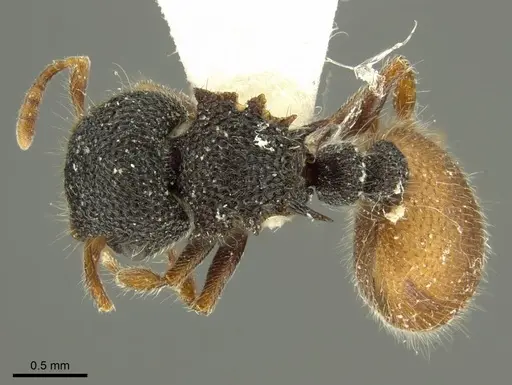
Literature
Loading...Loading products...