

Meranoplus unicolor
- Scientific Name
- Meranoplus unicolor
- Tribe
- Crematogastrini
- Subfamily
- Myrmicinae
- Author
- Forel, 1902
- Distribution
- Found in 1 countries
Meranoplus unicolor Overview
Meranoplus unicolor is an ant species of the genus Meranoplus. It is primarily documented in 1 countries , including Australia. Detailed taxonomic data and occurrence records can be further explored via authoritative databases such as AntWeb or the Global Biodiversity Information Facility (GBIF).
Meranoplus unicolor
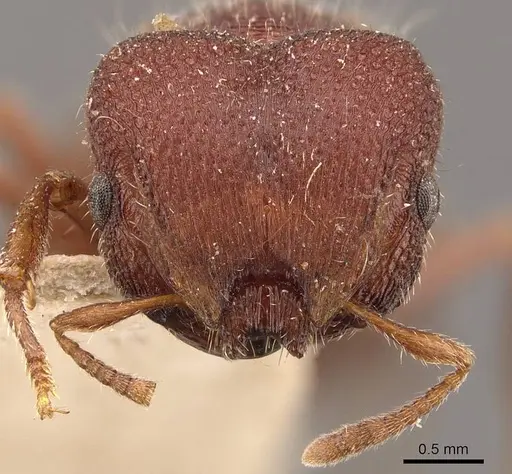
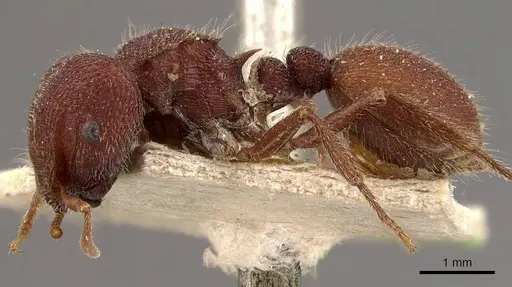
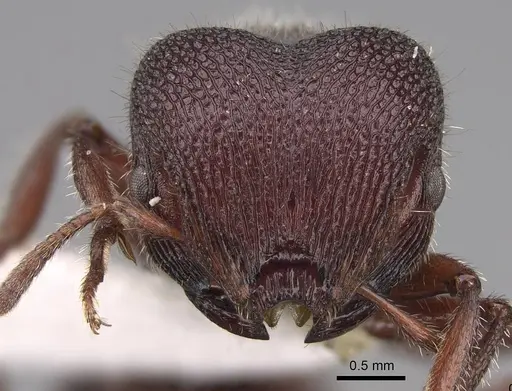
Meranoplus unicolor is a medium-sized myrmicine ant native to Australia, ranging from the Kimberley region through central Australia to the northeast coast of Queensland. Workers measure 6.15-8.40 mm in total length, with a distinctive appearance featuring a broad, box-shaped head that is wider than long, prominent propodeal spines, and a characteristically striated (grooved) gaster. The species is uniformly brown to dark-brown in color, though some regional variation exists in body sculpture intensity. This ant nests in the ground and is granivorous, meaning it collects and consumes seeds as a primary food source. The species was originally described as a subspecies of M. diversus but was raised to full species status in 1990.
Quick Summary
- Difficulty: Medium
- Origin & Habitat: Native to Australia, occurring from the Kimberley region in Western Australia through central Australia to the northeast coast of Queensland. Found in ground nests in arid and semi-arid habitats [1][2].
- Colony Type: Colony structure is not well-documented in scientific literature. Based on typical Meranoplus genus patterns, colonies are likely single-queen (monogyne), but this requires confirmation through targeted observation.
- Colony: Monogyne
- Founding: Claustral
- Size & Growth:
- Queen: Undocumented, no queen measurements available in primary literature
- Worker: 6.15-8.40 mm total length (HL 1.66-2.15 mm, HW 1.78-2.37 mm) [1]
- Colony: Undocumented, no colony size data available
- Growth: Moderate, estimated based on typical Myrmicinae development patterns
- Development: Estimated 6-10 weeks at optimal temperature based on related Myrmicinae species (Development time is inferred from genus-level patterns since species-specific data is unavailable. Temperature will significantly impact development speed.)
- Antkeeping:
- Temperature: Based on Australian distribution across warm interior regions, aim for 24-30°C with a gentle gradient. Room temperature (22-26°C) is likely suitable for most of the year. Provide a slight warmth gradient so ants can self-regulate.
- Humidity: Keep nest substrate moderately moist but not waterlogged. Being a ground-nesting species from arid to semi-arid Australia, they prefer conditions that are drier than tropical ants, allow the surface to dry slightly between water additions. Provide a moisture gradient within the nest.
- Diapause: Yes, Australian ants from temperate regions typically require a winter rest period. Reduce temperature to 15-18°C for 2-3 months during winter months (Southern Hemisphere: June-August, or adapt to your local calendar).
- Nesting: Ground-nesting species that prefers soil-based setups. A naturalistic setup with compact soil or a plaster/acrylic nest with soil chambers works well. Avoid overly humid conditions that could cause mold. Provide moderate chamber sizes scaled to their medium size.
- Behavior: Granivorous ants that actively collect and process seeds. They are moderate foragers and will venture out to gather food. Workers are not particularly aggressive toward humans but will defend their nest. Medium size means escape prevention should be adequate, they cannot squeeze through standard test tube barriers but may explore small gaps. Activity level is typical for ground-nesting ants, most active during warmer months.
- Common Issues: humidity management is critical, overwatering leads to mold that can kill colonies, winter diapause is often overlooked, failing to provide proper rest period weakens colonies, seed collection may be difficult in captivity, ensure a constant supply of appropriate small seeds, slow founding phase, claustral queens seal themselves in and may not emerge for months, leading keepers to check too frequently and disturb the nest, ground-nesting means they may excavate and rearrange their enclosure more than arboreal species
Nest Preferences and Housing
Meranoplus unicolor is a ground-nesting species that naturally excavates chambers in soil. In captivity, they do well in naturalistic setups with compact, slightly sandy soil that allows for excavation behavior. A plaster or acrylic nest with soil-filled chambers also works well, giving them the damp substrate they need while allowing you to observe colony activity. The nest should have chambers sized appropriately for medium-sized ants, roughly 10-15mm wide passages and chambers. Because they come from arid to semi-arid regions of central Australia, avoid creating overly humid, tropical-style setups. A moisture gradient within the nest (damp soil on one side, drier on the other) lets the ants self-regulate. The outworld should be simple and easy to clean, with a secure escape barrier since medium-sized workers can explore small gaps. [1][2]
Feeding and Diet
As a granivorous species, Meranoplus unicolor naturally collects and consumes seeds. In captivity, provide a constant supply of small seeds appropriate to their size, grass seeds, millet, chia, and similar small seeds work well. They will crack open seeds to access the nutritious endosperm inside. Beyond seeds, they also accept protein sources like small insects (fruit flies, pinhead crickets, mealworms) and can be offered sugar water or honey as an energy source, though seeds should form the staple diet. Feed protein 1-2 times per week, and ensure seeds are always available. Remove any uneaten seeds or prey that becomes moldy to prevent health issues. Fresh water should be constantly available, either through a water tube with a cotton wick or by moistening the nest substrate. [1]
Temperature and Seasonal Care
Being an Australian species from warm interior regions, Meranoplus unicolor prefers temperatures in the range of 24-30°C. Room temperature (22-26°C) is typically suitable, but a slight warmth gradient in the nest encourages natural behavior, place a heating cable or mat on one side of the nest (on top, not underneath, to prevent excessive drying). During the active summer months (Southern Hemisphere: roughly November-March), keep them warm and well-fed to support colony growth. In winter, reduce temperatures to 15-18°C to simulate their natural seasonal cycle. This winter rest period of 2-3 months is important for colony health, it allows the queen to rest and helps synchronize the colony's annual cycle. Do not feed during deep diapause, but ensure water is available. [1][2]
Behavior and Colony Dynamics
Workers of Meranoplus unicolor are medium-sized and relatively robust. They are daytime foragers that actively search for seeds and small prey. The colony will establish a network of trails between the nest and food sources. Workers are not particularly aggressive toward keepers but will defend their nest if threatened, they possess a functional stinger typical of Myrmicinae, though the sting is mild for humans. The species shows typical Myrmicinae social structure with a single reproductive queen. During nuptial flights (timing unconfirmed but likely during warmer months), winged reproductives will emerge and take flight. After mating, new queens shed their wings and dig founding chambers underground. The founding phase can be lengthy, the queen seals herself in and may take several months to raise the first workers (nanitics), which are typically smaller than mature workers. [1]
Growth and Development
The development timeline from egg to worker is estimated at 6-10 weeks at optimal temperature, based on typical Myrmicinae patterns. The exact duration depends on temperature, warmer conditions speed development while cooler temperatures slow it. The first workers (nanitics) are usually smaller than normal workers and may have slightly softer exoskeletons initially. After the nanitics emerge, the queen stops foraging entirely and is fed exclusively by workers. The colony then enters a growth phase where worker numbers increase gradually. Growth rate is moderate, expect several months before the colony reaches 20-30 workers, and a year or more to reach 100+ workers. Patience is key with this species, as founding colonies can appear dormant for extended periods while the queen develops the first brood.
Common Keeping Problems
Several issues commonly affect Meranoplus unicolor in captivity. Overwatering is the most frequent problem, because they come from arid Australia, excessive moisture causes mold that can quickly kill a colony. Water only when the substrate surface dries, and ensure good ventilation. Another common mistake is disturbing the founding queen too frequently, claustral queens seal themselves away and checking the nest too often causes stress that may lead to queen death. Trust the process and wait for workers to appear. Failing to provide proper winter diapause weakens colonies over time, they need that rest period to stay healthy long-term. Finally, seed availability is essential, without a constant seed source, the colony will struggle. Start with a variety of small seeds to see which ones they prefer.
Frequently Asked Questions
How long does it take for Meranoplus unicolor to have first workers?
Based on typical Myrmicinae development, expect 6-10 weeks from egg to first worker at optimal temperature (24-30°C). The exact time depends on temperature, warmer conditions speed development. The founding phase can feel slow, but this is normal as the queen raises her first brood alone.
What do Meranoplus unicolor ants eat?
They are granivorous, meaning seeds form their primary diet. Offer small seeds like grass seeds, millet, or chia. They also accept protein sources like small insects (fruit flies, pinhead crickets) and sugar water or honey. Seeds should always be available, with protein offered 1-2 times weekly.
Can I keep Meranoplus unicolor in a test tube?
A test tube can work for a founding queen, but because they are ground-nesting and prefer soil, transfer the colony to a naturalistic or soil-based setup once the first workers emerge. Test tubes are fine for the initial founding phase but are not ideal long-term housing for this species.
Do Meranoplus unicolor ants sting?
Yes, they possess a stinger typical of Myrmicinae ants. However, for humans the sting is relatively mild, more of a brief burning sensation than intense pain. They are not aggressive toward keepers and will only sting if directly threatened or handled roughly.
What temperature do Meranoplus unicolor need?
Aim for 24-30°C, which is typical for Australian interior species. Room temperature (22-26°C) is usually suitable. A slight temperature gradient in the nest allows the ants to self-regulate. A heating cable on one side of the nest can help maintain warmth.
Do Meranoplus unicolor need hibernation?
Yes, they benefit from a winter rest period. Reduce temperatures to 15-18°C for 2-3 months during winter. This diapause period is important for long-term colony health and helps synchronize their annual cycle. Do not feed during deep diapause but ensure water is available.
Are Meranoplus unicolor good for beginners?
They are rated as Medium difficulty. They are more challenging than common species like Lasius or Tetramorium because they require specific humidity management (drier than tropical ants) and need a proper winter rest period. They are not the best choice for complete beginners but are manageable for those with some antkeeping experience.
When should I move Meranoplus unicolor to a formicarium?
Keep them in a founding setup (test tube or small container with soil) until the colony reaches 30-50 workers. Once they outgrow this, transfer to a naturalistic setup with soil or a plaster nest with soil chambers. They prefer to excavate and rearrange their space, so give them room to do so.
Why is my Meranoplus unicolor colony not growing?
Common causes include: overwatering (causes mold), temperatures too low (slows development), insufficient seeds (they need constant seed availability), or disturbing the founding queen too often. Check that humidity is moderate (not wet), temperatures are warm (24-30°C), and that the queen is still alive and laying eggs.
How big do Meranoplus unicolor colonies get?
Exact maximum colony size is undocumented in scientific literature. Based on related Meranoplus species, colonies likely reach several hundred workers at maturity. Growth is moderate, expect a year or more to reach 100+ workers.
Can I keep multiple Meranoplus unicolor queens together?
This has not been documented in scientific literature. Based on typical Meranoplus genus patterns, they are likely single-queen (monogyne) colonies. Combining unrelated foundress queens is not recommended as they would likely fight.
Is Meranoplus unicolor invasive anywhere?
No, Meranoplus unicolor is native only to Australia and has not been documented as invasive in other regions. They are found only in Australia, from the Kimberley region through central Australia to northeast Queensland.
References

This caresheet is licensed under CC BY-SA 4.0 .
CASENT0908939
View on AntWeb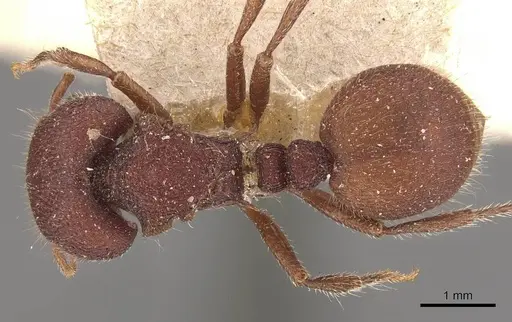
CASENT0922907
View on AntWeb

Literature
Loading...Loading products...