

Meranoplus taurus
- Scientific Name
- Meranoplus taurus
- Tribe
- Crematogastrini
- Subfamily
- Myrmicinae
- Author
- Schödl, 2007
- Distribution
- Found in 1 countries
Meranoplus taurus Overview
Meranoplus taurus is an ant species of the genus Meranoplus. It is primarily documented in 1 countries , including Australia. Detailed taxonomic data and occurrence records can be further explored via authoritative databases such as AntWeb or the Global Biodiversity Information Facility (GBIF).
Meranoplus taurus
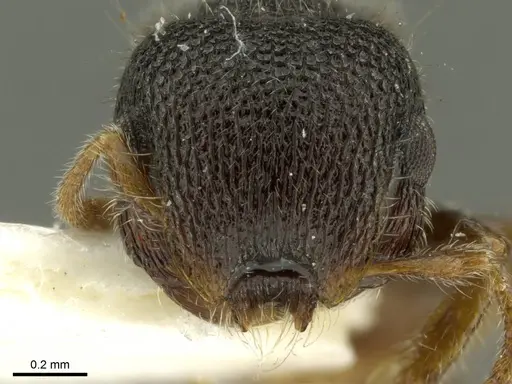
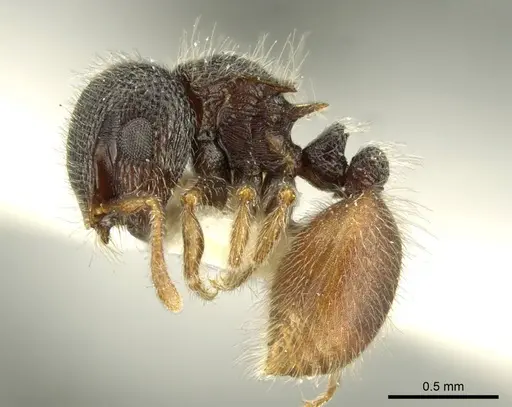
Meranoplus taurus is a small Australian ant measuring 3.9-4.8mm in total length. Workers have a distinctive appearance with large eyes, a unique horn-shaped clypeal bifurcation (the name 'taurus' means bull in Latin), and a squarish promesonotal shield with reduced blunt projections. They are distinctly bicolored with a contrasting pattern. This species occurs throughout central and south-eastern Australia, often found living alongside M. angustinodis and M. variabilis. They nest in the ground and are granivorous, meaning they collect and eat seeds [1].
Quick Summary
- Difficulty: Medium
- Origin & Habitat: Central and south-eastern Australia. These ants inhabit arid and semi-arid regions of Australia, nesting directly in the ground [1].
- Colony Type: Colony structure is unconfirmed. Based on typical Meranoplus patterns, likely single-queen colonies.
- Size & Growth:
- Queen: Unknown, not described in available literature
- Worker: 3.9-4.8mm total length (HL 0.99-1.20mm, HW 1.10-1.35mm) [1]
- Colony: Unknown, no colony size data available
- Growth: Moderate, estimated based on typical granivorous Myrmicinae patterns
- Development: Estimated 6-10 weeks based on related Meranoplus species and typical Myrmicinae development at optimal temperature (Development time is estimated, no specific data available for this species. Temperature around 22-26°C would support optimal development.)
- Antkeeping:
- Temperature: Keep at 22-26°C. Australian species from temperate to subtropical regions can tolerate a range, but warmth supports activity and growth. A gentle gradient allowing them to choose their preferred temperature is ideal.
- Humidity: Moderate humidity around 50-70%. These are ground-nesting ants from relatively dry Australian habitats, so the nest substrate should be kept lightly moist but not waterlogged. Allow some drying between waterings.
- Diapause: Likely required. Australian temperate species typically need a winter rest period. Reduce temperature to around 15-18°C for 2-3 months during winter months.
- Nesting: Ground-nesting species. In captivity, a Y-tong (AAC) nest or plaster nest with soil substrate works well. Provide a layer of compactable soil or sand that they can tunnel through. Test tube setups with a dirt chamber are also suitable for founding colonies.
- Behavior: Workers are active foragers that search for seeds and other food items. They are not particularly aggressive but will defend their nest. Their small size (under 5mm) means escape prevention is important, use fine mesh and tight-fitting barriers. They are diurnal and will actively forage during daylight hours. Granivorous diet means they primarily collect seeds but likely also supplement with small insects.
- Common Issues: small size makes escape prevention critical, use fine mesh barriers, granivorous diet means seeds must be available but protein supplements may be needed, winter diapause is likely required but timing and duration specifics are unknown, slow colony growth can frustrate beginners, patience is key, no specific data on colony size limits makes it hard to predict maximum development
Nest Preferences and Housing
Meranoplus taurus is a ground-nesting species that naturally creates nests in soil. In captivity, you can house them in several ways. For founding colonies, a test tube setup with a small dirt chamber works well, the queen will dig a small chamber and seal herself in. As the colony grows, consider moving to a Y-tong (AAC) formicarium with a soil chamber or a plaster nest with compactable substrate. The key is providing soil or sand that can hold moisture while still allowing proper tunneling behavior. Avoid overly wet or waterlogged substrate as this can cause fungal issues. A nest depth of 1-2cm is sufficient for their small size. [1]
Feeding and Diet
This species is granivorous, meaning they collect and eat seeds in nature. In captivity, offer a variety of small seeds suitable for ant consumption, millet, grass seeds, and commercial ant seed mixes work well. However, protein is still important for brood development. Offer small protein sources like fruit flies, small crickets, or mealworm pieces approximately twice weekly. Sugar water or honey can be offered occasionally, though granivorous ants may not strongly prefer sugary liquids. Observe what your colony accepts and adjust accordingly. Remove uneaten food after 24-48 hours to prevent mold. [1]
Temperature and Seasonal Care
Maintain temperatures around 22-26°C for optimal colony health and development. These Australian ants can tolerate temperatures slightly outside this range but may become less active below 20°C or above 30°C. A heating cable on one side of the nest can create a temperature gradient, allowing ants to self-regulate. During winter (roughly December-February in the Southern Hemisphere), consider reducing temperatures to 15-18°C to simulate their natural seasonal cycle. This winter rest period is likely important for triggering reproductive behavior the following season. If your colony shows reduced activity in winter, do not feed as frequently.
Behavior and Colony Dynamics
Workers of M. taurus are active foragers that search for seeds and small prey. They have distinctive large eyes and the unique horn-shaped clypeal projections that give them their scientific name (taurus means bull). Workers are relatively small at under 5mm, so observe them closely to appreciate their morphology. The colony will grow gradually, expect the first workers (nanitics) to emerge 6-10 weeks after founding if conditions are good. Growth rate is moderate, and colonies may take 1-2 years to reach significant numbers. Queens are not described in the literature but are likely similar in size to workers plus dealate wings. [1]
Escape Prevention
With workers measuring only 3.9-4.8mm, escape prevention is essential. Use tight-fitting lids on all outworld containers and apply fluon or similar barrier products to container edges. Fine mesh (at least 0.5mm or smaller) should be used on any ventilation openings. Check for gaps daily, especially in the first few weeks as the colony establishes. Despite their small size, these ants are active and determined foragers that will exploit any opening. [1]
Frequently Asked Questions
How long does it take for Meranoplus taurus to produce first workers?
First workers typically appear 6-10 weeks after the queen lays eggs, assuming optimal temperature (22-26°C). This is an estimate based on related Meranoplus species since specific development data for M. taurus is not available.
What do Meranoplus taurus ants eat?
They are granivorous, meaning they primarily eat seeds. Offer small seeds like millet, grass seeds, or commercial ant seed mixes. They also need protein, offer small insects like fruit flies, pinhead crickets, or mealworm pieces twice weekly. Sugar water or honey can be offered occasionally.
Do Meranoplus taurus ants need hibernation?
Likely yes. As an Australian species from temperate regions, they probably need a winter rest period. Reduce temperatures to 15-18°C for 2-3 months during winter.
Are Meranoplus taurus good for beginners?
They are rated as medium difficulty. They have specific temperature and humidity needs, require a likely winter diapause, and their granivorous diet requires some special attention. Some antkeeping experience is helpful.
How big do Meranoplus taurus colonies get?
Colony size is not documented in available literature. Based on related species, expect moderate-sized colonies over 1-2 years. They are not among the largest Myrmicinae.
Do Meranoplus taurus ants sting?
Most Myrmicinae ants have stingers, though they may be too small to penetrate human skin effectively. This species is not known for aggressive stinging behavior.
Can I keep multiple Meranoplus taurus queens together?
Colony structure is not confirmed for this species. It is not recommended to combine unrelated queens as they may fight. If you capture a multiple-queen colony from the wild, monitor closely for aggression.
What temperature should I keep Meranoplus taurus at?
Keep nest temperatures around 22-26°C. A gradient allowing them to choose warmer or cooler areas is ideal. Room temperature in this range works well.
Why are my Meranoplus taurus dying?
Common causes include: temperatures outside their optimal range (too cold below 20°C or too hot above 30°C), improper humidity (too wet or too dry), lack of protein food for brood development, or stress from disturbance during founding. Check these parameters first.
References

This caresheet is licensed under CC BY-SA 4.0 .
CASENT0919724
View on AntWeb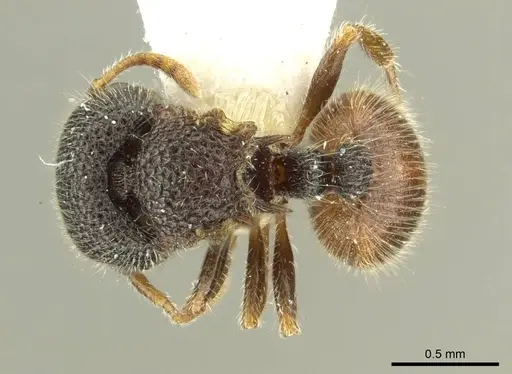
Literature
Loading...Loading products...