

Meranoplus snellingi
- Scientific Name
- Meranoplus snellingi
- Tribe
- Crematogastrini
- Subfamily
- Myrmicinae
- Author
- Schödl, 2007
- Distribution
- Found in 1 countries
Meranoplus snellingi Overview
Meranoplus snellingi is an ant species of the genus Meranoplus. It is primarily documented in 1 countries , including Australia. Detailed taxonomic data and occurrence records can be further explored via authoritative databases such as AntWeb or the Global Biodiversity Information Facility (GBIF).
Meranoplus snellingi
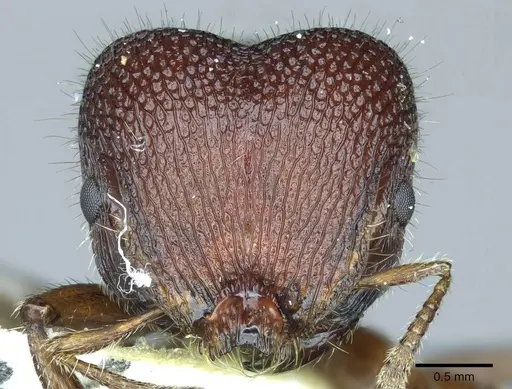
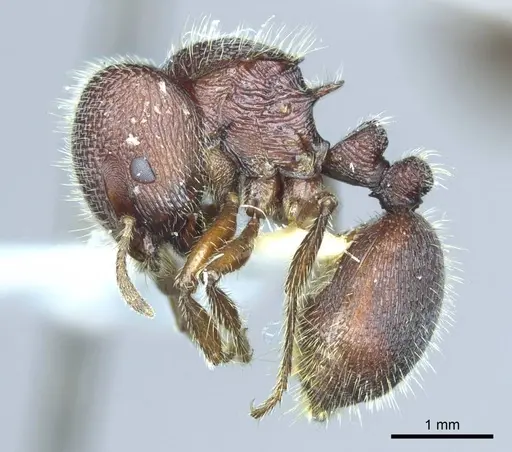
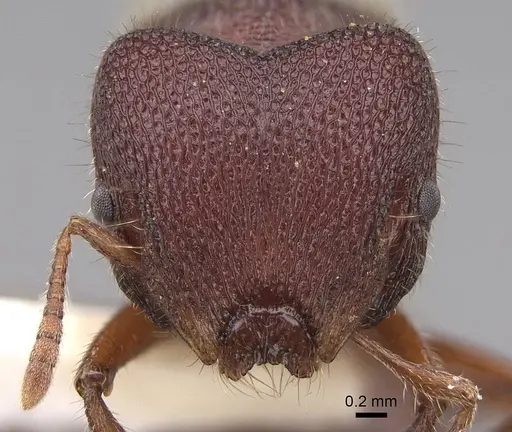
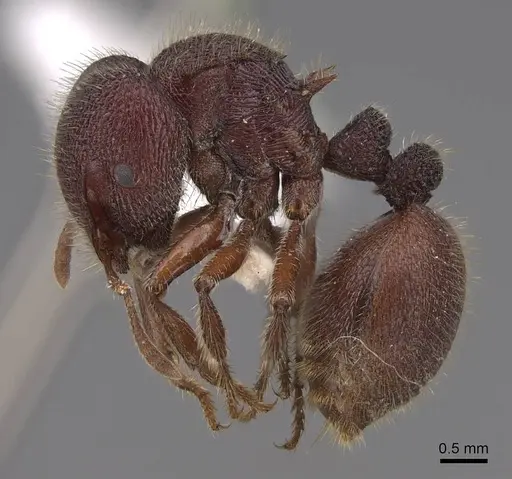
Meranoplus snellingi is a medium-sized to large ant native to the Top End of the Northern Territory in Australia. Workers measure 7.2-8.75mm and have a distinctive brown to blackish-brown coloration with a rough striated gaster (abdomen). This species is easily recognized by its unique clypeal structure, the area just above the mouth, which has a projection that extends beyond the front corners of the head. The head is wider than long, and the body has a box-shaped petiole. [1]
This species belongs to the Meranoplus diversus group and is closely related to other Australian Meranoplus species. In the wild, these ants nest in the ground in tropical savannah habitats and are granivorous, meaning they collect and eat seeds. [1] They are restricted to the northernmost part of Australia around Darwin and Berrimah. [1][2]
Quick Summary
- Difficulty: Medium
- Origin & Habitat: Top End, Northern Territory, Australia, secondary tropical savannah habitat. This is a tropical region with warm temperatures year-round and distinct wet/dry seasons. [1]
- Colony Type: Unconfirmed, colony structure (single-queen or multi-queen) has not been documented in scientific literature.
- Size & Growth:
- Queen: Unconfirmed, queen measurements not documented
- Worker: 7.2-8.75 mm [1]
- Colony: Unknown, no colony size data available
- Growth: Unknown, development timeline not studied
- Development: Estimated 6-10 weeks based on typical Myrmicinae patterns at optimal temperature (Direct development data not available for this species, estimates based on genus-level patterns)
- Antkeeping:
- Temperature: Keep at 24-28°C. As a tropical species from Australia's Top End, they need warm conditions year-round. A heating cable on one side of the nest can provide a gentle gradient if room temperature is below this range.
- Humidity: Moderate humidity, they come from tropical savannah which has distinct wet and dry seasons. Keep the nest substrate lightly moist but allow some drying between waterings. Provide a water tube for drinking access.
- Diapause: Likely reduced activity during the dry season (roughly May-October), but not a true hibernation. In captivity, they can be kept at stable warm temperatures year-round.
- Nesting: Ground-nesting species, they naturally nest in soil. A naturalistic setup with moist substrate (like a dirt mound or formicarium with soil chambers) works well. They may also accept Y-tong nests with appropriately sized chambers.
- Behavior: These ants are granivorous, actively collecting and processing seeds. They are medium-sized and relatively robust. Workers likely forage on the ground surface. Escape risk is moderate, their size means standard barriers are usually sufficient, but they are agile and may climb. They are not known to be particularly aggressive toward keepers.
- Common Issues: lack of documented care information makes it difficult to provide specific guidance, much is inferred from genus patterns, granivorous diet requires appropriate seed offerings or protein sources, acceptance in captivity is unconfirmed, tropical species needs warm temperatures year-round, cool conditions will slow or stop development, colony type unconfirmed means you may not know if your colony is queenright, wild-caught colonies may have parasites or diseases that affect survival in captivity
Appearance and Identification
Meranoplus snellingi workers are relatively large for a Myrmicinae ant, measuring 7.2-8.75mm in total length. They have a brown to blackish-brown coloration throughout. The most distinctive feature is the clypeal projection, the area above the mouth extends noticeably beyond the front corners of the head, with a concave anterior margin that bends upward. The head is wider than long, and the gaster (abdomen) has a rough striated texture. The promesonotal shield is distinctly wider than long, and the petiole appears box-shaped from the side. These morphological features help distinguish M. snellingi from other Australian Meranoplus species. [1]
Natural Habitat and Distribution
This species is restricted to the Top End of the Northern Territory in Australia, essentially the area around Darwin. The type locality is CSIRO-TERC at Berrimah, which is within the Darwin metropolitan area at approximately 12.42°S latitude. They live in secondary tropical savannah habitat, which is characterized by open woodland with a grassy understory. The region has a tropical climate with hot temperatures year-round and two distinct seasons: a wet season from roughly November to April, and a dry season from May to October. Nests are found in the ground. [1][2]
Feeding and Diet
Meranoplus snellingi is granivorous, meaning they collect and eat seeds in the wild. This is a relatively unusual diet among ants, most are omnivorous or predatory, but some Meranoplus species have adapted to seed-eating. In captivity, you should offer a mix of seeds appropriate for their size (not too large) along with protein sources like small insects. They may also accept sugar water or honey as an energy source. Since this species has not been kept in captivity extensively, be prepared to experiment with food acceptance. Start with small seeds, crushed nuts, or grain-based ant diet, supplemented with small insects like fruit flies or pinhead crickets. [1]
Temperature and Heating Requirements
As a tropical species from Australia's Top End, Meranoplus snellingi requires warm temperatures for optimal health and development. Aim to keep the nest area at 24-28°C. In their natural habitat, temperatures remain warm year-round, rarely dropping below 20°C even in the dry season. If your room temperature falls below this range, use a heating cable placed on top of the nest (never underneath, as this can cause excessive drying). Create a temperature gradient so workers can regulate their own exposure to heat. Avoid temperatures below 22°C for extended periods, as this may slow or stop brood development. Stable warmth is more important than extreme heat. [1]
Nesting and Housing
In the wild, Meranoplus snellingi nests in the ground, so captive colonies need access to substrate. A naturalistic setup with a soil-filled container or formicarium works well. The substrate should hold moisture but drain well enough to avoid waterlogging. You can use a mix of soil and sand or a commercially available ant nesting medium. Alternatively, Y-tong (acrylic) nests can work if you provide a section of moist substrate or a water tube for humidity. Since workers are 7-8mm, chambers should be appropriately sized, not too cramped but not excessively large either. Give them a dark area to nest in, as they prefer dark, humid chambers for brood-rearing. [1]
Colony Structure and Development
The exact colony structure of M. snellingi has not been documented in scientific literature. We don't know whether they form single-queen colonies (monogyne) or multi-queen colonies (polygyne), or whether they have ergatoid replacement reproductives. Similarly, their founding behavior is unconfirmed, we don't know if the queen seals herself in a chamber to raise her first workers (claustral) or must leave to forage (semi-claustral). Based on typical Myrmicinae patterns, claustral founding is likely, but this is an inference rather than a documented fact. Development from egg to worker likely takes 6-10 weeks at optimal temperature, similar to other ants in this subfamily, but specific data is not available. [1]
Frequently Asked Questions
How long does it take for Meranoplus snellingi to produce first workers?
The exact timeline is unknown, but based on typical Myrmicinae development patterns, expect approximately 6-10 weeks from egg to worker at optimal warm temperatures (24-28°C). This is an estimate since this species has not been studied in captivity.
What do Meranoplus snellingi ants eat?
They are granivorous, meaning they eat seeds in the wild. In captivity, offer small seeds, crushed nuts, or commercial ant diet alongside protein sources like small insects. They may also accept sugar water or honey. Food acceptance may need to be tested experimentally.
What temperature do Meranoplus snellingi ants need?
Keep them warm at 24-28°C. As a tropical species from Australia's Top End, they need year-round warmth. Room temperature below 22°C for extended periods may cause problems.
Are Meranoplus snellingi ants good for beginners?
This is considered a medium-difficulty species. While not the most challenging ant to keep, there is limited captive care information available, and much of what we recommend is inferred from genus patterns rather than documented experience. Beginners may want to start with more common species that have established care protocols.
Do Meranoplus snellingi ants sting?
Myrmicinae ants have a stinger, but the sting of Meranoplus is not particularly potent or well-documented. Given their size, any sting would likely be mild. They are not considered dangerous to humans.
How big do Meranoplus snellingi colonies get?
The maximum colony size is unknown, this data has not been documented in scientific literature. Based on their size and tropical habitat, colonies are likely moderate (dozens to a few hundred workers) rather than extremely large.
Can I keep multiple Meranoplus snellingi queens together?
We don't know the natural colony structure of this species. Multi-queen arrangements (polygyne) have not been documented. It is not recommended to combine unrelated foundress queens unless you observe them accepting each other, but this is risky and not supported by research.
Do Meranoplus snellingi ants need hibernation?
No, they come from tropical Australia where temperatures remain warm year-round. They do not require a true hibernation period. You may observe reduced activity during the dry season (roughly May-October), but they can be kept at stable warm temperatures in captivity.
Why are my Meranoplus snellingi ants dying?
Common issues include: temperatures below 22°C slowing or stopping development, too dry or too wet substrate, wild-caught colonies potentially carrying parasites, and lack of documented care information making it hard to diagnose problems. Ensure warm temperatures, appropriate humidity, and offer varied foods to test acceptance.
References

This caresheet is licensed under CC BY-SA 4.0 .
CASENT0919723
View on AntWeb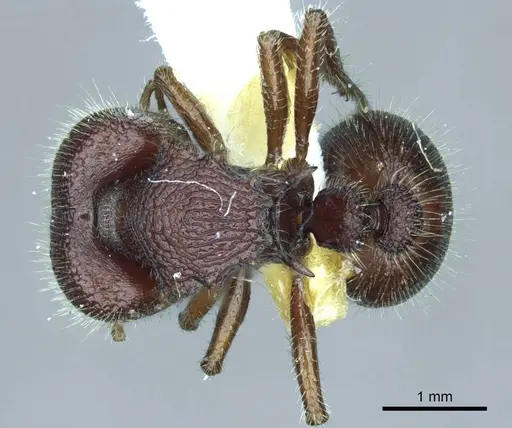
CASENT0922906
View on AntWeb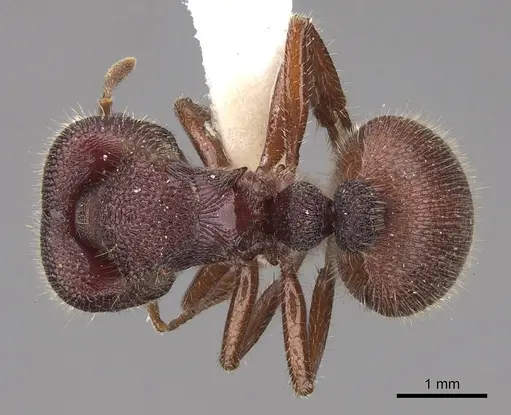
Literature
Loading...Loading products...