

Meranoplus similis
- Scientific Name
- Meranoplus similis
- Tribe
- Crematogastrini
- Subfamily
- Myrmicinae
- Author
- Viehmeyer, 1922
- Distribution
- Found in 1 countries
Meranoplus similis Overview
Meranoplus similis is an ant species of the genus Meranoplus. It is primarily documented in 1 countries , including Australia. Detailed taxonomic data and occurrence records can be further explored via authoritative databases such as AntWeb or the Global Biodiversity Information Facility (GBIF).
Meranoplus similis
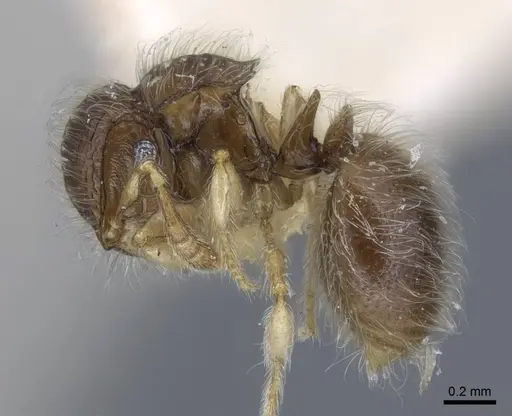
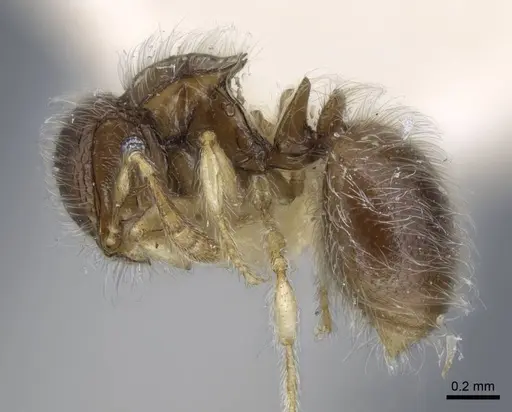
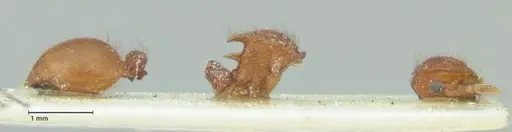
Meranoplus similis is a medium-sized Australian ant species characterized by its distinctive orange-brown coloration and extensive translucent flanging on the promesonotal shield [1]. Workers are built with a broad, flattened appearance typical of the genus, giving them their common name of 'shield ants.' This species is found in two geographically separate populations: the western coastal plain between Jurien Bay and Bunbury in Western Australia, and the Lake Eyre Basin in South Australia [2]. The species was first described by Viehmeyer in 1922 and shares similar gastral sculpture with Meranoplus rugosus [2]. Only the worker caste has been documented in scientific literature, with queen and male castes remaining undescribed.
Quick Summary
- Difficulty: Unknown
- Origin & Habitat: Australia, specifically the western coastal plain of Western Australia (Jurien Bay to Bunbury) and the Lake Eyre Basin in South Australia. Found in arid to semi-arid regions [2][1].
- Colony Type: Unconfirmed, colony structure has not been documented in scientific literature.
- Size & Growth:
- Queen: Undescribed, no documented measurements available
- Worker: Medium-sized [1], specific measurements not provided
- Colony: Unknown, no colony size data available
- Growth: Unknown
- Development: Unconfirmed, no development data available. Based on typical Meranoplus genus patterns, estimate 6-10 weeks at optimal temperature. (Development timeline is unconfirmed for this species. Estimates based on related Meranoplus species.)
- Antkeeping:
- Temperature: Based on the arid to semi-arid Australian habitat, aim for warm conditions around 24-28°C with some variation allowed. Room temperature (22-25°C) is likely suitable for this species.
- Humidity: Arid-origin species, prefer drier conditions. Keep nest substrate moderately dry to slightly moist, with a dry area available. Avoid excessive moisture.
- Diapause: Likely, Australian ants from temperate/arid regions typically require a winter rest period. A 2-3 month diapause at 10-15°C is recommended based on typical genus behavior.
- Nesting: Ground-nesting species typical of the genus. In captivity, a naturalistic setup with sandy soil or a Y-tong/plaster nest with dry to moderately moist conditions works well. Provide a foraging area with access to seeds and protein sources.
- Behavior: Meranoplus ants are generally docile and non-aggressive. They are seed-harvesting ants with a broad, flattened body shape. Workers are moderate in size and activity level. Escape risk is moderate, standard barrier methods should suffice, but ensure enclosures are secure as workers can squeeze through small gaps.
- Common Issues: Limited species-specific information makes precise care requirements uncertain., Arid species are sensitive to overwatering, avoid excessive humidity., Wild-caught colonies may have unknown parasites or diseases., Colony founding success rate is unknown due to lack of documented breeding behavior.
Natural History and Distribution
Meranoplus similis is endemic to Australia, with two known population centers. The western population occupies the coastal plain between Jurien Bay and Bunbury in Western Australia, while the eastern population is found in the Lake Eyre Basin of South Australia [2]. This distribution pattern across arid to semi-arid regions suggests the species is well-adapted to dry conditions. The species was originally described in 1922 by Viehmeyer from specimens collected at Killalpaninno in South Australia [2]. Only worker castes have been scientifically described, with queen and male morphology remaining undocumented in formal literature.
Identification and Physical Characteristics
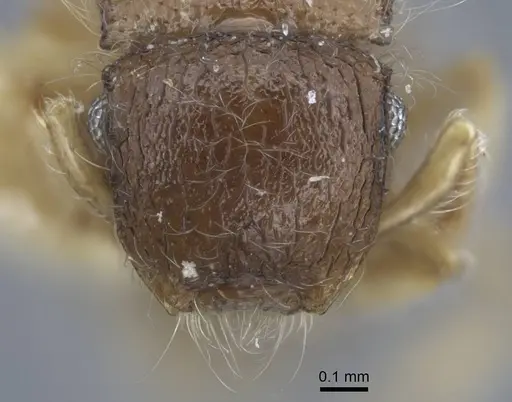
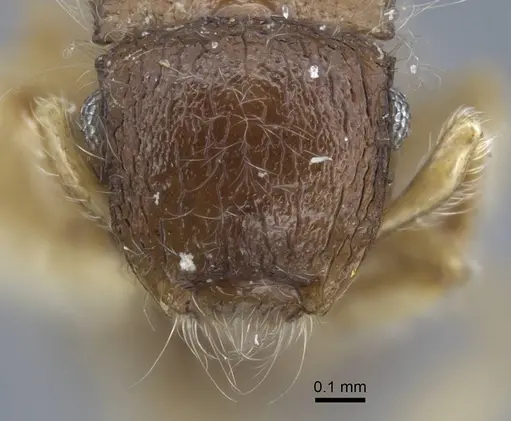
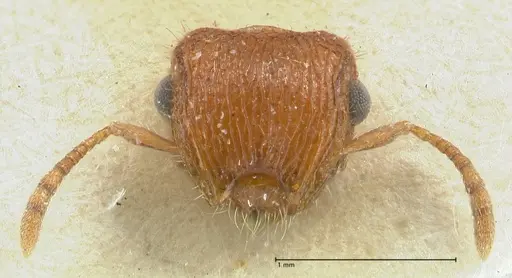
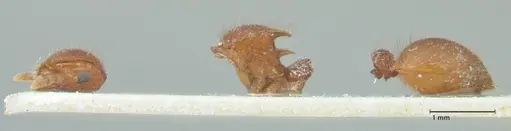
Meranoplus similis is a medium-sized ant species with distinctive physical features. The most notable characteristic is the extensive translucent flanging on the promesonotal shield, which gives the ant a broad, shield-like appearance [1]. The species is typically orange-brown in coloration, which is common among medium-sized Meranoplus species. M. similis can be distinguished from related species like Meranoplus rugosus by its similar gastral sculpture pattern [2]. Workers have the characteristic broad, flattened body shape typical of the genus, which helps them maneuver through narrow soil passages and under stones.
Housing and Nesting
In the wild, Meranoplus species are typically ground-nesting ants that construct nests in soil, often under stones or in open ground. For captive care, a naturalistic setup with a sandy soil substrate works well for this species. The nest chambers should be appropriately sized for medium-sized workers. Since M. similis comes from arid regions, the nesting area should be kept relatively dry compared to tropical species. A Y-tong (acrylic) nest or plaster nest with moderate moisture can also work, but avoid oversaturating the substrate. Provide a separate foraging area where you can offer food. Ensure the setup has adequate ventilation to prevent mold growth while maintaining appropriate humidity levels.
Feeding and Diet
Like other Meranoplus species, M. similis is likely a seed-harvesting ant that also consumes protein from insects. In captivity, offer a varied diet including small seeds (millet, grass seeds, cracked sunflower hearts), protein sources (small crickets, mealworms, fruit flies), and occasional sugar water or honey. Fresh water should always be available. Based on typical genus behavior, they are generalist foragers that will collect both seeds and arthropod prey. Feed protein sources 2-3 times per week and keep sugar water or honey available in a feeder. Remove uneaten food after 24-48 hours to prevent mold.
Temperature and Seasonal Care
Based on the species' origin in arid Australian regions, provide warm temperatures in the range of 24-28°C. Room temperature (22-25°C) is likely acceptable and may not require additional heating. Create a temperature gradient in the setup so ants can self-regulate. For winter care, a diapause period of 2-3 months at 10-15°C is recommended, reflecting the seasonal temperature variations in their native habitat. During diapause, reduce feeding frequency and keep the colony in a cool, dark location. Resume normal care gradually when temperatures increase in spring.
Colony Development and Propagation
The colony development timeline for M. similis is not documented in scientific literature. Based on typical Meranoplus genus patterns, expect 6-10 weeks from egg to first worker (nanitics) at optimal temperature. The claustral founding behavior is unconfirmed but likely present, as most Myrmicinae species exhibit this trait. If you obtain a founding queen, provide a quiet, dark location and do not disturb her during the founding phase. Do not feed the queen until the first workers emerge, she should survive on stored fat reserves. Once workers arrive, they will begin foraging and the colony can be transitioned to normal feeding schedules. Growth rate is unknown but likely moderate, similar to other medium-sized Myrmicinae.
Frequently Asked Questions
How long does it take for Meranoplus similis to raise first workers?
The exact development timeline is unconfirmed for this species. Based on typical Meranoplus genus patterns, expect approximately 6-10 weeks from egg to first worker at optimal temperature (around 24-28°C).
What do Meranoplus similis ants eat?
Like other Meranoplus species, they are likely seed-harvesting ants that also consume insects. Offer a varied diet including small seeds, protein sources (crickets, mealworms), and sugar water or honey.
Do Meranoplus similis ants need hibernation?
Yes, based on their Australian arid-region origin, a winter diapause of 2-3 months at 10-15°C is recommended. Reduce feeding during this period.
What temperature should I keep Meranoplus similis at?
Aim for 24-28°C based on their arid Australian habitat. Room temperature (22-25°C) is likely suitable. Provide a temperature gradient if possible.
Are Meranoplus similis good for beginners?
Difficulty level is uncertain due to limited species-specific data. They are likely manageable for intermediate antkeepers familiar with arid-species care, but there is insufficient information to recommend them confidently for complete beginners.
How big do Meranoplus similis colonies get?
Colony size is unknown, no scientific data exists on maximum colony size for this species. Based on typical Meranoplus genus, expect moderate-sized colonies of several hundred workers.
Do Meranoplus similis ants sting?
Stinging behavior is not documented for this specific species. Most Meranoplus workers are docile and non-aggressive, but they may bite if threatened. The sting is likely too weak to penetrate human skin effectively.
Can I keep multiple Meranoplus similis queens together?
Colony structure (monogyne vs polygyne) is unconfirmed for this species. Combining unrelated queens is not recommended due to lack of documented success.
What humidity level do Meranoplus similis need?
As an arid-region species, they prefer drier conditions. Keep nest substrate moderately dry with a dry area available. Avoid excessive moisture that could cause mold.
When should I move Meranoplus similis to a formicarium?
Transfer to a formicarium when the colony reaches several dozen workers and the test tube setup becomes crowded. Ensure the new setup matches their preference for drier, well-ventilated nesting conditions.
Is Meranoplus similis a docile species?
Meranoplus species are generally described as docile and non-aggressive. Workers are not known for aggressive territorial behavior.
Where is Meranoplus similis found in the wild?
This species is found in two regions of Australia: the western coastal plain between Jurien Bay and Bunbury in Western Australia, and the Lake Eyre Basin in South Australia.
References

This caresheet is licensed under CC BY-SA 4.0 .
CASENT0917027
View on AntWeb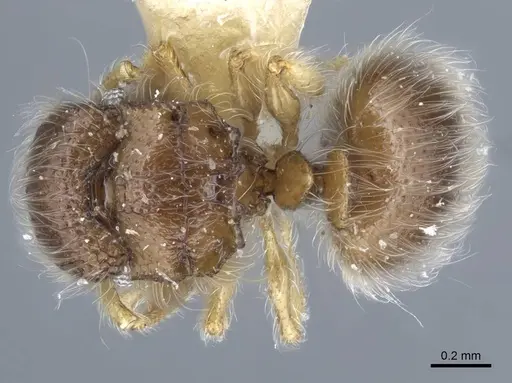
FOCOL1935
View on AntWeb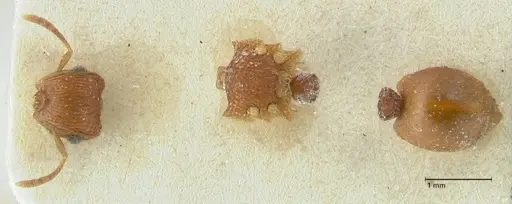
Literature
Loading...Loading products...