

Meranoplus radamae
- Scientific Name
- Meranoplus radamae
- Tribe
- Crematogastrini
- Subfamily
- Myrmicinae
- Author
- Forel, 1891
- Distribution
- Found in 1 countries
Meranoplus radamae Overview
Meranoplus radamae is an ant species of the genus Meranoplus. It is primarily documented in 1 countries , including Madagascar. Detailed taxonomic data and occurrence records can be further explored via authoritative databases such as AntWeb or the Global Biodiversity Information Facility (GBIF).
Meranoplus radamae
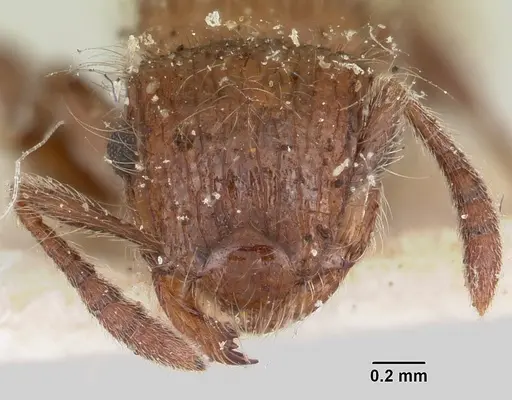
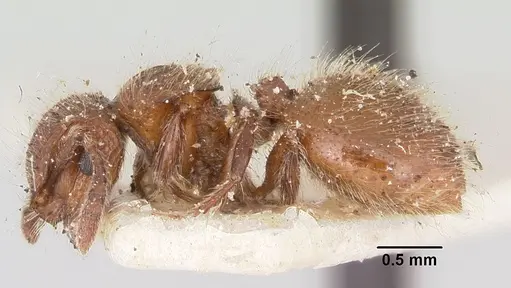
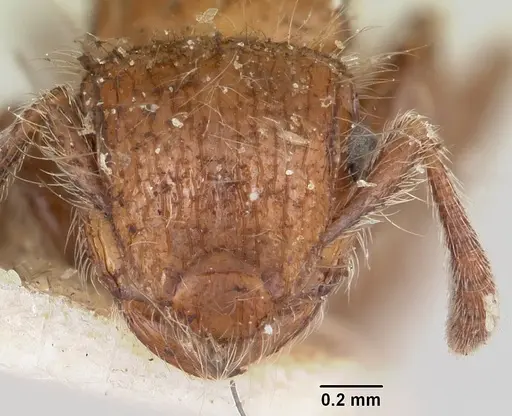
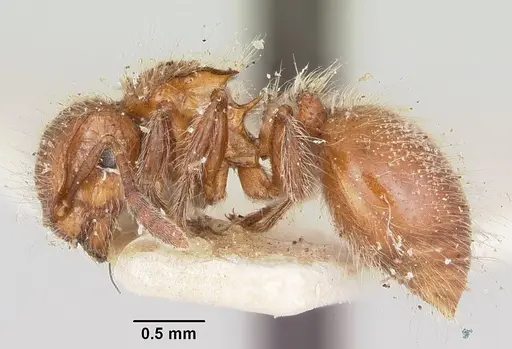
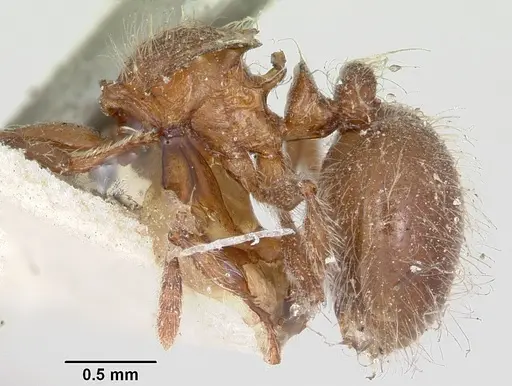
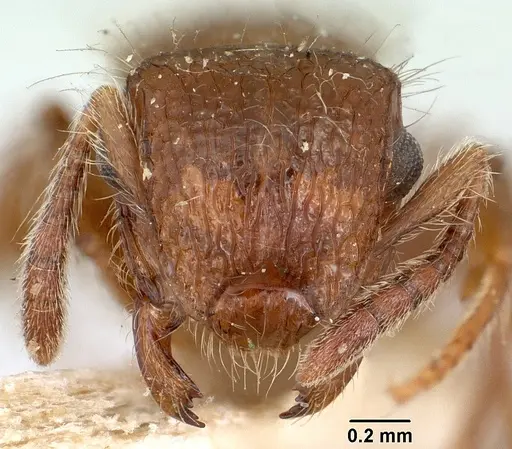
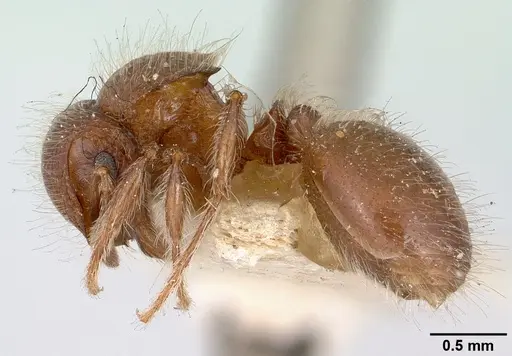
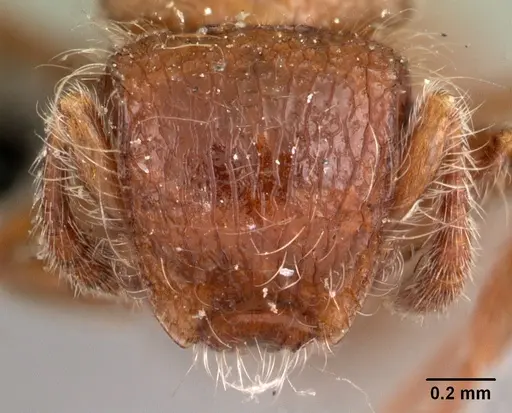
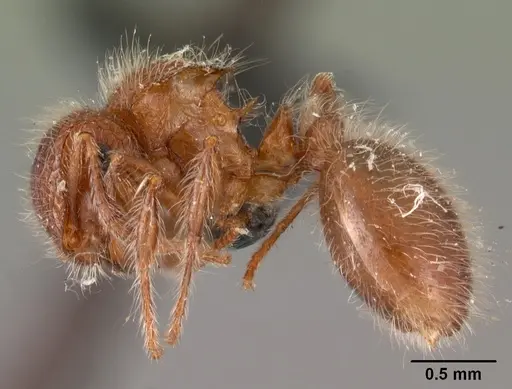
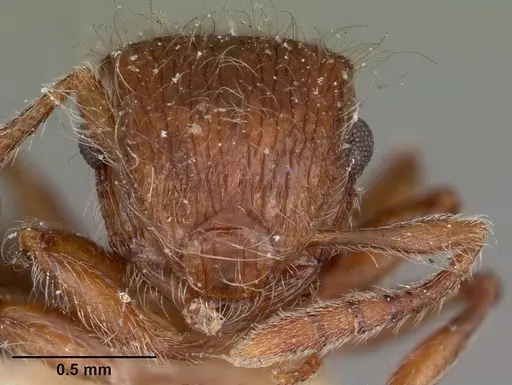
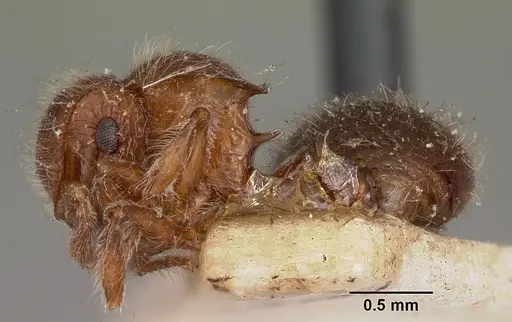
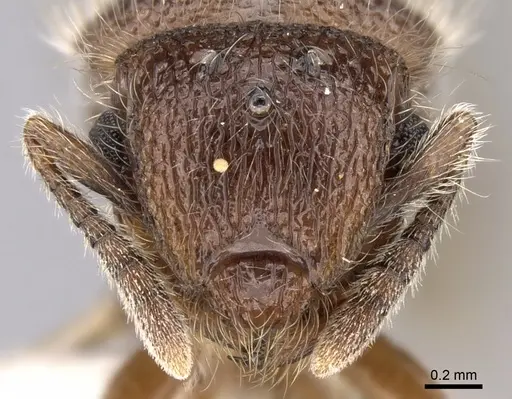
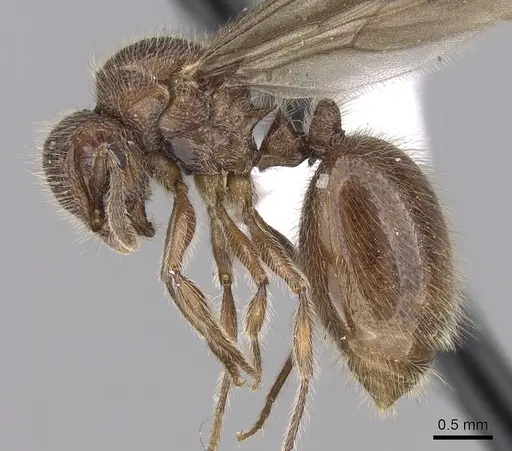
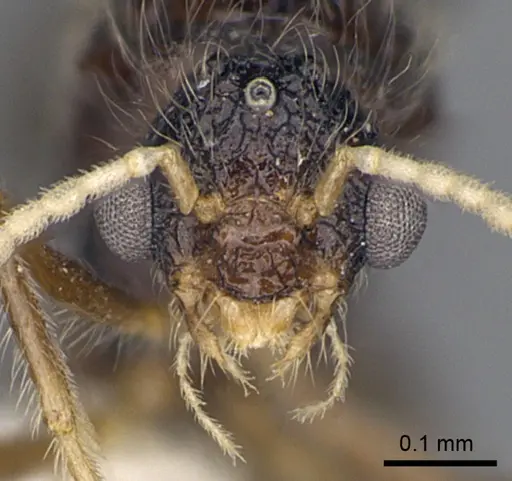
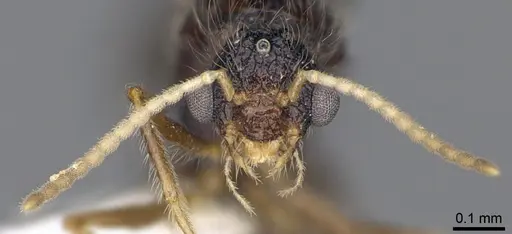
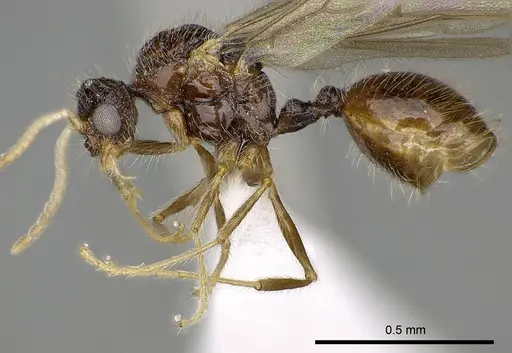
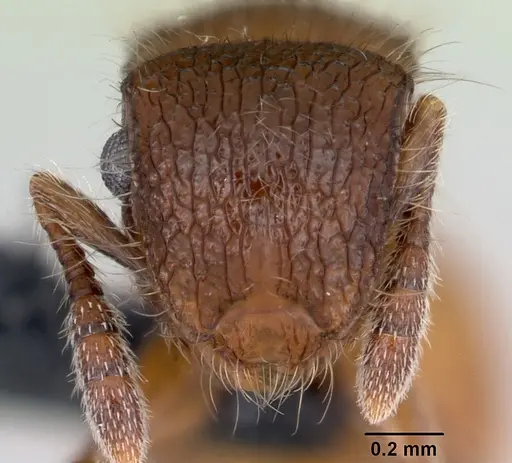
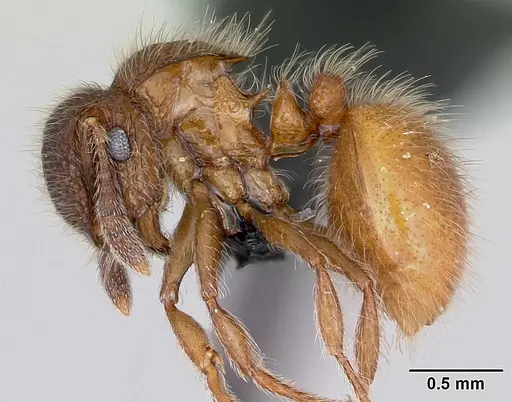
Meranoplus radamae is a small Myrmicinae ant endemic to Madagascar. Workers measure 0.86-1.04mm in head length and have a distinctive appearance with a longer-than-broad head, thorn-shaped propodeal spines, and variable coloration ranging from dark orange to yellowish brown with yellow abdominal segments IV-VII [1]. Queens are slightly larger at 1.09-1.15mm head length and light brown to pale yellowish orange in color [1]. This species belongs to the M. nanus group and can be identified by the absence of promesonotal spines (which differentiates it from M. mayri) and the close-set posterolateral denticles [1][2]. The species is restricted to the grasslands and woodlands of the High Plateau and the spiny forests of southern Madagascar, found at elevations between 370-1550 meters [1][2].
Quick Summary
- Difficulty: Medium
- Origin & Habitat: Endemic to Madagascar, found in grasslands and woodlands of the High Plateau and spiny forests of southern Madagascar at elevations of 370-1550m [1][2]. Nests have been collected under stones in grassland and from ground nests [1]. Some collections have been made in southern rainforest sites, possibly representing local adaptation to disturbed habitats [1].
- Colony Type: Colony structure is unconfirmed. Based on typical Meranoplus patterns, likely single-queen colonies but this requires verification.
- Size & Growth:
- Queen: 1.09-1.15mm head length,1.39-1.49mm Weber's length [1]
- Worker: 0.86-1.04mm head length,0.79-0.92mm head width,0.86-1.05mm Weber's length [1]
- Colony: Unknown, no colony size data available
- Growth: Unknown, no development data available. Likely moderate based on typical small Myrmicinae patterns.
- Development: Unconfirmed, no direct development data available. Based on related small Myrmicinae, estimate 6-10 weeks at optimal temperature. (Development timeline has not been directly studied. Estimates based on genus-level patterns for similar small Myrmicinae ants.)
- Antkeeping:
- Temperature: Based on Madagascar highland and spiny forest habitat, aim for warm conditions around 24-28°C. Provide a temperature gradient allowing workers to self-regulate.
- Humidity: Based on grassland and woodland nesting, moderate humidity around 50-70% is appropriate. Keep nest substrate moderately moist but not waterlogged.
- Diapause: Unknown for this species. Madagascar species may have reduced diapause requirements compared to temperate ants, but a cool period (15-18°C) during winter months may be beneficial.
- Nesting: Natural nesting is under stones in grassland and ground nests [1]. In captivity, a naturalistic setup with soil substrate and flat stones or a Y-tong/plaster nest works well. Provide moist substrate they can burrow into.
- Behavior: Workers are small and active. Based on typical Meranoplus behavior, they are likely generalist foragers collecting nectar, honeydew, and small prey. Their small size (under 2mm total length) means escape prevention is important, use fine mesh barriers and tight-fitting lids. Temperament is not well-documented but Meranoplus species are typically not aggressive. They likely form moderate-sized colonies.
- Common Issues: small size makes escape likely without fine mesh barriers, no published care guidelines exist, keepers must adapt from related species, humidity balance is critical, too wet causes mold, too dry causes desiccation, wild-caught colonies may carry parasites or diseases not well-understood, limited availability in the antkeeping hobby makes this a challenging species to acquire
Natural History and Distribution
Meranoplus radamae is endemic to Madagascar, where it occupies a relatively restricted range across the island's highland regions. The species is found primarily in the grasslands and woodlands of the High Plateau in central Madagascar, as well as the spiny forests of the southern region [1][2]. This elevation range of 370-1550 meters above sea level suggests adaptation to cooler highland conditions compared to lowland tropical species [1]. Specimens have been collected from nests under stones in grassland areas and from ground-level nests, indicating ground-nesting behavior. A few collections from southern rainforest sites may represent local adaptation to disturbed habitats [1]. The type locality is Imerina in central Madagascar [1].
Identification and Distinguishing Features
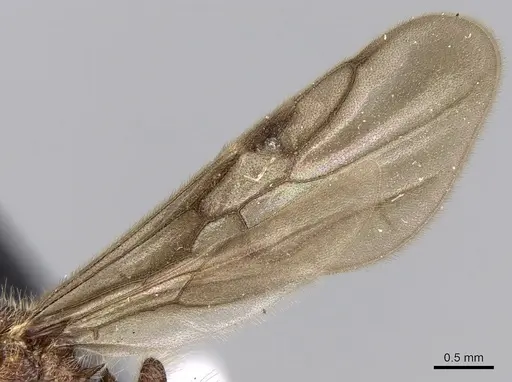
Workers of Meranoplus radamae can be identified by several key features. They lack promesonotal spines, which immediately differentiates them from the similar species M. mayri [1][2]. The head is longer than broad (cephalic index 92-95), and the propodeal spines are long and thorn-shaped [1]. The posterolateral denticles are close-set (postocular width index under 64), which is characteristic of the M. nanus species group [1]. Coloration is variable among workers: dark orange, orange brown, or yellowish brown, with yellow abdominal segments IV through VII [1]. Queens are small (Weber's length 1.4-1.5mm) and light brown to pale yellowish orange, with large eyes and thorn-like propodeal spines [1]. Males are the smallest caste (Weber's length 0.7-1.2mm) with very large eyes and a small head [1].
Housing and Nest Setup
In captivity, Meranoplus radamae can be housed in various setups appropriate for small Myrmicinae ants. Naturalistic setups with a soil substrate work well, mimicking their natural ground-nesting behavior under stones [1]. Provide flat stones or other surfaces on top of the substrate to encourage natural nesting behavior. Alternatively, Y-tong (acrylic) nests or plaster nests with narrow chambers scaled to their tiny size work well. The chamber width should be appropriate for their worker size of approximately 1mm. Test tube setups can work for founding colonies but may need upgrading as the colony grows. Because of their very small size, escape prevention must be excellent, use tight-fitting lids and fine mesh on any ventilation openings.
Feeding and Diet
While specific dietary studies for M. radamae do not exist, Meranoplus species are typically generalist foragers. Based on related small Myrmicinae, they likely collect nectar, honeydew from aphids and scale insects, and small arthropod prey. In captivity, offer a varied diet including sugar water or honey diluted with water, small live prey such as fruit flies or pinhead crickets, and occasional protein sources like mealworms or bloodworms. Feed small amounts initially and observe what the colony accepts. Sugar sources should be provided regularly, with protein prey offered several times per week depending on colony size.
Temperature and Seasonal Care
Based on their native habitat in Madagascar's highland grasslands and spiny forests, Meranoplus radamae likely prefers warmer temperatures. Aim for a nest temperature around 24-28°C, which aligns with their highland Madagascar distribution. Provide a temperature gradient by placing a heating cable on one side of the nest so workers can self-regulate by moving between warmer and cooler areas. During winter months, a slight reduction to around 18-22°C may be appropriate, though the species may not require a true diapause like temperate species. Monitor colony activity, if workers become less active and cluster together, the temperature may be too low. [1]
Humidity Requirements
Meranoplus radamae inhabits grassland and woodland areas in Madagascar, suggesting moderate humidity requirements. Keep the nest substrate moderately moist, it should feel damp to the touch but not be waterlogged. Provide some slightly drier areas within the setup so ants can choose their preferred humidity zone. Avoid both excessive moisture (which promotes mold) and overly dry conditions (which causes desiccation). A humidity range of 50-70% is a reasonable starting point. Mist or rehydrate the substrate based on moisture levels rather than on a fixed schedule. [1]
Frequently Asked Questions
How long does it take for Meranoplus radamae to produce first workers?
The exact development timeline is unconfirmed as this species has not been studied in detail. Based on typical patterns for small Myrmicinae ants, expect approximately 6-10 weeks from egg to worker at optimal temperature (around 24-28°C). Patience is required as this may vary.
What do Meranoplus radamae ants eat?
While not specifically studied, Meranoplus species are generalist foragers. Offer sugar water or honey as a regular carbohydrate source, along with small live prey like fruit flies or pinhead crickets for protein. They likely also collect honeydew in the wild.
Are Meranoplus radamae ants aggressive?
Meranoplus species are typically not aggressive. These are small, ground-nesting ants that generally avoid confrontation. However, they will defend their nest if threatened.
Do Meranoplus radamae ants sting?
As small Myrmicinae ants, they have stingers but are typically too small to penetrate human skin effectively. The sting would be mild if felt at all.
What temperature should I keep Meranoplus radamae at?
Based on their Madagascar highland habitat, aim for 24-28°C in the nest area. Provide a temperature gradient so workers can regulate their own temperature by moving between warmer and cooler areas.
Can I keep multiple queens together?
The colony structure of this species is unconfirmed. Without specific data on whether they are monogyne (single queen) or polygyne (multiple queens), it is not recommended to combine unrelated queens. Keep queens separate until a colony is established.
How big do Meranoplus radamae colonies get?
Colony size data is not available for this species. Based on related Meranoplus species, colonies likely reach several hundred workers at maximum. Growth is likely moderate.
Do Meranoplus radamae need hibernation?
Diapause requirements are unknown for this species. As a Madagascar species from high elevations, they may have a reduced need for cold hibernation compared to temperate species. A cool period (15-18°C) during winter months may be beneficial but is likely not required.
Why are my Meranoplus radamae escaping?
Their very small size (workers under 2mm) means they can squeeze through tiny gaps. Use excellent escape prevention including tight-fitting lids, fine mesh on ventilation, and reliable barrier coatings like fluon on any surfaces they might climb.
References

This caresheet is licensed under CC BY-SA 4.0 .
CASENT0009385
View on AntWeb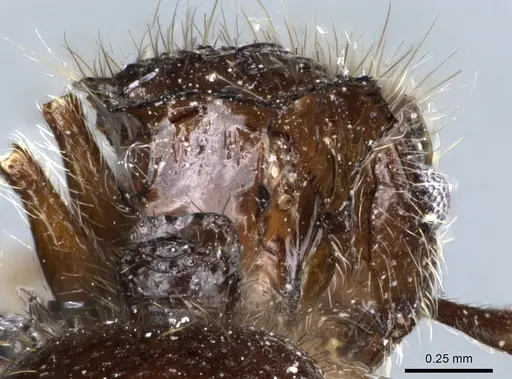
CASENT0101238
View on AntWeb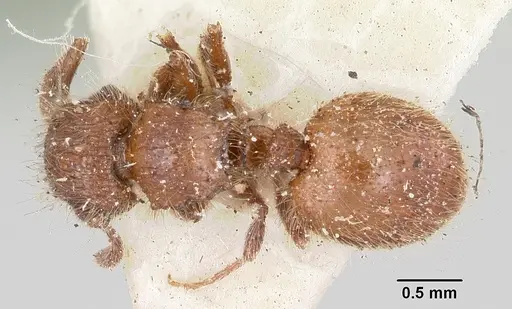
CASENT0101239
View on AntWeb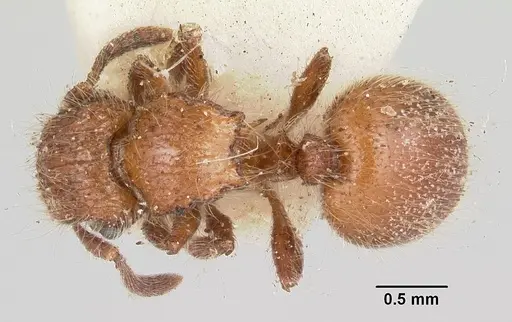
CASENT0101634
View on AntWeb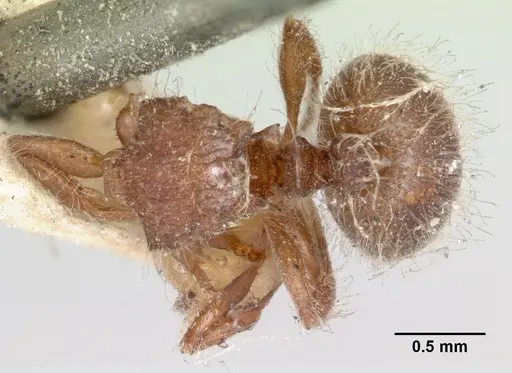

CASENT0101641
View on AntWeb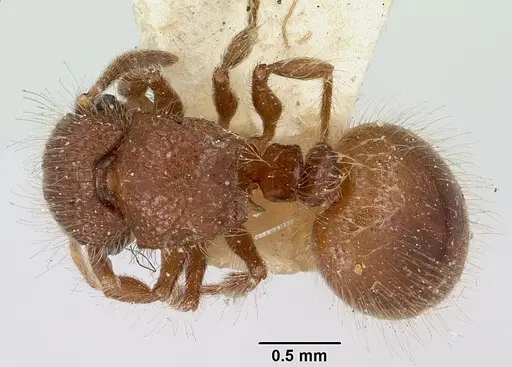
CASENT0102066
View on AntWeb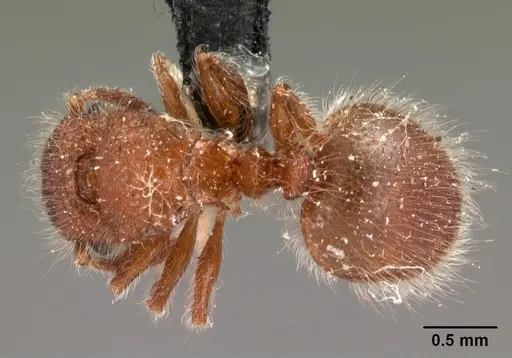
CASENT0104611
View on AntWeb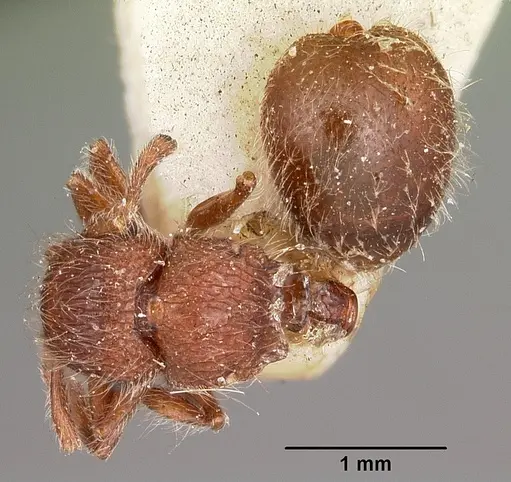
CASENT0115117
View on AntWeb
CASENT0317524
View on AntWeb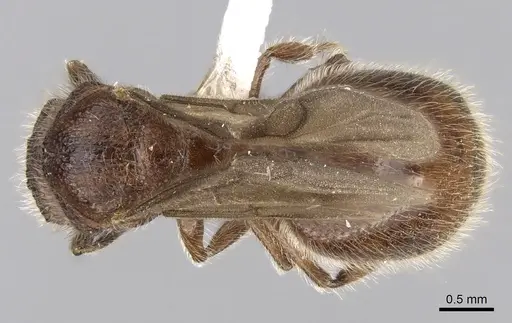
CASENT0317525
View on AntWeb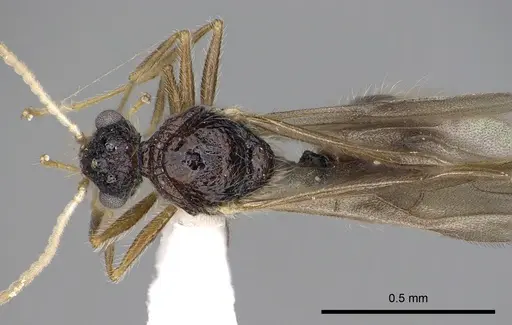
CASENT0317561
View on AntWeb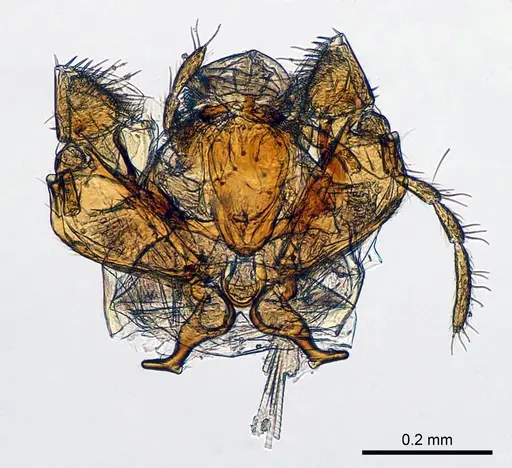
CASENT0317562
View on AntWeb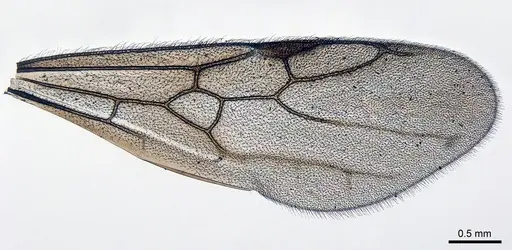
CASENT0486683
View on AntWeb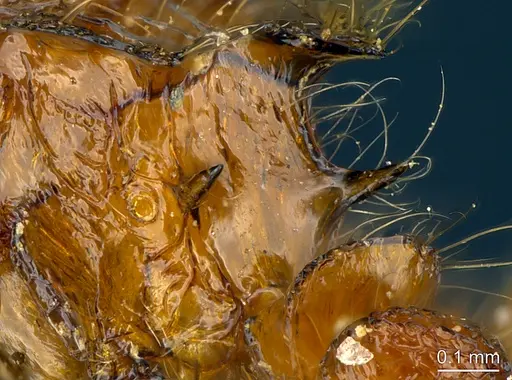
CASENT0486686
View on AntWeb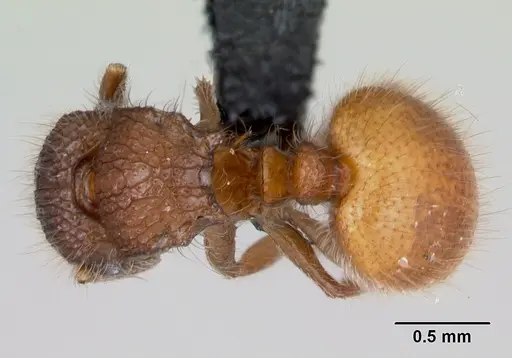
Literature
Loading...Loading products...