

Meranoplus oxleyi
- Scientific Name
- Meranoplus oxleyi
- Tribe
- Crematogastrini
- Subfamily
- Myrmicinae
- Author
- Forel, 1915
- Distribution
- Found in 1 countries
Meranoplus oxleyi Overview
Meranoplus oxleyi is an ant species of the genus Meranoplus. It is primarily documented in 1 countries , including Australia. Detailed taxonomic data and occurrence records can be further explored via authoritative databases such as AntWeb or the Global Biodiversity Information Facility (GBIF).
Meranoplus oxleyi
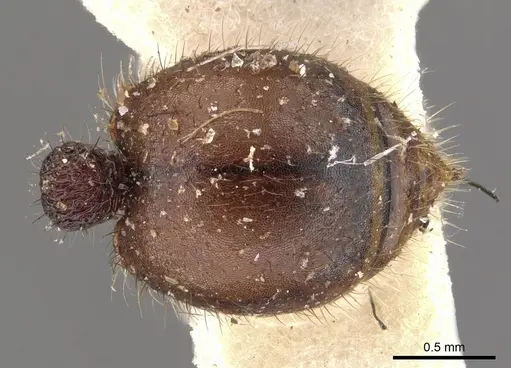
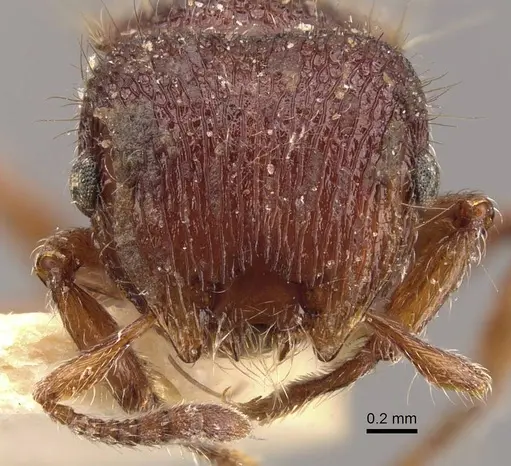
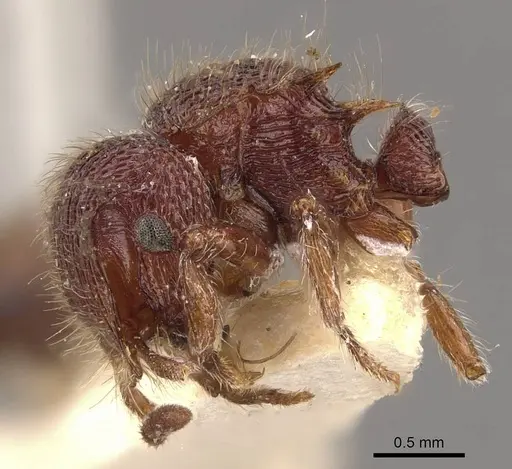
Meranoplus oxleyi is a small myrmicine ant native to northern Australia, found in the Kimberley region of Western Australia and the Top End of the Northern Territory. Workers measure 4.40-5.10mm and have a distinctive appearance with medium-sized eyes, a wedge-shaped petiole that is higher than long, and medium-length propodeal spines. They are brown to dark brown in color, with the gaster and legs being slightly brighter than the rest of the body. This species belongs to the Meranoplus diversus group and was originally described as a subspecies of M. diversus before being raised to full species status in 1990 [1][2].
These ants are ground-nesting and granivorous, meaning they collect and eat seeds. This makes them somewhat unusual among Myrmicinae, as many related species are primarily predatory or omnivorous. Their nesting habits and seed-based diet influence their care requirements in captivity, making them an interesting species for antkeepers who want to observe granivorous foraging behavior [2].
Quick Summary
- Difficulty: Medium
- Origin & Habitat: Kimberley region (Western Australia) and Top End (Northern Territory), Australia. They nest in the ground in tropical savanna and woodland habitats [2].
- Colony Type: Colony structure is unconfirmed. Most Meranoplus species establish single-queen colonies, but specific data for M. oxleyi is lacking.
- Size & Growth:
- Queen: Unknown, queen measurements not documented in available literature
- Worker: 4.40-5.10 mm [2]
- Colony: Unknown, colony size has not been documented
- Growth: Unknown, growth rate has not been studied
- Development: Unconfirmed, no direct development data exists for this species. Based on typical Meranoplus patterns and tropical origin, estimate 6-10 weeks at optimal temperature. (Tropical species from northern Australia likely develop relatively quickly when kept warm.)
- Antkeeping:
- Temperature: Keep at 24-28°C. Being from tropical northern Australia, they prefer warm conditions. A heating cable on one side of the nest can create a gentle gradient if room temperature is below this range.
- Humidity: Moderate humidity around 50-70%. As ground-nesting ants from a relatively dry tropical region, they prefer substrate that can dry out between waterings. Allow the nest substrate to partially dry before rehydrating.
- Diapause: Not required. As a species from tropical northern Australia, they do not experience harsh winters. However, they may show reduced activity during the dry season in their native range.
- Nesting: Ground-nesting species. Test tubes with a water reservoir work well for founding colonies. Established colonies can be kept in plaster nests or naturalistic setups with soil substrate. Provide some compact soil chambers for seed storage.
- Behavior: Meranoplus oxleyi is a relatively calm, non-aggressive species. Workers are moderate in size and can handle small seeds as well as small protein sources. They are granivorous by nature, collecting seeds to feed on internally. They are not known to be escape artists, but standard escape prevention is still recommended. Workers are active foragers that will search for seeds and small prey items. Their moderate eye size suggests they rely primarily on chemical cues and may have good vision for navigating their environment [2].
- Common Issues: seed storage can mold if the nest is too wet, allow substrate to dry between waterings, colony size is unknown so growth expectations are uncertain, granivorous diet means they need a constant seed supply plus occasional protein, humidity that is too high can cause fungal problems in seed stores, wild-caught colonies may be difficult to establish in captivity
Nest Preferences and Housing
Meranoplus oxleyi is a ground-nesting species that naturally forms nests in soil. In captivity, you can start colonies in a simple test tube setup with a water reservoir. The test tube should have a cotton barrier separating the water from the foraging area. For established colonies, a plaster nest or a naturalistic setup with a soil substrate works well. These ants prefer compact soil chambers where they can store seeds, so avoid overly loose substrate. A nest with multiple small chambers mimics their natural underground tunnels. Keep the nest relatively dry, these ants come from a region with distinct wet and dry seasons, so they can tolerate periods of lower humidity. [2]
Feeding and Diet
As a granivorous species, M. oxleyi primarily eats seeds. Provide a variety of small seeds such as grass seeds, millet, or commercial ant seed mixes. They will also accept small protein sources like fruit flies, small mealworms, or other tiny insects. In the wild, these ants harvest seeds from the ground and consume them directly. Offer seeds constantly in the outworld, and remove any uneaten seeds that show signs of mold. Protein should be offered 1-2 times per week. Unlike many ants that prefer liquid sugar sources, granivorous species like this one may not strongly prefer honey or sugar water, though you can offer it occasionally. Observe your colony's preferences and adjust accordingly. [2]
Temperature and Seasonal Care
Being from tropical northern Australia, M. oxleyi prefers warm temperatures in the range of 24-28°C. This species does not require hibernation or diapause. In fact, cooler temperatures may slow their activity and growth significantly. You can use a heating cable placed on top of the nest to maintain warmth, but ensure it does not dry out the nest too quickly. Room temperature in most homes should be sufficient during summer months, but you may need supplemental heating in winter or in cooler climates. Monitor colony activity, if workers become sluggish, try raising the temperature slightly. The dry season in their native range may cause natural periods of reduced activity, so do not be alarmed if the colony is less active during certain times of year.
Colony Establishment
Establishing a colony from a wild-caught queen can be challenging. If you find a queen, she should be placed in a test tube setup with a water reservoir. Since founding behavior is unconfirmed for this species, assume claustral founding (queen seals herself in and lives off stored fat). Keep the setup in a warm, dark place and wait 4-8 weeks for the first workers to emerge. Do not disturb the queen during this period. Once workers emerge, you can begin offering tiny seeds and small protein items in the outworld. Wild-caught colonies may have difficulty adjusting to captivity, so starting with a queen-caught colony gives you the best chance of success. Be patient, growth may be slower than more common species until you learn their preferences.
Behavior and Observation
Workers of M. oxleyi are active foragers that search for seeds and small prey. Their medium-sized eyes suggest they may use visual cues alongside chemical pheromones for navigation. The species is not particularly aggressive and rarely bites or stings humans. In the nest, you may observe workers carrying seeds back to storage chambers, this granivorous behavior is one of the more interesting aspects of keeping this species. The wedge-shaped petiole and distinctive propodeal spines make workers easily identifiable under magnification. Colonies are likely to be moderate in size, so you should be able to observe interesting social behaviors without the colony becoming unmanageable. [2]
Frequently Asked Questions
What do Meranoplus oxleyi ants eat?
They are granivorous, meaning they primarily eat seeds. Offer small seeds like grass seeds, millet, or commercial ant seed mixes. They also accept small protein sources like fruit flies or tiny mealworms. Seeds should be available constantly, with protein offered 1-2 times per week.
How long does it take for Meranoplus oxleyi to produce first workers?
The exact development time is unconfirmed, but based on typical Meranoplus patterns and their tropical origin, expect first workers (nanitics) to emerge in 6-10 weeks after the queen lays eggs, assuming optimal temperature around 26°C.
What temperature do Meranoplus oxleyi need?
Keep them warm at 24-28°C. Being from tropical northern Australia, they prefer warm conditions and may become sluggish if temperatures drop below 22°C.
Do Meranoplus oxleyi need hibernation?
No, they do not require hibernation. As a tropical species from northern Australia, they do not experience cold winters in their native habitat.
What size do Meranoplus oxleyi workers reach?
Workers are 4.40-5.10mm in total length, making them a small but not tiny species that is easy to observe.
Are Meranoplus oxleyi good for beginners?
They are rated as medium difficulty. While not the easiest species, they are manageable once you understand their preference for warm, relatively dry conditions and their granivorous diet. They are less common in the hobby than some other species.
Can I keep multiple Meranoplus oxleyi queens together?
The colony structure is unconfirmed. Most Meranoplus species have single-queen colonies, so it is not recommended to house multiple unrelated queens together. If you find multiple queens in the wild, they should be housed separately.
What type of nest is best for Meranoplus oxleyi?
They are ground-nesting ants. Test tubes work well for founding colonies. For established colonies, a plaster nest or naturalistic setup with compact soil chambers for seed storage is ideal. Keep the nest relatively dry.
Do Meranoplus oxleyi ants sting?
They are not known for being aggressive and rarely sting humans. Their small size and mild temperament make them relatively safe to handle, though standard antkeeping precautions should always be followed.
Where is Meranoplus oxleyi found in the wild?
They are native to northern Australia, specifically the Kimberley region of Western Australia and the Top End of the Northern Territory. They nest in the ground in tropical savanna and woodland areas.
How big do Meranoplus oxleyi colonies get?
The maximum colony size is unknown. Based on related species, they likely reach several hundred workers. Growth is expected to be moderate to fast when kept at optimal temperature.
Why are my Meranoplus oxleyi dying?
Common causes include: temperatures that are too cool (below 22°C), excessive humidity leading to mold in seed stores, poor nutrition, or stress from wild-caught origins. Ensure warm temperatures, proper but not excessive humidity, and provide a varied diet of seeds and protein.
References

This caresheet is licensed under CC BY-SA 4.0 .
CASENT0908937
View on AntWeb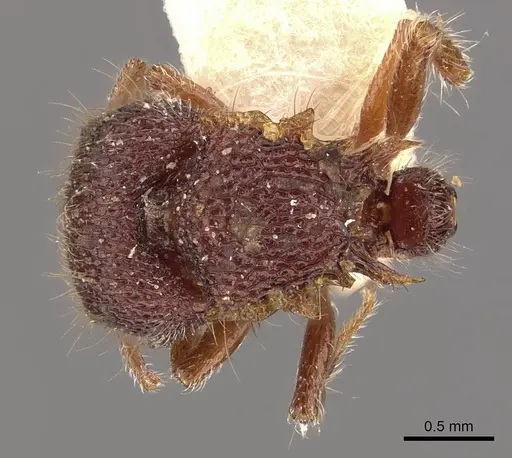
Literature
Loading...Loading products...