

Meranoplus nanus
- Scientific Name
- Meranoplus nanus
- Tribe
- Crematogastrini
- Subfamily
- Myrmicinae
- Author
- André, 1892
- Distribution
- Found in 5 countries
Meranoplus nanus Overview
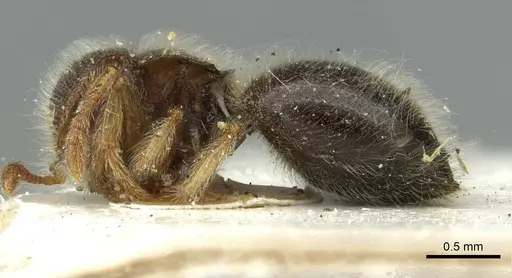
Meranoplus nanus is an ant species of the genus Meranoplus. It is primarily documented in 5 countries , including Congo, Democratic Republic of the, Gabon. Detailed taxonomic data and occurrence records can be further explored via authoritative databases such as AntWeb or the Global Biodiversity Information Facility (GBIF).
Meranoplus nanus
Meranoplus nanus is a small Myrmicinae ant species native to Central Africa, found across countries including Gabon, Democratic Republic of Congo, Tanzania, Uganda, Nigeria, and Mozambique [1]. Workers are characterized by their nearly vertical propodeum armed with short stout spines, and mandibles with four teeth. The genus Meranoplus is known for their distinctive shield-like head structure. This species has been documented at elevations ranging from 110m to 640m in Gabon [2]. Very little is known about the specific biology of this species, it represents one of the more poorly documented African ants in the hobby.
Quick Summary
- Difficulty: Unknown, likely Medium based on genus patterns
- Origin & Habitat: Central Africa (Gabon, DRC, Tanzania, Uganda, Nigeria, Mozambique), low to mid elevation forests [1][2]
- Colony Type: Unconfirmed, no data on colony structure
- Size & Growth:
- Queen: Unknown, not described in literature
- Worker: Small (approximately 3-4mm based on genus patterns)
- Colony: Unknown, no colony size data available
- Growth: Unknown
- Development: Unknown, likely 6-10 weeks based on typical Myrmicinae development (Development timeline unconfirmed for this species)
- Antkeeping:
- Temperature: Start around 22-26°C and observe colony activity, no specific data available
- Humidity: Keep substrate moderately moist, these are forest ants from tropical regions
- Diapause: Unknown for this species, tropical ants may not require formal hibernation
- Nesting: Likely prefers nesting in rotting wood or soil cavities based on genus patterns, Y-tong or plaster nests with some moisture retention work well
- Behavior: Behavior is unstudied, Meranoplus genus members are generally not aggressive and are moderate foragers. Escape prevention should be good regardless since their small size means they can slip through gaps. No documented sting severity for this specific species.
- Common Issues: no biological data means care is largely estimated, expect some trial and error, very small size makes escape prevention critical, use fine mesh barriers, no documented diet preferences, start with standard ant foods and observe, predation by toads documented in wild, keep enclosures secure from predators, limited availability in antkeeping hobby, may be difficult to acquire
Distribution and Habitat
Meranoplus nanus is found across Central Africa, with documented records from Gabon, Democratic Republic of Congo, Tanzania, Uganda, Nigeria, and Mozambique [1]. The type specimen was described from Gabon, and the species has been collected at elevations ranging from 110m to 640m in the Monts Doudou region of southwestern Gabon [2]. This elevation range suggests they inhabit lowland to montane forest environments. The DRC records come from HU and LU provinces [3]. Very little is known about their specific microhabitat preferences within these regions.
Identification and Morphology
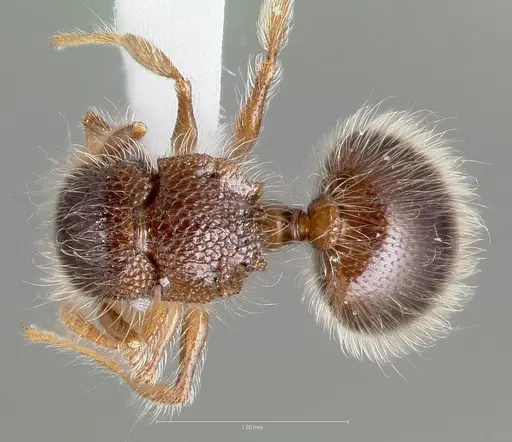
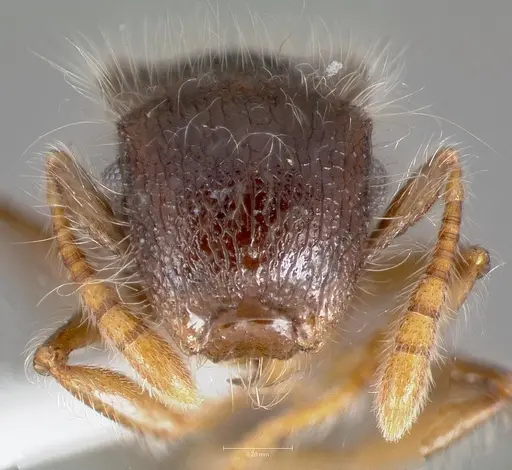
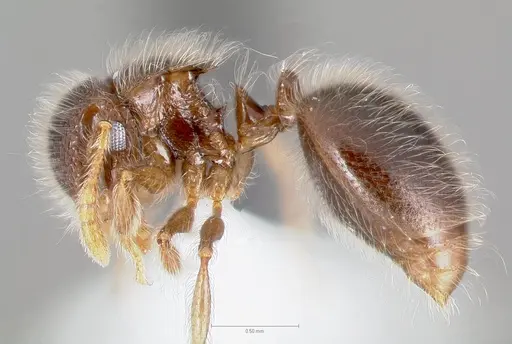
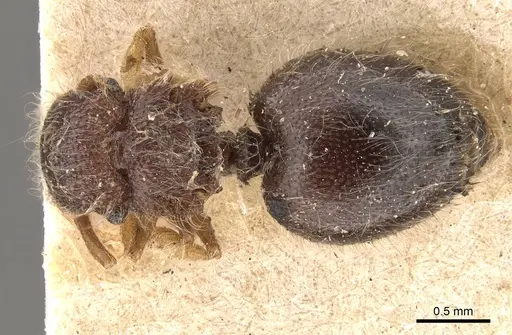
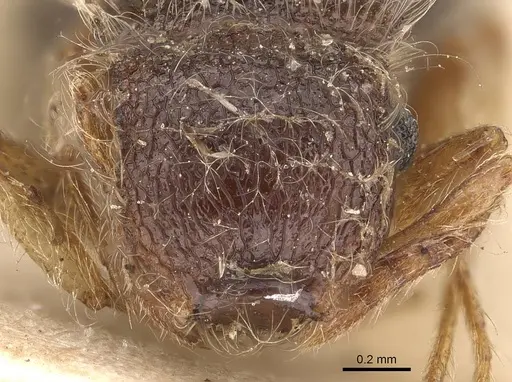
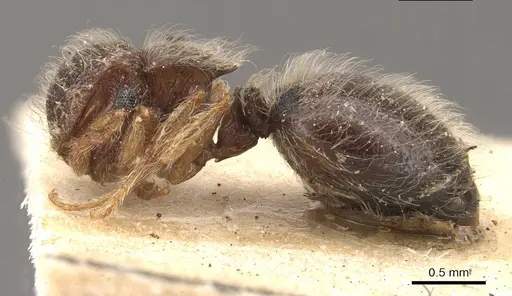
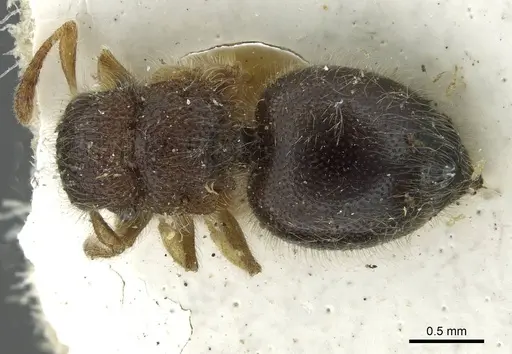
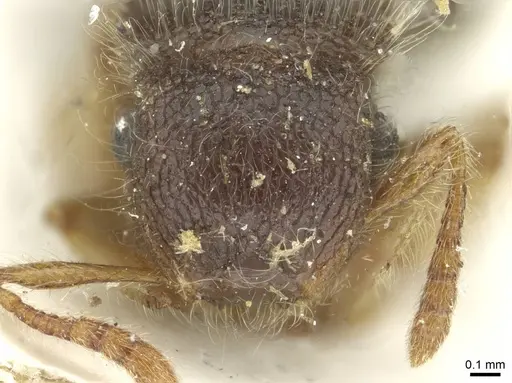
Workers of Meranoplus nanus can be identified by their nearly vertical propodeum (the rear portion of the thorax) which is armed at mid-depth with a pair of short, stout spines [1]. Their mandibles have four teeth each. The anterior clypeal margin (the front edge of the face shield) has a narrow translucent apron with a longitudinal carina on each side of the median portion running forward to the apron. The anterior half of the clypeus is usually shallowly concave between these carinae [1]. Queens have been described by Santschi in 1914 [1]. The genus Meranoplus is known for their distinctive shield-like head structure, which helps differentiate them from other Myrmicinae ants.
Natural History and Predators
Very little specific biological data exists for Meranoplus nanus. However, one documented record shows they fall prey to the frog Bufo funereus in Congo, their remains were found in the stomach contents of this toad [4]. This indicates they are part of the forest floor ant community and face predation from amphibians. The genus Meranoplus generally consists of ants that nest in rotting wood, under bark, or in soil cavities, and they typically forage for small insects and honeydew. However, no specific foraging behavior or diet has been documented for this particular species.
Care Recommendations
Since no specific care data exists for Meranoplus nanus, care should be based on typical Meranoplus genus requirements and the conditions of their native habitat. Keep the nest at temperatures around 22-26°C initially and adjust based on colony behavior, these are tropical forest ants so they prefer warmth but not extreme heat. Maintain moderate humidity in the nest substrate, damp but not waterlogged. Given their small size and likely nesting preferences, a Y-tong or plaster nest with some moisture retention works well. For feeding, start with standard ant foods: sugar water or honey as an energy source, and small protein sources like fruit flies, pinhead crickets, or other small insects. Observe your colony's preferences and adjust accordingly. Escape prevention is critical due to their very small size, use fine mesh barriers and tight-fitting lids.
Challenges and Considerations
This species presents significant challenges for ant keepers. First, there is almost no biological data available, everything about their colony structure, founding behavior, development timeline, and exact temperature/humidity needs is estimated from genus patterns rather than documented. This means keepers should expect some trial and error in establishing optimal care conditions. Second, the species appears to have very limited distribution in the hobby, they are not commonly kept or traded. Third, their small size makes them prone to escaping through tiny gaps, so excellent escape prevention is essential. Finally, since they are documented prey for toads, enclosures should be secured from potential predators if kept in a room with amphibians.
Frequently Asked Questions
How long does it take for Meranoplus nanus to develop from egg to worker?
The egg-to-worker timeline is unconfirmed for this species. Based on typical Myrmicinae development patterns, it likely takes 6-10 weeks at optimal temperatures, but this is an estimate only.
What do Meranoplus nanus ants eat?
Specific diet preferences are undocumented for this species. Based on genus patterns, they likely accept small insects and honeydew. In captivity, offer sugar water or honey for energy and small protein sources like fruit flies or pinhead crickets.
What temperature should I keep Meranoplus nanus at?
No specific temperature data exists. Start around 22-26°C and observe colony activity, increase slightly if they cluster near heat, reduce if they avoid heated areas. These are tropical forest ants so they prefer warmth.
Are Meranoplus nanus good for beginners?
This species is not recommended for beginners due to the complete lack of documented care information. All care must be estimated from genus patterns, which requires experience with ant keeping to adjust appropriately.
Do Meranoplus nanus ants sting?
Sting severity is undocumented for this species. Meranoplus genus members are generally not considered aggressive, and most Myrmicinae have small stingers that rarely penetrate human skin.
How big do Meranoplus nanus colonies get?
Maximum colony size is unknown, no colony size data has been documented in the scientific literature for this species.
Do Meranoplus nanus need hibernation or diapause?
Diapause requirements are unconfirmed. As tropical ants from Central Africa, they likely do not require formal hibernation, but may slow down during cooler periods.
Can I keep multiple Meranoplus nanus queens together?
Colony structure is unconfirmed, no data exists on whether they are single-queen or multi-queen colonies. Combining unrelated queens is not recommended due to lack of information.
What is the best nest type for Meranoplus nanus?
Based on genus patterns, they likely prefer nesting in rotting wood or soil cavities. A Y-tong or plaster nest with moderate moisture retention would be appropriate starting points.
Where does Meranoplus nanus come from?
This species is native to Central Africa, found in Gabon, Democratic Republic of Congo, Tanzania, Uganda, Nigeria, and Mozambique at low to mid elevations.
References

This caresheet is licensed under CC BY-SA 4.0 .
Literature
Loading...Loading products...