

Meranoplus mucronatus
- Scientific Name
- Meranoplus mucronatus
- Tribe
- Crematogastrini
- Subfamily
- Myrmicinae
- Author
- Smith, 1857
- Distribution
- Found in 3 countries
Meranoplus mucronatus Overview
Meranoplus mucronatus is an ant species of the genus Meranoplus. It is primarily documented in 3 countries , including Indonesia, Malaysia, Thailand. Detailed taxonomic data and occurrence records can be further explored via authoritative databases such as AntWeb or the Global Biodiversity Information Facility (GBIF).
Meranoplus mucronatus
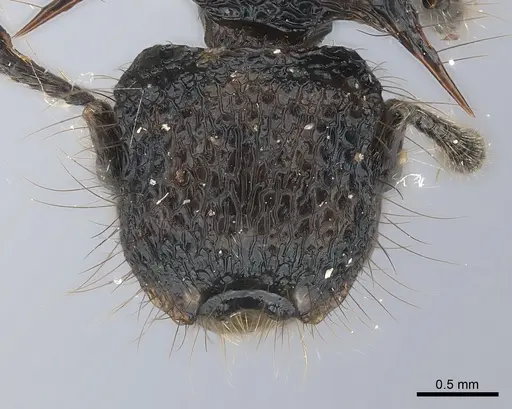
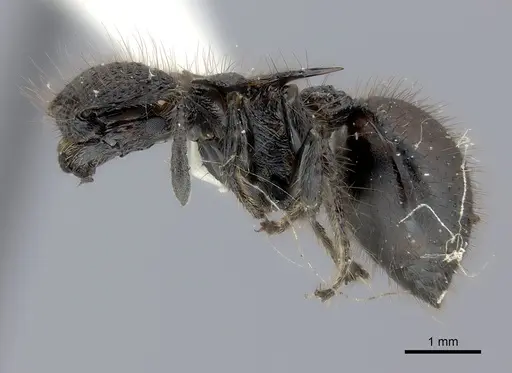
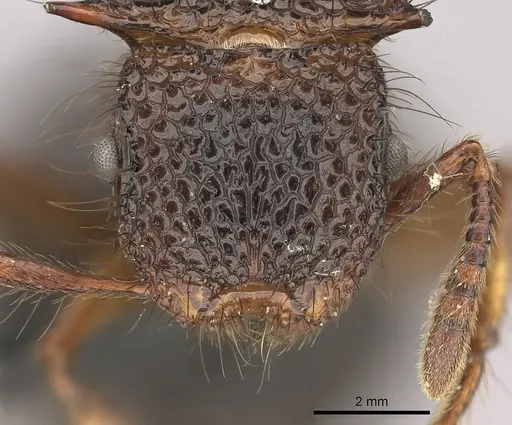
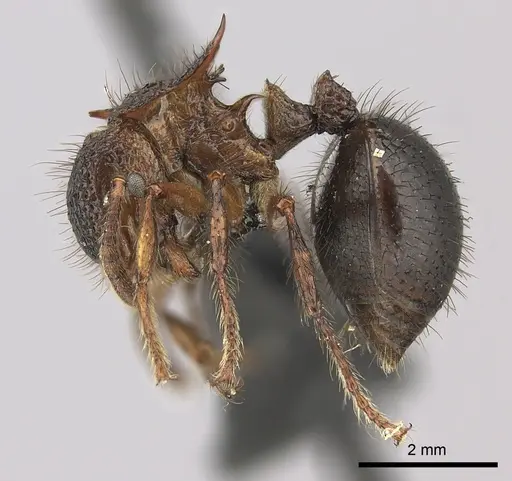
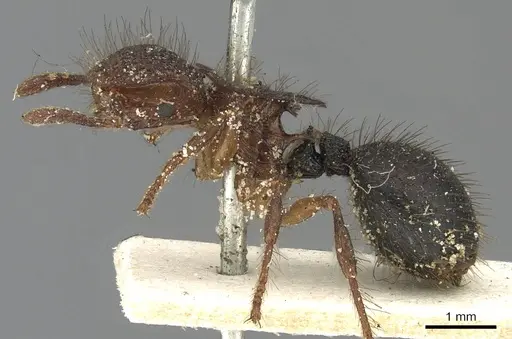
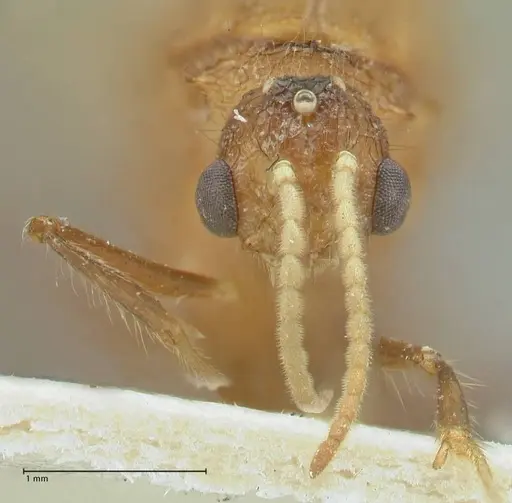
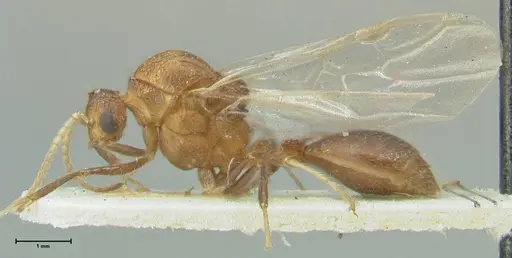
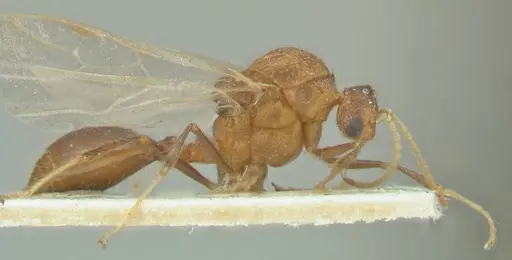
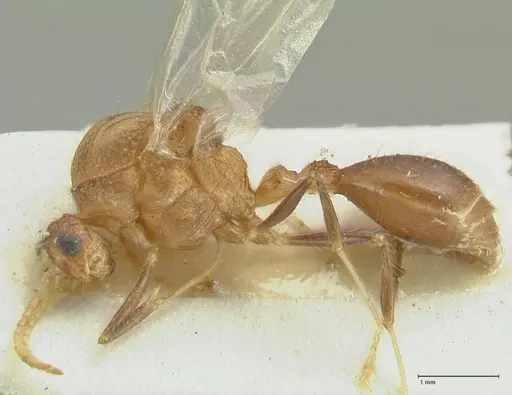
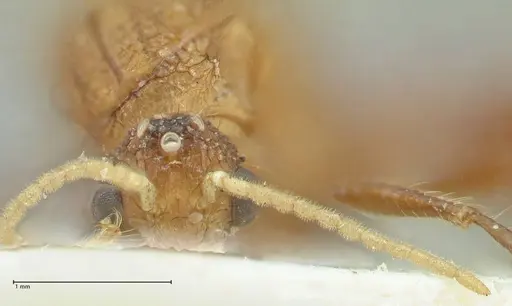
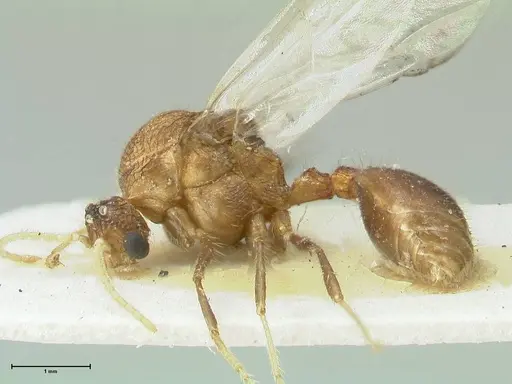
Meranoplus mucronatus is a medium-sized ant species native to Southeast Asia, found across Malaysia, Indonesia, Thailand, Myanmar, and Singapore. Workers measure 5.8-7.1mm and are easily recognized by their dramatically spined promesonotal shield, the largest spines in the Oriental region, giving them a distinctive appearance. They are bicolored with reddish-brown to dark brown head, alitrunk, petiole and postpetiole, while the abdomen is darker. These ants live in rainforest habitats, typically nesting in hollow trees and foraging on tree trunks where they tend to sap-sucking insects. This is the largest Meranoplus species in the region and one of the most distinctive.[1][2]
Quick Summary
- Difficulty: Medium
- Origin & Habitat: Southeast Asia, Malaysia, Indonesia (Kalimantan, Sumatra), Thailand, Myanmar, Singapore. Found in rainforest leaf-litter and hollow trees, with foragers observed on tree trunks in tropical forest environments.[1][3][4]
- Colony Type: Colony structure is unconfirmed. Based on related Meranoplus species, likely single-queen colonies. One documented colony was found in a hollow tree in Singapore.[3]
- Size & Growth:
- Queen: Unconfirmed, workers are 5.8-7.1mm [1]
- Worker: 5.8-7.1mm [1]
- Colony: Unknown, likely moderate-sized colonies based on genus patterns
- Growth: Moderate, estimated based on tropical Myrmicinae patterns
- Development: Unknown, no direct data available. Estimate 6-8 weeks based on typical Myrmicinae development in tropical conditions. (Development timeline not directly studied. Related tropical Myrmicinae typically develop in 6-8 weeks at warm temperatures.)
- Antkeeping:
- Temperature: Keep at 24-28°C. These are tropical ants from rainforest habitats, so they need warm, stable temperatures. A heating cable on one side of the nest creates a suitable gradient.[4]
- Humidity: High humidity required, rainforest species. Keep nest substrate consistently moist but not waterlogged. Provide a water tube for drinking water.[4][2]
- Diapause: No, as a tropical species, they do not require hibernation. Keep temperatures stable year-round.[4]
- Nesting: In captivity, they do well in Y-tong or plaster nests that retain moisture. Provide chambers scaled to their medium size. They are arboreal-nesting in nature (hollow trees), so include some vertical space. Avoid completely dry setups.[3][2]
- Behavior: Workers are active foragers that travel in well-defined trails, especially when tending honeydew-producing insects. They are moderately aggressive and will defend their food sources vigorously, they attack foreign objects and secrete defensive fluid from their stinger. They show no aggression toward the bugs they tend. Escape risk is moderate due to their medium size, standard barriers work well but check for gaps.[2]
- Common Issues: tropical species needs warmth, temperatures below 22°C may slow activity and brood development, they form trophobiotic relationships in the wild, may be stressed without some form of sugar or honeydew source, rainforest humidity needs are high, dry conditions can be fatal, colonies may be difficult to establish from queen founding due to limited data on their biology, moderate size means standard escape prevention is usually sufficient but check lid fit
Housing and Nest Setup
Meranoplus mucronatus does well in Y-tong (acrylic) nests or plaster nests that can hold moisture. These are medium-sized ants at 5.8-7.1mm, so provide chambers that give them room to move but aren't excessively large. Since they are arboreal-nesting in nature (colonies have been found in hollow trees), include some vertical space in the setup. A test tube setup works for founding colonies, but transfer to a formicarium once the colony reaches 20-30 workers. Keep the nest area humid, these rainforest ants need moisture to thrive. A water tube attached to the nest provides drinking water.[3][2]
Temperature and Heating
As a tropical rainforest species from Southeast Asia, Meranoplus mucronatus needs warm conditions. Keep the nest at 24-28°C for optimal activity and brood development. Room temperature may be sufficient if your home stays in this range, otherwise use a heating cable placed on one side of the nest to create a gentle temperature gradient. Avoid temperatures below 22°C for extended periods, this tropical species does not tolerate cool conditions well. Stable temperatures are important, avoid drafts and air conditioning vents near the colony.[4][2]
Feeding and Diet
In the wild, these ants are active trophobionts, they tend to sap-sucking insects like Tropidotylus bugs and collect honeydew. They build protective pavilions around these bugs and aggressively defend them. In captivity, offer sugar water or honey as a regular energy source. For protein, provide small insects like fruit flies, small crickets, or mealworms. They are moderate predators and will accept standard ant protein sources. Feed protein 2-3 times per week and keep sugar water available at all times. Their trail-forming behavior means they may prefer feeding stations they can access repeatedly.[2]
Humidity and Water
These ants come from humid rainforest environments in Southeast Asia. Keep the nest substrate consistently moist but not waterlogged, the substrate should feel damp to the touch. Provide a water tube for drinking water, which they will use. Good ventilation is important to prevent mold while maintaining humidity. If you see condensation constantly pooling, increase ventilation slightly. If the substrate dries too quickly, add moisture more often but ensure drainage to prevent flooding.[4][2]
Behavior and Colony Dynamics
Workers are active foragers that form well-defined trails, especially when accessing food sources like honeydew-producing insects. They are moderately aggressive when defending their resources, researchers observed them attacking forceps and secreting defensive fluid when their bugs were threatened. They show no aggression toward the insects they tend, forming mutualistic relationships. Colonies likely grow to moderate sizes (hundreds of workers) based on related species. They are not particularly shy and will explore the outworld regularly. Standard escape prevention works well for their medium size.[2]
Frequently Asked Questions
How long does it take for Meranoplus mucronatus to develop from egg to worker?
The exact development timeline has not been directly studied for this species. Based on typical Myrmicinae development in tropical conditions, estimate 6-8 weeks from egg to first worker at optimal temperatures (24-28°C).
What temperature do Meranoplus mucronatus ants need?
Keep them at 24-28°C. These are tropical rainforest ants from Southeast Asia and need warm, stable temperatures. Room temperature is often suitable, or use a heating cable on one side of the nest for a gradient.[4]
Do Meranoplus mucronatus ants need hibernation?
No, they do not need hibernation. As a tropical species from Malaysia, Indonesia, and Thailand, they require stable warm temperatures year-round. Do not expose them to cool temperatures below 20°C for extended periods.
What do Meranoplus mucronatus eat?
They are trophobiotic ants that primarily feed on honeydew from sap-sucking insects. In captivity, provide sugar water or honey constantly, and offer protein sources like small insects (fruit flies, small crickets, mealworms) 2-3 times per week.[2]
How big do Meranoplus mucronatus colonies get?
Colony size is not well documented, but based on related Meranoplus species, they likely reach several hundred workers. One documented colony was found in a hollow tree in Singapore.[3]
Are Meranoplus mucronatus good for beginners?
They are rated as medium difficulty. They have specific humidity and temperature needs as rainforest species, but their moderate size and standard ant care requirements make them manageable for keepers with some experience. The main challenges are maintaining warmth and humidity year-round.[4]
Do Meranoplus mucronatus ants sting?
Yes, they have a reduced stinger and can secrete defensive fluid when threatened. They are moderately aggressive and will defend their food sources, but they are not considered dangerous to humans.[2]
What size are Meranoplus mucronatus workers?
Workers are 5.8-7.1mm, making them medium-sized ants. They are the largest Meranoplus species in the Oriental region and are easily recognized by their dramatically spined promesonotal shield.[1]
Can I keep multiple Meranoplus mucronatus queens together?
Colony structure is not well documented for this species. Based on related Meranoplus patterns, they likely form single-queen colonies. Combining unrelated queens is not recommended as it has not been studied and could result in aggression.
References

This caresheet is licensed under CC BY-SA 4.0 .
CASENT0217857
View on AntWeb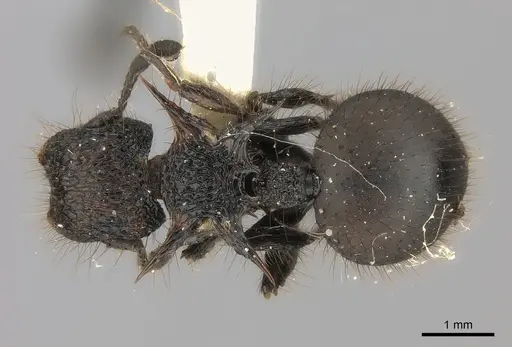
CASENT0270182
View on AntWeb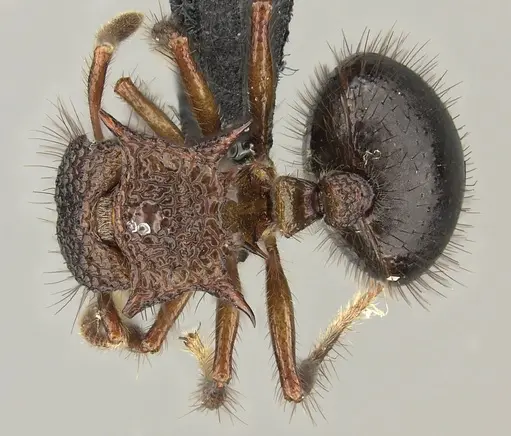
CASENT0902028
View on AntWeb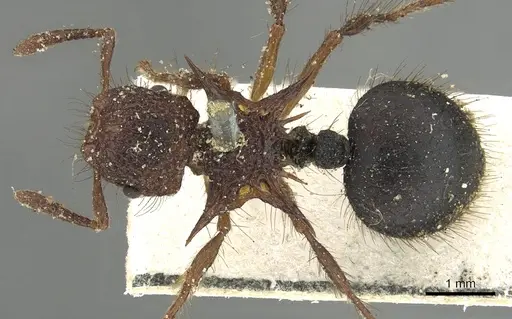
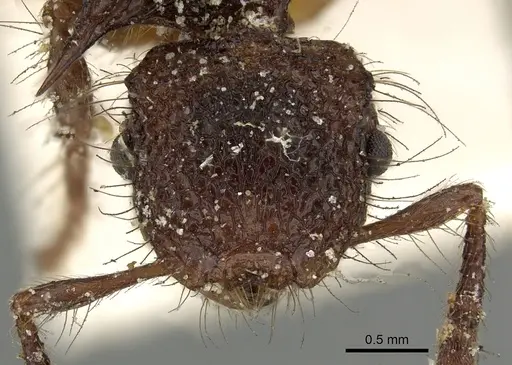
FOCOL1932
View on AntWeb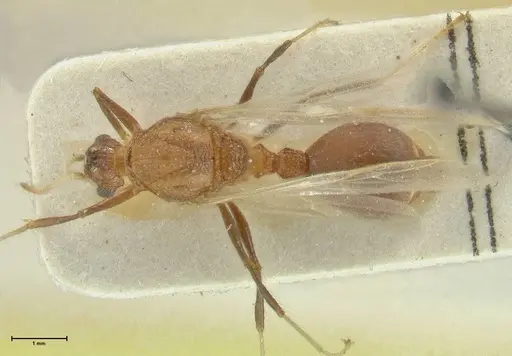
FOCOL1933
View on AntWeb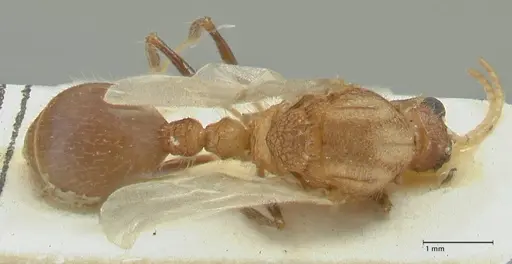
FOCOL1934
View on AntWeb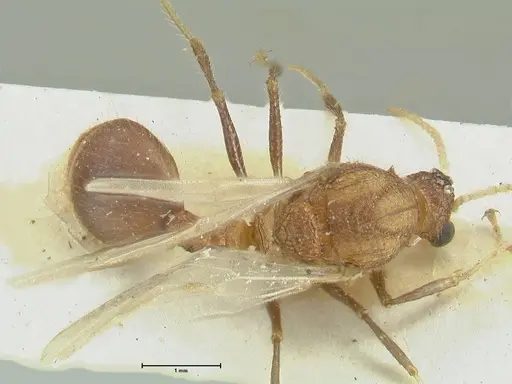
Literature
Loading...Loading products...