

Meranoplus mosalahi
- Scientific Name
- Meranoplus mosalahi
- Tribe
- Crematogastrini
- Subfamily
- Myrmicinae
- Author
- Sharaf, 2019
- Distribution
- Found in 1 countries
Meranoplus mosalahi Overview
Meranoplus mosalahi is an ant species of the genus Meranoplus. It is primarily documented in 1 countries , including Yemen. Detailed taxonomic data and occurrence records can be further explored via authoritative databases such as AntWeb or the Global Biodiversity Information Facility (GBIF).
Meranoplus mosalahi
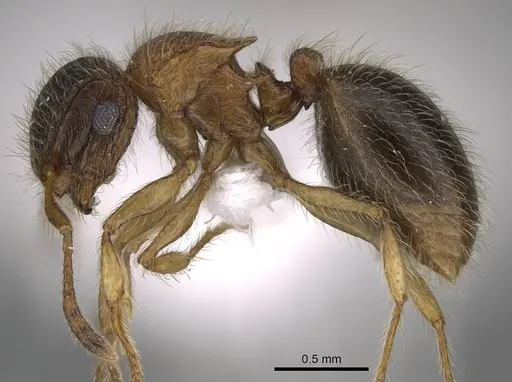
Meranoplus mosalahi is a small, bicolored ant endemic to the Dhofar Governorate in southern Oman. Workers measure 2.9-3.9mm with a distinctive color pattern: the head and gaster are brown while the antennae, mesosoma, petiole, postpetiole are pale brown, and the legs are yellow [1]. This species belongs to the Meranoplus magrettii-group and was only described in 2019,making it one of the newest ant species in the hobby. The genus Meranoplus is known for their unusual, shield-like mesosoma shape with prominent spines.
This species appears to be quite rare and restricted to the Dhalkout forest region near the Omani-Yemeni border, an area famous for its endemism. Workers are slow-moving and forage on the ground in shaded areas with moderately moist soil, often among small shrubs and grasses [1]. The slow movement and ground-foraging behavior makes them relatively easy to observe in captivity.
Quick Summary
- Difficulty: Unknown, Insufficient Data
- Origin & Habitat: Endemic to the Dhofar Governorate in southern Oman, specifically the Dhalkout forest area near the Yemeni border. Found in shaded areas with small shrubs and grasses where the soil is moderately moist [1].
- Colony Type: Colony structure is unconfirmed. No data on queen number or colony size in the wild.
- Size & Growth:
- Queen: Undescribed, no queen measurements available
- Worker: 2.9-3.9mm total length [2]
- Colony: Unknown, no wild colony data available
- Growth: Unknown
- Development: Unknown, no development data available (No research has documented the development timeline for this species. Related Meranoplus species typically develop in 6-10 weeks at warm temperatures, but this is an estimate.)
- Antkeeping:
- Temperature: Likely prefers warm conditions based on Omani habitat. Start around 24-28°C and observe colony activity. The Dhofar region is tropical/subtropical with temperatures regularly exceeding 30°C in summer.
- Humidity: Keep substrate moderately moist, these ants naturally occur in areas with damp soil. Allow some variation with drier areas available for the ants to choose.
- Diapause: Unknown, no research on overwintering requirements. Dhofar has mild winters, so they may not require a true diapause.
- Nesting: No specific nesting data exists. Based on related species, they likely nest in soil or under stones. A naturalistic setup with moist substrate or a Y-tong/plaster nest works as a starting point.
- Behavior: Workers are slow-moving and forage on the ground surface. They are not aggressive and likely rely on their spiny mesosoma for defense. Escape risk is moderate, they are small ants but not as tiny as some myrmicines. Standard escape prevention should suffice.
- Common Issues: very limited data makes care recommendations uncertain, no confirmed information on founding behavior or colony structure, development timeline is unknown, growth may be slow or fast, no data on whether they accept sugar sources, hibernation requirements are unconfirmed
Discovery and Taxonomy
Meranoplus mosalahi was only described in 2019 by Sharaf and Aldawood, making it one of the newest ant species available to hobbyists. It was discovered in the Dhalkout forests of Dhofar Governorate in southern Oman, a region known for its unique endemism due to its proximity to the Arabian Peninsula's southern tip and the Yemen border. The species name honors Mohammed Salah (Mo Salah), the Egyptian footballer [2].
This ant belongs to the Meranoplus magrettii-group, characterized by their distinctive shield-shaped mesosoma with prominent spines. The species can be identified by its bicolored body (brown head and gaster, pale brown mesosoma, yellow legs), the shallowly concave clypeal margin, and the smooth anterior face of the petiolar node [2]. Workers show notable size variation within the same nest series.
Natural Habitat and Distribution
This species is endemic to Oman, specifically the Dhofar Governorate in the south. Its known range is extremely limited, found only in the Dhalkout forest area near the Yemeni border. This restricted distribution makes M. mosalahi particularly special for antkeepers, as you're working with a species that exists nowhere else on Earth [3][1].
The natural habitat consists of shaded areas with ample small shrubs and grasses. Workers forage slowly on the ground where the soil is moderately moist. The Dhofar region has a tropical desert climate with monsoon influences in summer, creating conditions that support this species in its limited range. The combination of shade, ground-level foraging, and moisture preference gives clues about captive care needs.
Appearance and Identification
Meranoplus mosalahi workers are small ants measuring 2.9-3.9mm in total length. They have a distinctive bicolored appearance: the head and gaster are brown while the antennae, mesosoma, petiole, and postpetiole are pale brown. The legs are yellow, which stands out against the darker body parts [1].
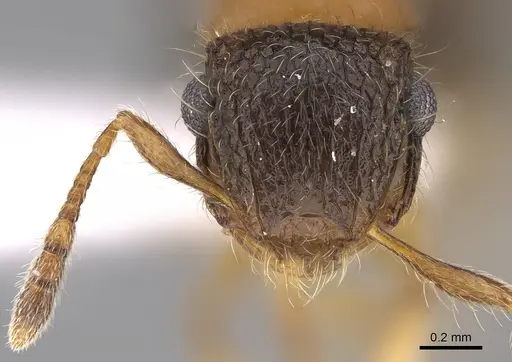
The genus Meranoplus is easily recognized by their unusual mesosoma shape, the promesonotal shield is broad and shield-like, with prominent spines at the posterior corners. In M. mosalahi, the promesonotal spines are sharp and well-developed, and the posterior margin between the spines is strongly concave. The head has distinctive longitudinal rugae (about 12), and the anterior face of the petiolar node is smooth, which helps distinguish it from similar species like M. pulcher [2].
Housing and Nesting
Since no specific nesting data exists for M. mosalahi, care recommendations must be based on the habitat clues and related species. The natural habitat has moderately moist soil in shaded areas, suggesting they prefer humid conditions without being waterlogged.
A naturalistic setup with a moist soil substrate and some hiding spots (pieces of bark, stones) would be a good starting point. Alternatively, a Y-tong or plaster nest with chambers that allow for moisture retention could work. Given their small size and slow movement, they are not escape artists in the same way as tiny ants like Pheidole, but standard barrier methods (Fluon on test tube rims, fine mesh on outworlds) are still recommended.
The outworld should have some cover and visual barriers since these ants seem to prefer shaded, protected foraging areas. A shallow water dish should always be available.
Feeding and Diet
The diet of M. mosalahi has not been documented in scientific literature. Based on typical Meranoplus behavior and related species in the genus, they are likely generalist foragers that collect small insects, honeydew, and nectar.
For captive care, offer a varied diet including: protein sources like small crickets, mealworms, or fruit flies, sugar sources like honey water or sugar water, and possibly some seeds or detritus. Since workers are slow-moving ground foragers, place food directly on the substrate where they can find it easily. Start with small prey items and observe acceptance.
Given the uncertainty around their diet, offering a variety and noting what gets consumed is the best approach. Remove uneaten prey after 24-48 hours to prevent mold.
Temperature and Humidity
The natural habitat in Dhofar, Oman is warm and subtropical. Summer temperatures regularly exceed 30°C, though the shaded forest microhabitat where these ants live is likely cooler. A temperature range of 24-28°C is a reasonable starting point, warm enough to support activity but not extreme.
Humidity should be moderate to high based on the "moderately moist" soil conditions at their collection sites. The substrate should feel damp but not waterlogged. Allow for some humidity gradient within the setup so ants can self-regulate by moving between moister and drier areas.
Since this species is newly described and no specific thermal tolerance data exists, observe your colony's behavior. If workers cluster near heat sources, increase temperature slightly. If they become sluggish, the temperature may be too low. [1]
Colony Development and Growth
No research has documented the colony development timeline for Meranoplus mosalahi. The original description only covers workers, no queen or male specimens have been described. This means we have no data on founding behavior, egg-to-worker development time, or maximum colony size.
Based on typical Meranoplus patterns and related Myrmicinae, expect development to take several months from egg to first worker. Colony growth is likely moderate rather than explosive. The worker size variation noted in the original description suggests this species may have flexible development, possibly influenced by nutrition or colony conditions.
For keepers, this means patience is essential. Do not expect rapid growth like some faster-developing Myrmicinae. Focus on providing stable, appropriate conditions and a varied diet, then allow the colony to develop at its own pace. [2]
Frequently Asked Questions
How long does it take for Meranoplus mosalahi to produce first workers?
The development timeline is unconfirmed, no scientific research has documented egg-to-worker time for this species. Based on related Meranoplus species, expect 6-10 weeks at warm temperatures, but this is an estimate. Patience is essential with this newly described species.
What do Meranoplus mosalahi ants eat?
Their diet is not documented in research, but based on related species, they likely accept small insects, honeydew, and nectar. Offer a varied diet including protein (small crickets, fruit flies), sugar sources (honey water, sugar water), and observe what they accept.
Are Meranoplus mosalahi good for beginners?
This species is not recommended for beginners due to the very limited care data available. Since it was only described in 2019,there is no established husbandry knowledge. Start with more documented species first.
Do Meranoplus mosalahi ants sting?
Meranoplus ants have a stinger, though it is small. Given their docile, slow-moving nature and small size, stings are unlikely to penetrate human skin. They are not considered dangerous to keepers.
What temperature should I keep Meranoplus mosalahi at?
Based on their Omani habitat, start around 24-28°C. The Dhofar region is warm and subtropical. Observe your colony's activity level and adjust if they seem sluggish (too cold) or overly agitated (too warm).
How big do Meranoplus mosalahi colonies get?
Maximum colony size is unknown, no wild colony data exists for this species. The limited distribution suggests colonies may be smaller than some widespread Meranoplus species. Expect moderate-sized colonies over time.
Can I keep multiple Meranoplus mosalahi queens together?
Colony structure is unconfirmed. No research documents whether this species is single-queen (monogyne) or multi-queen (polygyne). Do not attempt combining unrelated queens until more is known.
Where is Meranoplus mosalahi found in the wild?
This species is endemic to the Dhofar Governorate in southern Oman, specifically the Dhalkout forest area near the Yemeni border. It is one of the rarest ants in the hobby, being found only in this very limited region.
Do Meranoplus mosalahi need hibernation?
Diapause requirements are unknown. The Dhofar region has mild winters, so they may not require a true hibernation. If activity decreases in winter, reduce feeding and lower temperatures slightly rather than a full hibernation.
What makes Meranoplus mosalahi special compared to other ants?
This species is one of the newest ants in the hobby (described in 2019) and is endemic to a very restricted area of Oman. The bicolored appearance with yellow legs and the distinctive shield-like mesosoma with spines make them visually unique. They represent a rare opportunity to keep an endemic, newly described species.
References

This caresheet is licensed under CC BY-SA 4.0 .
CASENT0922861
View on AntWeb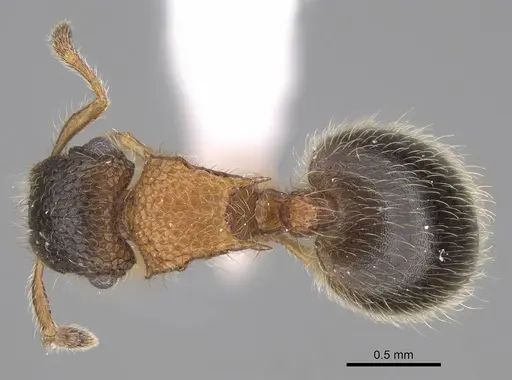
Literature
Loading...Loading products...