

Meranoplus mars
- Scientific Name
- Meranoplus mars
- Tribe
- Crematogastrini
- Subfamily
- Myrmicinae
- Author
- Forel, 1902
- Distribution
- Found in 1 countries
Meranoplus mars Overview
Meranoplus mars is an ant species of the genus Meranoplus. It is primarily documented in 1 countries , including Australia. Detailed taxonomic data and occurrence records can be further explored via authoritative databases such as AntWeb or the Global Biodiversity Information Facility (GBIF).
Meranoplus mars
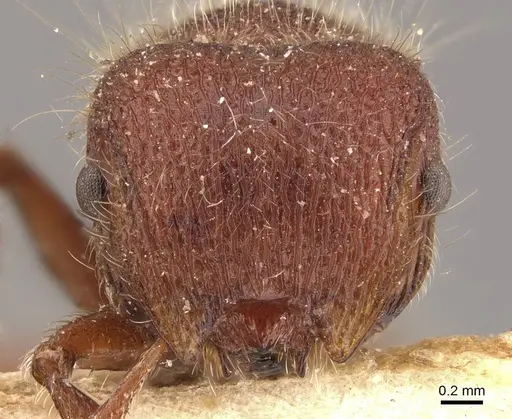
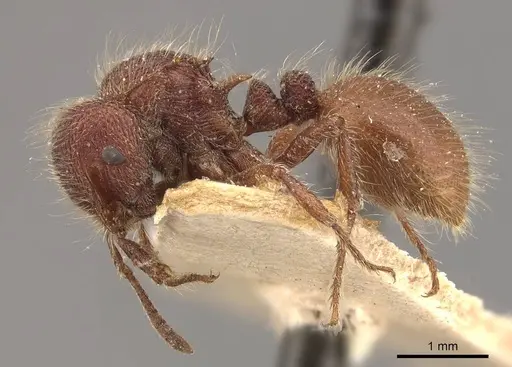
Meranoplus mars is a medium-sized myrmicine ant native to coastal Australia, from Queensland's Charters Towers region extending south-central to the north-east coast. Workers measure 5.45-6.50mm and have a distinctive appearance with large compound eyes, hook-like mesonotal projections, and moderately long diverging propodeal spines. They are uniformly brown in color with a dense microreticulum pattern on the first gastral tergite. This species is part of the M. tricuspidatus complex and nests in the ground, where they are known to be granivorous, feeding on seeds rather than hunting live prey. Their unique morphology includes a tridentate clypeus (three teeth at the front of the head) and distinctive spines that help distinguish them from the similar M. wilsoni which overlaps in some areas.
Quick Summary
- Difficulty: Medium
- Origin & Habitat: Coastal Australia from south-central to north-east Queensland. Nests in the ground in subtropical to tropical Australian habitats [1][2].
- Colony Type: Colony structure is unconfirmed. Based on typical Meranoplus patterns, likely single-queen colonies. Further research needed on queen number and colony organization.
- Size & Growth:
- Queen: Not documented in available literature, estimated 7-9mm based on worker size and genus patterns
- Worker: 5.45-6.50mm [1]
- Colony: Not documented, estimated several hundred workers based on medium worker size
- Growth: Moderate, estimated based on similar Myrmicinae
- Development: Estimated 6-10 weeks at optimal temperature based on related species patterns (Direct development data unavailable, estimate based on typical Myrmicinae development at 24-28°C)
- Antkeeping:
- Temperature: Keep at 24-28°C. As a Queensland species from subtropical coastal areas, they prefer warm conditions with a gentle gradient allowing them to regulate temperature [2].
- Humidity: Moderate humidity around 50-70%. Being ground-nesting ants from coastal Australia, they benefit from some moisture but should not be kept wet. Provide a moisture gradient with a damp section and drier areas.
- Diapause: Likely required. Australian species typically need a winter rest period. Reduce temperature to 15-18°C for 2-3 months during southern hemisphere winter (June-August) or simulate natural seasonal cycles [2].
- Nesting: Ground-nesting species. Y-tong nests or plaster nests with soil chambers work well. Provide compact chambers scaled to their medium size. A test tube setup with moist cotton works for founding colonies.
- Behavior: Generally peaceful ants with moderate activity levels. They are granivorous, seed-eating, which is unusual among ants and makes their dietary needs distinct from typical protein-feeding species. Workers are medium-sized and can squeeze through standard barrier materials, though not as escape-prone as tiny ants. They forage for seeds and may also collect nectar. Their large eyes suggest some visual orientation. They are not aggressive toward keepers but will defend their nest if threatened.
- Common Issues: granivorous diet means standard ant feeds may be refused, seeds must be a primary food source, colony founding may be slow, patience required during claustral period, escape prevention needed despite medium size, they can still squeeze through small gaps, winter dormancy is likely required, colonies may struggle without seasonal temperature drop, limited availability in the antkeeping hobby means established colonies are rare
Housing and Nest Setup
Meranoplus mars is a ground-nesting ant that does well in Y-tong (acrylic) nests or plaster nests with soil-filled chambers. For founding colonies, a simple test tube setup with a water reservoir works well, the queen will seal herself in a chamber and raise her first workers there. Once the colony reaches 20-30 workers, you can move them to a proper formicarium. The nest should have chambers scaled to their medium size (5-6mm workers), not too cramped but not excessively large either. A outworld for foraging allows you to observe their seed-harvesting behavior. Use standard escape prevention like fluon on container edges, though they are not particularly escape-prone compared to tiny ant species. [1][2]
Feeding and Diet
This species is notably granivorous, they eat seeds as a primary food source, which is unusual among ants and makes their care distinct from most other ant species. Offer a variety of small seeds such as grass seeds, millet, sesame, or commercial ant seed mixes. They will also accept some protein in the form of small insects, but seeds should form the bulk of their diet. Provide a constant sugar source like honey water or sugar water, though they may not accept it as readily as purely predatory ants. Fresh water should always be available. Observe which seeds they prefer, different colonies may show preferences. Avoid seeds that are too large, offer crushed or small seeds they can manage. [1]
Temperature and Seasonal Care
As a Queensland coastal species from subtropical Australia, Meranoplus mars prefers warm conditions around 24-28°C. A heating cable on one side of the nest can create a temperature gradient, allowing the colony to regulate by moving between warmer and cooler areas. Room temperature may suffice in warmer climates. During the Australian winter (roughly June to August), you should simulate a dormancy period by reducing temperatures to 15-18°C for 2-3 months. This mimics their natural seasonal cycle and helps maintain colony health long-term. Do not feed heavily during dormancy as their metabolism slows. Resume normal feeding and warming when the rest period ends. [2]
Colony Development and Growth
The founding process for Meranoplus mars likely follows typical claustral patterns, the queen seals herself in a chamber, lays eggs, and raises the first workers (nanitics) entirely on her stored fat reserves. She will not leave the nest to forage during this time. The first workers are typically smaller than normal workers and will emerge after several weeks. Once workers are active, the colony growth rate is moderate, expect several months to reach significant numbers. Patience is key with this species, as founding colonies can appear stagnant before rapid growth begins. The colony will likely reach several hundred workers over time, though exact maximum size is not documented.
Behavior and Observation
These ants are relatively peaceful and not particularly aggressive toward keepers. Workers are medium-sized and moderately active, foraging for seeds in the outworld. Their large compound eyes suggest they may use visual cues for navigation, which is interesting to observe. When the nest is disturbed, workers may rush to defend the brood chambers but typically do not swarm aggressively. They are clean ants that maintain their nest chambers well. Watching them harvest seeds and transport them to storage areas provides unique entertainment compared to typical predatory ants. They are not climbers like some species, so standard barrier methods work well for containment. [1]
Frequently Asked Questions
What do Meranoplus mars ants eat?
They are primarily granivorous, seed-eating ants. Offer small seeds like grass seeds, millet, sesame, or commercial ant seed mixes as their primary food. They also need a sugar source like honey water and occasional small insects for protein. Seeds should make up the bulk of their diet.
How long does it take for Meranoplus mars to produce first workers?
Estimated 6-10 weeks from egg to first worker at optimal temperature (24-28°C). This is based on typical Myrmicinae development patterns since specific development data for this species is not available. Founding can be slow, be patient during the claustral period.
What temperature do Meranoplus mars ants need?
Keep them at 24-28°C. As a Queensland coastal species from subtropical Australia, they prefer warm conditions. A temperature gradient allowing them to move between warmer and cooler areas is ideal.
Do Meranoplus mars ants need hibernation?
Yes, they likely require a winter dormancy period. Reduce temperatures to 15-18°C for 2-3 months during the winter months. This mimics their natural seasonal cycle in Australia and helps maintain long-term colony health.
Are Meranoplus mars good for beginners?
They are rated as medium difficulty. Their unusual granivorous diet requires specific food preparation (seeds) rather than typical ant feeds. They also likely need seasonal temperature cycling. Not the best choice for complete beginners, but manageable for those with some antkeeping experience.
How big do Meranoplus mars colonies get?
The exact maximum colony size is not documented, but based on their medium worker size (5.45-6.50mm), colonies likely reach several hundred workers. Growth is moderate over several years.
Can I keep multiple Meranoplus mars queens together?
The colony structure is not well-documented for this species. Based on typical Meranoplus patterns, they likely form single-queen colonies. Combining unrelated queens is not recommended without documented evidence that they can co-found successfully.
What size are Meranoplus mars workers?
Workers measure 5.45-6.50mm in total length, making them medium-sized ants. They have distinctive morphology including hook-like mesonotal projections and diverging propodeal spines.
Where is Meranoplus mars found in the wild?
They are native to coastal Australia, from south-central to north-east Queensland. The type locality is Charters Towers in Queensland. They nest in the ground in subtropical to tropical coastal habitats.
Do Meranoplus mars ants sting?
They are not known for painful stings. While they have a stinger like all Myrmicinae, their sting is not particularly potent and they are generally peaceful toward keepers. They will defend their nest if threatened but are not aggressive.
References

This caresheet is licensed under CC BY-SA 4.0 .
CASENT0908943
View on AntWeb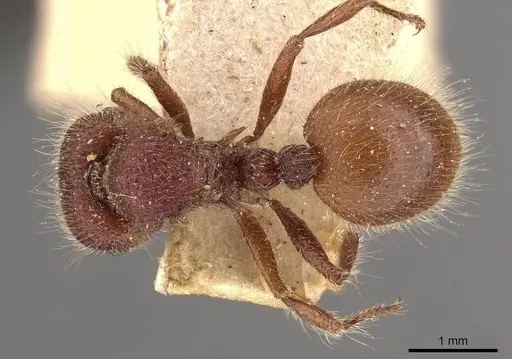
Literature
Loading...Loading products...