

Meranoplus levis
- Scientific Name
- Meranoplus levis
- Tribe
- Crematogastrini
- Subfamily
- Myrmicinae
- Author
- Donisthorpe, 1942
- Distribution
- Found in 1 countries
Meranoplus levis Overview
Meranoplus levis is an ant species of the genus Meranoplus. It is primarily documented in 1 countries , including India. Detailed taxonomic data and occurrence records can be further explored via authoritative databases such as AntWeb or the Global Biodiversity Information Facility (GBIF).
Meranoplus levis
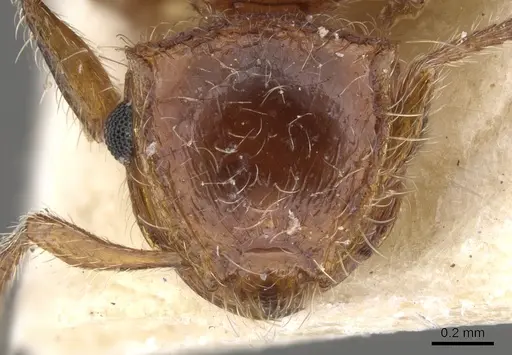
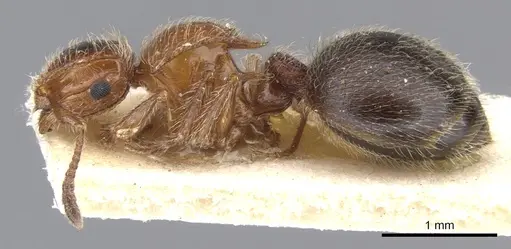
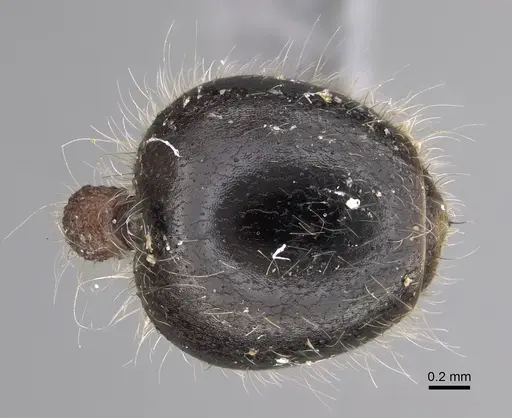
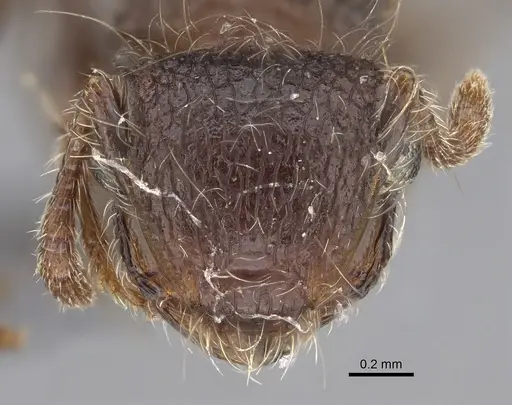
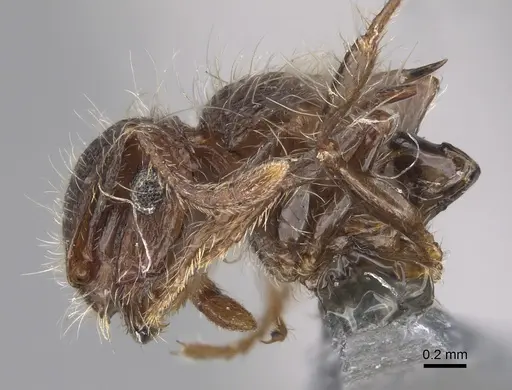
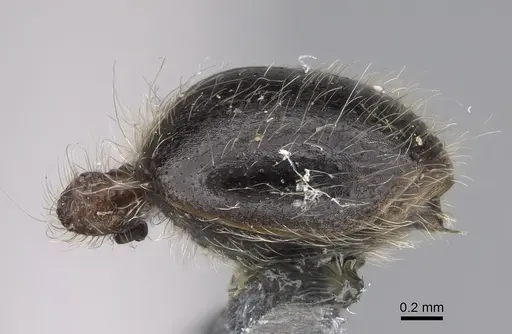
Meranoplus levis is a small, striking ant species native to southern India and Sri Lanka. Workers measure 4.0-4.3mm and feature a distinctive bicolored appearance, their head, alitrunk (middle body section), petiole, and postpetiole are a bright rusty ferrugineous color, while the gaster (abdomen) is dark piceous black [1]. This species is unique among Oriental Meranoplus for having a carinulate (ridged) head and promesonotal shield rather than the typical reticulate-rugulose pattern found in related species [1]. They possess two massive spines on the posterior mesonotal corners and slender propodeal spines. The species was described from Dohnavur in Tamil Nadu, India, and specimens have also been collected from Sri Lanka [1].
This species is closely related to Meranoplus mayri from Madagascar, representing an interesting biogeographic connection between the Indian subcontinent and Madagascar [1]. In their natural habitat of arid trees and dry sparse shrubbery, these ants are ground-nesting and adapted to drier conditions than many other tropical ants.
Quick Summary
- Difficulty: Medium
- Origin & Habitat: Southern India (Tamil Nadu, Kerala) and Sri Lanka, in arid trees and dry sparse shrubbery [2]. Workers collected from ground level in dry, sparse environments.
- Colony Type: Colony structure is unconfirmed. Likely single-queen based on typical Meranoplus patterns.
- Size & Growth:
- Queen: Unknown, no documented queen measurements for this species
- Worker: 4.0-4.3mm [1]
- Colony: Unknown, no colony size data available
- Growth: Moderate, inferred from typical Meranoplus growth patterns
- Development: Unknown, not directly studied. Based on typical Myrmicinae development, estimate 6-10 weeks at optimal temperature. (Development timeline is unconfirmed for this species. Related Meranoplus species typically develop in 6-10 weeks under warm conditions.)
- Antkeeping:
- Temperature: Keep at 24-28°C. This species comes from arid tropical regions of India and Sri Lanka, so warmth is important. Use a heating cable on one side of the nest to create a gradient if room temperature is below 24°C.
- Humidity: Low to moderate. These ants are adapted to dry conditions, keep the nest substrate slightly moist but allow portions to dry out. Avoid overly damp conditions. Think arid forest floor, not rainforest.
- Diapause: Likely minimal or none. As a tropical species from southern India and Sri Lanka, they probably do not require a true hibernation. However, a slight reduction in temperature during winter months (down to around 20°C) may be beneficial.
- Nesting: Use a dry, well-ventilated nest setup. Y-tong (AAC) nests or plaster nests work well for this species. They prefer compact chambers scaled to their 4mm worker size. Ensure good ventilation to prevent mold from moisture.
- Behavior: These ants are moderately active foragers. They are not particularly aggressive but will defend their nest if threatened. Workers are about 4mm with a distinctive appearance featuring the rusty orange thorax and dark abdomen. Escape risk is moderate, standard barrier methods like Fluon on test tube rims should suffice, but ensure lids fit tightly. They likely forage for small insects and tend honeydew-producing insects, following typical Myrmicinae diet patterns.
- Common Issues: dry conditions are essential, too much humidity can kill colonies, escape prevention is important though not as critical as for tiny species, growth rate is slow by ant standards, don't overfeed expecting rapid population explosion, wild-caught colonies may carry parasites that can devastate captive populations, heating must be stable, temperature fluctuations stress these ants
Housing and Nest Setup
Meranoplus levis does well in standard ant keeping setups adapted for their small size. A test tube setup works well for founding colonies, use a standard test tube with a water reservoir at one end, sealed with a cotton plug. The tube should be kept horizontal so the queen can find a dark corner to seal herself in. For established colonies, Y-tong (AAC) nests or plaster nests provide the right balance of humidity control and ventilation. The key is keeping the nest relatively dry, these ants come from arid environments in southern India and Sri Lanka. Avoid naturalistic setups with live plants unless you can carefully control moisture levels. Chamber size should be compact since workers are only about 4mm. Ensure escape prevention is in place, though they are not as prone to escaping as truly tiny species. [1][2]
Feeding and Diet
Like most Myrmicinae ants, Meranoplus levis is likely an omnivore that accepts both protein and sugar sources. Offer protein foods like small crickets, mealworms, or other small insects twice weekly. Sugar can be provided via honey water or sugar water, offer this consistently as ants will drink it for energy. In the wild, they probably forage for small insects and collect honeydew from aphids or scale insects. Feed conservatively, a small piece of protein every 2-3 days is sufficient for a growing colony. Remove uneaten food after 24-48 hours to prevent mold. Do not overfeed, as excess food in a dry nest can quickly become a mold problem. [2]
Temperature and Heating
As a tropical species from southern India and Sri Lanka, Meranoplus levis needs warm conditions. Keep the nest area at 24-28°C for optimal colony development. Room temperature may be sufficient if your home is in this range, otherwise use a heating cable placed on top of (not under) the nest to add gentle warmth. Create a temperature gradient so ants can move between warmer and cooler areas. Avoid direct heat sources that can dry out the nest too quickly. During winter, you can reduce temperature slightly to around 20°C, but avoid cold temperatures below 18°C as this species is not adapted to cool conditions. Stable temperatures are more important than exact numbers, avoid big fluctuations. [2]
Humidity and Water
This is perhaps the most critical aspect of keeping Meranoplus levis successfully. They come from arid to dry environments, so keep humidity low to moderate. The nest substrate should be slightly moist but never wet. Allow portions of the nest to dry out completely between waterings. For test tube setups, use a small water reservoir, a large reservoir can create excessive humidity. For Y-tong or plaster nests, mist lightly and allow to dry before re-misting. Good ventilation is essential to prevent stagnant air and mold. If you see condensation building up consistently, improve ventilation and reduce watering. These ants will seek water droplets to drink, so a shallow water dish in the outworld is appreciated. [2]
Colony Development and Growth
Meranoplus levis is a small species with workers around 4mm, so colony growth will be moderate rather than rapid. A founding queen will lay eggs shortly after establishing in her sealed chamber. The first workers (nanitics) will be smaller than normal workers and should emerge within 6-10 weeks under optimal conditions, though this timeline is estimated since specific development data is not available for this species. After the first workers emerge, the colony will grow gradually. Expect several months to reach 50 workers, and a mature colony may contain a few hundred workers. Be patient, this is not a fast-growing species. Feed appropriately for colony size: a small colony needs less food than a large one. Overfeeding leads to mold in dry nests. [1]
Behavior and Temperament
Meranoplus levis workers are moderately active and will forage in the outworld for food. They are not particularly aggressive and will typically flee rather than attack when the nest is disturbed. However, they will defend their colony if directly threatened. Workers are distinctive with their bicolored appearance, rusty orange head and thorax contrasting with a dark abdomen. They likely use chemical trails to recruit nestmates to food sources, following typical ant foraging behavior. The species is not known for any unusual behaviors like slave-making or temporary parasitism. They are ground-nesting ants that likely prefer to forage on the substrate rather than climb extensively. [1][2]
Frequently Asked Questions
How long does it take for Meranoplus levis to have first workers?
The exact timeline is unconfirmed for this species, but based on typical Myrmicinae development, expect first workers (nanitics) in 6-10 weeks under optimal warm conditions (24-28°C). Be patient, this is not a fast-growing species.
Can I keep Meranoplus levis in a test tube?
Yes, test tubes work well for founding colonies. Use a standard test tube with a small water reservoir, keep it horizontal, and place it in a dark area. The queen will seal herself into a chamber to raise her first brood.
What do Meranoplus levis eat?
They are omnivores. Offer small insects like crickets or mealworms for protein twice weekly, and provide sugar water or honey water consistently. They will also collect honeydew if available.
Do Meranoplus levis ants sting?
Meranoplus ants have stingers, but given their small size (4mm), they are unlikely to penetrate human skin. They may attempt to bite if threatened, but they are not considered dangerous.
Are Meranoplus levis good for beginners?
They are rated as medium difficulty. The main challenge is getting the humidity right, they need drier conditions than most pet ants. If you can maintain appropriately dry nesting conditions, they are manageable for intermediate antkeepers.
Do Meranoplus levis need hibernation?
Probably not. As a tropical species from southern India and Sri Lanka, they likely do not require true hibernation. You may reduce temperatures slightly in winter to around 20°C, but a full diapause is probably unnecessary.
How big do Meranoplus levis colonies get?
Colony size data is not available, but based on worker size (4mm) and typical Meranoplus patterns, colonies likely reach a few hundred workers at maturity. Growth is moderate, not rapid.
When should I move Meranoplus levis to a formicarium?
Move to a larger setup (like a Y-tong or plaster nest) when the test tube becomes crowded or the colony reaches 30-50 workers. Ensure the new setup can maintain the dry conditions this species requires.
Why are my Meranoplus levis dying?
The most common causes are: too much humidity (they need dry conditions), temperature too cold (keep above 24°C), or overfeeding causing mold. Check your humidity levels first, this species is sensitive to excess moisture.
Can I keep multiple Meranoplus levis queens together?
Colony structure is unconfirmed for this species. Unless you observe them naturally forming multi-queen colonies, it is not recommended to combine unrelated foundress queens as they may fight.
References

This caresheet is licensed under CC BY-SA 4.0 .
CASENT0902025
View on AntWeb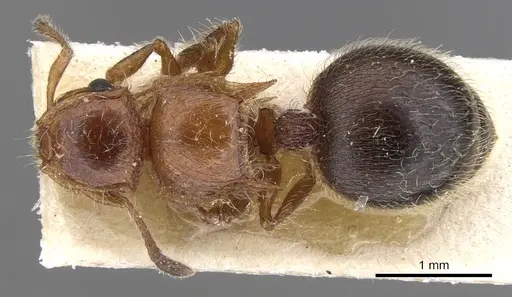
CASENT0923332
View on AntWeb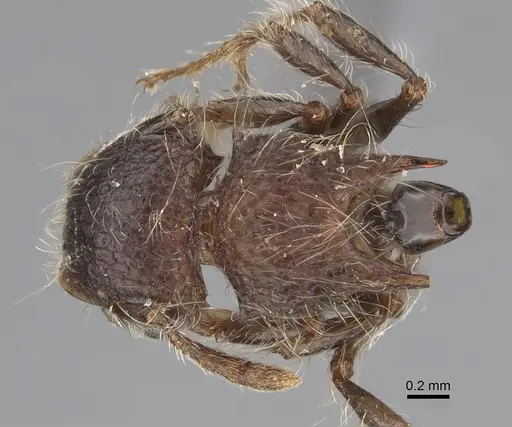
Literature
Loading...Loading products...