

Meranoplus leveillei
- Scientific Name
- Meranoplus leveillei
- Tribe
- Crematogastrini
- Subfamily
- Myrmicinae
- Author
- Emery, 1883
- Distribution
- Found in 1 countries
Meranoplus leveillei Overview
Meranoplus leveillei is an ant species of the genus Meranoplus. It is primarily documented in 1 countries , including New Caledonia. Detailed taxonomic data and occurrence records can be further explored via authoritative databases such as AntWeb or the Global Biodiversity Information Facility (GBIF).
Meranoplus leveillei
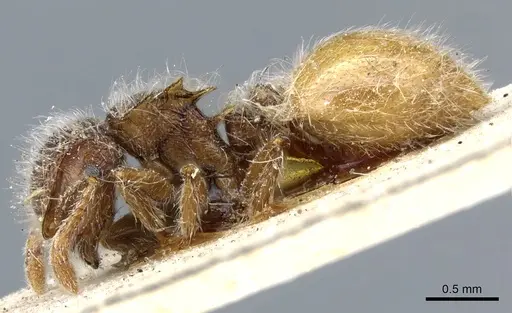
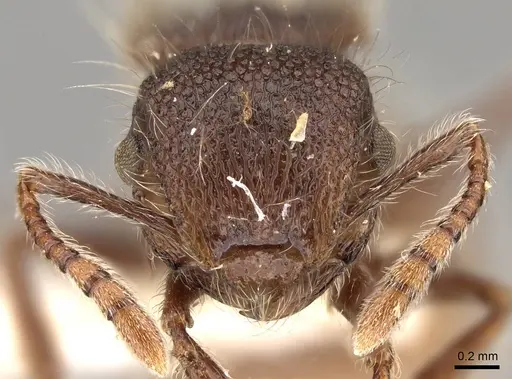
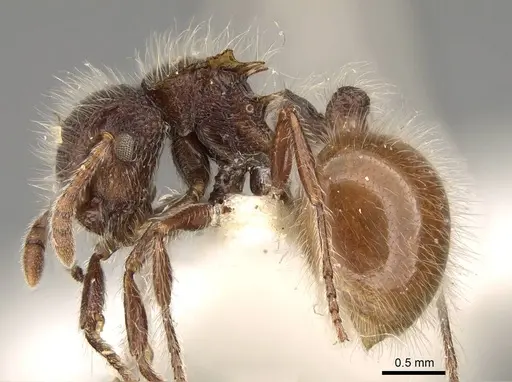
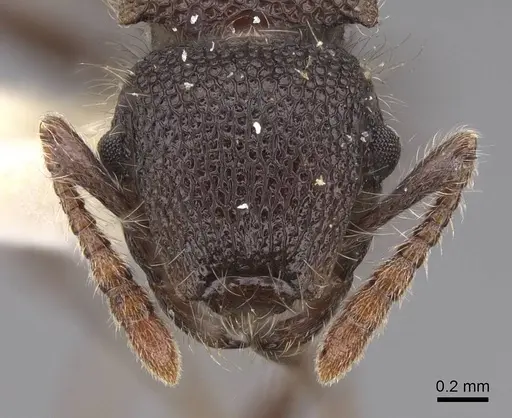
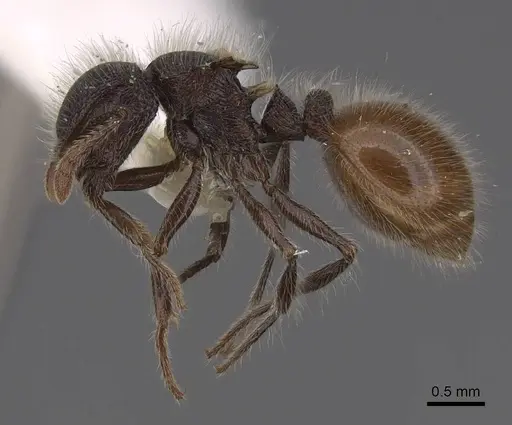
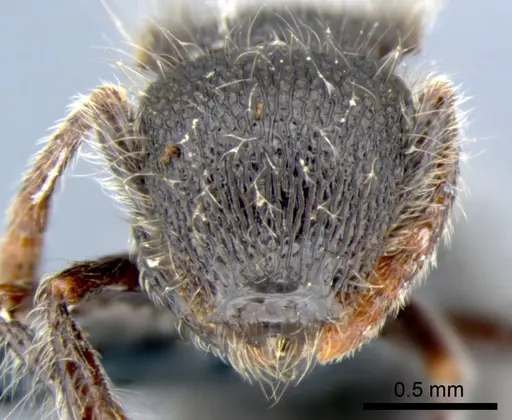
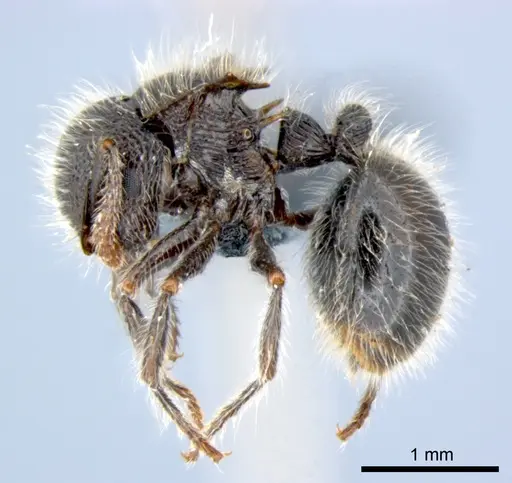
Meranoplus leveillei is a small myrmicine ant endemic to New Caledonia, a French territory in the South Pacific. Workers are modest in size with the characteristic Meranoplus morphology, a flattened, shield-like pronotum that gives them a distinctive appearance. The species was first described by Emery in 1883 from New Caledonia, with the male later described by André in 1889. Like other Meranoplus species, they have a clypeus without armament (unarmed), sharing this trait with related species like M. peringueyi, M. bellii, M. castaneus, and M. mayri. This ant is known only from New Caledonia and represents one of the less-studied members of a genus primarily distributed across Australia and surrounding islands.
Quick Summary
- Difficulty: Unknown
- Origin & Habitat: Endemic to New Caledonia, an island in the South Pacific region. Specific habitat preferences are not documented in available literature [1][2].
- Colony Type: Colony structure is unconfirmed. Most Meranoplus species are monogyne (single-queen colonies), but this has not been verified for M. leveillei specifically.
- Size & Growth:
- Queen: Unknown, not described in available literature
- Worker: Unknown, worker measurements not provided in original description or subsequent literature
- Colony: Unknown, no colony size data available
- Growth: Unknown
- Development: Unconfirmed, no development data exists for this species (Based on typical Meranoplus patterns, expect 4-8 weeks at optimal temperature, but this is an estimate only)
- Antkeeping:
- Temperature: Unconfirmed, likely prefers warm, tropical conditions similar to other Meranoplus species. Start around 24-28°C and observe colony activity [3].
- Humidity: Unconfirmed, New Caledonia has a tropical climate, so moderate to high humidity is likely appropriate. Keep substrate consistently moist but not waterlogged.
- Diapause: Unknown, tropical species may not require formal diapause, but may reduce activity in cooler months
- Nesting: Natural nesting behavior is unconfirmed. Most Meranoplus species are ground-nesting ants that forage on the surface. A standard test tube setup or acrylic nest with moist substrate would be appropriate starting points [3].
- Behavior: Behavior is unstudied in this species. The genus Meranoplus is generally known for workers that forage on the ground surface, often in sunny areas, and may have a moderately aggressive temperament when defending the nest. Escape prevention should be practiced as standard for ants of this size. Specific defensive behaviors (stinging, biting) are not documented for this species.
- Common Issues: lack of documented care information makes proper husbandry challenging, wild-caught colonies may have parasites or diseases with no known treatment protocols, colony founding success rate is unknown, may have high mortality during founding phase, temperature and humidity requirements are estimates based on genus patterns, not species-specific data
Species Overview and Distribution
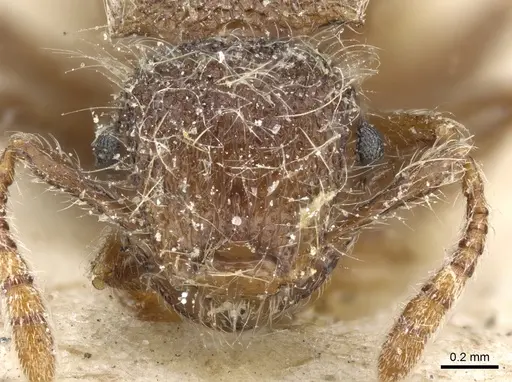
Meranoplus leveillei is a rare ant species known only from New Caledonia, a large island in the South Pacific east of Australia. The species was originally described by Carlo Emery in 1883 based on worker specimens, with the male described later by Edmond André in 1889. The genus Meranoplus contains about 80 species primarily distributed across Australia, with some species extending into Southeast Asia and the Pacific region. M. leveillei represents one of the few Meranoplus species endemic to New Caledonia. The species is characterized by having a clypeus without armament (unarmed), a feature shared with several related species including M. peringueyi, M. bellii, M. castaneus, and M. mayri. This morphological feature helps distinguish it from other Meranoplus species that have armed clypeal structures. [1][2]
Housing and Nesting
Since specific nesting behavior is unconfirmed for M. leveillei, housing recommendations must be based on general Meranoplus husbandry practices. The genus Meranoplus typically consists of ground-nesting ants that establish nests in soil or under stones in sunny, open areas. For captivity, a standard test tube setup works well for founding colonies, while established colonies can be moved to acrylic nests or naturalistic setups with appropriate substrate. The nest should have access to moisture since New Caledonia's tropical climate suggests moderate humidity needs. Ensure the outworld (foraging area) is secure with appropriate barriers, as small ants can escape through tiny gaps. A water test tube for humidity should be provided alongside the main nest setup.
Feeding and Diet
Dietary preferences for M. leveillei are not documented in available literature. Most Meranoplus species are generalist foragers that collect honeydew from aphids and scale insects, supplemented with small insects and other protein sources. In captivity, you should offer a varied diet including sugar water or honey as an energy source, along with small protein sources like fruit flies, small crickets, or other appropriately-sized insects. Observe your colony's acceptance of different foods and adjust accordingly. As with most Myrmicinae ants, a constant sugar source (honey water or sugar water) should be available, with protein offered several times per week depending on colony size.
Temperature and Seasonal Care
Temperature requirements for M. leveillei are not specifically documented, but New Caledonia's tropical climate suggests warmth is beneficial. Related Meranoplus species from Australia typically fare well at temperatures in the mid-to-high 20s Celsius (°C). Start around 24-28°C and monitor your colony's activity levels, workers should be actively foraging, while clustering near heat sources may indicate they need warmer conditions. Since this is a tropical species from near the southern tropics, formal hibernation (diapause) is likely not required. However, activity may naturally slow during cooler months in temperate climates. Avoid temperatures below 18°C for extended periods unless observing clear dormancy behavior.
Colony Founding and Development
The founding behavior of M. leveillei has not been directly documented in scientific literature. Most Meranoplus species follow the claustral founding pattern, where the queen seals herself in a small chamber and survives entirely on stored fat reserves until her first workers (nanitics) emerge. However, this specific pattern is unconfirmed for M. leveillei. Development timeline is also unknown, related species typically develop from egg to worker in 4-8 weeks under optimal warm conditions. For now, treat founding colonies as you would other Myrmicinae: provide a quiet, dark location, ensure humidity is maintained without flooding the nest, and do not disturb the queen unnecessarily. Wait several weeks before checking for the first workers, and do not feed during the founding stage unless workers have emerged.
Frequently Asked Questions
How do I care for Meranoplus leveillei ants?
Care is not well-documented since this is a rarely studied species. Based on genus patterns, provide a warm (24-28°C), moderately humid environment with standard test tube or acrylic nest setup. Feed sugar water/honey and small protein sources like fruit flies. This is an experimental species for antkeeping with no established husbandry protocols.
What do Meranoplus leveillei ants eat?
Diet is unconfirmed for this specific species. Based on general Meranoplus behavior, they likely forage for honeydew and small insects. Offer sugar water or honey as a constant energy source, supplemented with small live or frozen insects. Observe acceptance and adjust accordingly.
How big do Meranoplus leveillei colonies get?
Colony size is unknown, no published colony data exists for this species. Most Meranoplus species form moderate-sized colonies, but exact maximums for M. leveillei have not been documented.
Do Meranoplus leveillei ants sting?
Stinging behavior is not documented for this species. Most Myrmicinae ants have stingers, though many are too small to penetrate human skin. Exercise normal precautions when handling any ant colony.
Where is Meranoplus leveillei found?
This species is endemic to New Caledonia, a French territory in the South Pacific. It is only known from this single location and has not been recorded elsewhere.
How long does it take for Meranoplus leveillei to develop from egg to worker?
Development timeline is unconfirmed for this species. Based on typical Meranoplus patterns, expect approximately 4-8 weeks from egg to first worker at optimal temperature (around 24-28°C), but this is an estimate only.
Is Meranoplus leveillei good for beginners?
This species is not recommended for beginners due to the complete lack of documented care information. The difficulty level is effectively Unknown since no established husbandry protocols exist. Consider starting with better-documented species like Lasius, Camponotus, or Tetramorium before attempting this species.
Do Meranoplus leveillei queens need to hibernate?
Diapause requirements are unknown. As a tropical species from New Caledonia, formal hibernation is likely not required. However, activity may naturally reduce during cooler periods. Monitor your colony, if they become less active in winter, reduce feeding and avoid disturbing them rather than forcing hibernation.
Can I keep multiple Meranoplus leveillei queens together?
Colony structure (monogyne vs polygyne) is unconfirmed for this species. Multi-queen founding (pleometrosis) has not been documented. Do not attempt to combine unrelated queens without documented evidence that this species tolerates it.
What is the queen size of Meranoplus leveillei?
Queen size is not described in available literature. The original description by Emery in 1883 did not include measurements, and subsequent literature has not补充 this gap. Queen size is currently unknown.
References

This caresheet is licensed under CC BY-SA 4.0 .
CASENT0904687
View on AntWeb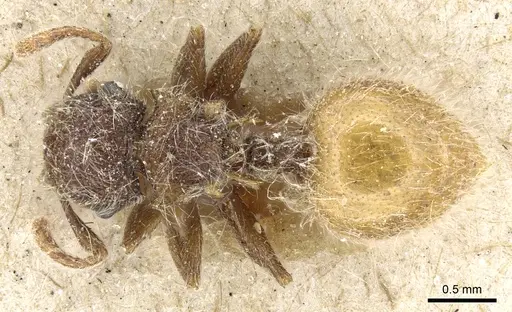
CASENT0914055
View on AntWeb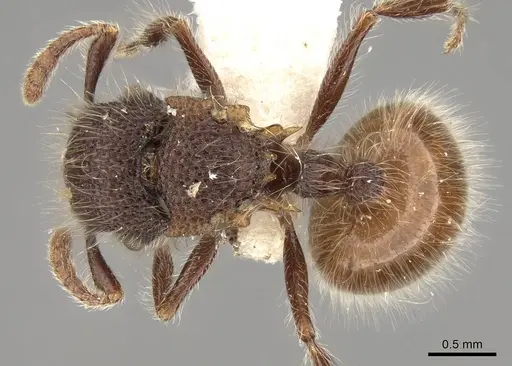
CASENT0922939
View on AntWeb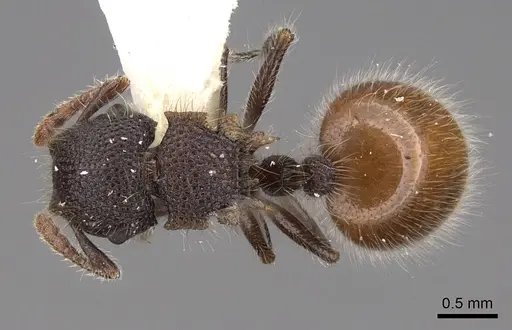
CSIRONC0049
View on AntWeb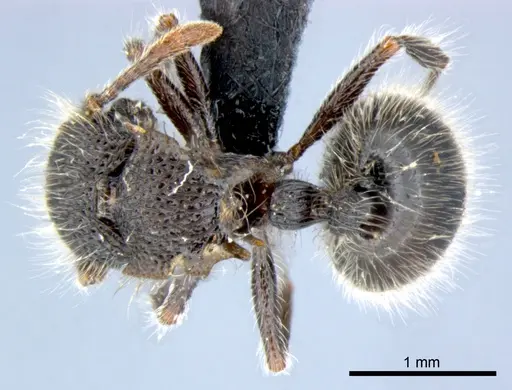
Literature
Loading...Loading products...