

Meranoplus froggatti
- Scientific Name
- Meranoplus froggatti
- Tribe
- Crematogastrini
- Subfamily
- Myrmicinae
- Author
- Forel, 1913
- Distribution
- Found in 1 countries
Meranoplus froggatti Overview
Meranoplus froggatti is an ant species of the genus Meranoplus. It is primarily documented in 1 countries , including Australia. Detailed taxonomic data and occurrence records can be further explored via authoritative databases such as AntWeb or the Global Biodiversity Information Facility (GBIF).
Meranoplus froggatti
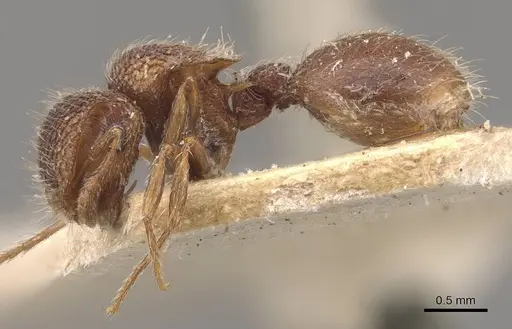
Meranoplus froggatti is a small to medium-sized myrmicine ant native to Australia. Workers measure around 4-6mm and feature a distinctive promesonotal shield, a raised, plate-like structure on the middle body section that is especially well-developed in this species, with two pairs of large translucent windows [1]. The genus Meranoplus is known for their unusual shield-like structures and somewhat flattened body shape, which helps them squeeze into tight crevices. This species belongs to the froggatti complex, a group of five closely related Australian species that also includes M. barretti [1]. They are relatively common across southern Australia, primarily in semi-arid regions but extending into northern Western Australia [1]. The species was described by Forel in 1913 from Victoria-type specimens.
Quick Summary
- Difficulty: Medium
- Origin & Habitat: Native to Australia, found primarily in the southern semi-arid zone with populations extending into northern Western Australia [1]. They inhabit dry to moderately arid habitats and nest in soil, often under stones or in decaying wood.
- Colony Type: Colony structure is not well-documented. Based on typical Meranoplus patterns, they likely form single-queen colonies (monogyne).
- Colony: Monogyne
- Founding: Claustral
- Size & Growth:
- Queen: Estimated 6-8mm based on genus patterns, not directly measured for this species
- Worker: Approximately 4-6mm [1]
- Colony: Likely several hundred workers based on related Meranoplus species, exact maximum unknown
- Growth: Moderate, growth rate inferred from typical Myrmicinae development
- Development: Estimated 6-10 weeks at optimal temperature based on typical Myrmicinae development patterns (Development time is not directly studied for this species, estimate based on genus-level data for related Australian Meranoplus)
- Antkeeping:
- Temperature: Keep at 22-26°C. As an Australian species from semi-arid regions, they prefer warm conditions but can tolerate some variation. A gentle temperature gradient allows workers to self-regulate.
- Humidity: Moderate humidity around 50-70%. These ants come from drier Australian habitats, so avoid overly damp conditions. Allow the nest to dry partially between waterings.
- Diapause: Likely, Australian ants from temperate regions typically require a winter rest period. Provide 2-3 months at 10-15°C during austral winter (roughly June-August in the Southern Hemisphere).
- Nesting: Natural nesting occurs in soil, often under stones or in decaying wood [1]. In captivity, a Y-tong (AAC) nest or plaster nest works well. Provide some substrate depth for burrowing and ensure chambers are not overly humid. Flat stones or a naturalistic setup with soil can also work.
- Behavior: Workers are active foragers that search for food both on the ground and in vegetation. They are not particularly aggressive but will defend their nest if threatened. Their small size and active foraging mean escape prevention should be taken seriously, use fine mesh and tight-fitting barriers. They likely recruit nestmates to food sources using chemical trails.
- Common Issues: escape prevention is critical due to their small size, they can squeeze through standard barrier gaps, colonies may be slow to establish during founding phase, patience is needed, dry conditions can cause founding queens to fail, monitor humidity carefully, wild-caught colonies may carry parasites that affect captive survival, overheating is a risk given their semi-arid origin, avoid temperatures above 30°C
Housing and Nest Setup
Meranoplus froggatti can be housed in various setups, but Y-tong (AAC) nests or plaster nests work particularly well for this genus. The nest should have chambers scaled to their worker size (4-6mm) with moderate spacing. Because they come from semi-arid Australian habitats, the nest should not be kept overly humid, allow some drying time between waterings. Provide a water reservoir but avoid flooding the nest chambers. An outworld area for foraging is essential, and use a barrier like fluon on test tube rims to prevent escapes. Given their small size, fine mesh on any ventilation openings is recommended. [1]
Feeding and Diet
In the wild, Meranoplus species are omnivorous foragers that collect nectar, honeydew, and small insects. In captivity, offer a varied diet including sugar water or honey as an energy source, and protein sources like small crickets, mealworms, or fruit flies. They are active foragers, so place food in the outworld where they can find it easily. Remove uneaten protein after 24-48 hours to prevent mold. Feed protein 2-3 times per week and keep sugar sources available constantly.
Temperature and Seasonal Care
Maintain temperatures between 22-26°C for optimal colony activity and brood development. As an Australian species from semi-arid regions, they can tolerate warmer conditions but should be kept below 30°C. During the winter months (roughly June-August in the Southern Hemisphere), provide a cooling period at 10-15°C for 2-3 months to simulate natural seasonal cycles. This winter rest period supports colony health and may trigger reproductive behavior in spring. Avoid sudden temperature changes, gradual transitions are better tolerated. [1]
Colony Establishment and Growth
Established colonies likely reach several hundred workers over time, though exact maximum colony size is not documented for this species. Founding queens are presumed claustral, they seal themselves in a chamber and raise the first brood using stored fat reserves. The first workers (nanitics) will be smaller than mature workers. Growth is moderate, and colonies may take several months to establish a strong worker population. Patience is key during the founding phase, avoid disturbing the queen or overchecking the nest.
Behavior and Foraging
Workers are active foragers that search for food both on the ground and can climb surfaces in the outworld. They likely use chemical pheromone trails to recruit nestmates to food discoveries. While not particularly aggressive toward humans, they will defend the nest if disturbed. Their small size makes them excellent at finding food but also creates escape risk, check barrier integrity regularly. Observe their foraging patterns to gauge colony health and adjust feeding schedules accordingly.
Frequently Asked Questions
How long does it take for Meranoplus froggatti to produce first workers?
Based on typical Myrmicinae development, expect first workers (nanitics) around 6-10 weeks after the queen lays eggs. This is an estimate since development time has not been directly studied for this species.
What temperature do Meranoplus froggatti need?
Keep them at 22-26°C. They prefer warm conditions as an Australian semi-arid species but should be kept below 30°C to avoid overheating.
Do Meranoplus froggatti need hibernation?
Yes, they likely require a winter rest period. Provide 2-3 months at 10-15°C during the cooler months, roughly corresponding to June-August in the Southern Hemisphere.
How big do Meranoplus froggatti colonies get?
Colony size is not well-documented, but based on related Meranoplus species, they likely reach several hundred workers. Growth is moderate.
What do Meranoplus froggatti eat?
They are omnivorous. Offer sugar water or honey for energy, and protein sources like small crickets, mealworms, or fruit flies. Feed protein 2-3 times per week with sugar available constantly.
Are Meranoplus froggatti good for beginners?
They are rated as medium difficulty. While not the hardest species, they do require attention to temperature, humidity, and escape prevention. Some prior antkeeping experience is helpful.
Do Meranoplus froggatti sting?
Meranoplus ants have a stinger but are not considered particularly aggressive. Their sting is mild compared to some other Myrmicinae. They may sting if directly threatened or handled roughly.
Can I keep multiple Meranoplus froggatti queens together?
Colony structure is not well-documented for this species, but based on typical Meranoplus patterns, they likely form single-queen colonies. Combining unrelated queens is not recommended without documented evidence of multi-queen tolerance.
When should I move Meranoplus froggatti to a formicarium?
Wait until the colony has at least 20-30 workers and is actively using the outworld for foraging. Moving too early can stress the colony. A test tube setup works well for founding colonies.
Why are my Meranoplus froggatti dying?
Common causes include: too high humidity (they prefer drier conditions), temperatures above 30°C, escapes due to inadequate barriers, or stress during founding. Check that humidity is moderate, temperatures are in range, and barriers are secure.
References

This caresheet is licensed under CC BY-SA 4.0 .
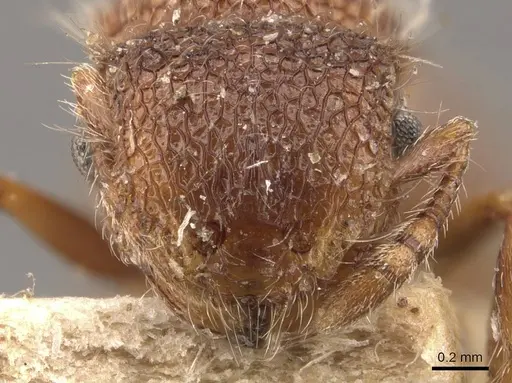
CASENT0908940
View on AntWeb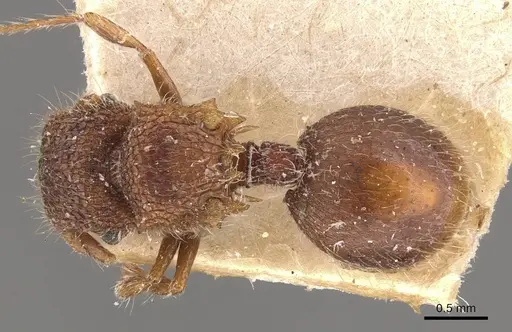
Literature
Loading...Loading products...