

Meranoplus excavatus
- Scientific Name
- Meranoplus excavatus
- Tribe
- Crematogastrini
- Subfamily
- Myrmicinae
- Author
- Clark, 1938
- Distribution
- Found in 1 countries
Meranoplus excavatus Overview
Meranoplus excavatus is an ant species of the genus Meranoplus. It is primarily documented in 1 countries , including Australia. Detailed taxonomic data and occurrence records can be further explored via authoritative databases such as AntWeb or the Global Biodiversity Information Facility (GBIF).
Meranoplus excavatus
Meranoplus excavatus is a small to very small myrmicine ant native to Australia, specifically found on Reevesby Island in South Australia [1]. The species belongs to the M. excavatus complex, a group of 17 closely related species that inhabit the southern semi-arid zone of inland Australia [2]. Workers are small and yellowish, typical of Meranoplus species in this region. These ants are part of a very rich group of small ants that occur throughout inland Australia, though detailed biological information specific to M. excavatus is limited. The genus Meranoplus is known for their compact, often heavily sculptured bodies and their preference for arid and semi-arid habitats.
Quick Summary
- Difficulty: Unknown, limited keeper experience data
- Origin & Habitat: Australia (Reevesby Island, South Australia), inland arid and semi-arid zones [1][2]
- Colony Type: Likely single-queen colonies based on typical Meranoplus patterns, colony structure is unconfirmed for this specific species
- Size & Growth:
- Queen: Estimated 5-7mm based on genus patterns
- Worker: Estimated 3-4mm based on genus patterns for small species
- Colony: Unknown for this species, likely under 500 workers based on typical Meranoplus colony sizes
- Growth: Unknown, likely moderate based on related species
- Development: Estimated 6-10 weeks based on typical Myrmicinae development at warm temperatures (Development timeline is unconfirmed for this species, estimates based on genus-level patterns)
- Antkeeping:
- Temperature: Aim for 24-28°C, these are arid-adapted ants from inland Australia that prefer warm conditions
- Humidity: Keep relatively dry, these ants inhabit semi-arid zones and do not need high humidity. Provide a water tube but avoid damp substrates
- Diapause: Possibly, southern Australian species may require a cool period in winter, but this is unconfirmed for M. excavatus specifically
- Nesting: Provide a dry nest environment. Y-tong nests or acrylic nests with minimal moisture work well for these arid-adapted ants. They likely nest in soil or under stones in the wild
- Behavior: Behavior is unconfirmed for this species. Based on typical Meranoplus behavior, they are likely generalist foragers that scavenge for seeds and small insects. Their small size means escape prevention is important, use fine mesh barriers. Aggression levels are unknown but likely moderate like most Meranoplus species.
- Common Issues: limited species-specific information makes care recommendations uncertain, escape prevention is important given their small size, humidity preferences are not well documented, start dry and adjust, growth rate is unknown so patience may be needed, availability is likely very limited as this is not a common species in the antkeeping hobby
Natural History and Distribution
Meranoplus excavatus is endemic to Australia, specifically known from Reevesby Island in South Australia [1]. The species is part of the M. excavatus complex, which contains 17 closely related species distributed throughout the southern semi-arid zone of inland Australia [2]. This complex represents a very rich group of small to very small ant species that have adapted to Australia's arid and semi-arid environments. The genus Meranoplus as a whole is widespread across Australia, with many species specializing in inland habitats. Reevesby Island, located in Spencer Gulf off the coast of South Australia, provides a coastal-inland transition habitat that these ants have colonized.
Identification and Appearance
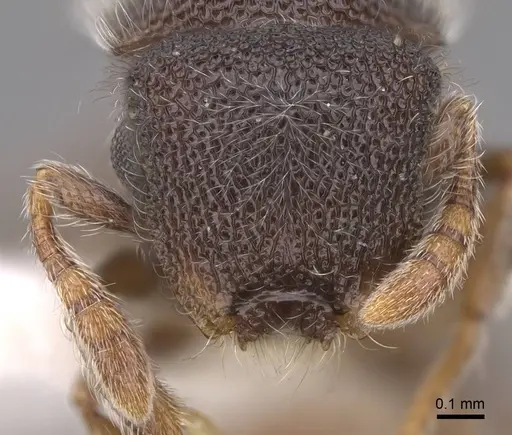
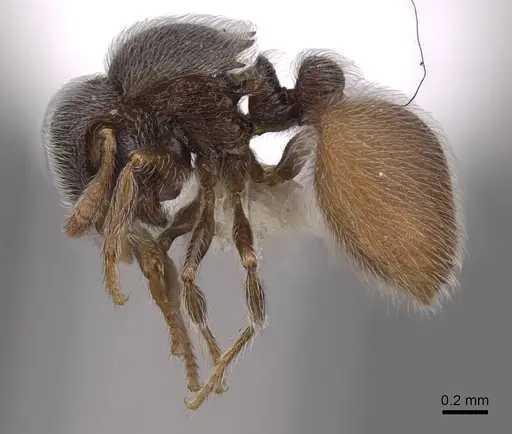
Meranoplus excavatus was originally described by Clark in 1938 from specimens collected on Reevesby Island [1]. The species is a small to very small ant, typical of the M. excavatus complex. Workers in this complex are generally yellowish in coloration, which is common for Meranoplus species inhabiting semi-arid zones, this pale coloration is thought to be an adaptation to reflect heat in arid environments. The genus Meranoplus is characterized by their compact body shape and distinctive dorsal sculpturing. Positive identification to species level typically requires examination of morphological features including the shape of the head, promesonotum, and abdominal sculpturing.
Housing and Nest Preferences
Based on the species' origin in semi-arid Australia, provide a relatively dry nest environment. Y-tong (acrylic) nests or test tube setups work well, avoid overly damp substrates. These ants likely nest in soil or under stones in the wild, so a naturalistic setup with a dry soil layer can be appropriate. Ensure excellent escape prevention, their small size means they can squeeze through standard mesh. Use fine mesh (0.5mm or smaller) on any ventilation openings. A small outworld area allows for foraging space. Since specific humidity requirements are unknown, start with moderate conditions (substrate just damp, not wet) and observe colony behavior.
Feeding and Diet
The diet for Meranoplus excavatus specifically is unstudied, but Meranoplus species are typically generalist foragers that scavenge for seeds, small insects, and honeydew. Offer a varied diet including small protein sources (fruit flies, small mealworms, cricket pieces) and sugar sources (honey water, sugar water). Seeds may be accepted, many Meranoplus species are granivorous. Feed small amounts every 2-3 days and remove uneaten food to prevent mold. Since this species comes from a semi-arid environment, they may have lower water requirements than tropical species, but always provide access to fresh water.
Temperature and Seasonal Care
Aim for temperatures in the warm range (24-28°C), these are arid-adapted ants from inland Australia that prefer warmer conditions. A heating cable on one side of the nest can create a temperature gradient, allowing the colony to self-regulate. Room temperature (around 20-24°C) may be acceptable, but warmer conditions likely support better colony growth. Regarding winter dormancy: southern Australian species may experience cooler winters, so a slight temperature reduction (15-18°C) during winter months may be beneficial or even required, though this is unconfirmed for M. excavatus specifically. Observe colony activity levels as a guide, if they become less active in winter, provide a cool period.
Frequently Asked Questions
How long does it take for Meranoplus excavatus to produce first workers?
The exact timeline is unconfirmed for this species. Based on typical Myrmicinae development and related Meranoplus species, expect approximately 6-10 weeks from egg to first worker at optimal warm temperatures (around 26°C). Patience is important as this may vary.
What do Meranoplus excavatus ants eat?
Specific diet data is unavailable, but Meranoplus species are generalists. Offer small protein sources (fruit flies, tiny insects, mealworm pieces) and sugar sources (honey water, sugar water). Seeds may also be accepted. Feed every 2-3 days and remove uneaten food.
Are Meranoplus excavatus good for beginners?
This species is not commonly kept, so there is limited keeper experience to draw from. The main challenge is that species-specific care requirements are not well documented. If you're experienced with Australian arid-zone ants, this could be an interesting species to try. For complete beginners, more established species may be better choices.
Do Meranoplus excavatus ants sting?
Stinging ability for this specific species is unconfirmed. Most small Meranoplus species can sting but their small size makes it unlikely to penetrate human skin. They are not considered dangerous to humans.
How big do Meranoplus excavatus colonies get?
Colony size is unconfirmed for this species. Based on related Meranoplus species, colonies likely reach several hundred workers. Maximum colony size is estimated at under 500 workers.
What temperature and humidity do Meranoplus excavatus need?
Keep warm (24-28°C) and relatively dry. These are arid-adapted ants from semi-arid Australia. Provide a water tube but avoid damp substrates. Room humidity is likely acceptable.
Can I keep multiple Meranoplus excavatus queens together?
Colony structure is unconfirmed for this species. Most Meranoplus are single-queen (monogyne) colonies. Combining unrelated queens is not recommended without documented evidence that they accept this.
References

This caresheet is licensed under CC BY-SA 4.0 .
ANTWEB1008201
View on AntWeb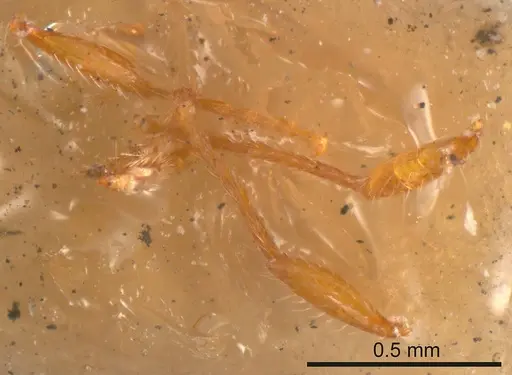
CASENT0922919
View on AntWeb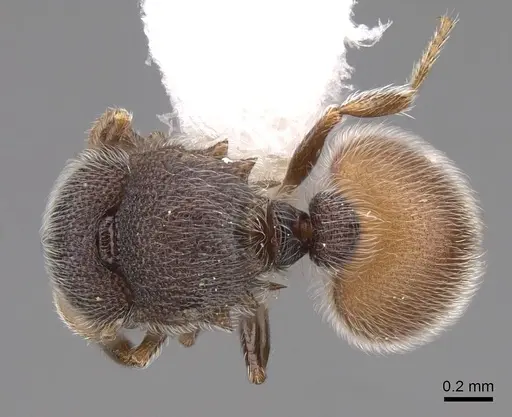
Literature
Loading...Loading products...